Machu Picchu with Elderly

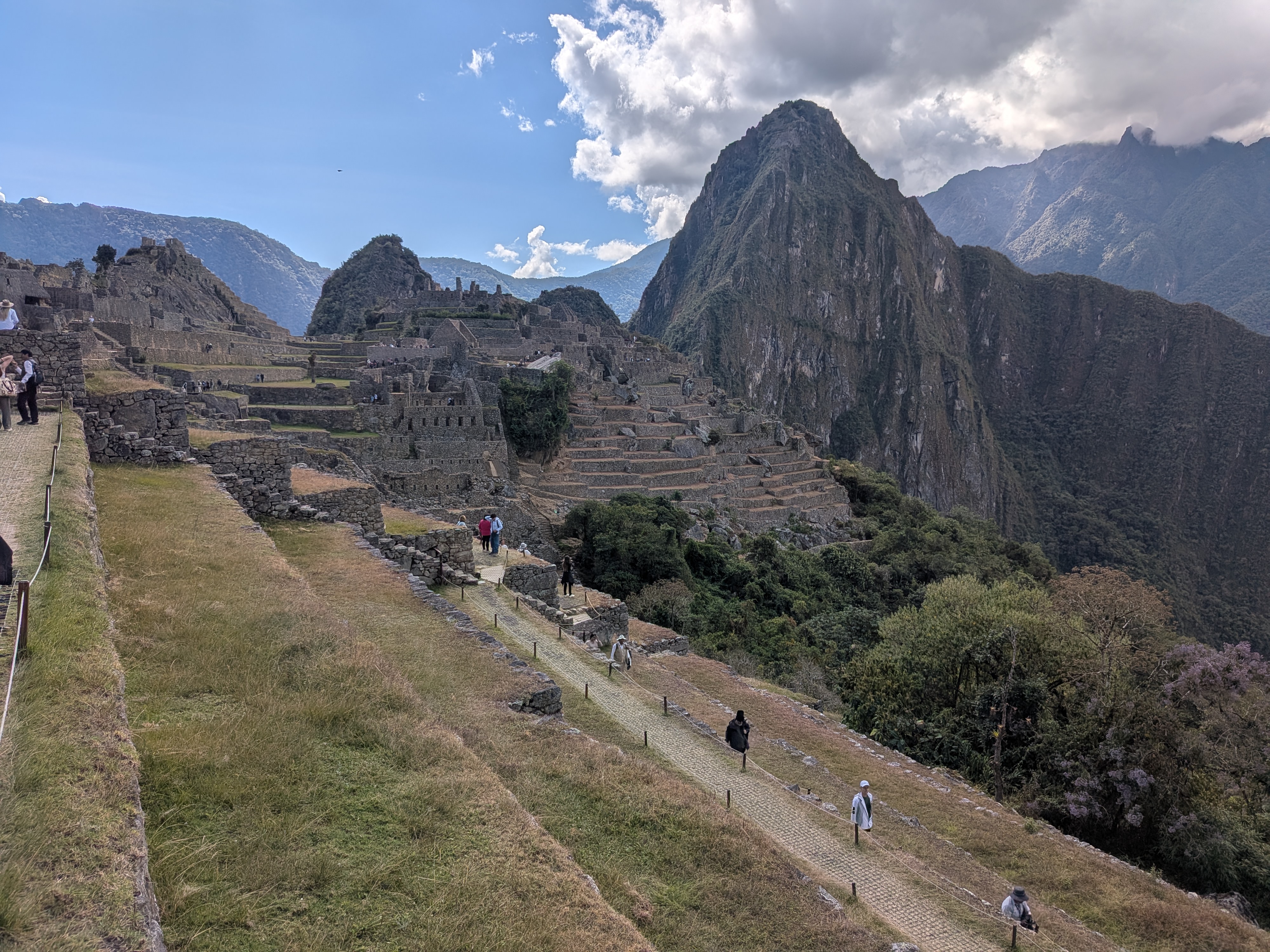
This is the second time that I have been to Machu Picchu this year. During the first time I was there, I was standing on one of the terraces and a tour guide was trying to take a picture of a son with his elderly parent. He was asking for both of them to crouch down so he could take a great picture of them with the fame old city in the background. The older of the two crouched down, but then lost his balance and almost fell over the edge of the terrace before his son was able to catch him and settle him down. It was a scary moment that even brought the employees of the sight out from their hidden corners to make sure everything was okay. It was this moment that made me wonder if taking my dad, who is 86, out here to see the wonders of this amazing cultures heritage sight. There were many questions that I needed to ask myself about making sure this trip worked for him. Would he be able to enjoy the wonders of Machu Picchu? Could he handle the rough terrain that he will have traverse though in order to enjoy the sight? How should I schedule the time that he is out here so he can enjoy it while not feeling worn out?
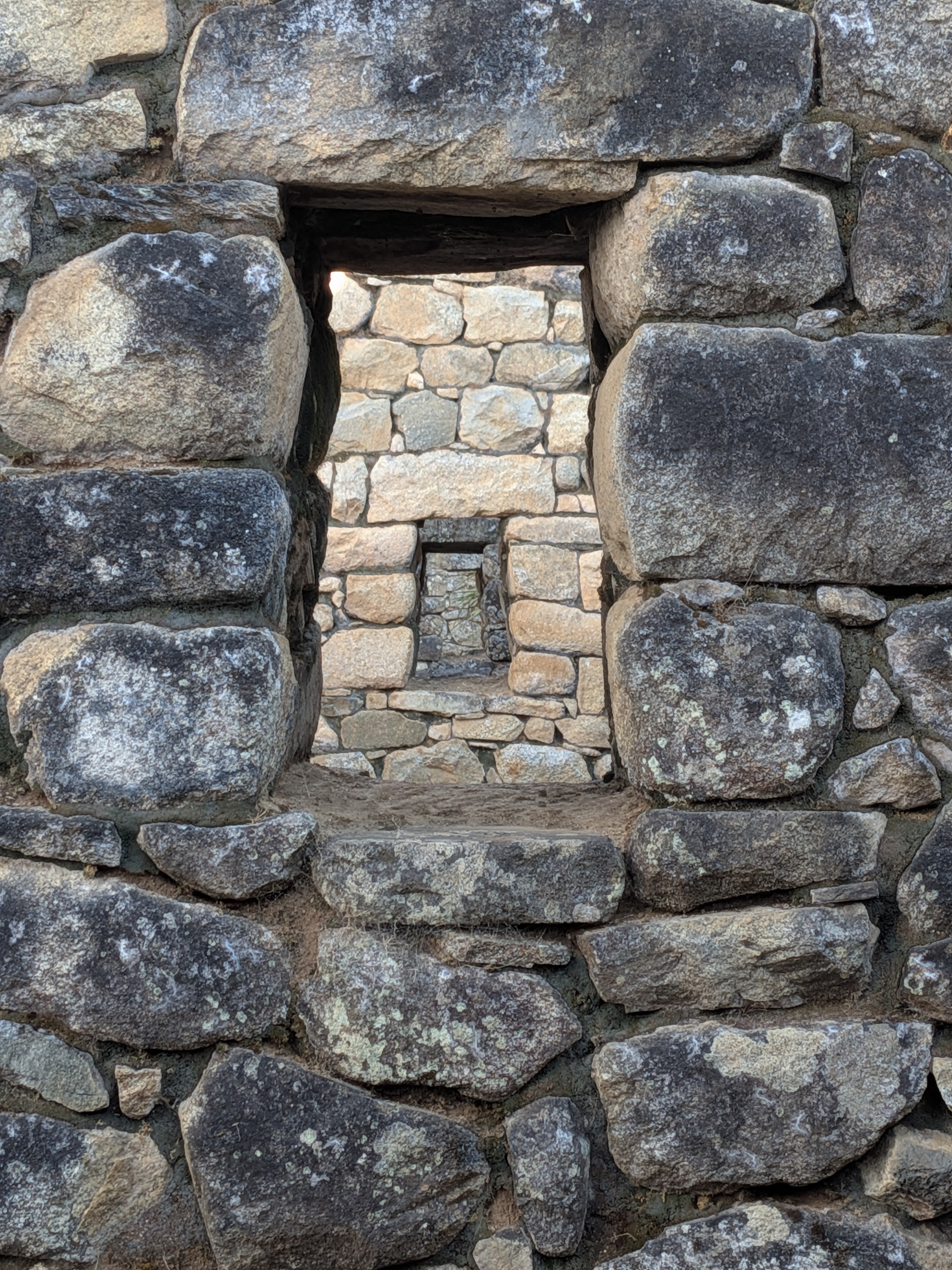
First off, would my dad enjoy the wonders of Machu Picchu? And that was easy to answer. Of course, he would. I still have not met an individual that would not enjoy this historic sight. There is a reason that so many people have added a day at Machu Picchu to their bucket list, because there is not another place like it in the world. It is not just the amazing views, or the spiritual feeling that this places holds within its haunted stones, but it is the amazing story that is told by the buildings and the history of this place, especially when talking about the precise that it was constructed. There is another wonder around each corner, and it is easy to be caught up in the magic of the place. Of course my dad would love this place.
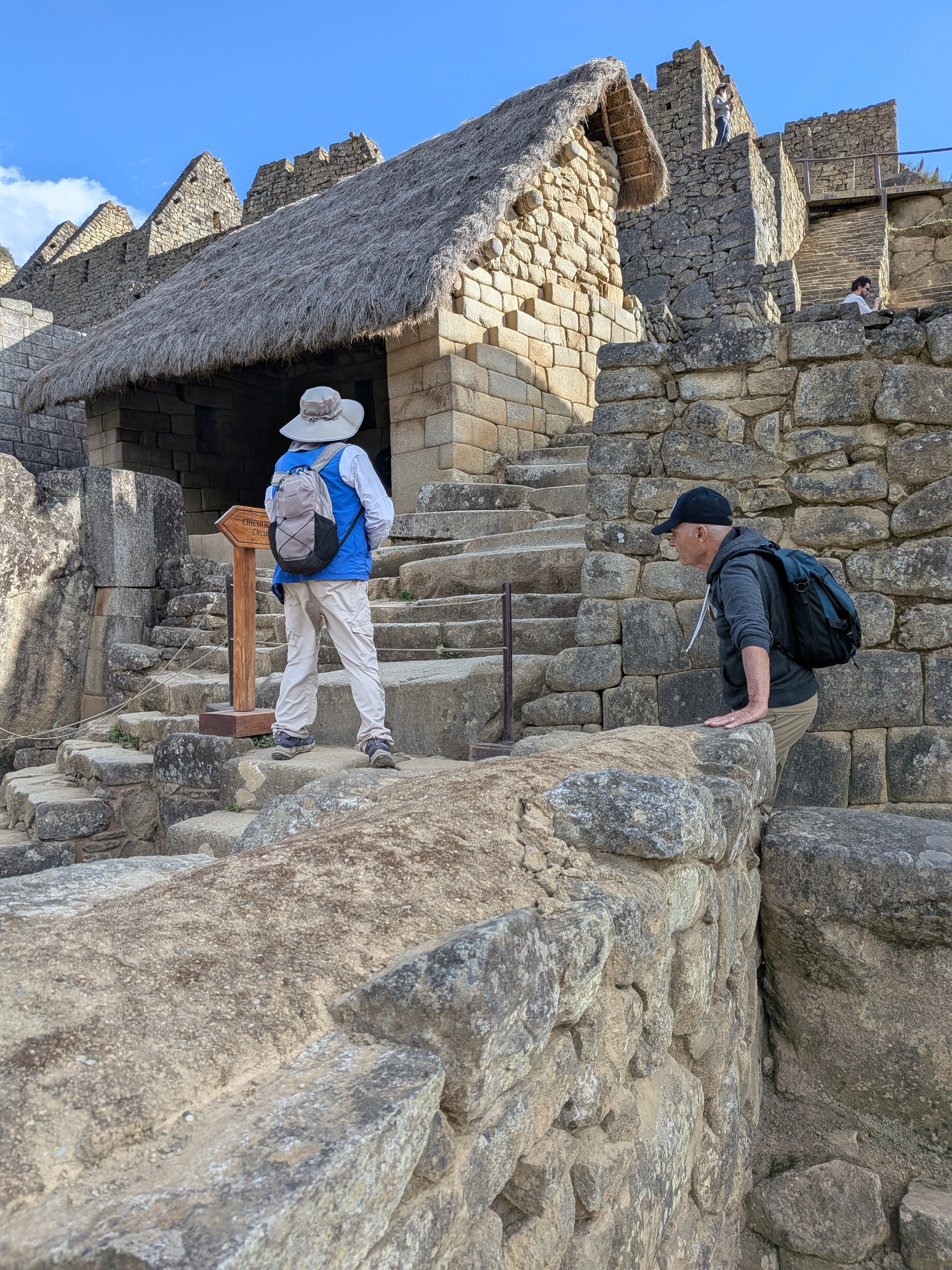
A bigger question was: Could he handle the rough terrain that he will have traverse though in order to enjoy the sight? Let me start off by saying that my dad did great though we had to take it slow, and there were a lot of breaks along the way. The tickets have a specific entry time to Machu Picchu, but there is an hour grace period to work in. If you are planning on taking it slowly, it would be best to get there as soon as the time opens up because the place allows for four hours to go through your chosen circuit. I would also suggest using the bathroom before you enter the sight. There are no bathrooms in Machu Picchu, but there is a pay toilet outside of it, and it costs two soles (a little over 50 cents) to use, so make sure you bring some change with you.

Now with all of that being said, there are some other points I would like to make if you are considering making this decision. First off, my dad is in pretty good shape for an 86 year old man, and he started walking on a regular basis six months before he came because he knew it was going to push him some. He also lives in Denver, Colorado, so altitude is not always a problem for him. Machu Picchu is almost 8,000 feet above sea level, so being so high up is something that should be taken into consideration.

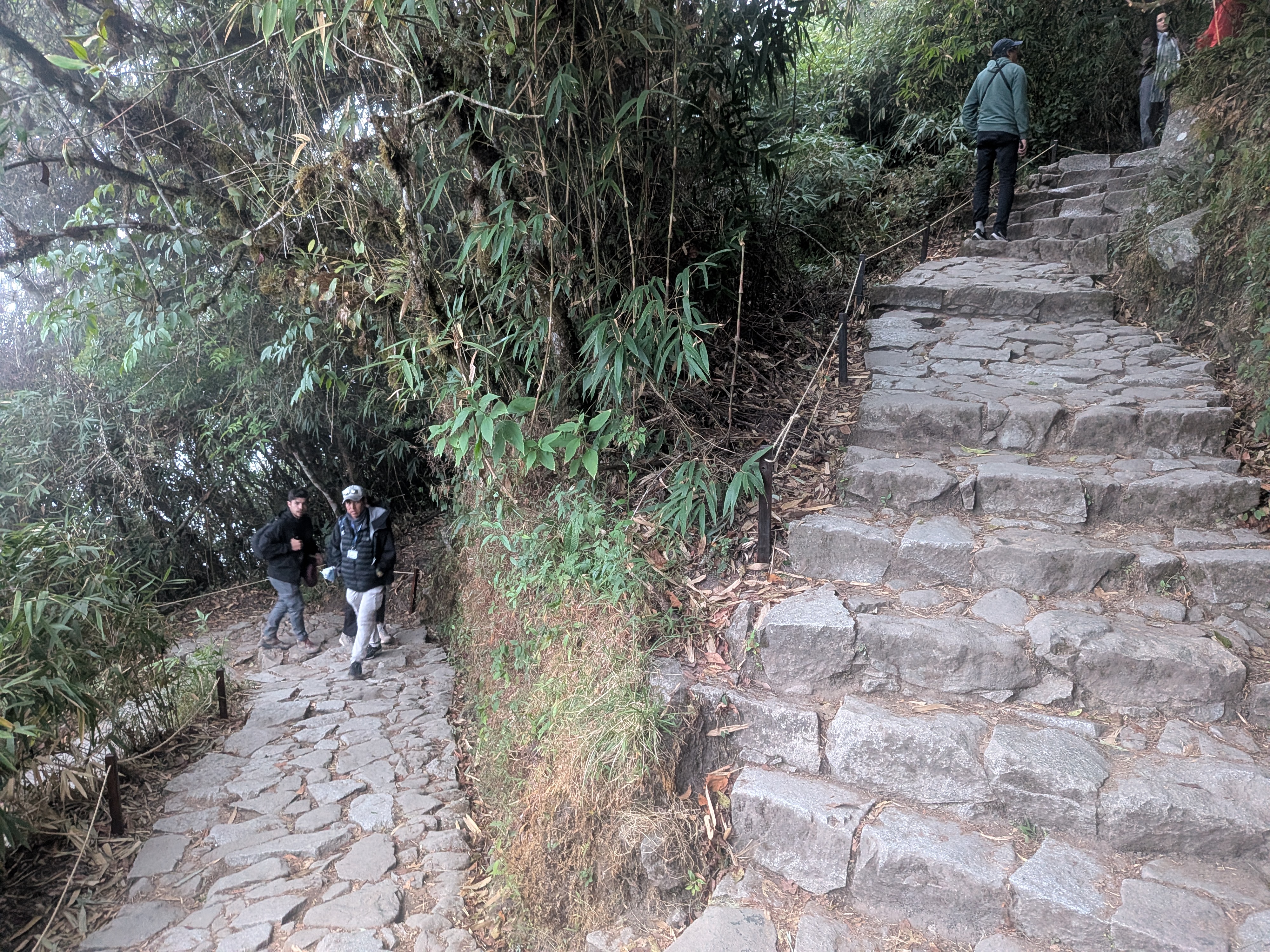
Also, just because my dad did well, other elderly people we came across on the trail did not fair as well. We saw many people struggle on the paths, and hiking up the uneven stairs that are found in the ruins. Most of them had to get help getting up and down the hilly terrain, and almost all of them were fumbling around with hiking poles while doing it. I am not saying that hiking poles are a bad idea, but it looked like they were being used for the first time by most of these people. If you want to know if hiking poles are going to help or not, the person should get out and walk around with them for a few months before ever coming to Machu Picchu. This way, they will know the height that is comfortable for them, and they will know how they can help them through the difficult terrain.
How should I schedule the time that he is out here so he can enjoy it while not feeling worn out? I will admit that I did not do the best job of this. There are a lot of things to consider when getting out to Aguas Calientes, the town that is the gateway to this amazing sight. First, you cannot drive out to Aguas Calientes; you have to take a train. This is a four hour train ride from Cusco, and a two hour train ride from Ollantaytambo. There are plenty of places to spend the night in the town, and it might be best to plan for two nights to stay there with two of the days used to go to Machu Picchu so you can have enough recovery time. I thought it would be best that we should go up on the day of the train ride, and that was a little too much to do in one day for my dad. It would have been better to spread it out a bit.

I would also recommend an afternoon visit and a morning visit, especially on the day you are leaving if you are staying in Ollantaytambo that night. It might seem to be a bit much to get up, hike through Machu Picchu then catch a train, but if you are going up to see the sunrise, and then heading back down, you will only be at the sight for an hour or two, and the train station is not far from any of the hotels with most of the hotels willing to help you get to their hotel when you arrive, and back when you are ready to head on.

There are three different circuits that take you around Machu Picchu and you can only go in one direction on them. They all offer amazing views, but the most spectacular views come from Circuit One. This is the shortest of the hikes, but at the same time, it is up and can take a lot out of many people. It is possible to do, but just make sure you take plenty of breaks along the way. Also know that the steps are the original steps and can be difficult to navigate on the best of days. These steps are at all of the circuits though. The steps are also not uniform so it takes big steps sometimes to go up or down, and that is something that should be considered when coming to Machu Picchu.

Circuit Two and Three go more around the inside of Machu Picchu, and are best experienced with a guide. These can be found at both outside of Machu Picchu, and down in Aguas Calientes. If they are hired in town before the bus rides, they are great in navigating how to get on and off the bus and where to go for the trip. The can also help in making it around the more difficult parts of the hike while taking pictures for you at the same time. The other two circuits can also be difficult, but there are short cuts around some of the more difficult parts, but it also takes away from the overall experience, so this something else that should be kept in mind.
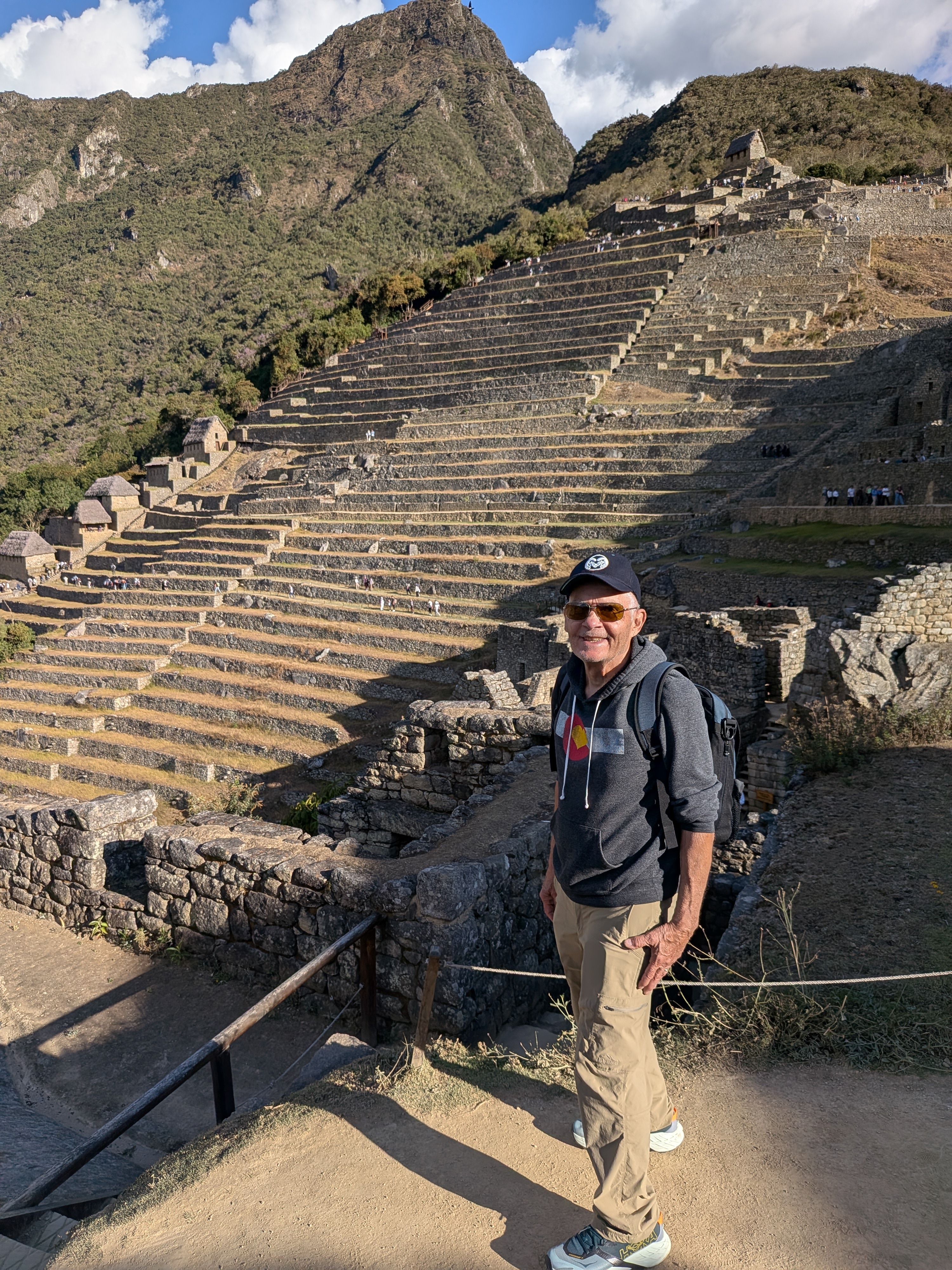
In the words of my dad, Machu Picchu is a magical place, and there is a reason that it is on many people’s bucket list. It is not for everybody though, and great consideration should be taken if thinking about taking an elderly person there. But if they are adventurous and are still mobile, with good planning, they can tap into that magic that is found there. It is also great to watch them as they start to experience that magic with you.

Until next time, enjoy getting out there and seeing what the world has to offer.

Maras and Moray – The Sacred Valley, Peru

The Sacred Valley is the biggest draw for many people who come to visit Peru, mainly because of the attraction to its crown jewel, Machu Picchu. But there are many more things to see while visiting that lie along the path of Peru’s famous Peru Rail that travels from Cusco to Aguas Calientes, the small town where people stay before visiting Machu Picchu. But taking the train is not the only way to get between the two sights; there is also the option of hiring a driver that can take you all the way to Ollantaytambo. You can even arrange to have them stop at a couple of the smaller sights along the way to get more out of your Sacred Valley experience. Two of the easier stops along the way are Maras and Moray, and can make a travel day a great just by taking the time to go off the beaten path a bit.

First of all, know that it is off the beaten path. To get to these sights, you take skinny mountain roads that have not been paved, and drive through the back alleys of small towns hidden in the Andes. You could rent a car to make the drive, but it is not an easy drive. It would end up be a very stressful experience, and it would be much more relaxing to just hire a driver to take you the whole way. This way you can sit back and enjoy the scenery of the valley below you unfold in all its majesty.

If you are traveling from Cusco to Ollantaytambo, the first stop along the way would be Maras. Maras is a actually a small town in the mountains of the Sacred Valley, and it is not the real reason that people come to this area. The main attraction is the salt flats that can be found there. If you do come here, know that the Cusco Tourist Ticket does not include this location, so you will have to pay an extra twenty soles per person if you wish to visit. It is still an interesting place to see, and though the drive on the small mountain roads can be slow due to traffic, you can get some nice views along the way to make the drive worth it. The terraces out there have been around since the Incas, and are still in use today as a way to collect quality salt that is used all over the world.

The salt comes from an underground spring and is collected in an intricate system that allows the water to flow through various quadrants where the lips of each section collect the best of the salt. The water is slowly drained when enough salt is collected and a common salt is scraped together to be distributed to various stores in the region. It is a process that has been repeated for centuries, and you can come here and watch the slow process being done very similar to the way it was done before the Spanish ever made it out to this region.

Only a half an hour drive away is another sight that I think is even more exciting than Maras. This is the ringed terraces of Moray. There are three different locations where these were created by the Incas, and they are not only a marvel in architecture but also agriculture. The Incas built this sight as a way to experiment with their crops. They formed these co-centric terraces in the ground so that there would be different micro-environments that they could plant various crops in. It allowed for different levels of temperature to exist in a small area so they could see which plants would grow best. The plan worked so well that there is a fifteen degree difference between the top level and the lowest one. They even brought in different kinds of soil from the region to see how the plants would grow here.

The marvel of engineering goes even beyond the terrace to the various way that they could travel up and down them as they added rock staircases into the walls to allow for easy vertical maneuvring. Recent rains have caused some damage to the location, but for the most part, it is still intact, and an amazing place to see.

People come out to the Sacred Valley all of the time to see the wonders of Machu Picchu, but there are many other treasures held within the valley. If you have enough time out here, you should try to see as many of them as possible, and Maras and Moray are two easy additions to the trip.

Which Circuit is Best for You – Machu Picchu

Machu Picchu is one of the most popular sights in the world because of its beauty and the magical things that happen when visiting. Traveling there takes some planning though, and when that starts happening there are many questions that come up about how to get the most out of the experience. When doing the research on Machu Picchu, one of the biggest questions that come up is about the circuits. There are three circuits where you can schedule specific times to walk through them, and each one has their own specific appeal, so which ones would be right for you?

Circuit 1

At one kilometer, circuit one is the shortest trail, but it is also the one that has the most elevation gain. It is basically a one-kilometer hike on the backside of the ruins up stairs most of the way. Some of the stairs are made out of wood with standardized step sizes, but there are the old rocky uneven Inca steps the rest of the way. It is a little bit of a workout on the way up, and you do go back the same way you came, so there is always the struggle of finding enough space to navigate the steps.

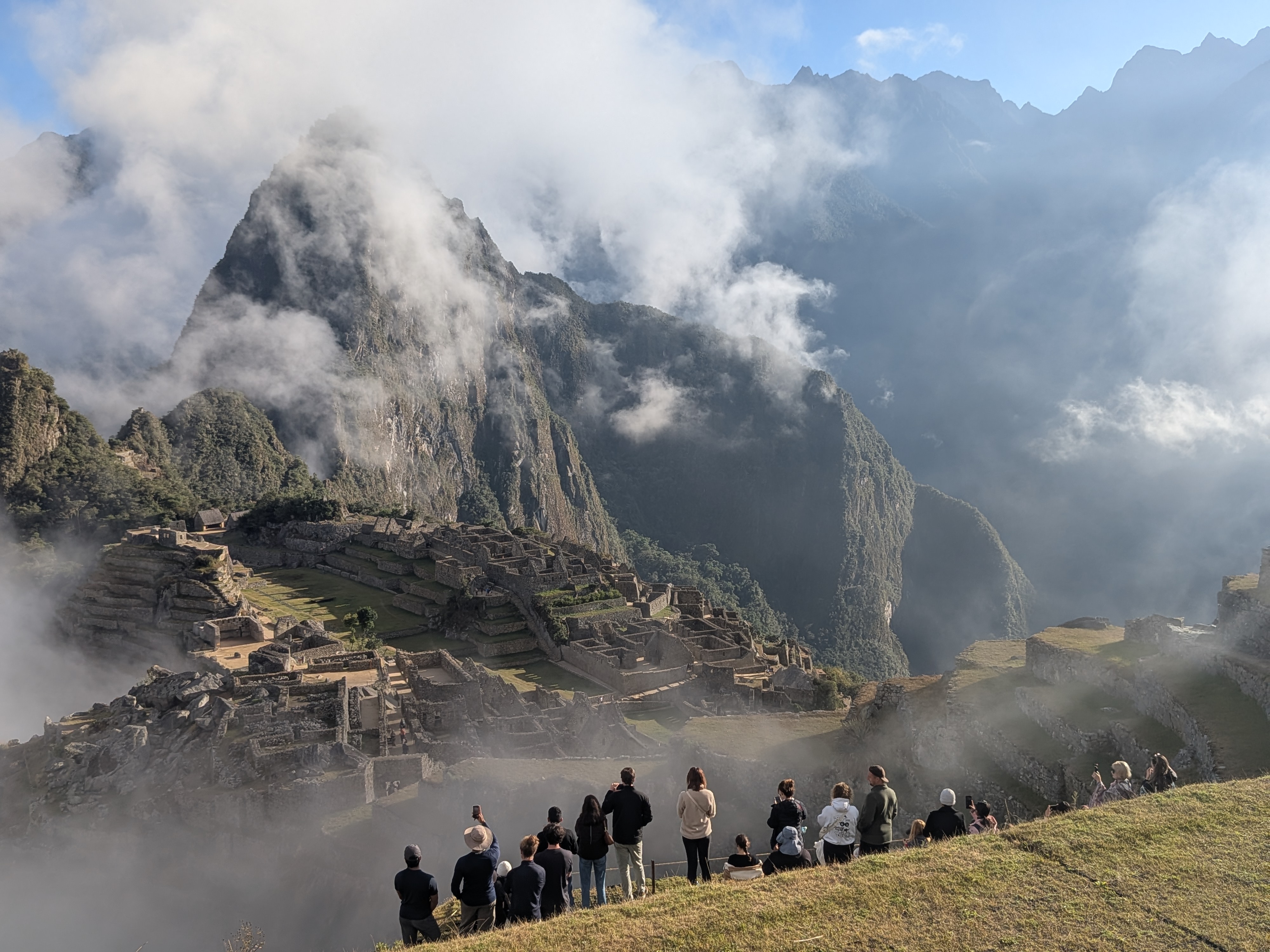
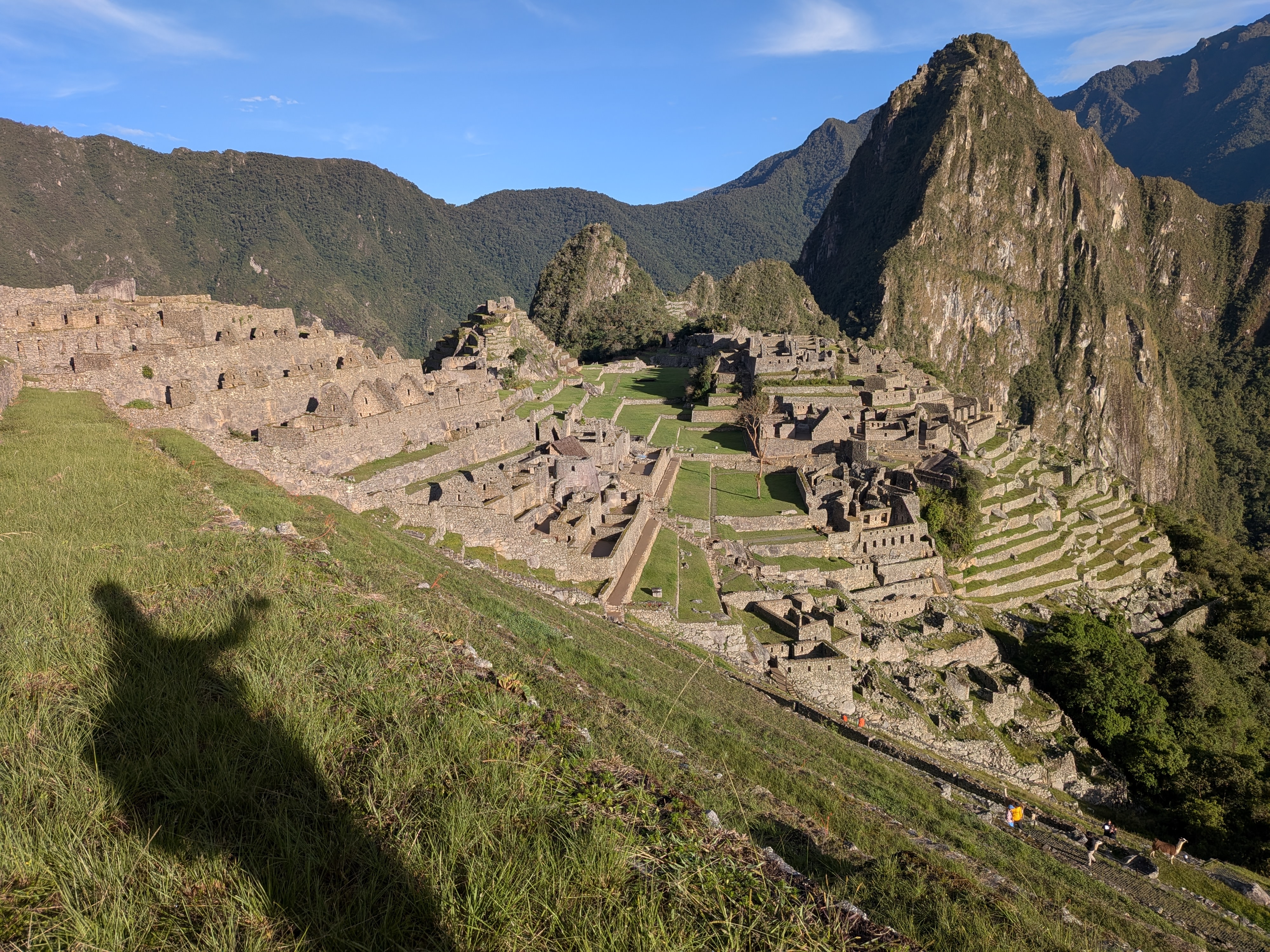
It does take you up to the highest ridge in Machu Picchu, and offers the iconic views that everybody thinks of when thinking of Machu Picchu. There is not a lot of history to the hike up, so I do not believe a guide is necessary for this circuit. Most people just take it so they can get that iconic view of the sight in person. There are a couple of offshoots to the circuit that you can add if you wish to make the hike a little more exciting such as going up the path past the ruins to the top of the mountain path that was first used to get into the sight. It is worth the views, but that is really the only thing that makes this circuit worth it. If you are taking this circuit, I would recommend to get it as early in the morning that you can because this is when the least amount of people will be on the path. It also allows you to be up there during the sunrise which is one of the most magical times of the day at Machu Picchu. When I went, we were a part of the 6:00 group, and the whole sight was blanketed in a cloud. I thought it was going to be a complete bust, but the sun came up and slowly burned away the clouds, making for a dramatic reveal of Machu Picchu that I will never forget. This was also during the end of July when the sun is powerful enough to break up the clouds. If you are planning on going during the rainy season, December through February, the clouds might be too thick, and I have heard that they sometimes stick around all day.

Circuit 2

Circuit 2 starts at the same place as Circuit 1, but it heads into the sight quickly instead of skirting around just outside of the spectacular views of the sight. It still goes up the terraces to some amazing spots with great views, and it is worth getting there early so you can look over Machu Picchu before all of the other tourists arrive and start to fill it in. The pictures are not as dramatic as they are when you are looking down at Machu Picchu from the perch on Circuit 1, but there are still plenty of spots that have great views.

The circuit is basically a big circle that will eventually take you down into the sight, taking a bigger loop around the central part of the sight than Circuit 3 will. There are a few important places that Circuit 2 will take you to that are interesting, but sometimes you will not know about their significance, so if you are only able to get tickets to this circuit, hiring a guide would be suggested because they will be able to explain to you more of what you are seeing, and they will also point out things that you might have missed if you did not have one.

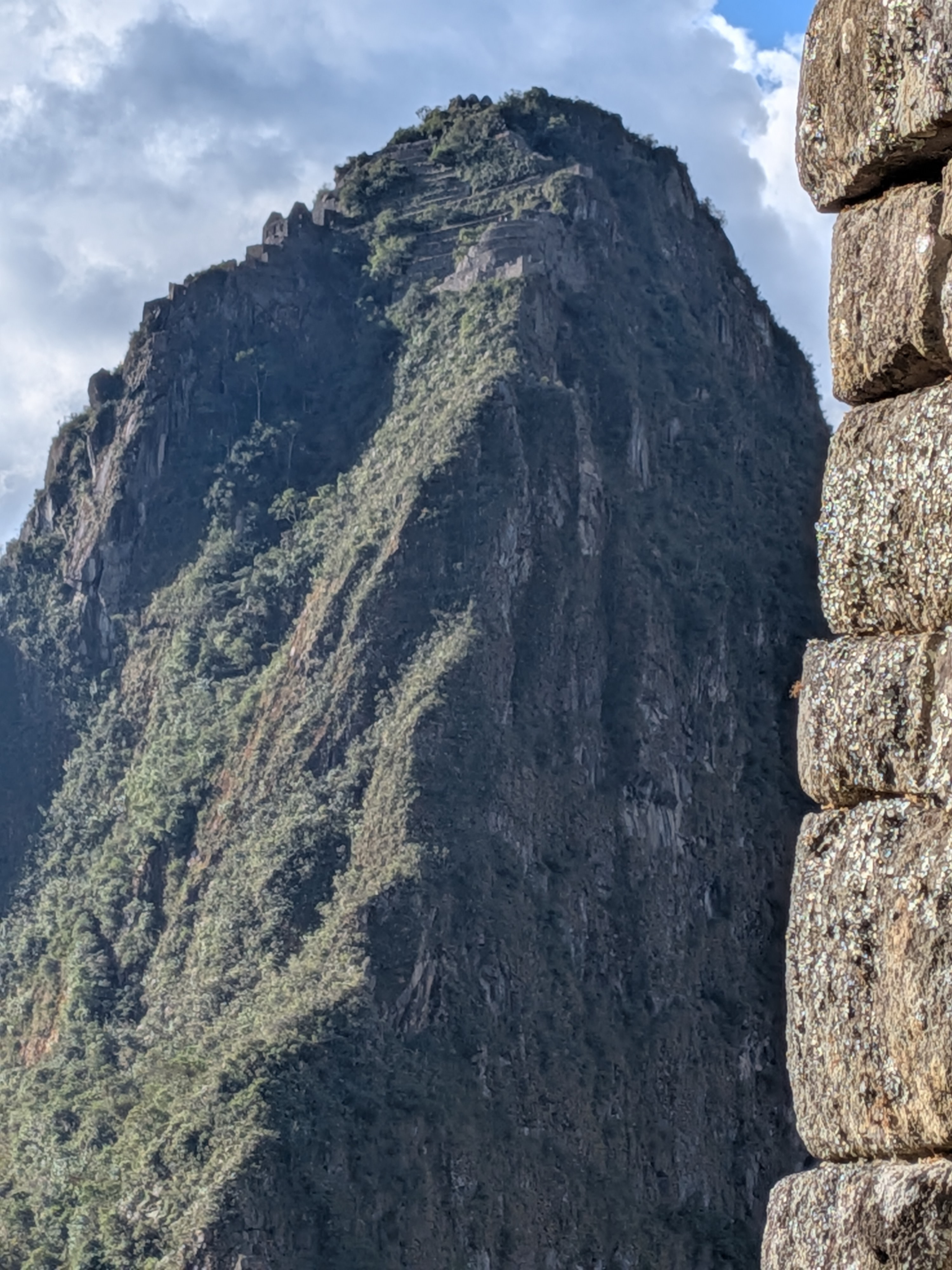
There is an extension that you can add on to Circuit 2 that is for the more serious hikers. It takes hikers up Huayna Picchu (also spelled Wayna Picchu). This is the pointy mountain that is usually pictured when people look at Machu Picchu. Most of those pictures do not reveal some more structures that are on top of this mountain that people can hike up to. The hike itself takes one to two hours to complete and it is not for the more casual hiker. It does take people straight up the mountain over some rougher terrain, but the views from up there are seldom seem by people coming out to Machu Picchu, and it might be something you would want to consider if you are in good shape.

Circuit 3

Circuit 3 has its own entrance into the sight, and it is the one that I enjoy the most. It takes visitors out to the terraces just like the other two hikes, but this is the one that will eventually take you into the heart of Machu Picchu. The circuit is a lot of up and down that takes people over the original steps of Machu Picchu, some of them easier to traverse than others, but all of them can be handled by most people. Just know that you will need to exert yourself some if you do take this route.

This is also the route that has the most history and stories to tell. I would highly recommend getting a guide during this section because they will really make it come to life, and most of them know how and where to take the perfect picture of you in the majesty of Machu Picchu. You can find many of the guides waiting outside of the entrance to Circuit 3 or down at the bus stop in Aguas Calientes, but make sure you ask how much they will cost before you hire one. I would also recommend that you talk with them for a bit to see how well they speak the language that you would like your tour in. All of the guides are multi-lingual, but sometimes an accent or pronunciation of certain can make some of them hard to follow, and you would like to know that before you are already on the trail with them.

Circuit 3 does offer some views, but none of them as amazing as the ones that you will see in Circuit 1 or 2. This is why I would suggest that you schedule at least two different tours. I would start off with Circuit 3 with a guide who will give you the background knowledge that you need so you can take one of the other circuits on your own and know enough about what you are seeing and why you are enjoying it. I would also spread the circuits over two days, one in the afternoon and one in the morning. This way you can see what Machu Picchu has to offer during the different times of the day. If you plan it right, you can minimize the time you have to spend in Aguas Calientes because out of all of the towns you can stay in the Sacred Valley, this is the one that is the least interesting. It is more exciting to take that twenty minute bus ride up to Machu Picchu and see the real attraction of the area.

Machu Picchu is an amazing sight, and it can easily be seen why it is on people’s bucket lists. If you are going to scratch it off your list, make the most of it by choosing the circuit that is best for you. Until next time, keep adding to that bucket list, but make sure you are crossing off things on it as well.

Lunahuana – An Experiential Vacation

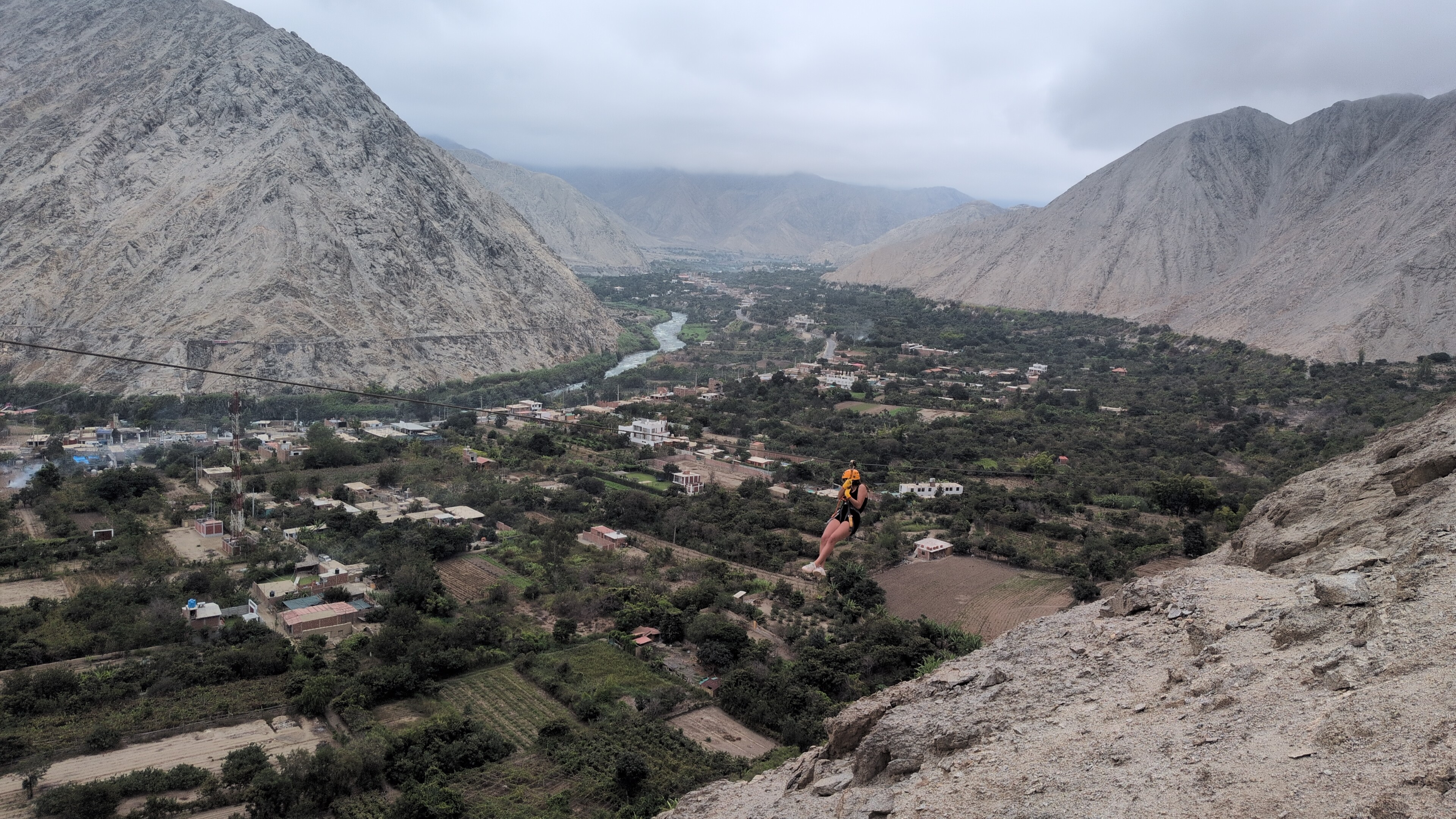
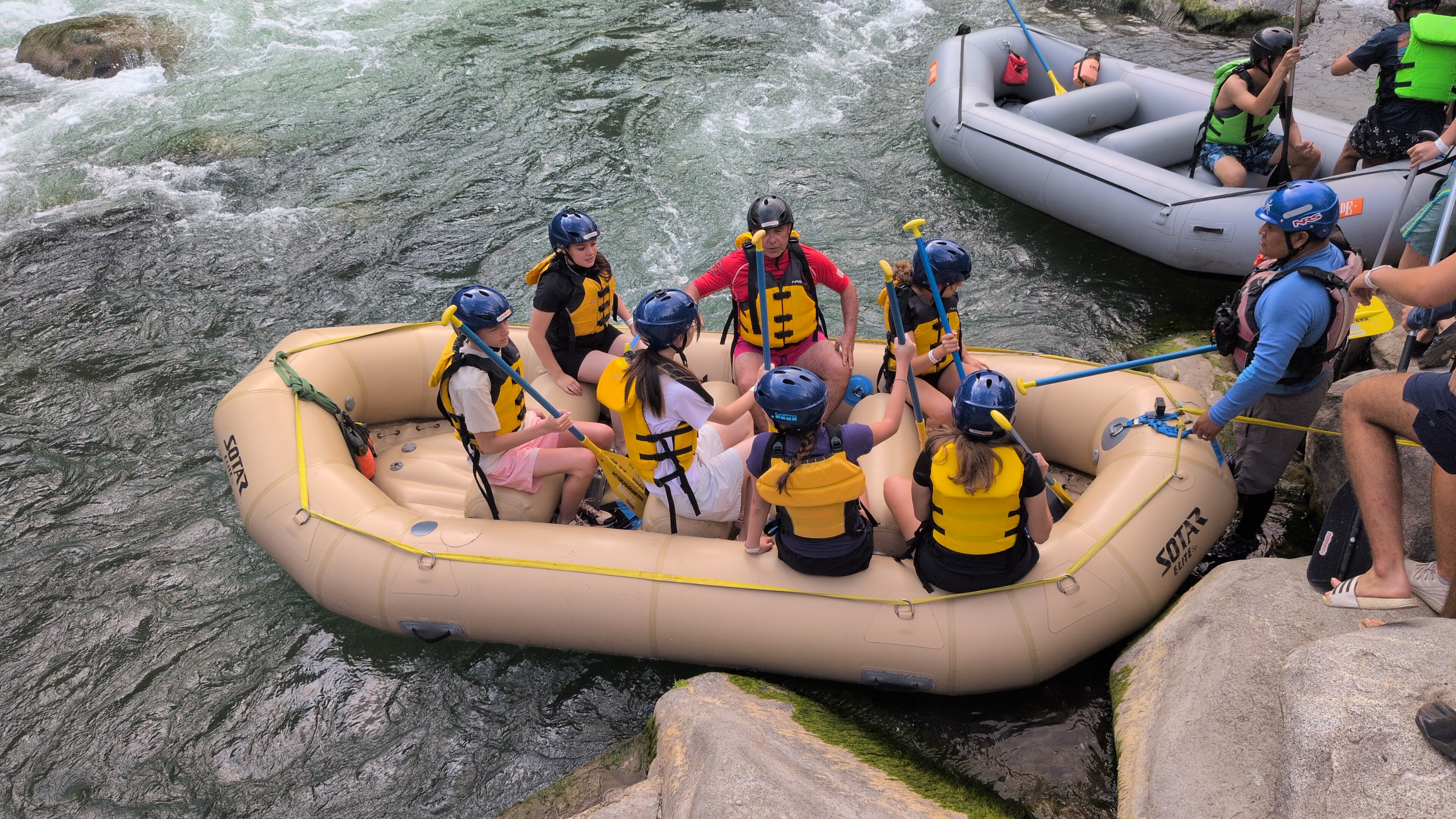
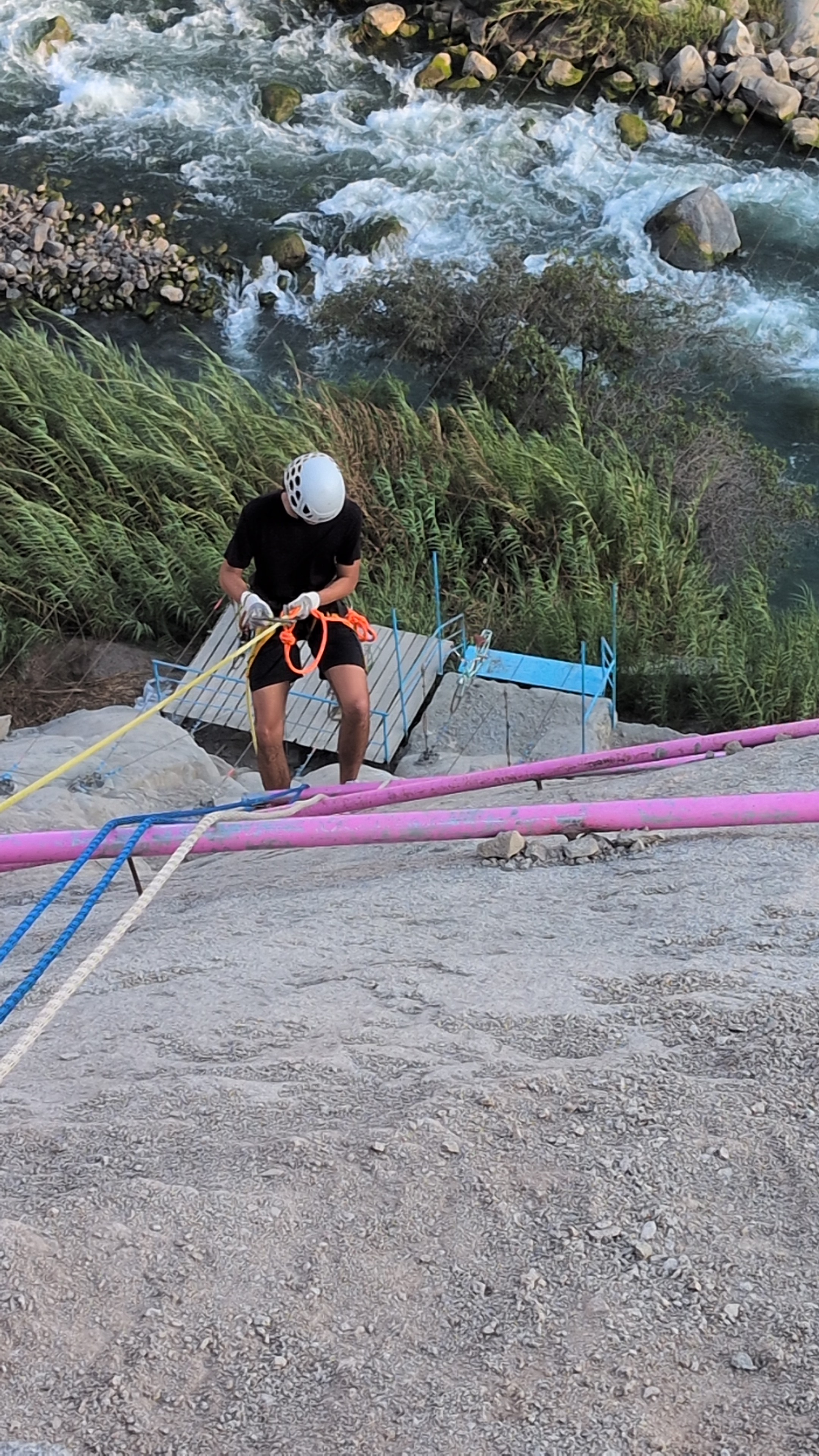
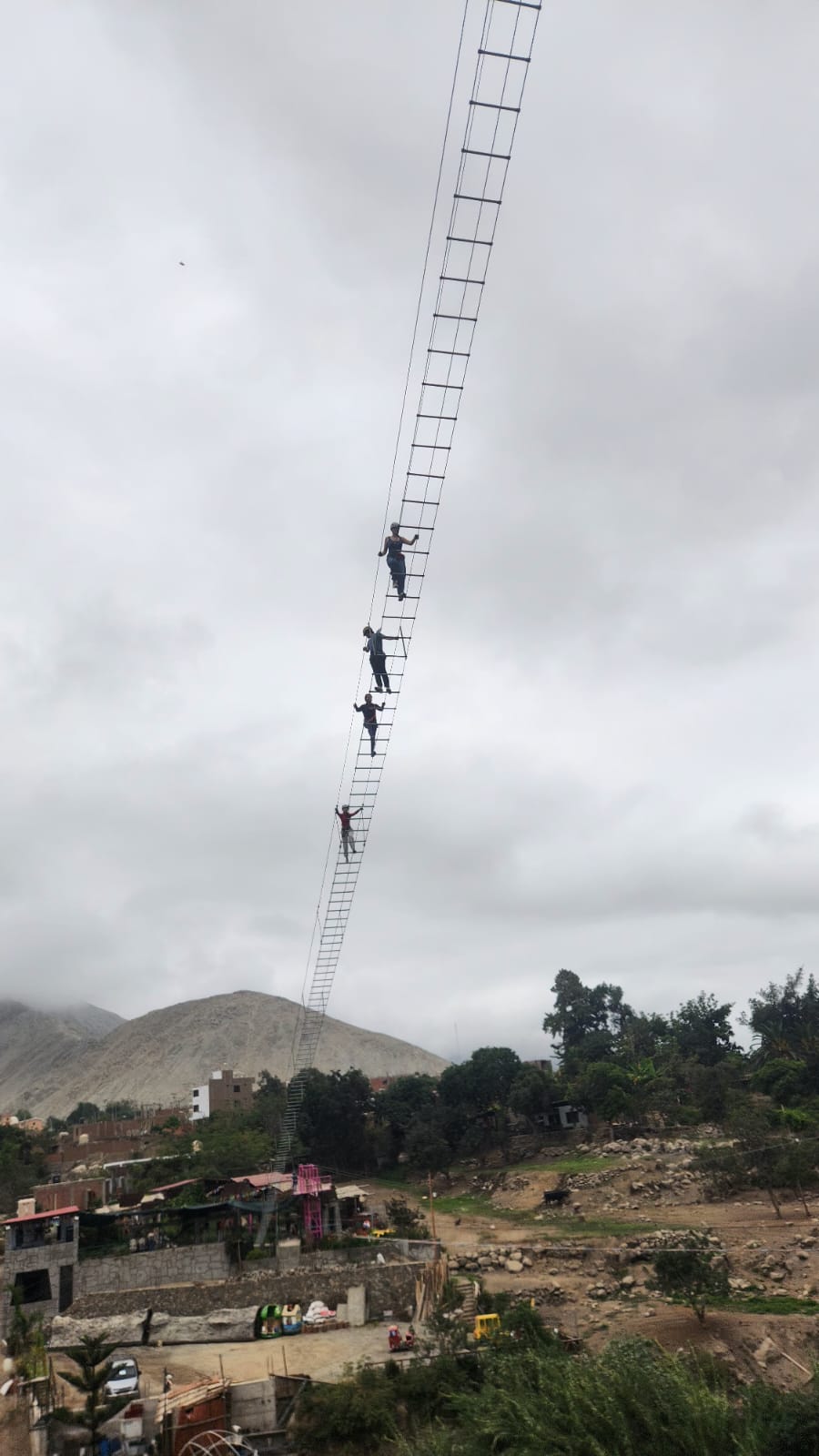
I recently asked one of my students where people traveled to in Peru. He rolled his eyes, looked at me, and instantly said Cusco. I realized my mistake, and asked for clarification; where did Peruvians go to for their getaways. He talk about many spots along the coast, and then mentioned one spot not far in the Andes where Peruvians went in the Andes mountains not far away from the coast where some went to play on the river or around the surrounding mountains. There are ruins, and playgrounds set up for both children and adults. It is not well known by people outside of Peru, but it is a great getaway for those that live in Lima. I got to learn about all it had to offer as I took my students out on an experiential education trip to this region of the Andes Mountains.

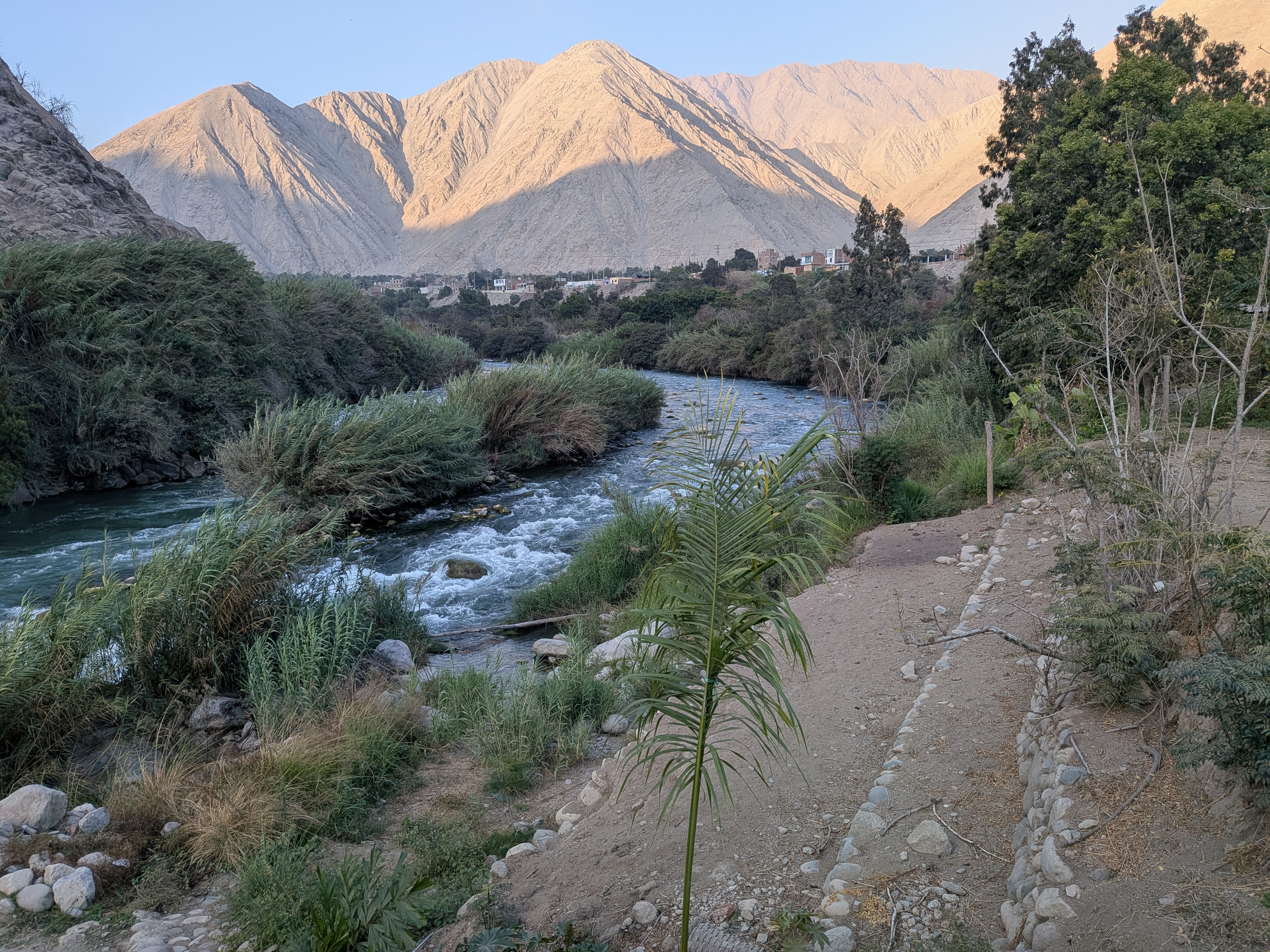
There are many things to do in this valley, and a bunch of vans to take you up and down the main road that follows the river to take you to these activities. The travel only takes fifteen minutes at most from the furthest away hotel, and some of the hotels even have some of these activities available on their grounds. All of the activities are great outdoor experiences throughout the year because even in the coldest months, it is still warm enough to enjoy these activities.

The biggest problem with the whole area though is the river. There is always water in a very dry climate, and this creates the perfect conditions for mosquitoes. They are all over the place, and they are hungry. If you come to this part of Peru, remember to bring your bug spray because you will want it to keep these critters away. I had not sprayed any on me when I first arrived, and I had my one bottle hidden in the bottom of my suitcase. I thought I would be okay, but the bugs just saw fresh meat and they were all over my legs within seconds. There are still welts all over my body from those first few moments that I arrived, and I am sending out that warning to anyone that comes.

Do not let the bugs discourage you from coming. As soon as you lather yourself in the bug spray, the activities are a joy. There is rock climbing, high ropes courses, zip-lining, kayaking, rafting, bird-watching, camping, ruin exploration, and just taking a stroll along the river. Each of the activities take about an hour or two to accomplish which makes for the perfect trip experience where you take on a challenge in the morning, head back to the hotel for some downtime, and then heading back out for a completely different experience in the afternoon. It makes for the perfect balance of fun and relaxation so you can come back from the trip feeling refreshed and yet having experienced something that you can hold in your memories.

It is definitely not the first place you should choose if you are coming out to Peru. Go to the Sacred Valley if this is your first trip out here. But for those who live in Lima, and have done all of the big things that Peru has to offer, and are looking for something new and exciting, Lunahuana is a great place to consider. It will give you a unique experience out in this country that you might not have thought to have in the first place.

Ballestas Islands – A Morning Boat Tour

Paracas is not one of the top destinations for people visiting Peru and who only have a week or two, but for those who spend time in the country, they find a way to make it down to this beach town. The town itself does not boast anything special that you could not find in any beach resort anywhere in the world. There are numerous restaurants, and sandy beaches, but it is when you get out of the town and look at the sights a little distant from the shores that you discover what Paracas really has to offer.
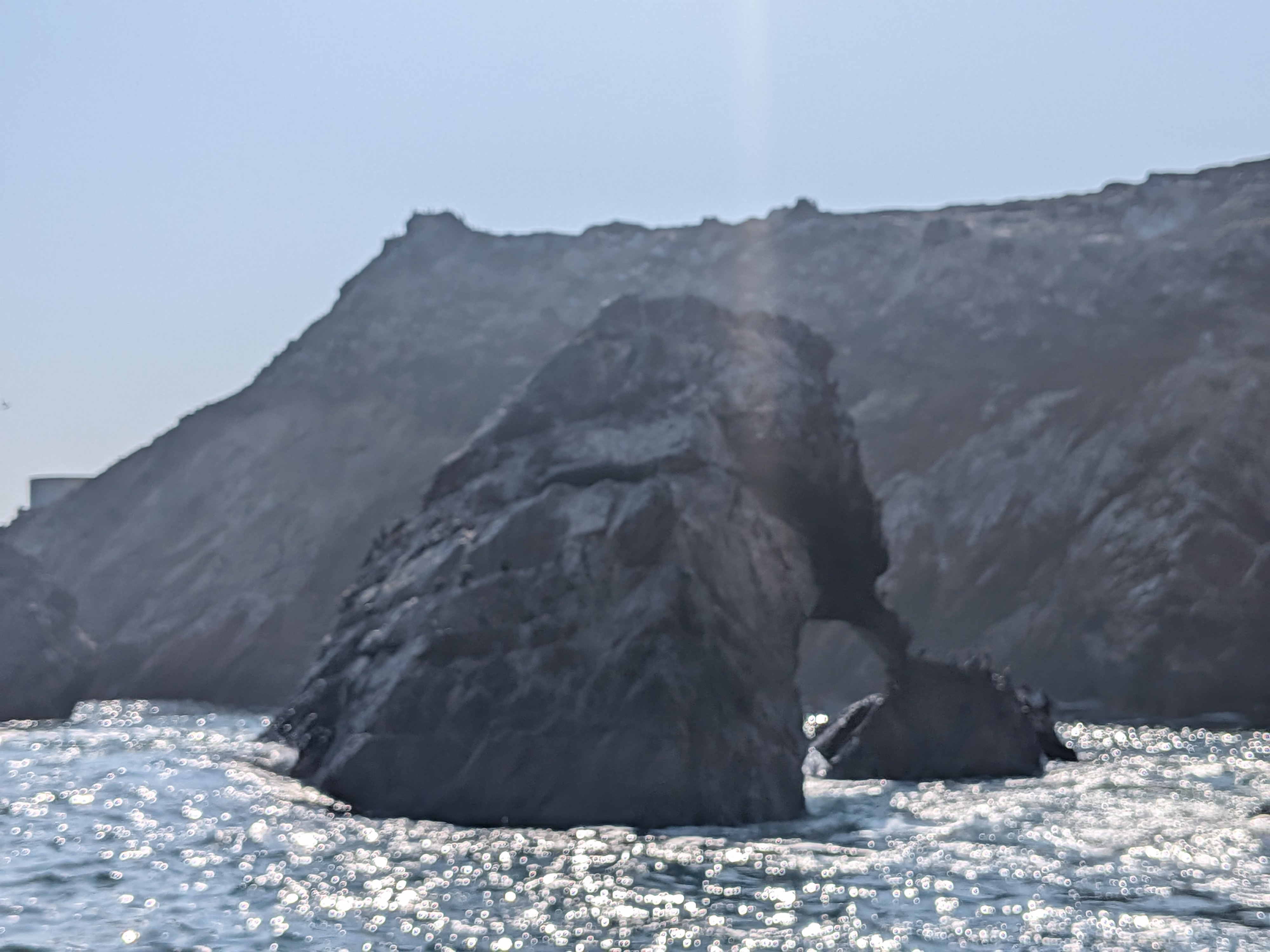
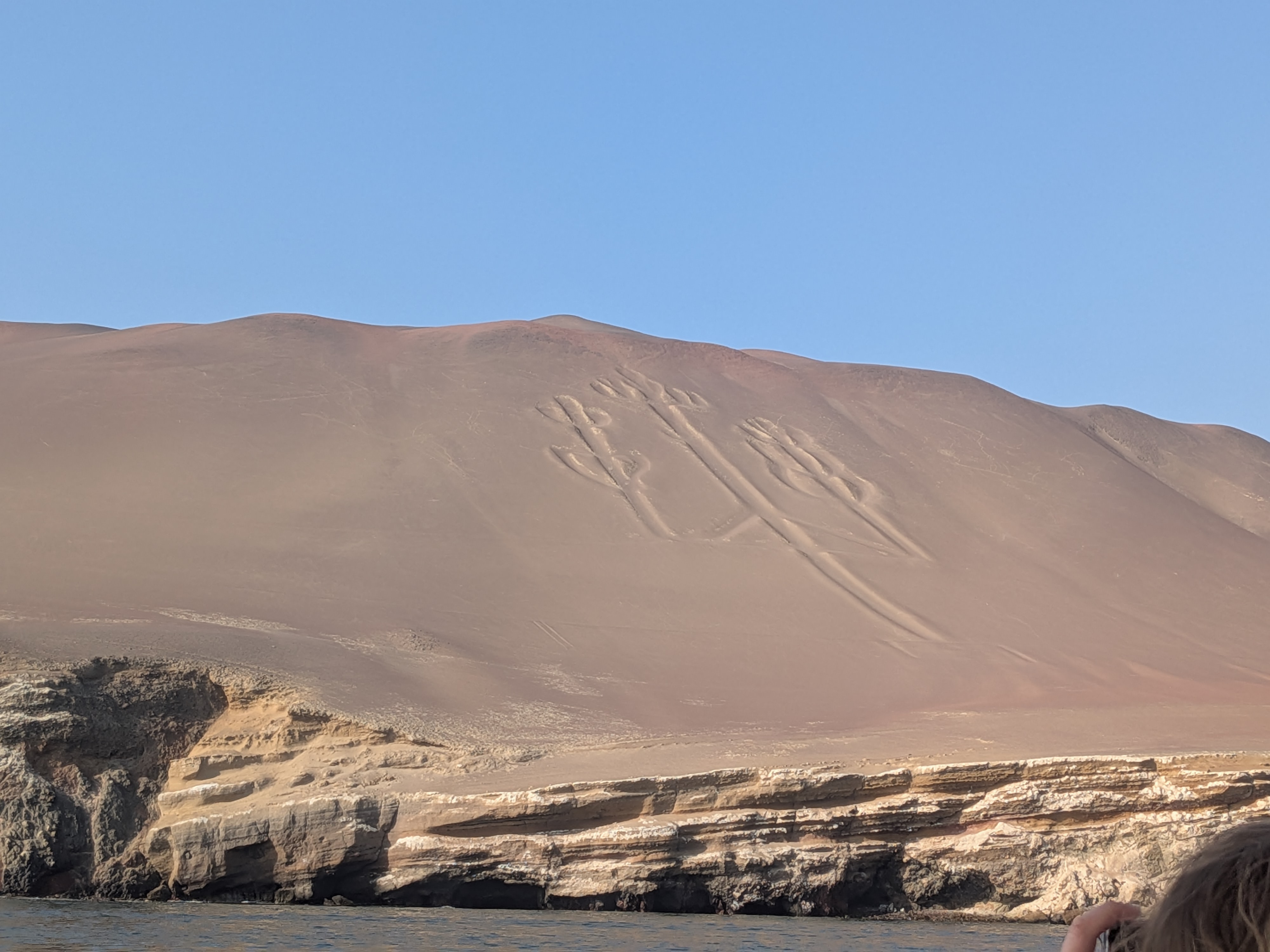
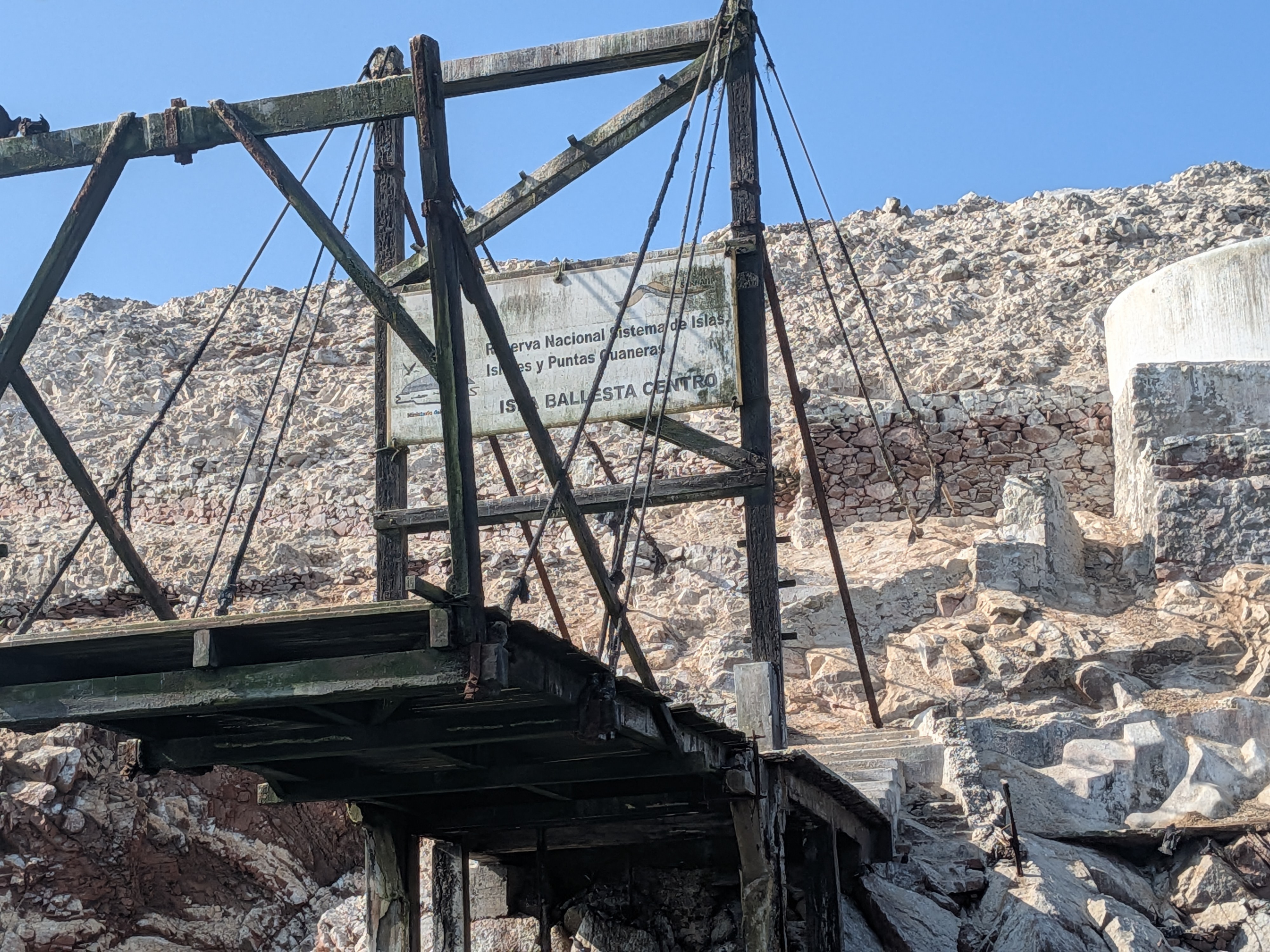
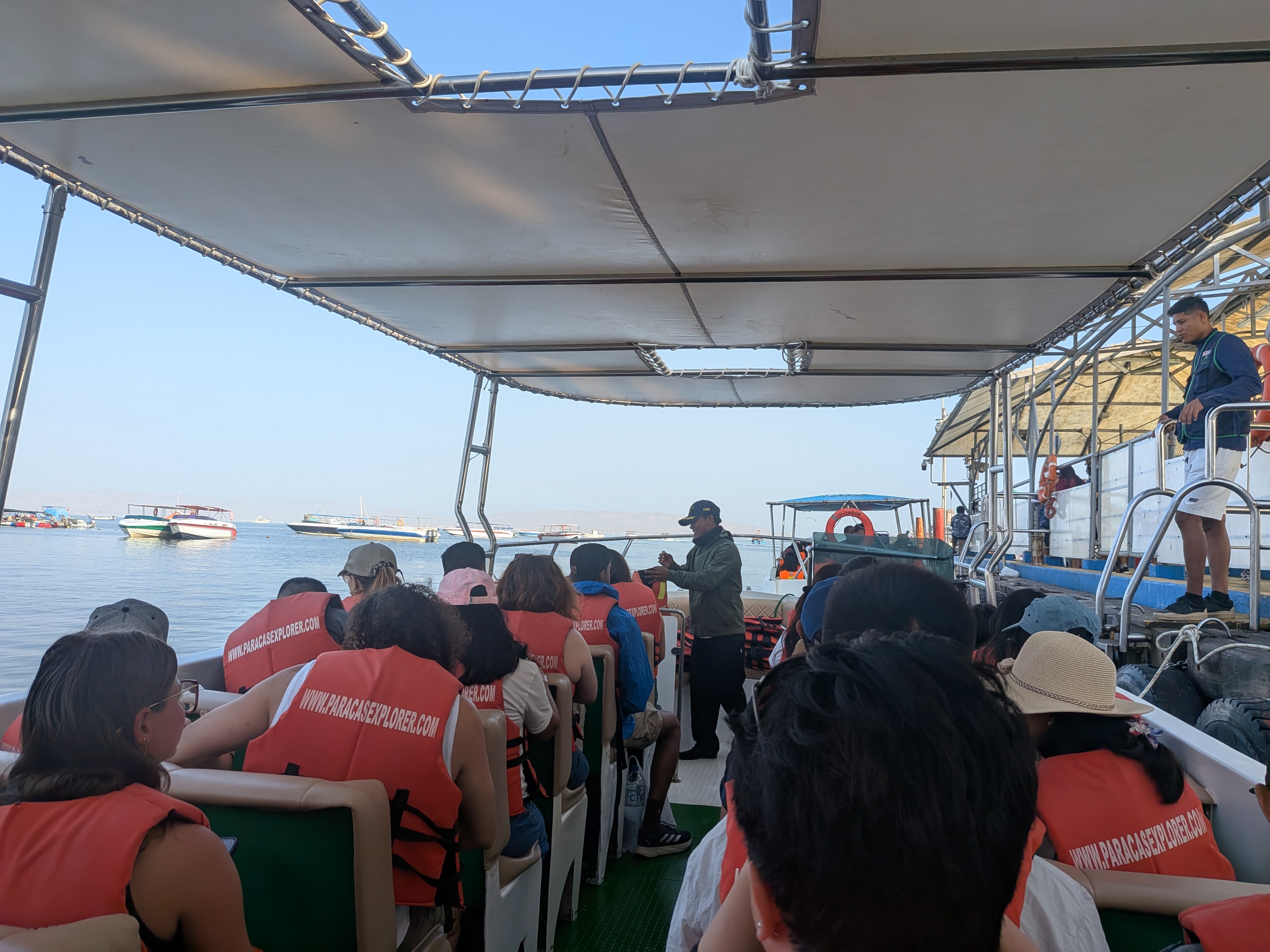
One of the things that many people do is to take a boat trip out to the Ballestas Islands, a group of two jagged outcropping that was once used to harvest guano and brought to Peru many riches. It has since been taken over by the government and kept as a nature reserve that you can take a two-hour boat ride out there to see the various animals that now overrun the islands. It is often called the poor man’s Galapagos, and though the islands are rich with animals, you cannot see the diversity that Darwin discovered that made the other island chain as famous as it is today. Still for only twenty U.S. dollars, you can enjoy a nice morning traveling around the islands and watching the birds, crabs and sea lions that call it home. It will also take you along the coast of Peru where you can witness one of its more famous Nazca lines, strange traces in the earth all along Peru that were left behind by an earlier civilization and nobody knows much about except they are cool to look at.

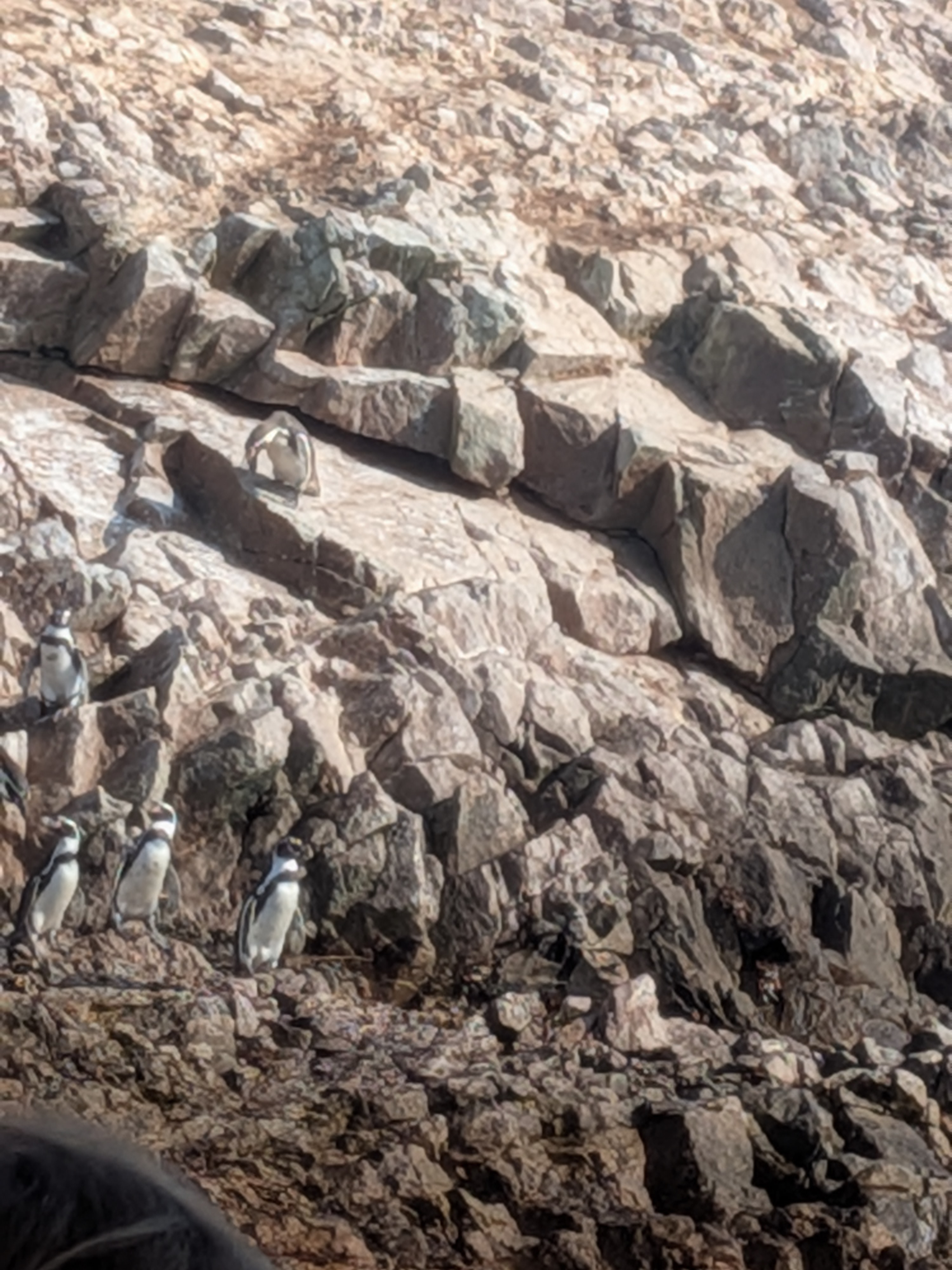
The islands itself is best visited in the months of December through March because that is when the wildlife is out their in abundance. It is the perfect place to look for penguins as they jumps their way over the rocky cliffs and jump into the water to go for a swim.

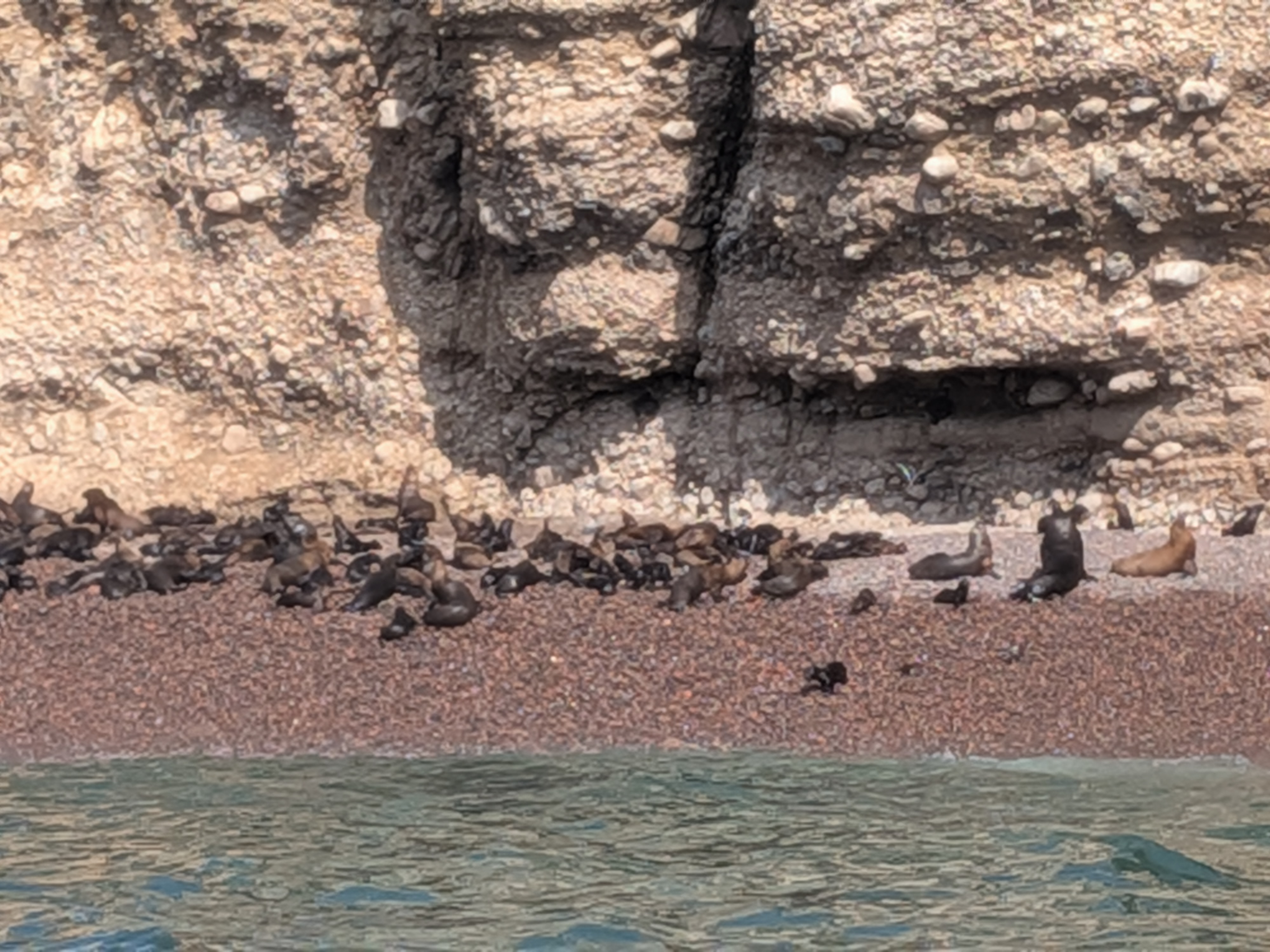
It is also the time of the year when the sea lion are out there engaging in their mating rituals. They will move off to warmer waters soon afterwards, but at the end of March, they are engaged in raising their newly born children and relaxing on the beaches that are a part of this island.

It is not always the perfect nature reserve though. There are still the remnants of a time when humans controlled the islands. Most of these ruins have been left behind, but the Peruvian government has built up a couple of the buildings so a couple of people couple work there to make sure that they could conserve the area of this preserve and make sure nobody came along to destroy the delicate balance of nature that is left behind.

Though many people who make their way out to Peru will never witness this little piece of paradise, it is a nice spot to go to for those who are willing to spend a little more time out in the area. It is easily the biggest highlight on a trip to Paracas and one you should consider if your path takes you our here during the months of December through March.

At the End of the Americas: My Time in Patagonia

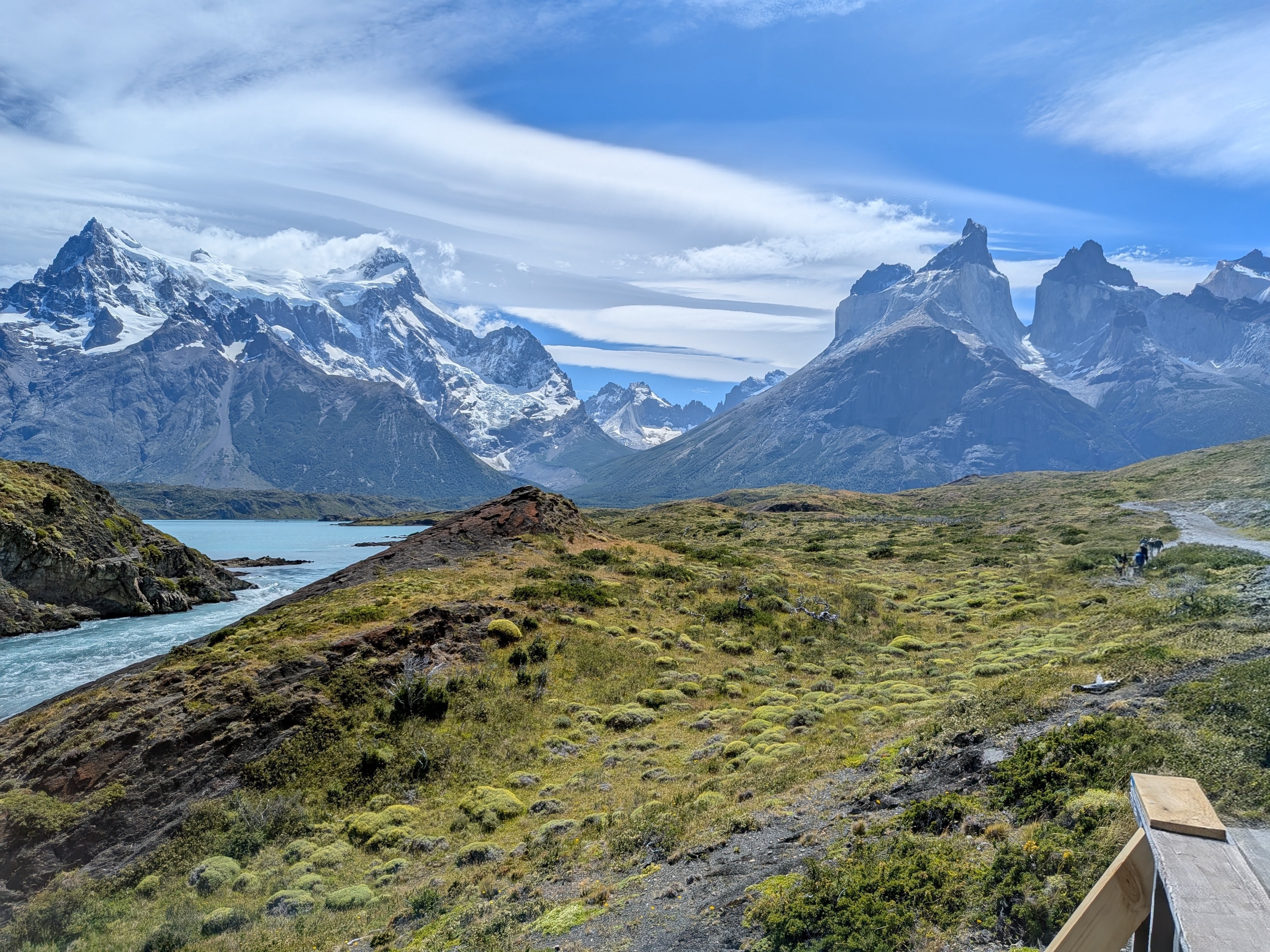
It was not exactly what I was thinking of when I think of Summer Break. Most of the time I get visions of hot weather, lying on the beach, and roaming around the world. Of course, most of the time when I think of Summer Break, this happens during the months of June, July, and August, not January and February. Then again, I had never lived in the southern hemisphere, and never really thought of this time of the year as the summertime, so when I got to my first Summer Break, I thought of the one place where I could visit that would let me experience the travel fun of Summer Break, but give me a little chill that I have become accustomed to this time of the year, and the place that was closest to me where I could achieve this goal was Patagonia, the very southern tip of South America where summer does happen, but more like I would see if I had visited Alaska, or some place in Scandinavia.

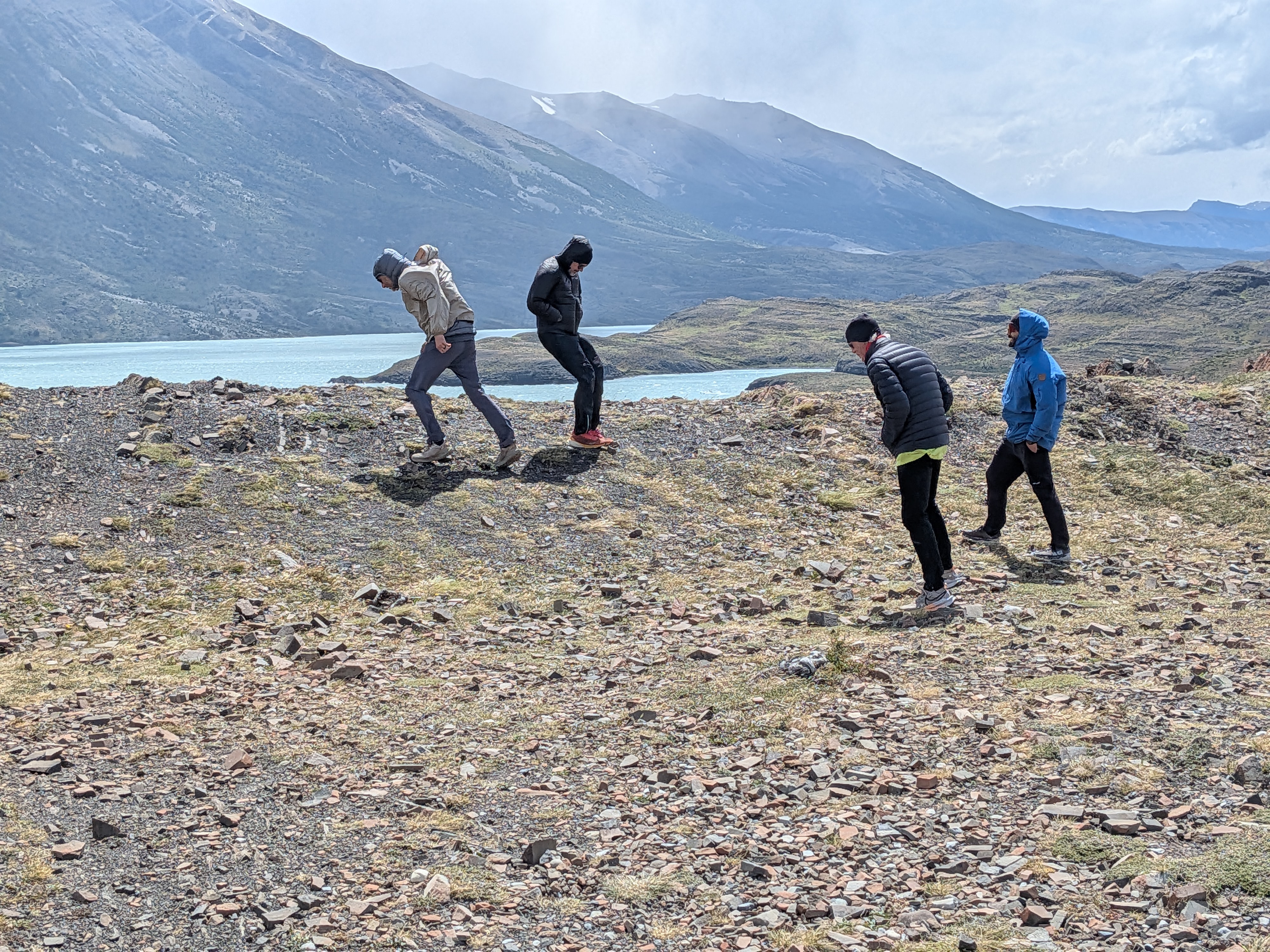
When I thought of going to a place where the sun set for only a couple of hours a night, and the weather of summer does not reach as well as some other place closer to the equator, I had visions of my time spent in Iceland. It was amazing, but it is also a hard place to stay in. We had encountered a lot of rain there, and the wind can be brutal. I was pleasantly surprised to not see the same thing in Patagonia though we did have some rain, and one day of brutal wind. It was so bad that things would just blow off of us and disappear over the mountain ridge. Also when renting our car, they showed us how to open up the doors to prevent the wind catching them and blowing them off the car.

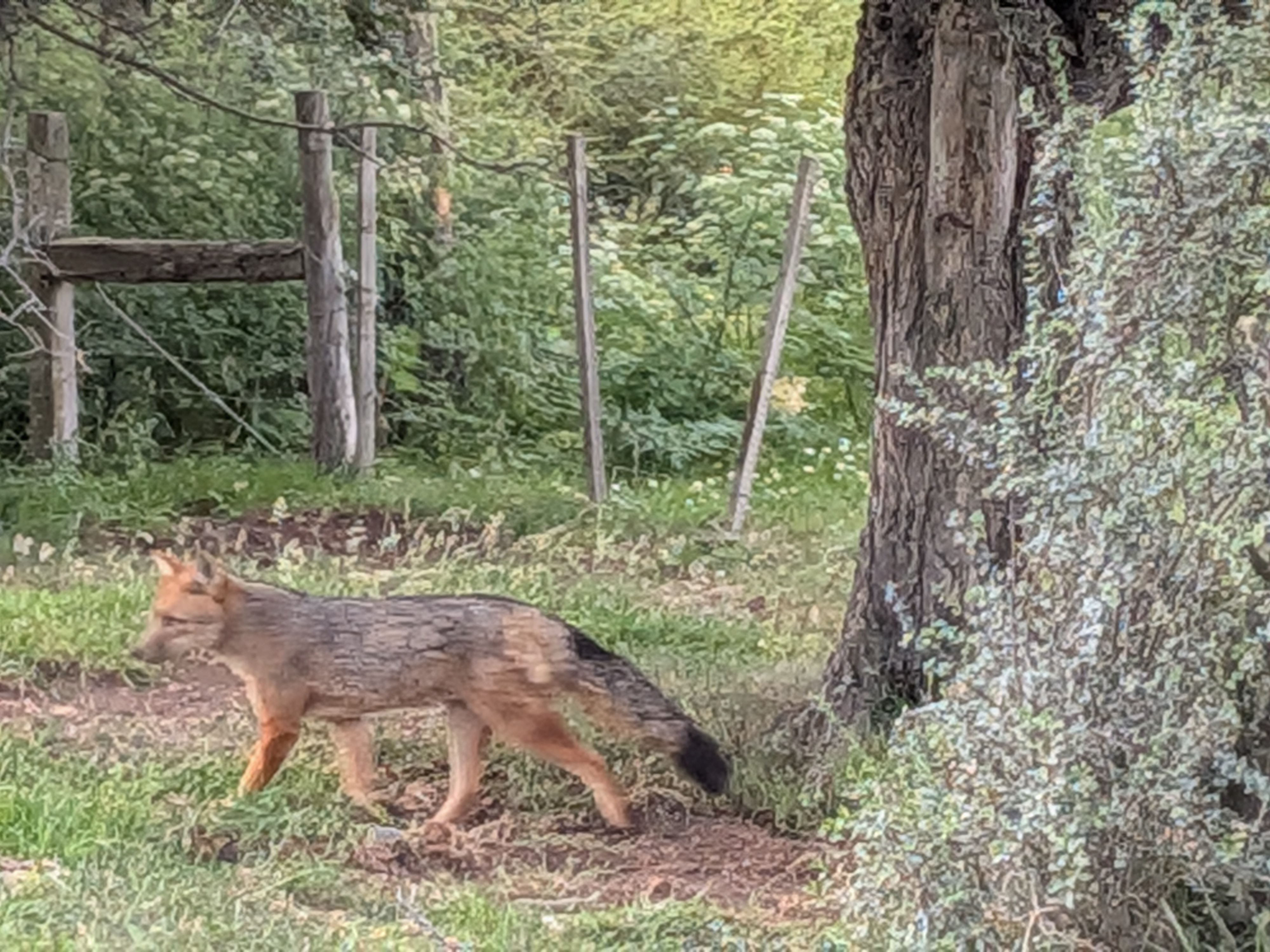
Despite the possibility of harsh conditions, life is still able to find a way. I know I should not have been surprised by all of the wildlife that I would find out there, it still shocked me. The animals varied from guanaco, a large relative to the llama, to the fox, to the condor, and even puma which we were not fortunate to see. Still, almost every day out there we encountered an animal that was living its best life despite the fact that they also had to contend with the wind, and rain, and probably even harsher conditions when it is no longer summer.

Even though we had some amazing days, it still did not feel like summer. A lot of that probably had to do with the fact that we had to always carry layers of clothes with us wherever we went. At any time the weather could go from sunny and warm to windy and cold, and if I did not have a rain coat with me at all times, there was the possibility of getting drenched in a torrential downpour. It just meant that we had to do a little extra planning every day before we left our place to go and adventure out into the exciting things we could find at the tip of the Americas.

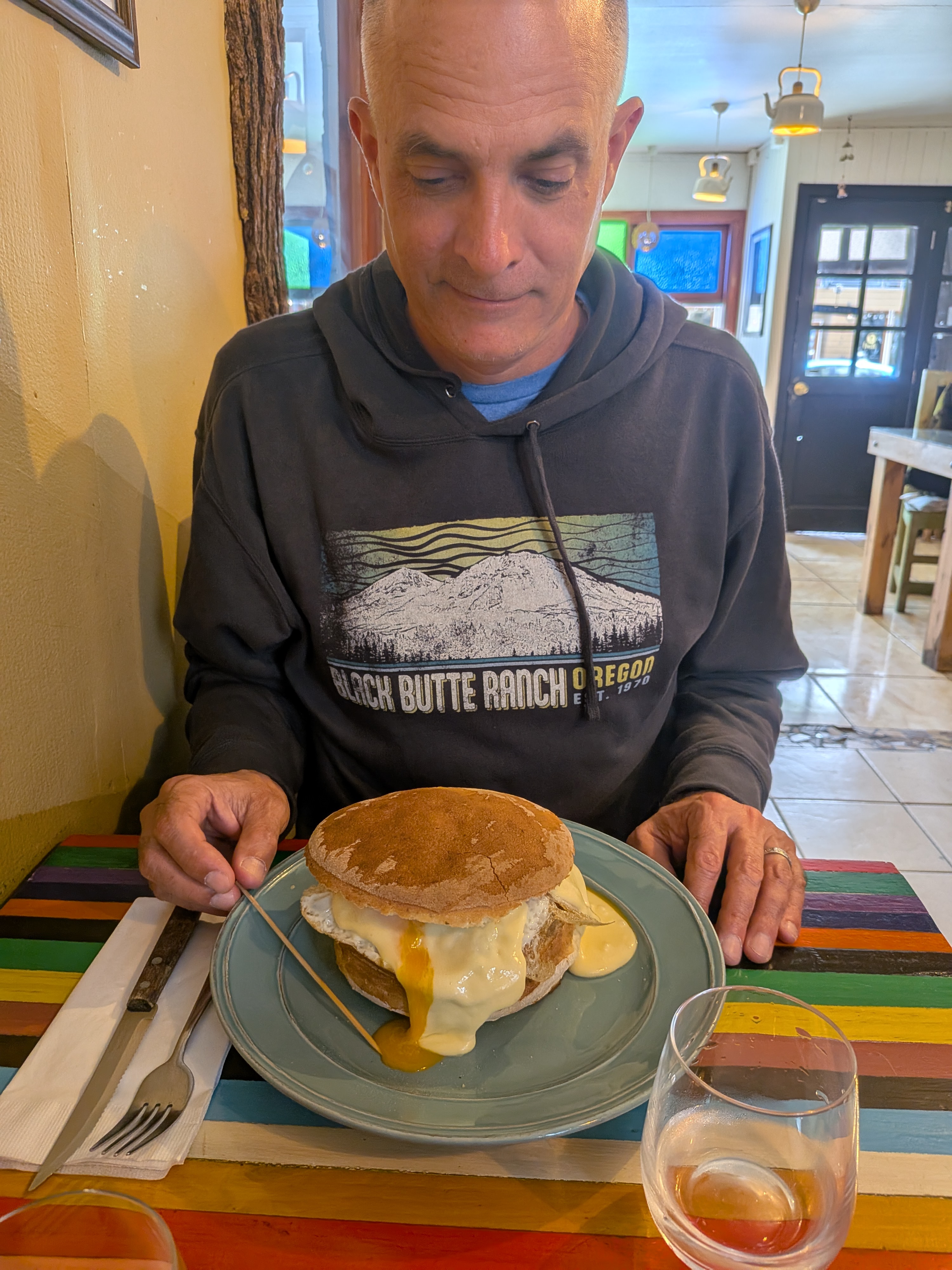
And the surprises came from many places other than the natural beauty that we came out there to see. I will be honest that I did not have grand expectations for the food. It is not like Chile and Argentina are either known for their cuisine, and coming from Peru meant that there would probably be a step down in the quality of food. This was not always the case. I was able to have parrilla which is a grilled food where you see whole animals slowly rotating over an open fire, and that was spectacular. But I was also able to find great seafood, bar-b-q, and some sandwiches that were nothing like I had ever had before. I still do not know how to describe the cuisine in Patagonia, but I can tell you that there are some places, especially in Puerto Natalis, that are delicious, and can compete with many other countries out there.

I also thought that the language would not be that big of a barrier considering that I am starting to pick up a little Spanish. I would even go as far as to say that my Spanglish es muy bueno. Spanish is the main language used in this part of the world, and I was able to get by okay when reading it. It was when I had to interact with the locals that my limited Spanish did not do so well. I have gotten used to the Peruvian accent, and the Chilean and Argentinian accents are dramatically different. I have to really concentrate on what people were saying, and I still could not get it because of this barrier. Still, it is a big tourist destination, and there was plenty of English spoken in the region, so it never prevented me from having a great time.

I was also surprised by the amount of German I found there. I am not talking about German visitors because that happens everywhere in the world. I am talking about the German influence that can be found in this part of the world. There were German towns filled with German architecture serving German food. I was not aware that the German people were also some of the ones who immigrated to this part of the world, and I knew that after World War II that some Germans came out here. But I never thought that I would see their influence in the towns, and people.

After a while, I started to look closely at all of my surroundings, looking for those surprises. They started to pop up all over the place, one part familiar, and yet at the same time exotic enough to remind me that I was in a different place, experiencing a season during the time of the year I was not expecting it. The whole trip became another moment of wonder and made Patagonia one of those places that I will carry with me wherever I go.

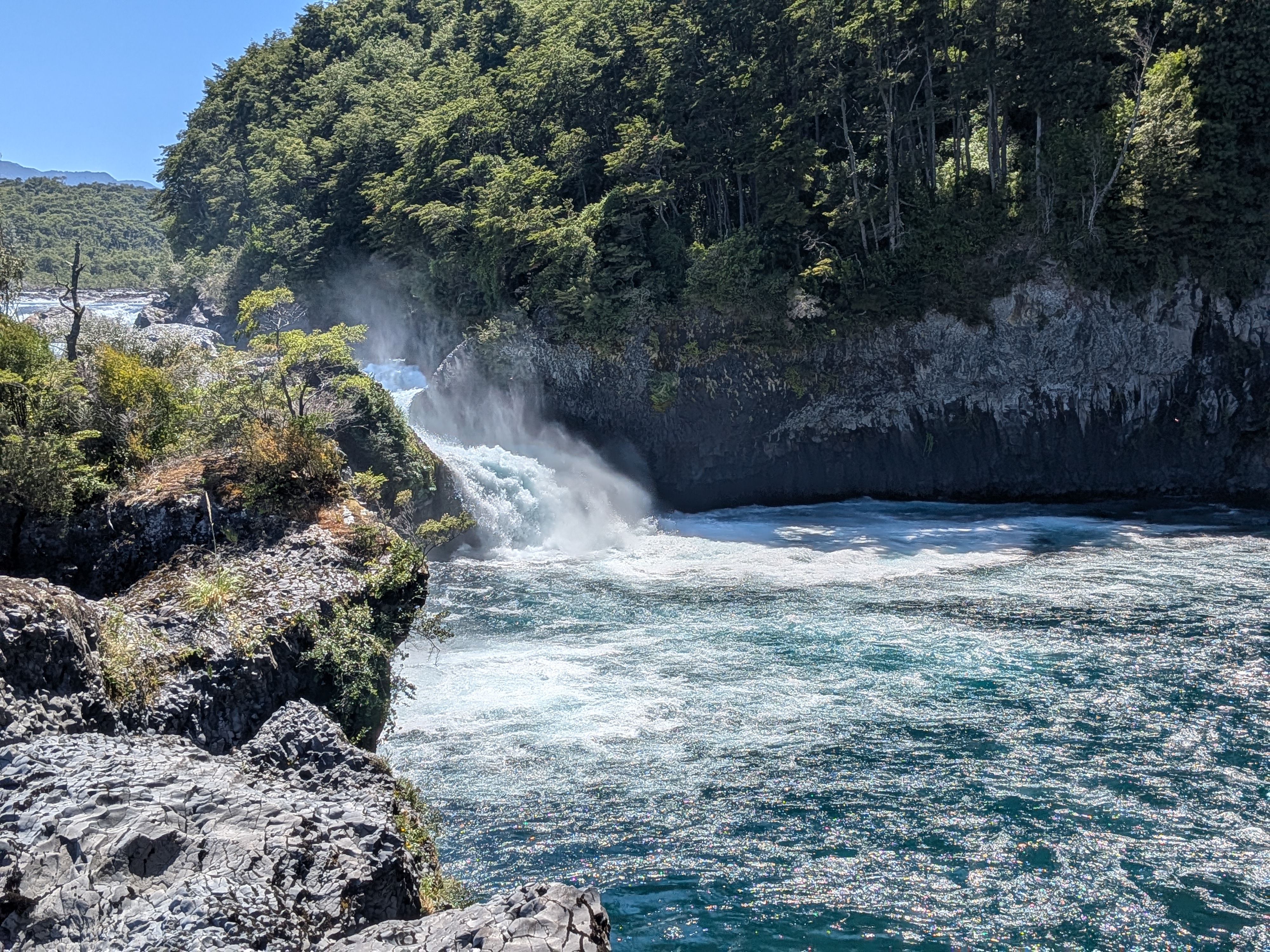
Of course, the real attraction to this part of the world is the natural beauty. It seems as if Patagonia is one of the untouched places left in the world. Yes, there are the towns filled with restaurants and hotels, but they are a ways from the natural attractions that can be found out there. Tours do come through to drop off a bunch of tourists. Still, if you plan your time right, you can find yourself in some spectacular locations where it feels like you are the only ones there.

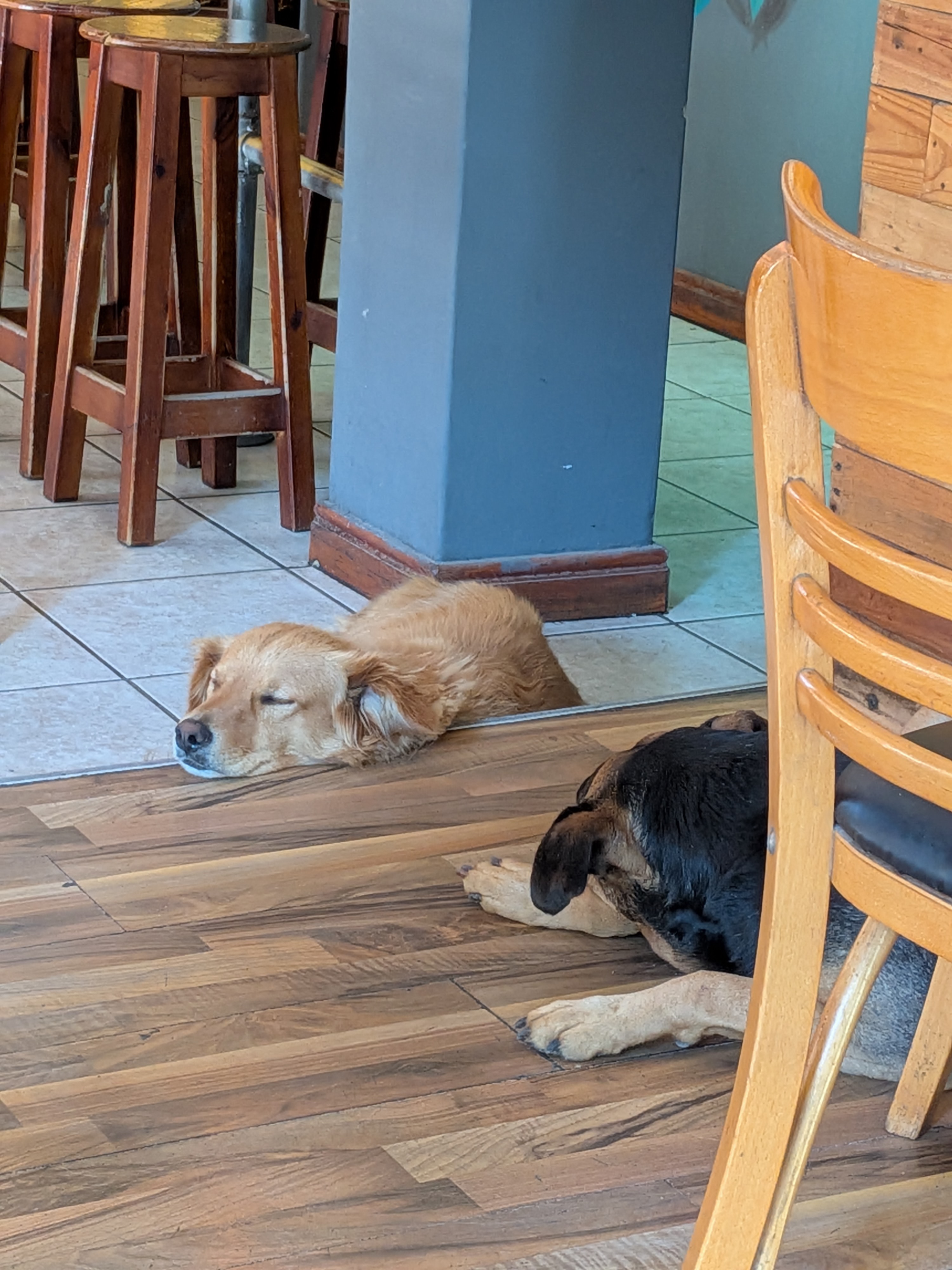
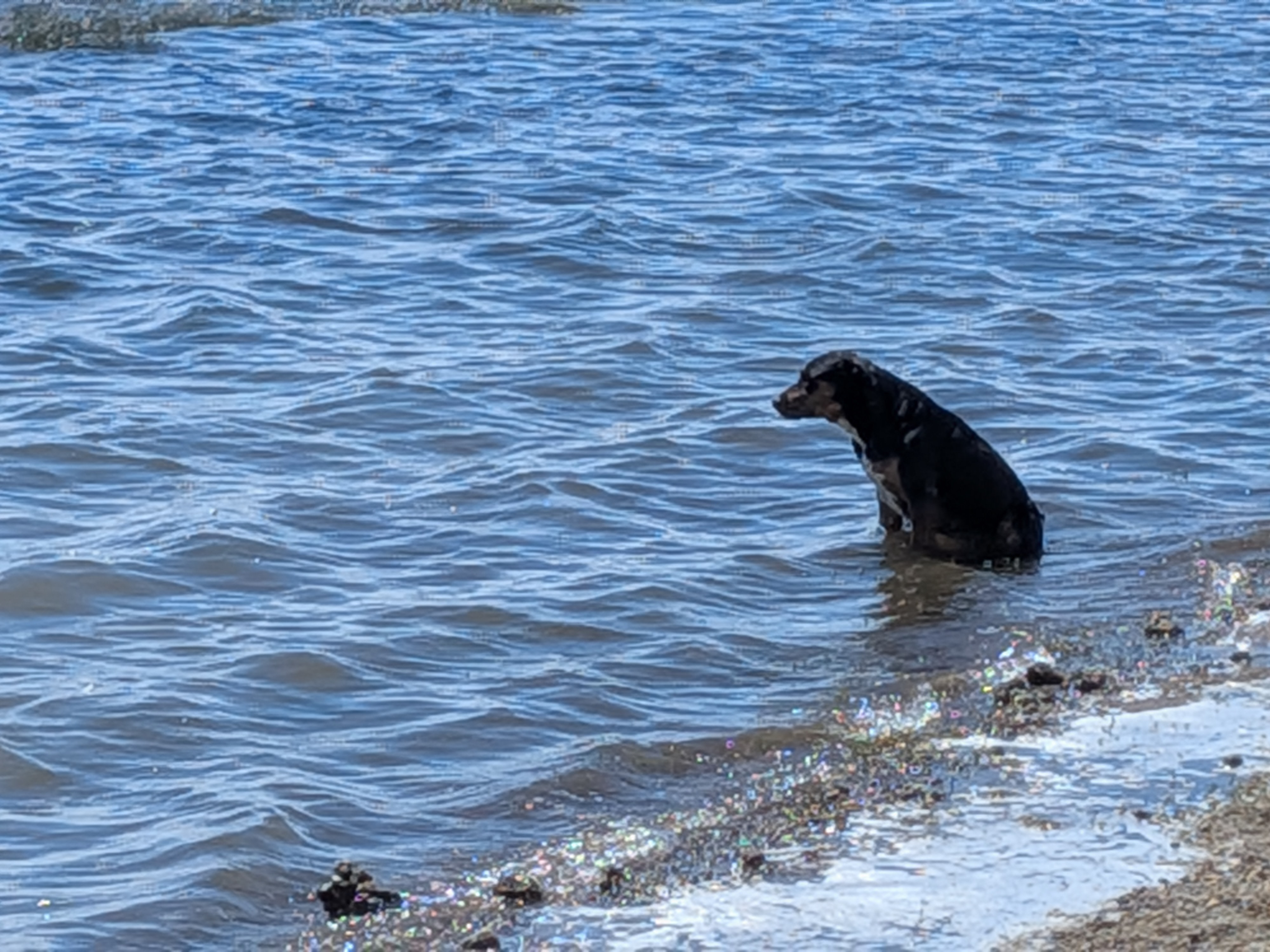
It did not take me long to adjust to the change of seasons and accept what I was seeing as part of my Summer Break. I got into the groove of the towns and forgot that my family living on the other half of the world was enduring a cold, and bitter winter. I do not think that I will have a problem making this adjustment as I continue to live in the southern hemisphere. Jus like the dogs that we ran into in all of the places we visited, I start to become comfortable with my surroundings and enjoyed them for what they had to offer when they were willing to offer it.

Until next time, enjoy those seasons whenever they are given to you.

The Museo of Pablo Fierro – Puerto Varas, Chile

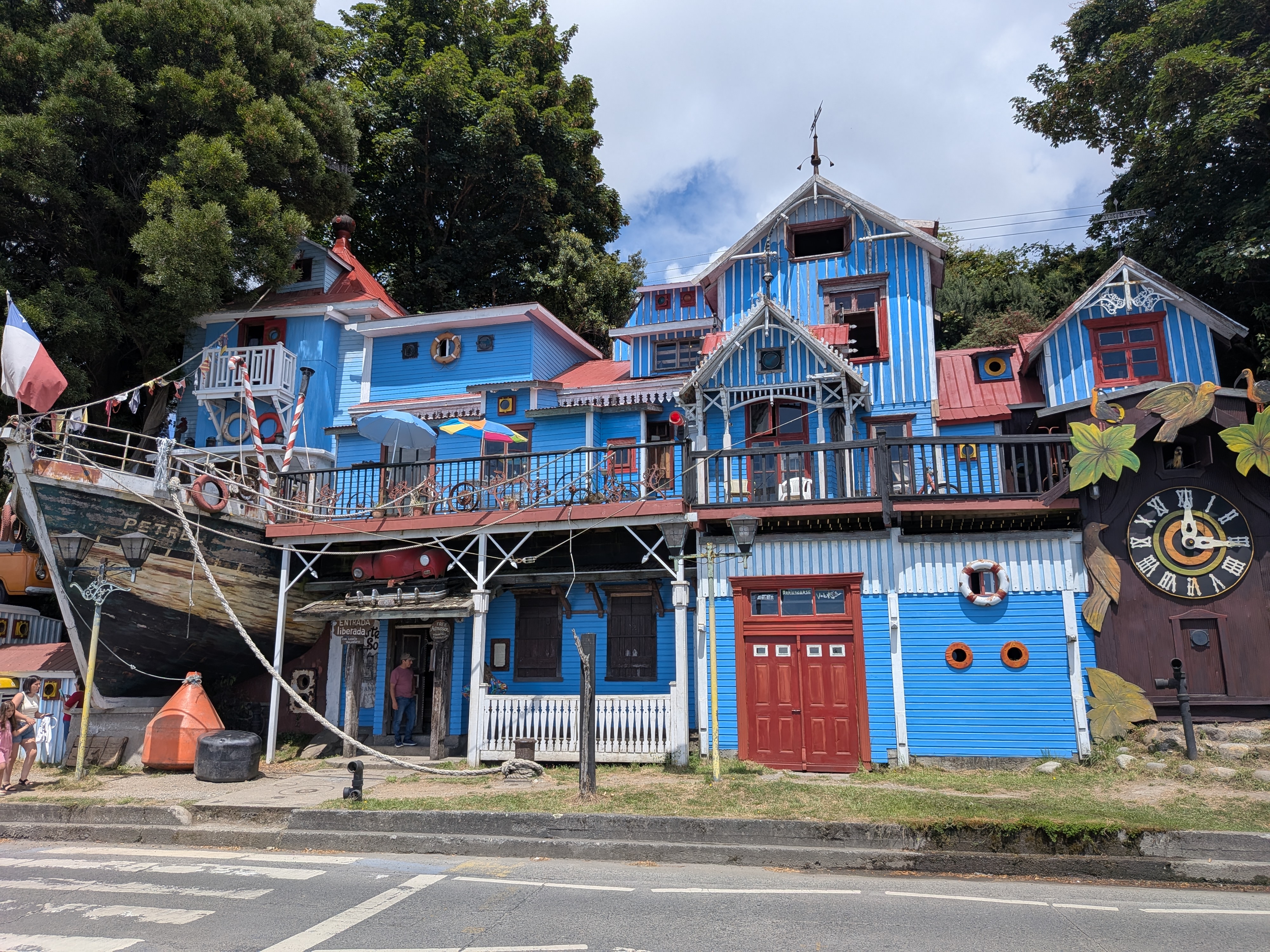
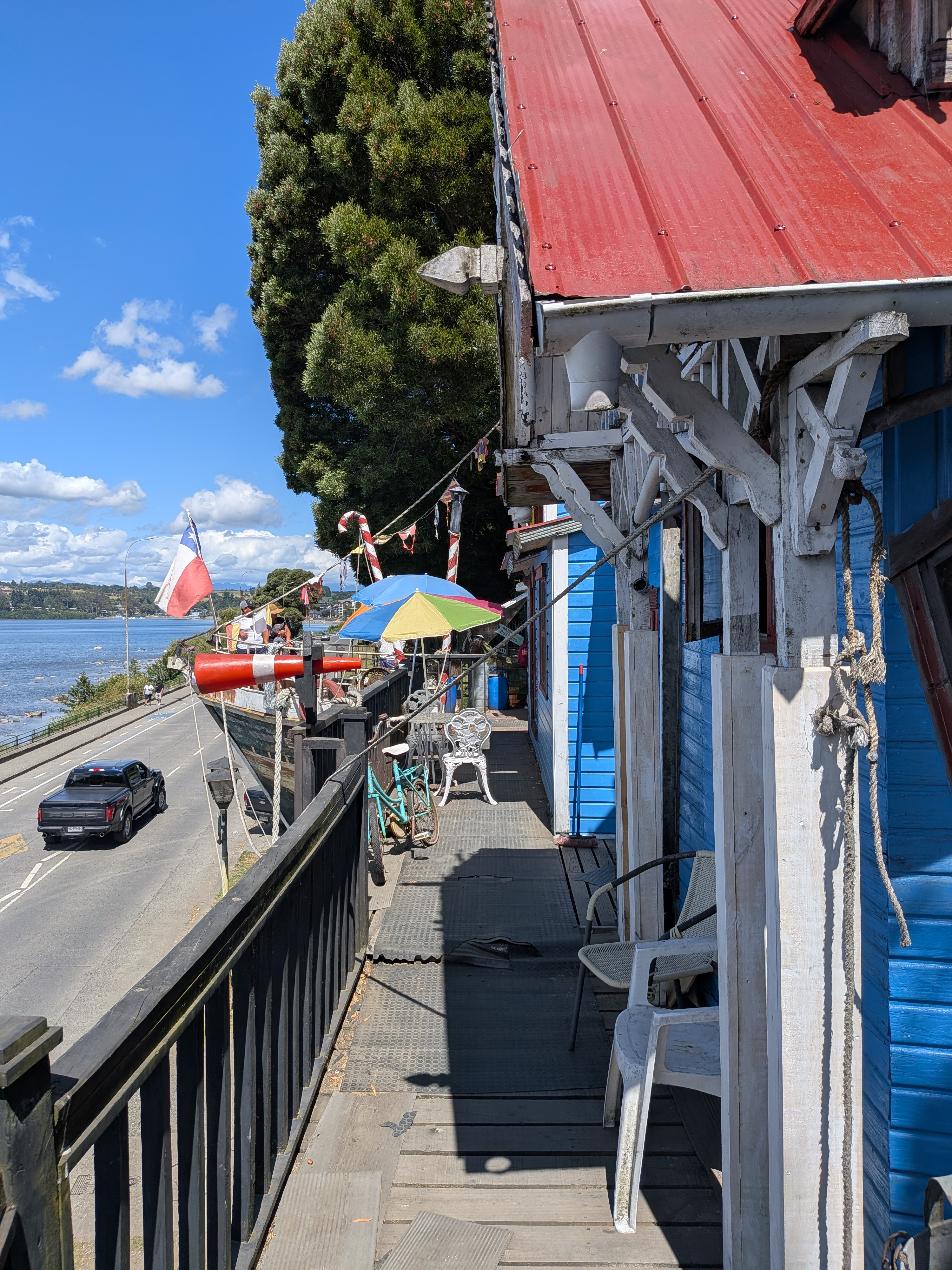
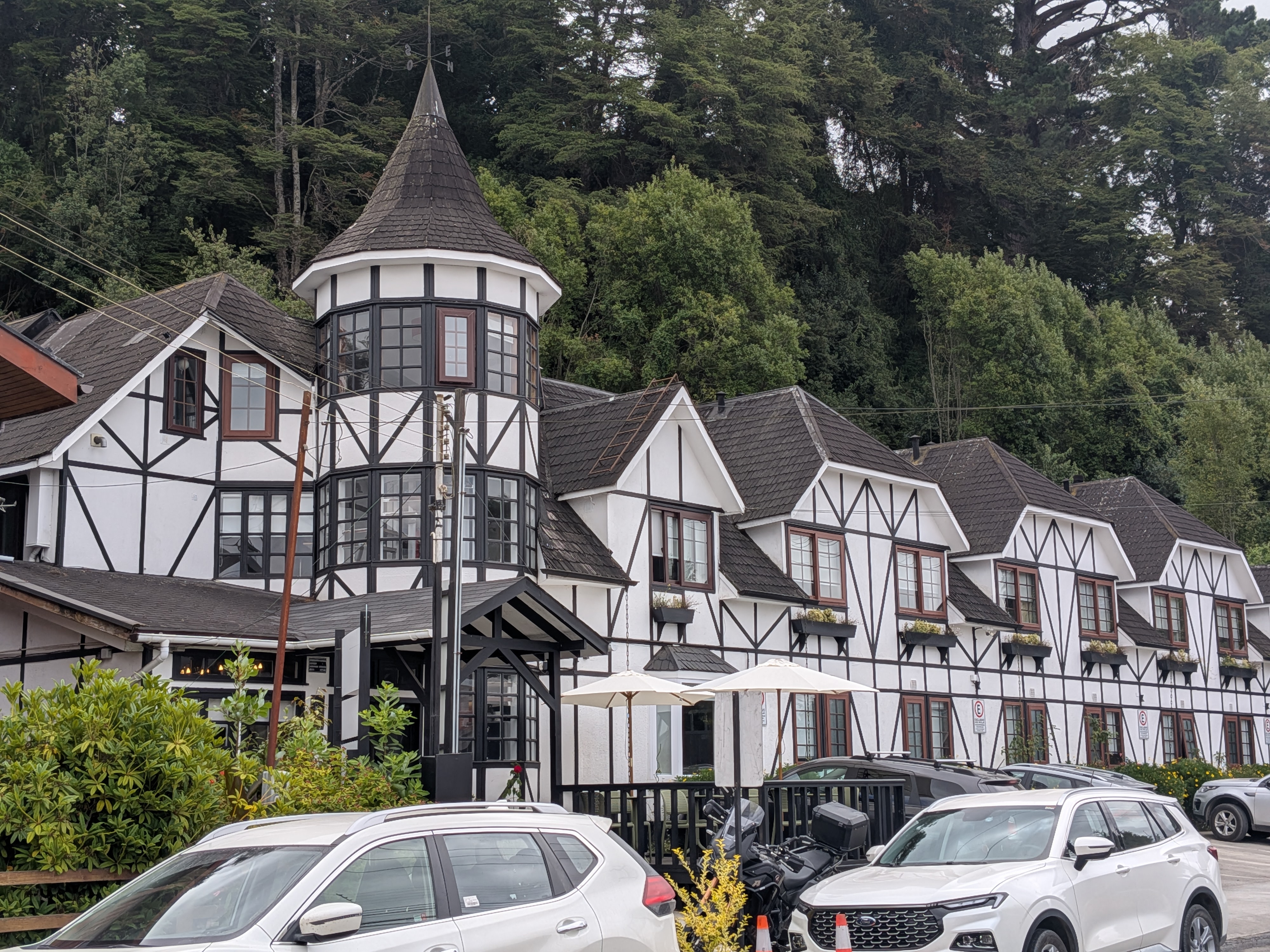
In a small vacation resort town among the volcanoes of Chile right next to the lake district, and wine country, the architecture reminds one of a small German town in the Black Forest. Among these beautiful buildings, there is one that sticks out more than all of the others, and draws visitors to it. The building is hard to miss. People will take a stroll along the beachfront and come across this building, and wonder what it is they are looking at. It is the strange museum of one of Chile’s most known artists, Pablo Fierro, and it is the main attraction in the small town of Puerto Varas.

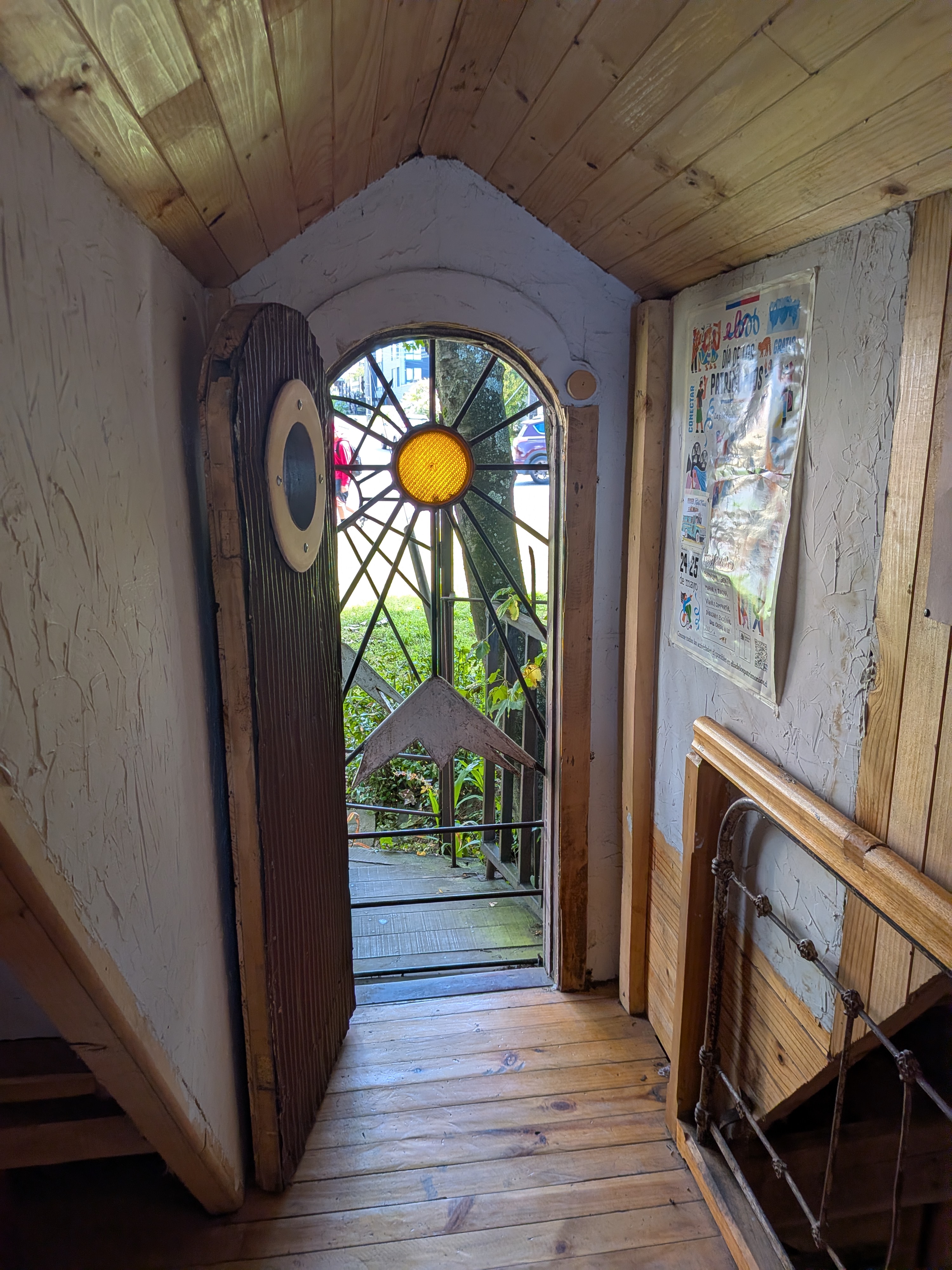
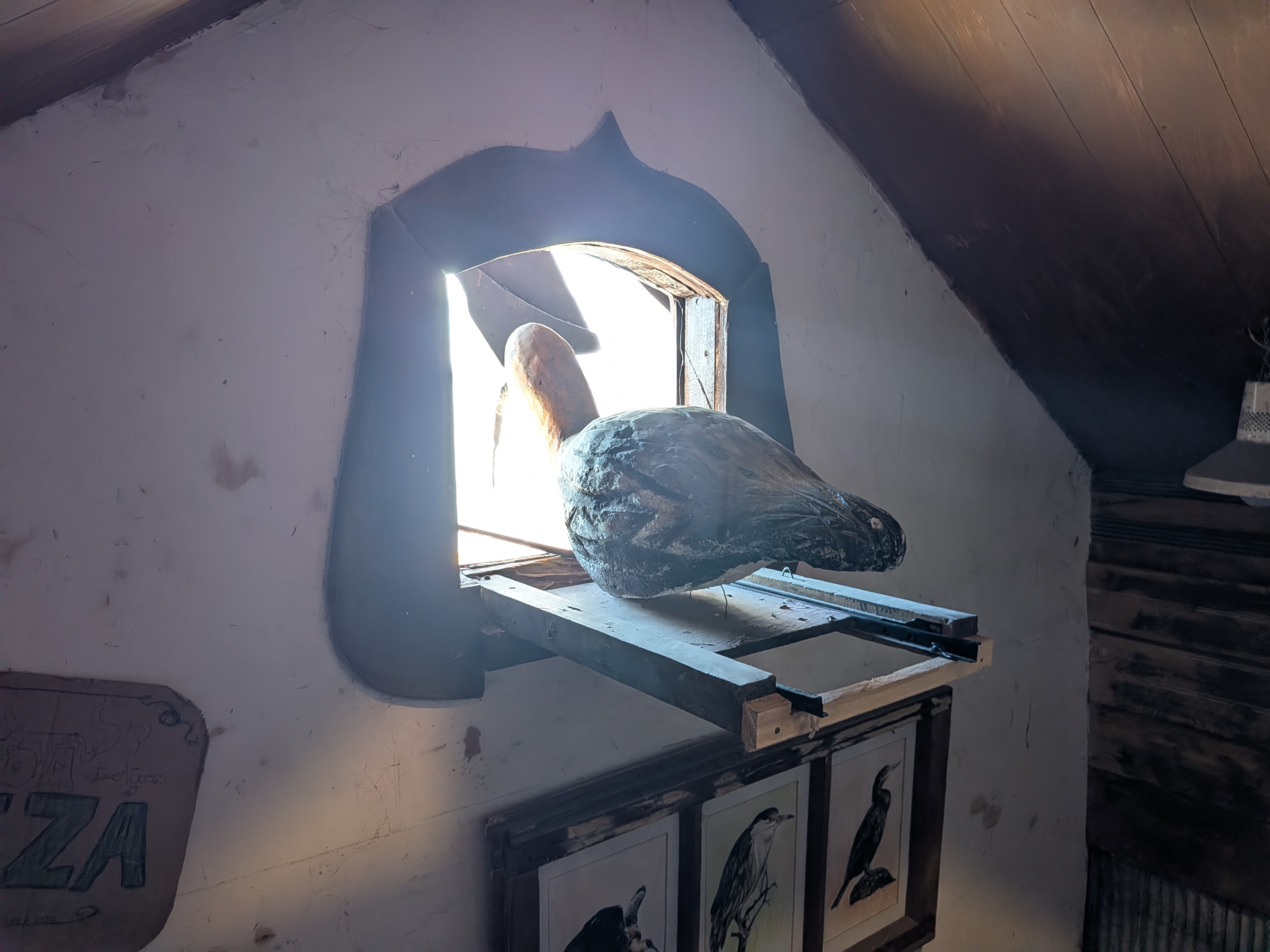
What exactly in the Museo Pablo Fierro? Well, that is hard to describe, and the pictures do not do it justice either. It is definitely something that people need to experience. Basically it is the studio of Pablo Fierro and he opens it up to the public from 9:30 to 1, and 3 to 8 everyday but Sunday. You can wander around the place, look at the art, and interact with the way he has put together the house.

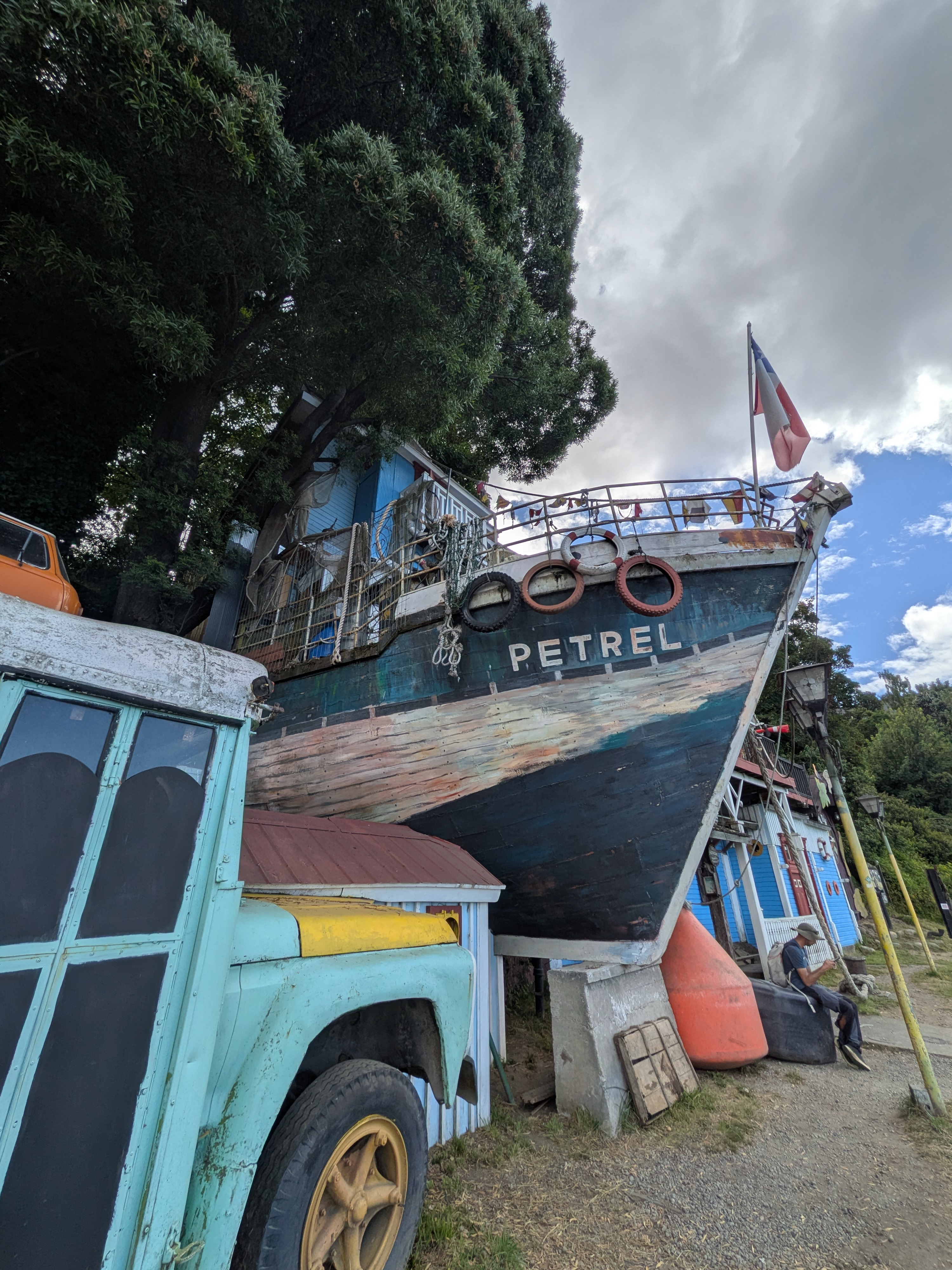
The museum reminds me of Meow Wolf, and could easily have been the inspiration for it considering that it predates that museum by almost twenty years. There are random things that are place all over the house, and at times you will find yourself in an old boat, a cuckoo clock or school bus. Everything is interactive, and there is a lot of strange things placed in weird location, but there also seems to be some kind of logic concerning how things are palced.

The surprises are endless and you do have to play around with what you see because sometimes what you think is a wardrobe turns into an entrance to another room, or a door will open to a beautiful sight that you had not expected.

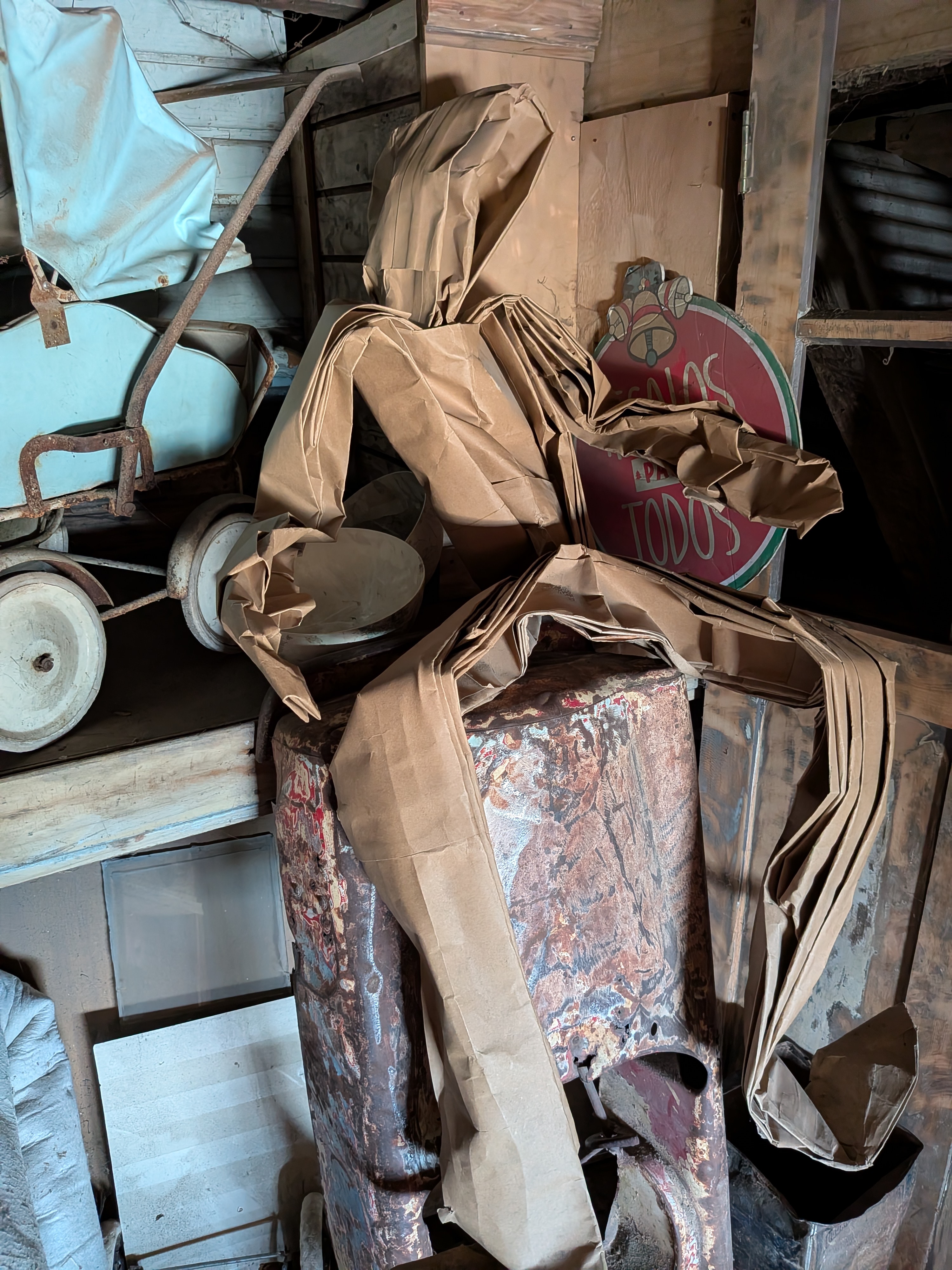
My favorites were what I called the ghosts that we hanging out in various places in the house. They were men that were put together in an origami fashion from large pieces of cardboard. They looked a little out of place, especially with the first one that I found, but in an odd way, they also looked like they belonged to this living museum.

And that is the best way to describe what Pablo Fierro has and continues to create. It is a living piece of art that grows and builds upon itself based on the whim of its creator. It is a work that you have to walk through in order to experience it the way that it is meant to, and it is impossible to walk away from when you first come across it. The museum is the must see sight in Puerto Varas, and I think that goes for every time you come here because you do not know how it will evolve the next time you come out this way.

Until next time, look for those crazy places in the towns you visit. That weird location may be the best thing you see on your travels.

Lago Grey – Torres del Paine, Chile – Without the W or the O – Part 4

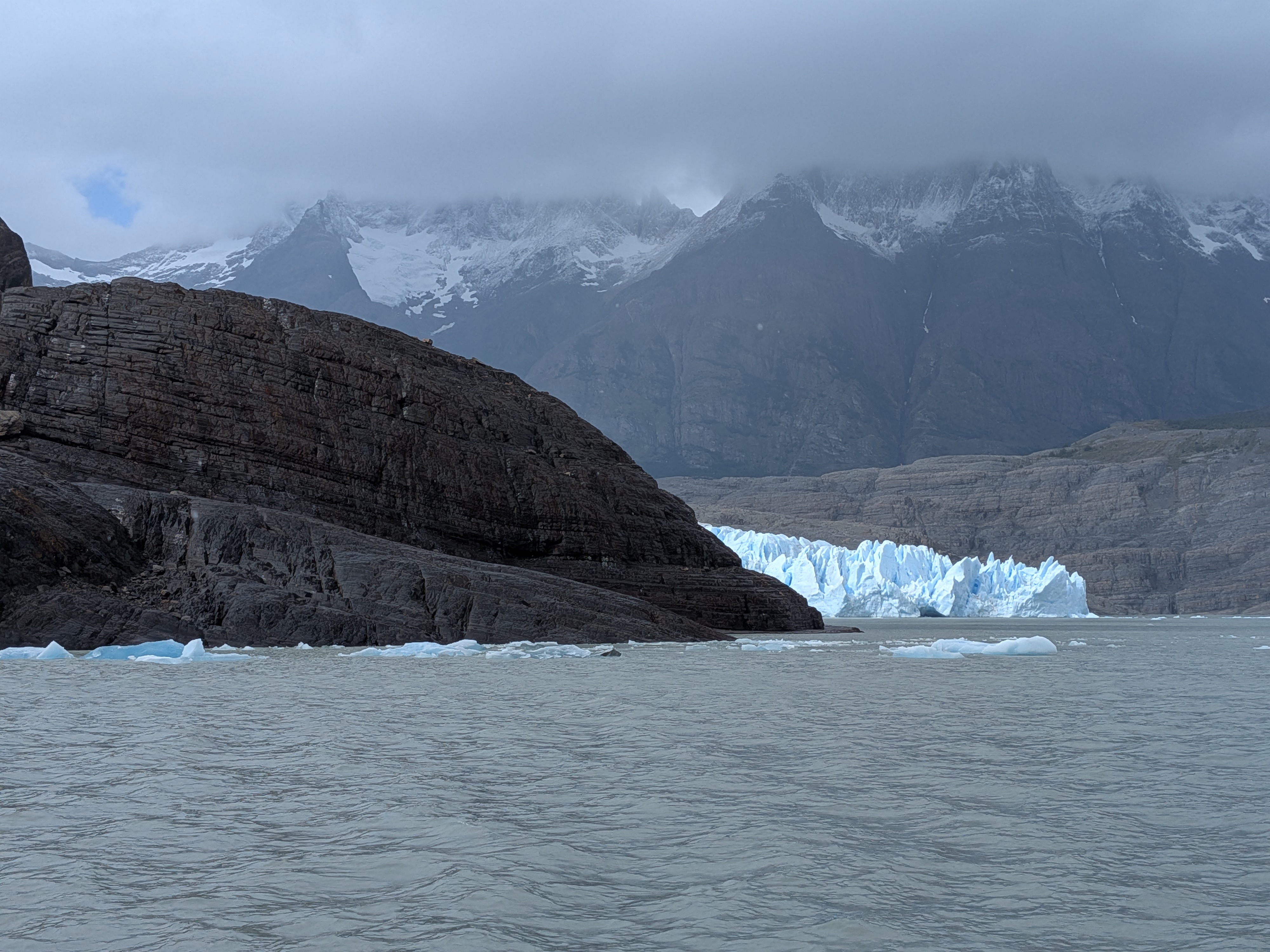
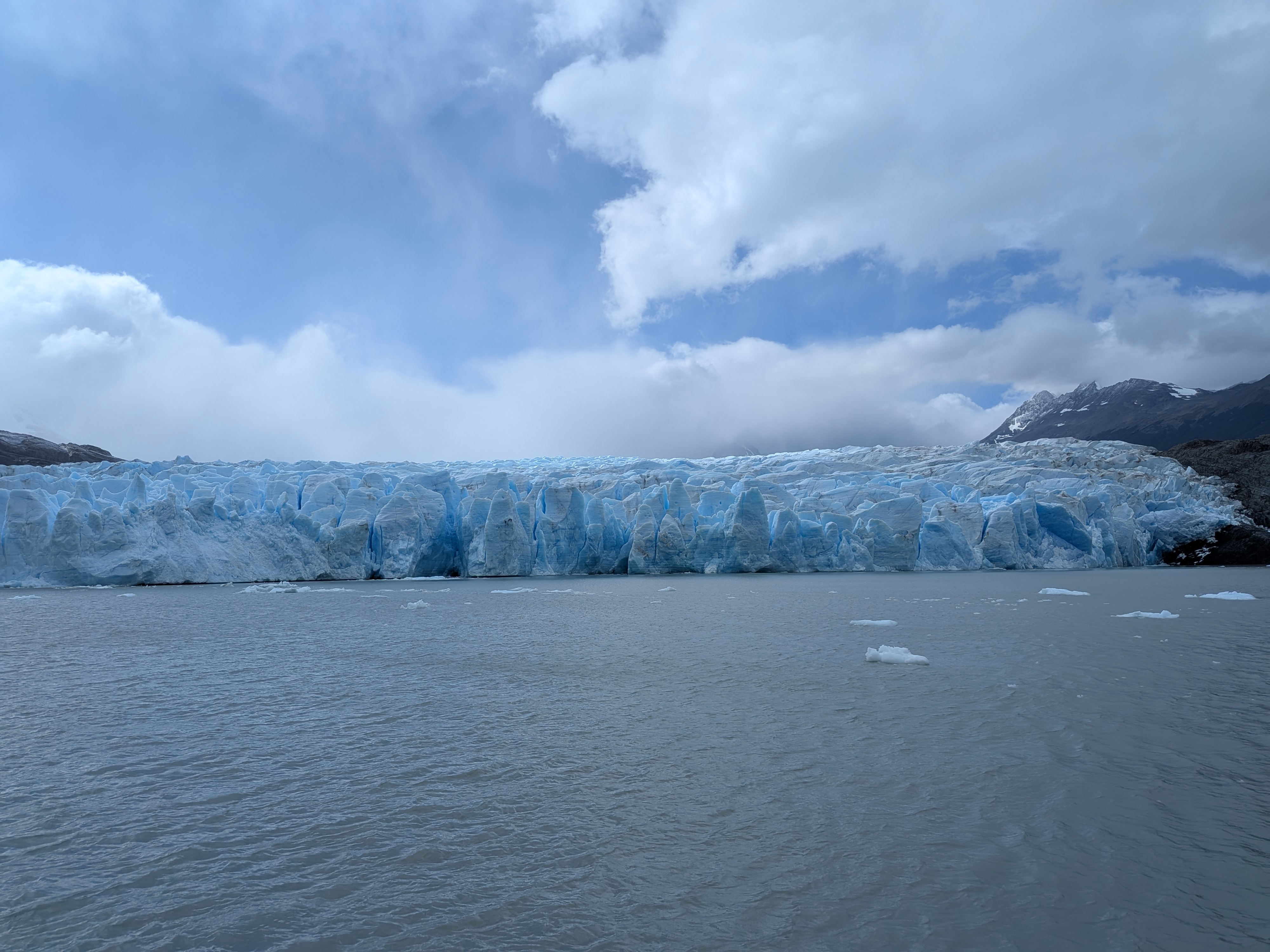
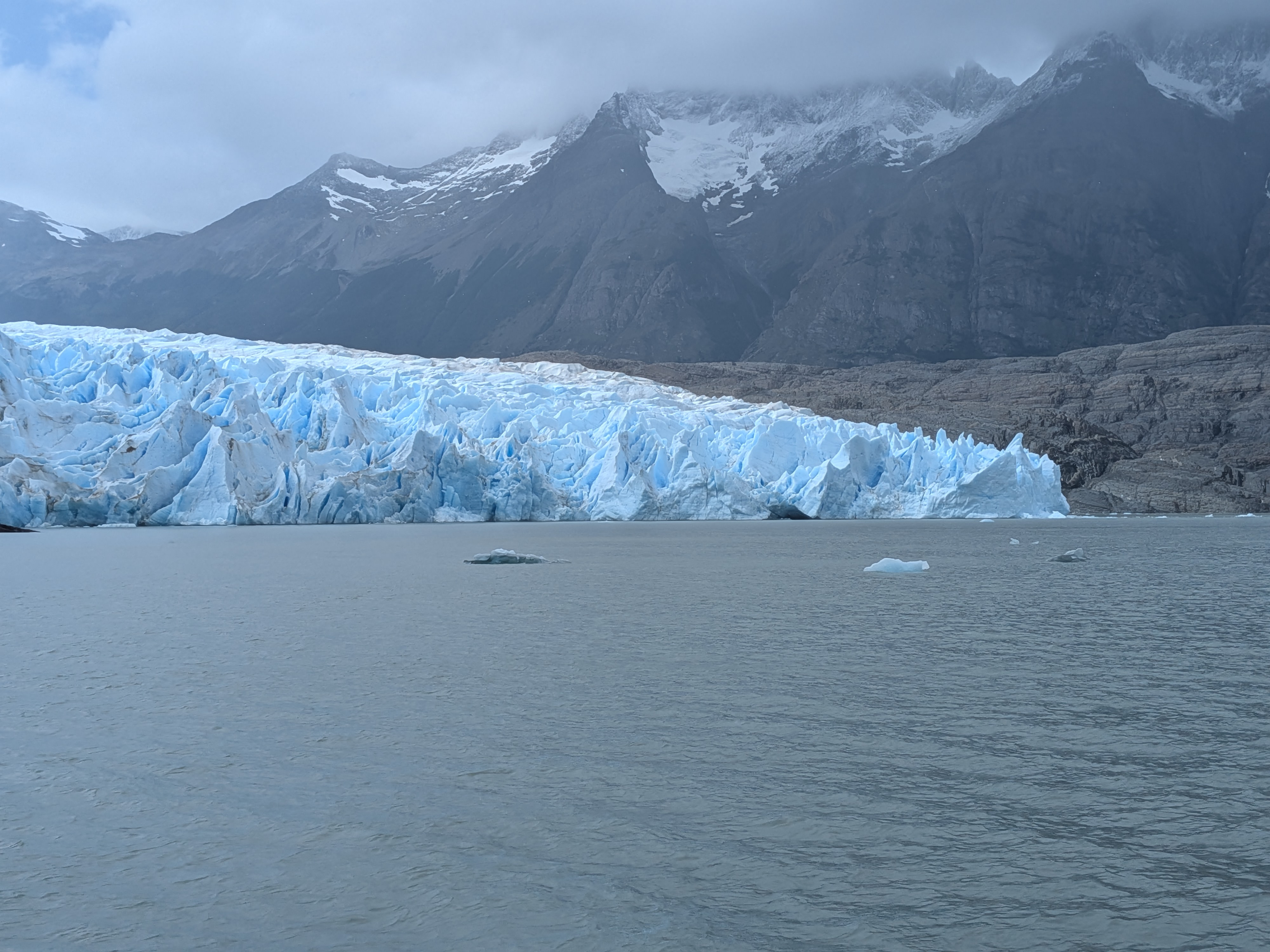
While doing the loops in Torres del Paine, there are opportunities the visit the vast fields of glacial ice that are there. It gives the hikers the opportunity to take kayaks and row up to the glaciers, or to even put on crampons and walk on the ice. But for those of us who have not gotten the tickets needed to get on the W or O loops, there is another way to get out to the glaciers and experience what they have to offer, the Lago Grey ferry.

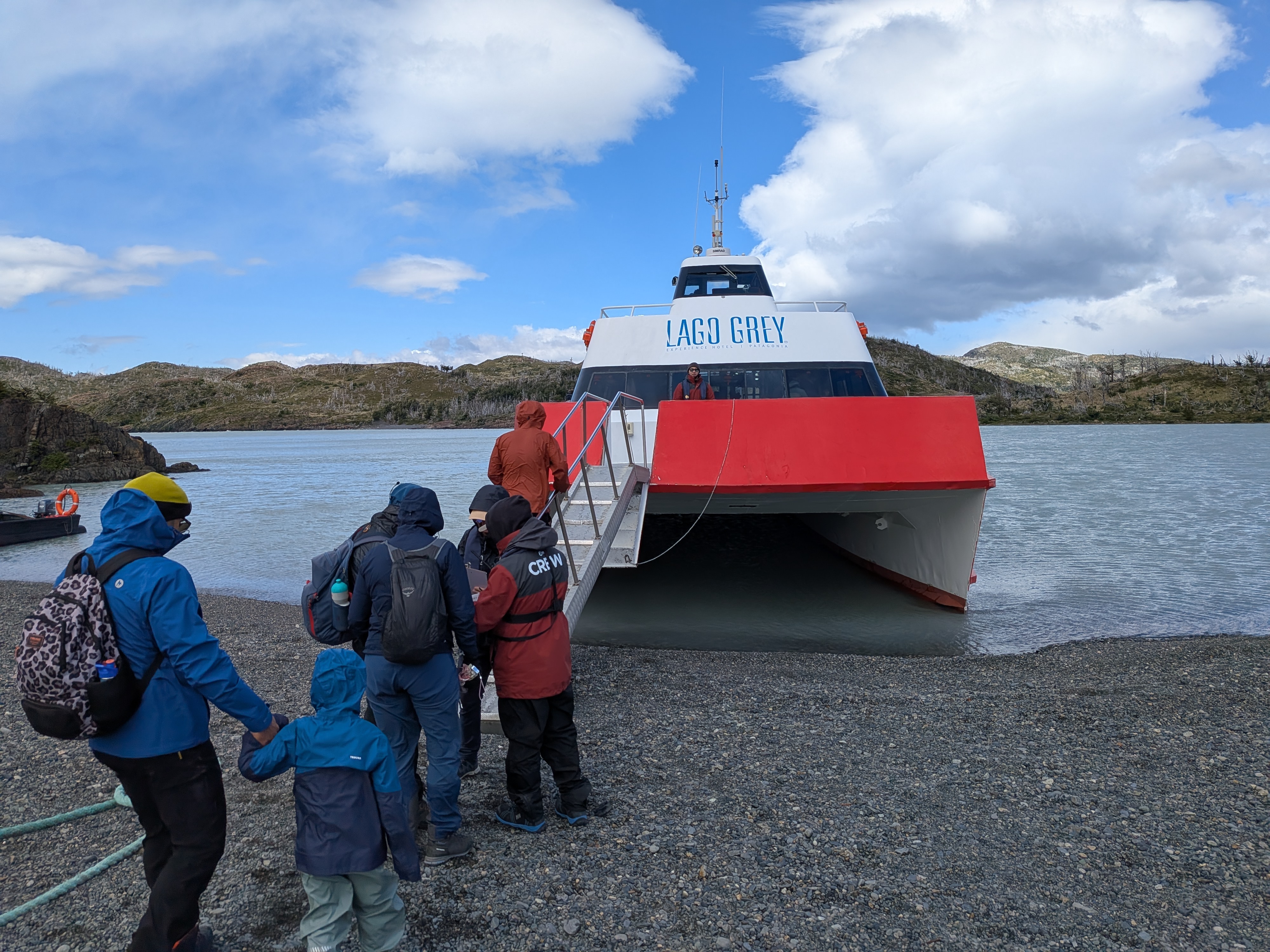
The Lago Grey ferry is a boat that leaves from the Hotel Lago Grey three times a day to take about 100 guests out to the three faces of the Grey Glacier and to return them safely back to the park. The whole experience takes about three hours from check-in to return back to your car, and it is a great way to see the glaciers while visiting Torres del Paine.

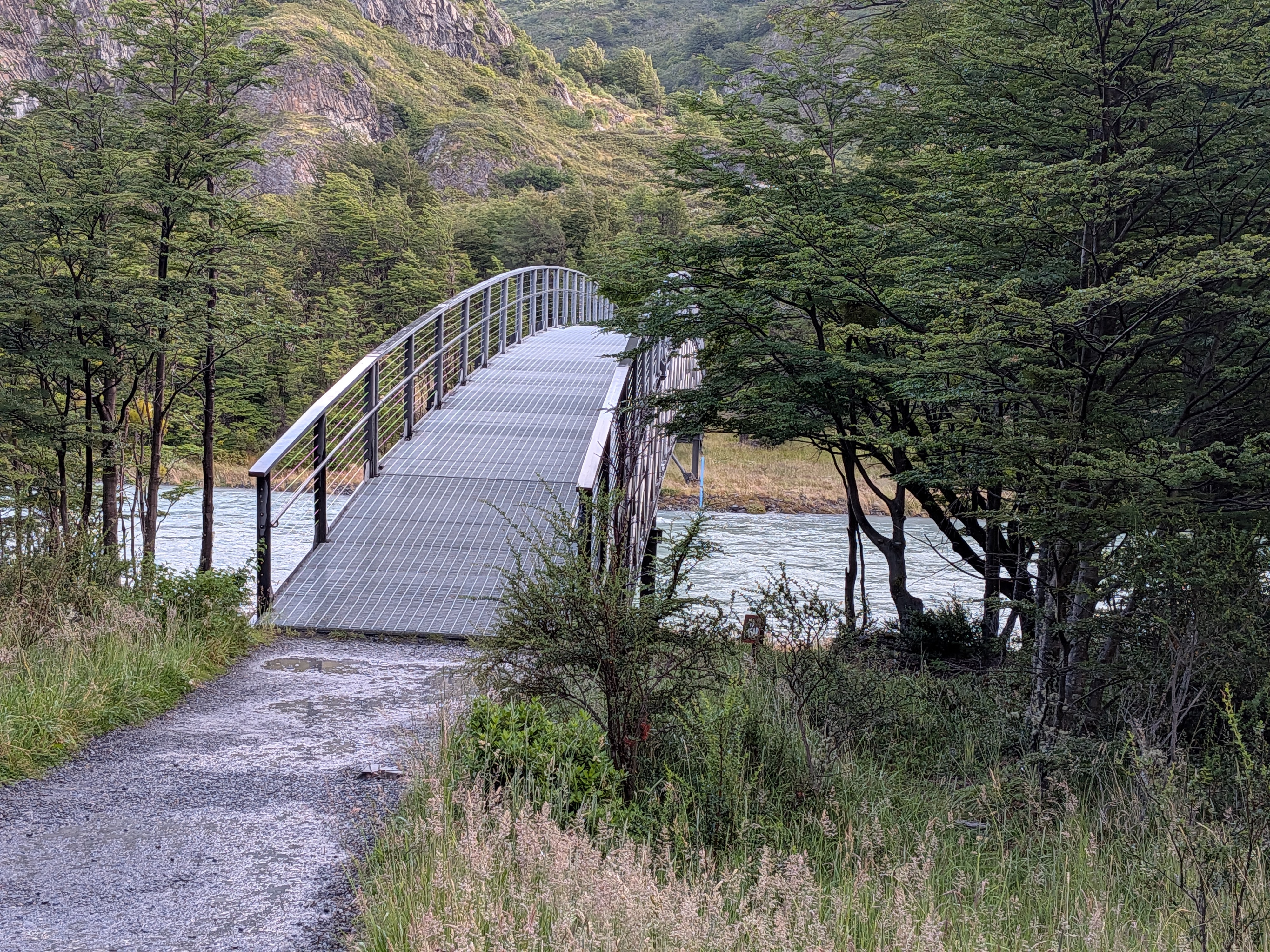
Check in takes place at Hotel Lago Grey, but this is not actually where people hop on to the boat. You receive your ticket there, and then are asked to drive your car five minutes down the road to another parking lot for a cafeteria that you will have to walk past to get to the boat. It is not a simple walk either to get to the boat. It takes anywhere from thirty to forty-five minutes, and winds its way through a forest, and over a bridge even before you are able to see the boat that will take you out to the glacier.

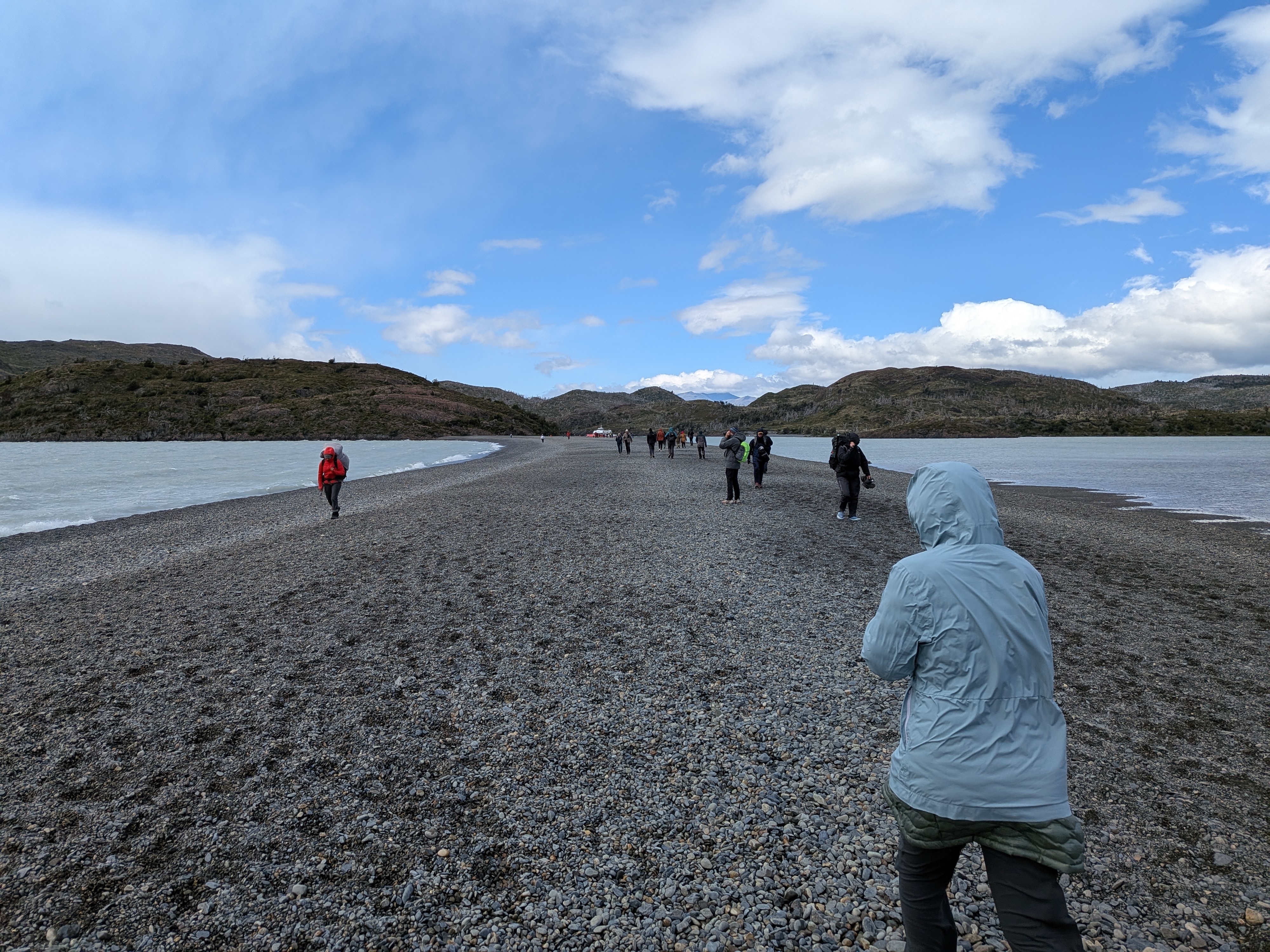
This is where the hike really begins. There is a long stretch of pebble-filled beach that you will have to cross. It is not easy to walk over and it is not handicap accessible in any capacity. The weather does not help to make this part of the hike any better. You are exposed to the elements when making the trek, and we were battered by wind and biting rain, so it is important to bring rain resistant gear and layers for this voyage to stay dry. Also understand that the weather changes in an instant in this part of the world. It was really cold while making the trek, but then it was sunny and beautiful when we were out by the glaciers.

Also understand that the ferry company will cancel the trip if the weather gets too bad. Torres del Paine is notorious about the wind that can come whipping down the mountain, and if it gets too windy, it is no longer safe to take even the large ferry the twelve kilometers out to the glaciers. At first I did not believe that the wind could be that strong, but we experienced it on other days, and I would not want to be out there on the boat if the wind was as strong as we felt it on a certain day.

But on those nice days, the ferry will get you really close to the glacier, and then it is a wonderful way to see it. The ticket does come with a drink coupon that will get you either a pisco sour or a calafate sour. If you have never tried either of these drinks, this is a good opportunity to try one though they are not the best versions of these drinks I have ever had. I would recommend trying them somewhere else where they make each drink special, and they are not mass produced for quick consumption.

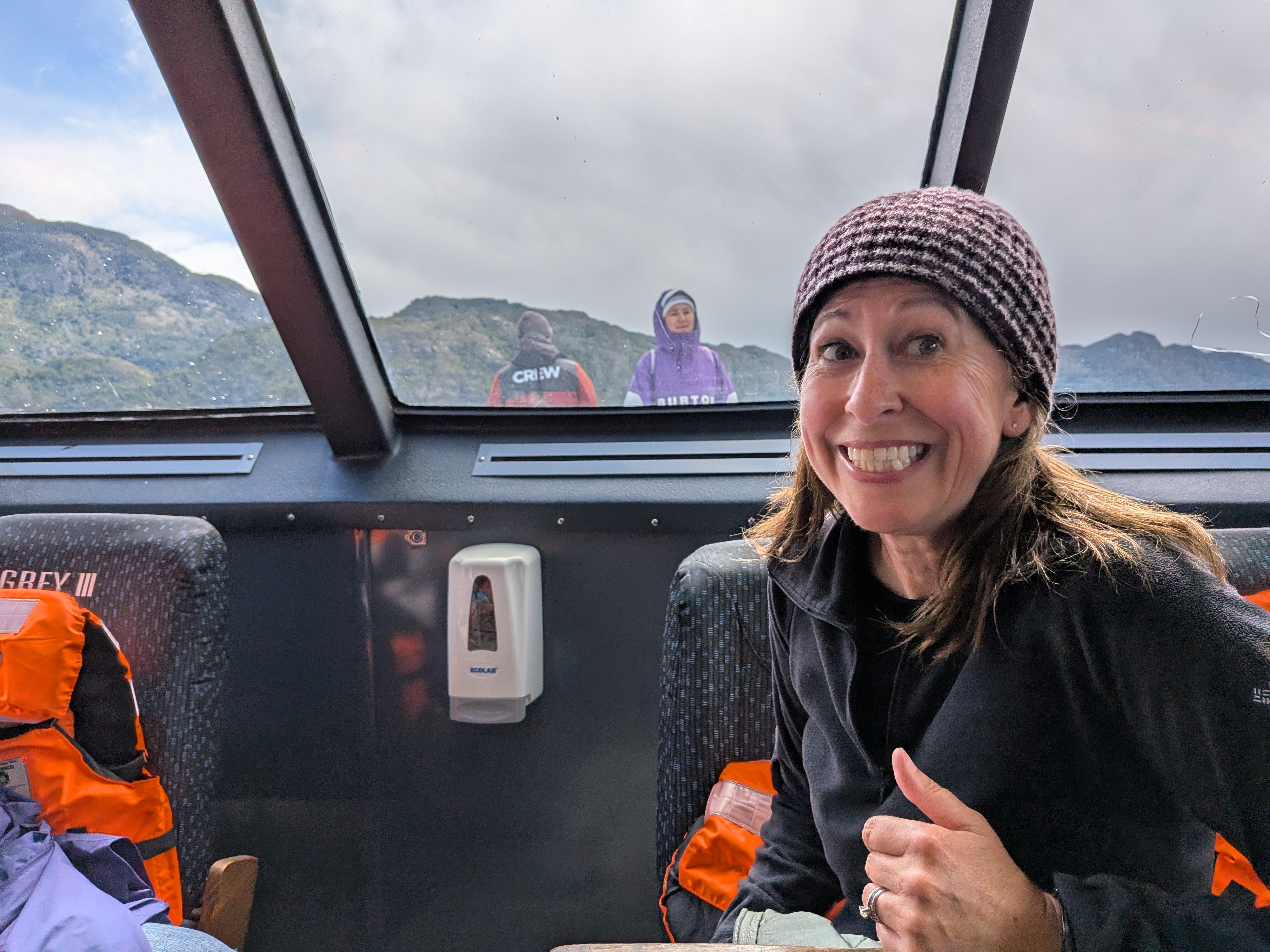
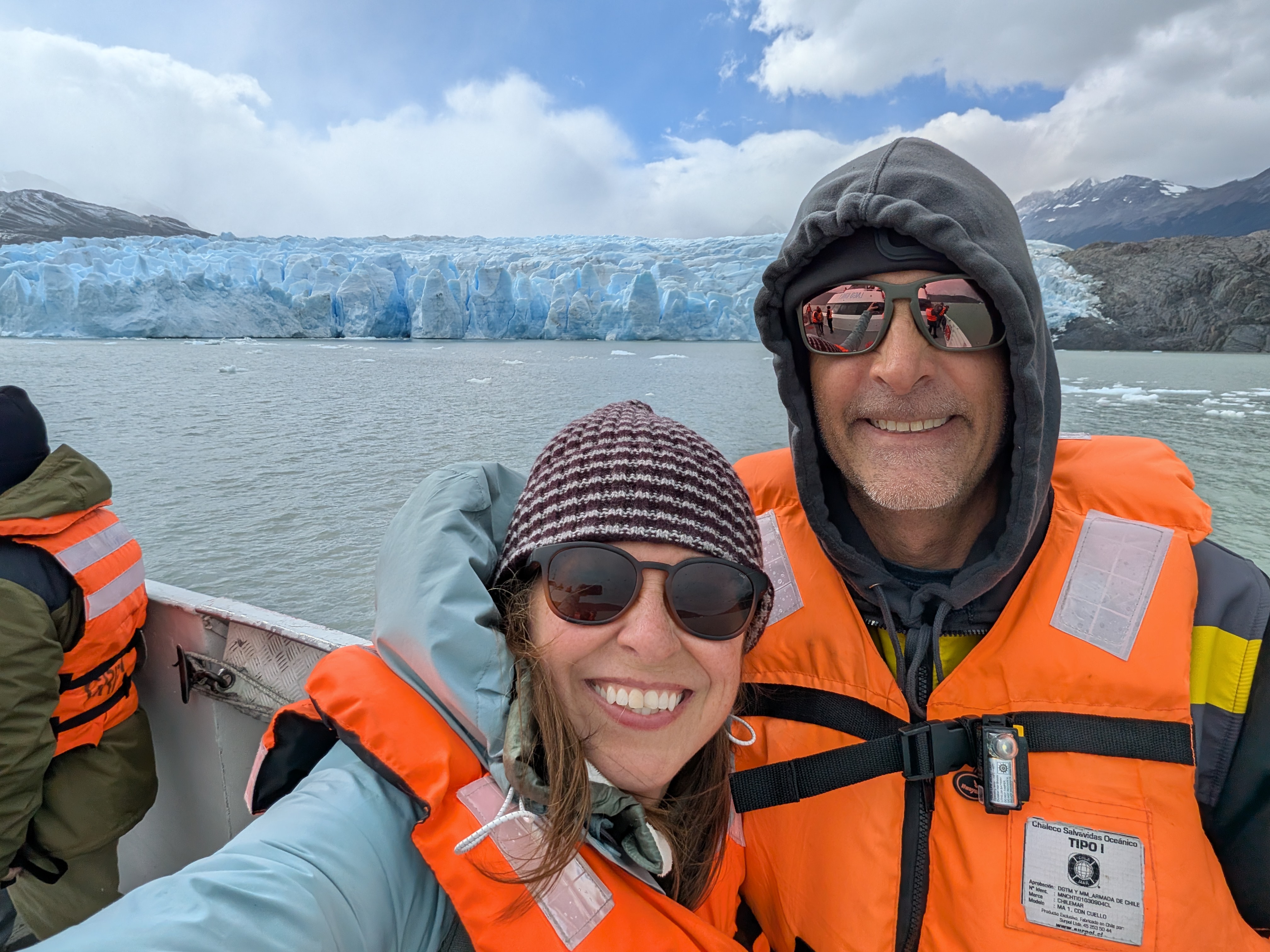
The boat also has two viewing decks from which to look at the glaciers. There is one on the front of the boat, and another on the top. Kids are not allowed to be on the one on the front of the boat, but they can still see the glaciers well from the top deck. You are once again exposed to the elements while on these decks, and all of the people crowd on to them to get pictures, but I was surprised at how well they held all of these people. I never felt like it was too crowded and we were able to find our places on the decks to take amazing pictures of the glacier, and enjoy the scenery. We were also there on a beautiful day so it was not too cold on the decks, but I can see this changing if the weather is not as great.

You might not get as close to the glacier this way as you would if you hiked right up to it, or paddled there in a kayak, but then again you do not need to exert yourself as much to enjoy them still the same. The hike out to the boat and back is a little bit of a workout, but most people should be able to make it without too much difficulty, and there is not a time crunch when leaving the boat and they gave you plenty of time to get out to the boat. So if you want to see some glaciers while out in Torres del Paine, and you are not on either of the loops, this is a great way to do it.

Kayaking to Moreno Glacier – El Calafate, Argentina


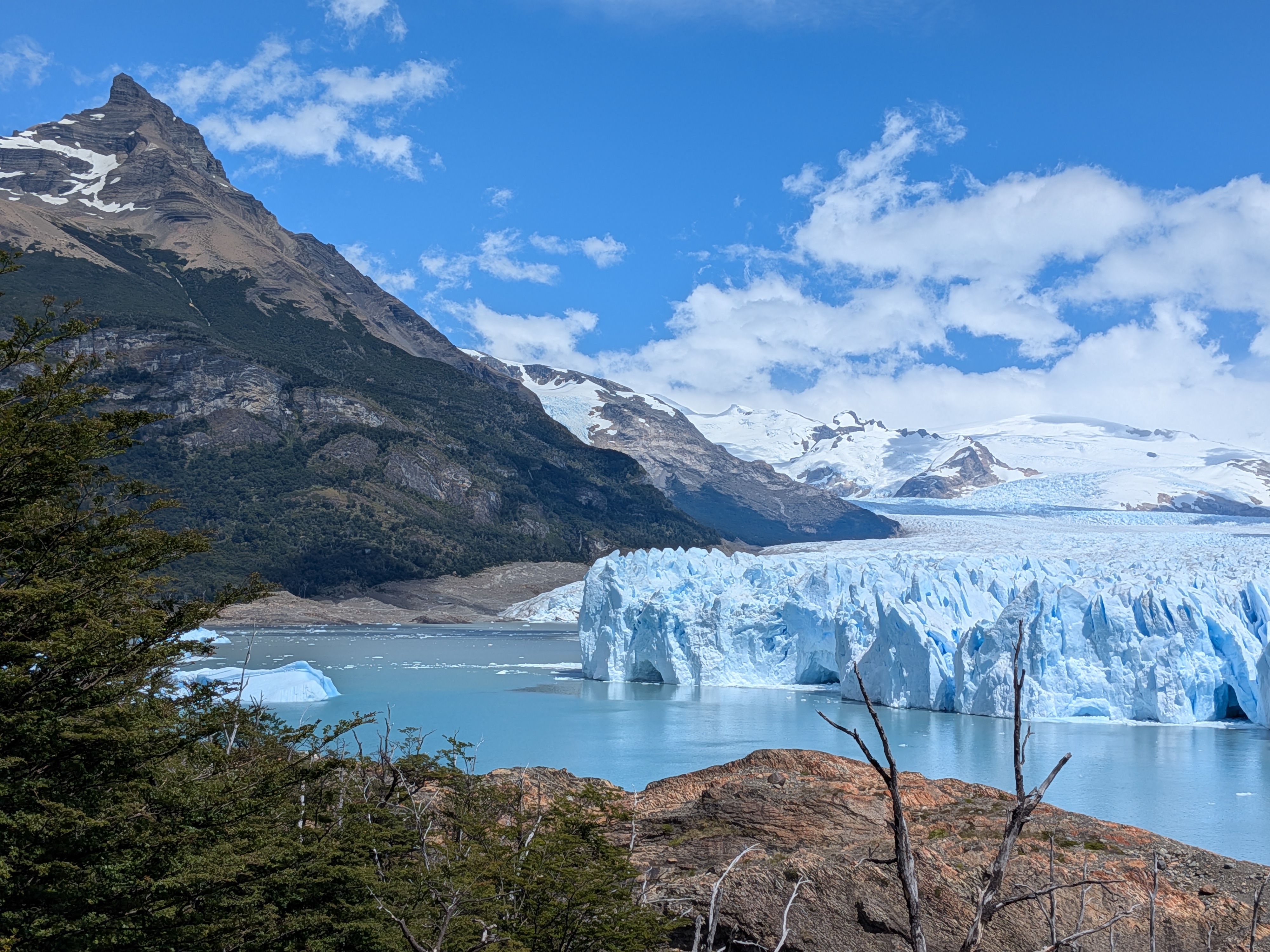
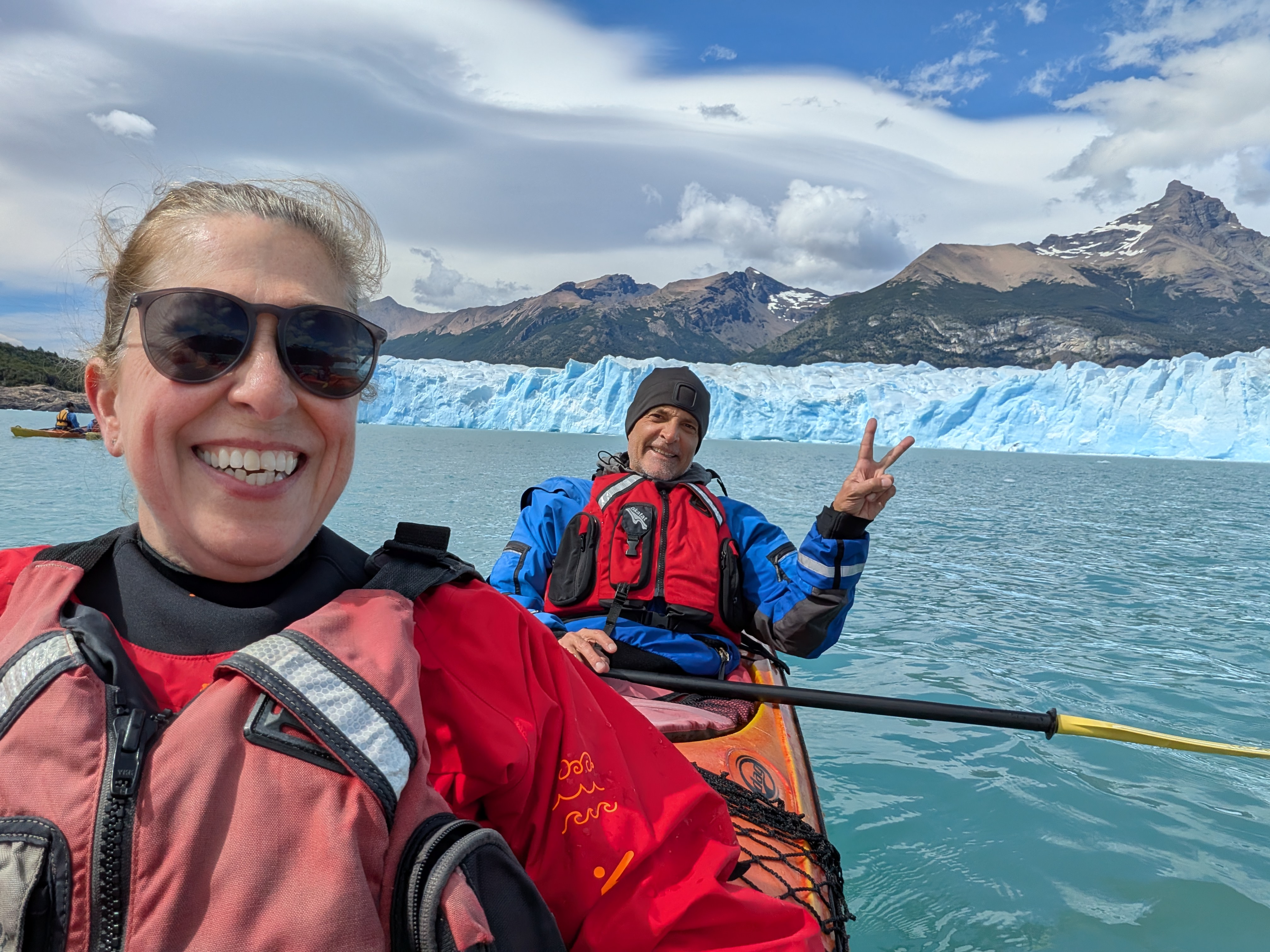
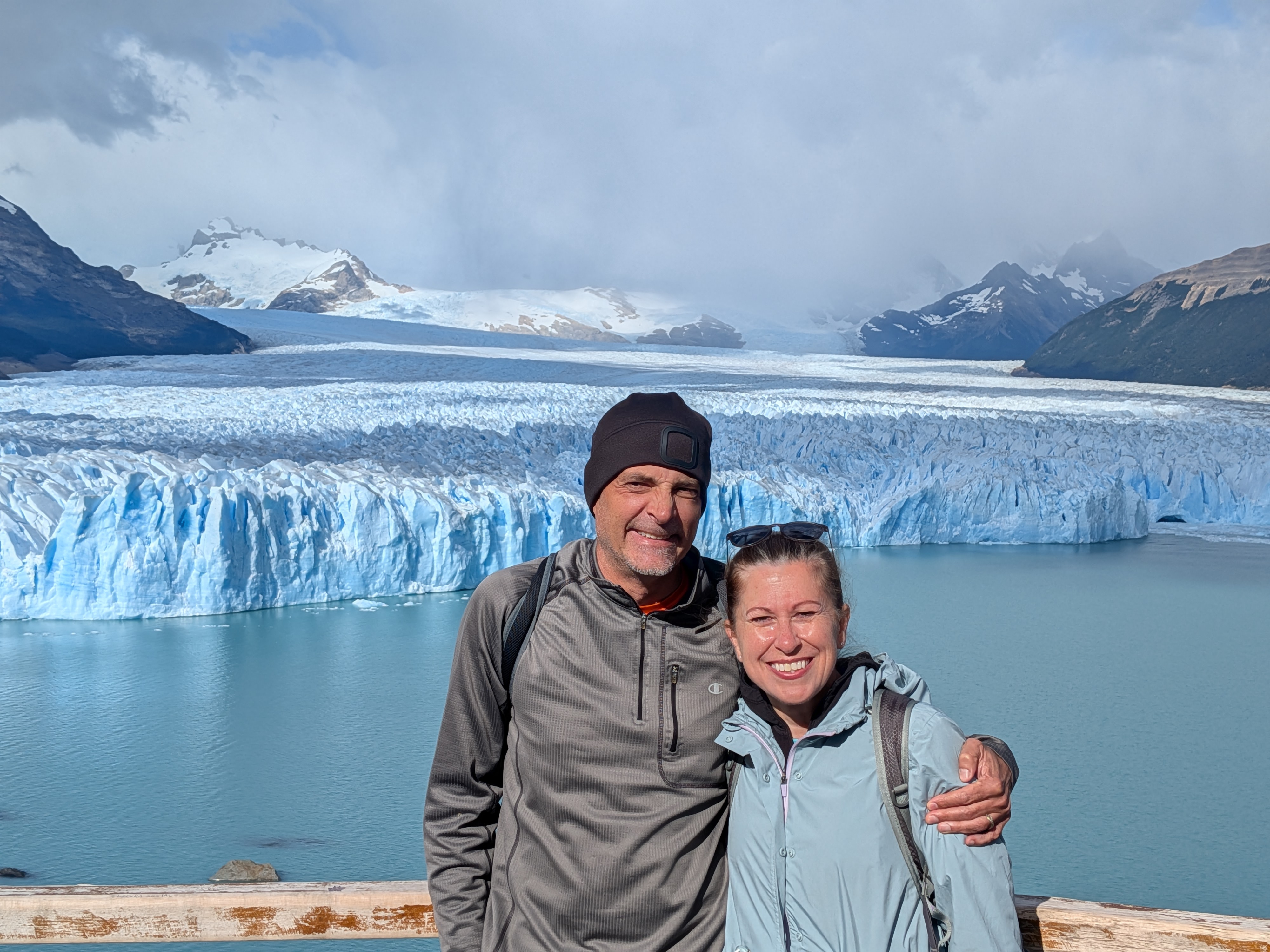
There are two big attractions outside of El Calafate, both of which are for the outdoor enthusiast. The bigger of the two, or the one that I am told is the most visited sight in Patagonia is the Moreno Glacier. There are many ways to experience this glacier. There are treks that will take you out on the ice. One is more of an adventure than the other one, so depending on your hiking level, you find the one more appropriate to you. There is also a ferry like ship that people can book passage on and it will give them a tour of the lake, getting close to the glacier so people can see it calf. Many people load up their cars and drive up to the main visitor center where there is a walkway that will take them to many great viewpoints where they can still hear the rumble of the ice as it falls into the water. And there is the option that we took which is to put on some wetsuits, grab a paddle, and push a kayak off from a sandy shore two kilometers from the base of the glacier.


Each one of these options allow you to explore the glacier in many different ways but they limit the amount of people that can experience any of the options except for the walkways by the visitor’s center. Because of these limitations, the excursions have a tendency to start to book up, so I would recommend to book them at least a month in advance, or if you are trying to play the weather game to look for a good day to enjoy the glacier, no later than a week earlier. If you do wait until later do understand that some options might not be available. This is what happened to us, and part of the reason that we ended up kayaking instead of doing one of the treks.

This is not to say that kayaking is a bad option. I love kayaking, and though it does not get you as close to the glaciers as the big boat will, it still gets you close, and the perspective you get from being low on the water makes the glacier look the most impressive. It towers over you and a couple of times, we actually felt the waves created by the glacier shedding a cathedral-sized hunk of ice from its edge. My issue was seeing the glacier this way was that I have visited a couple of glaciers by kayak, and I really want to try voyaging over one some time in my lifetime.

Still, the company, Patagonia Chic, we went with supplied us with the perfect day to go out and do this. It did require an early morning as they came by our hotel with a bus to take up into the national park. On the ride up, a guide talked to us about the area and some interesting facts about it. My favorite was where the name of the town, El Calafate comes from. There is a berry that grows on wild bushes in the area that is called calafate. It looks like a tiny blueberry, and people pick them to eat or turn into a jam that you can find all over the town.

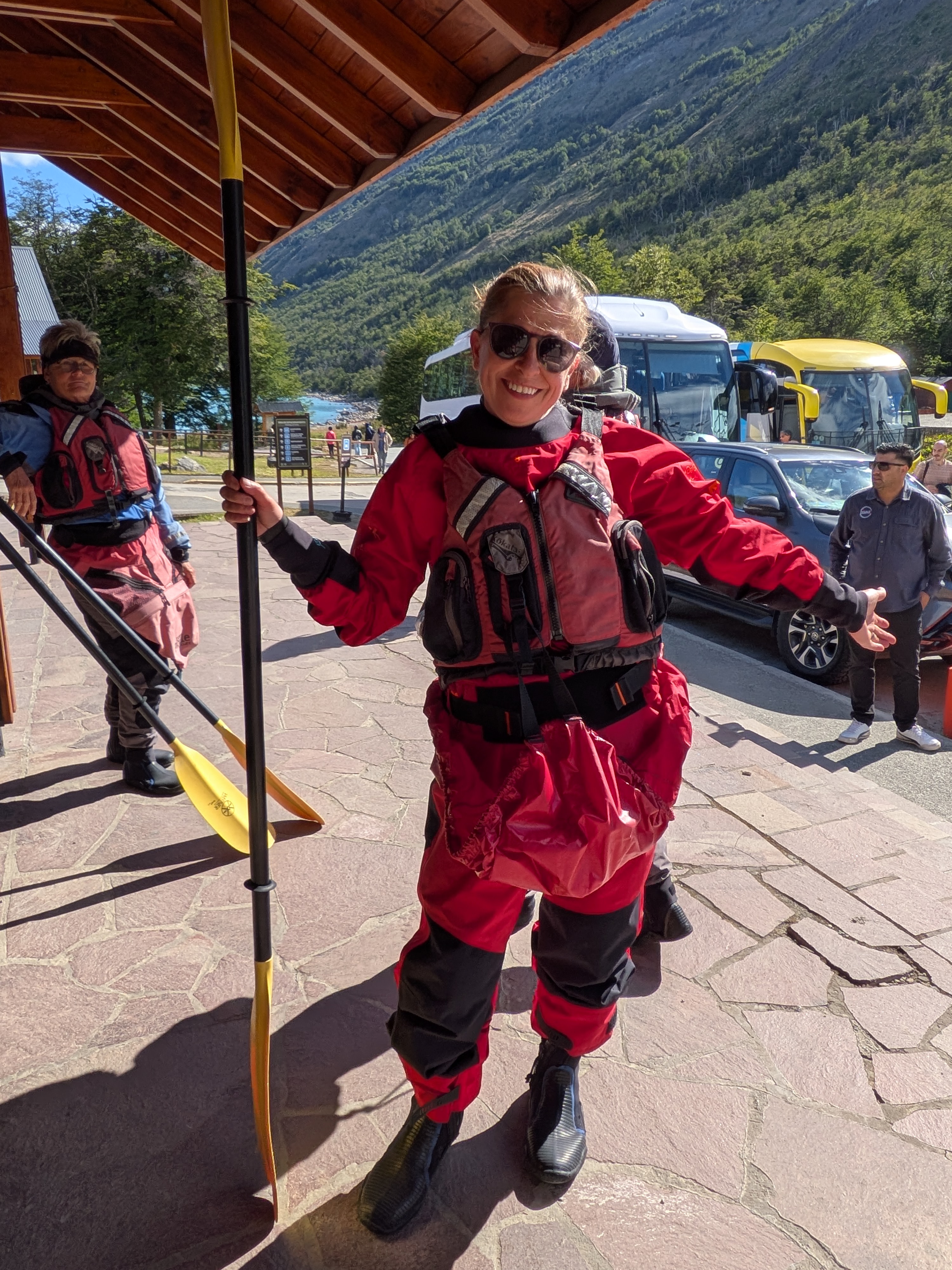
After an hour and half ride, they dropped us off with the kayaking company. The company supplied us with wetsuits, kayaks, and two guides. There was a little talk about how to operate a kayak which is always nice to have, especially for those that have never kayaked before, and our guide was so good that he gave me a couple of pointers that I have never heard before making my kayaking experience even better.

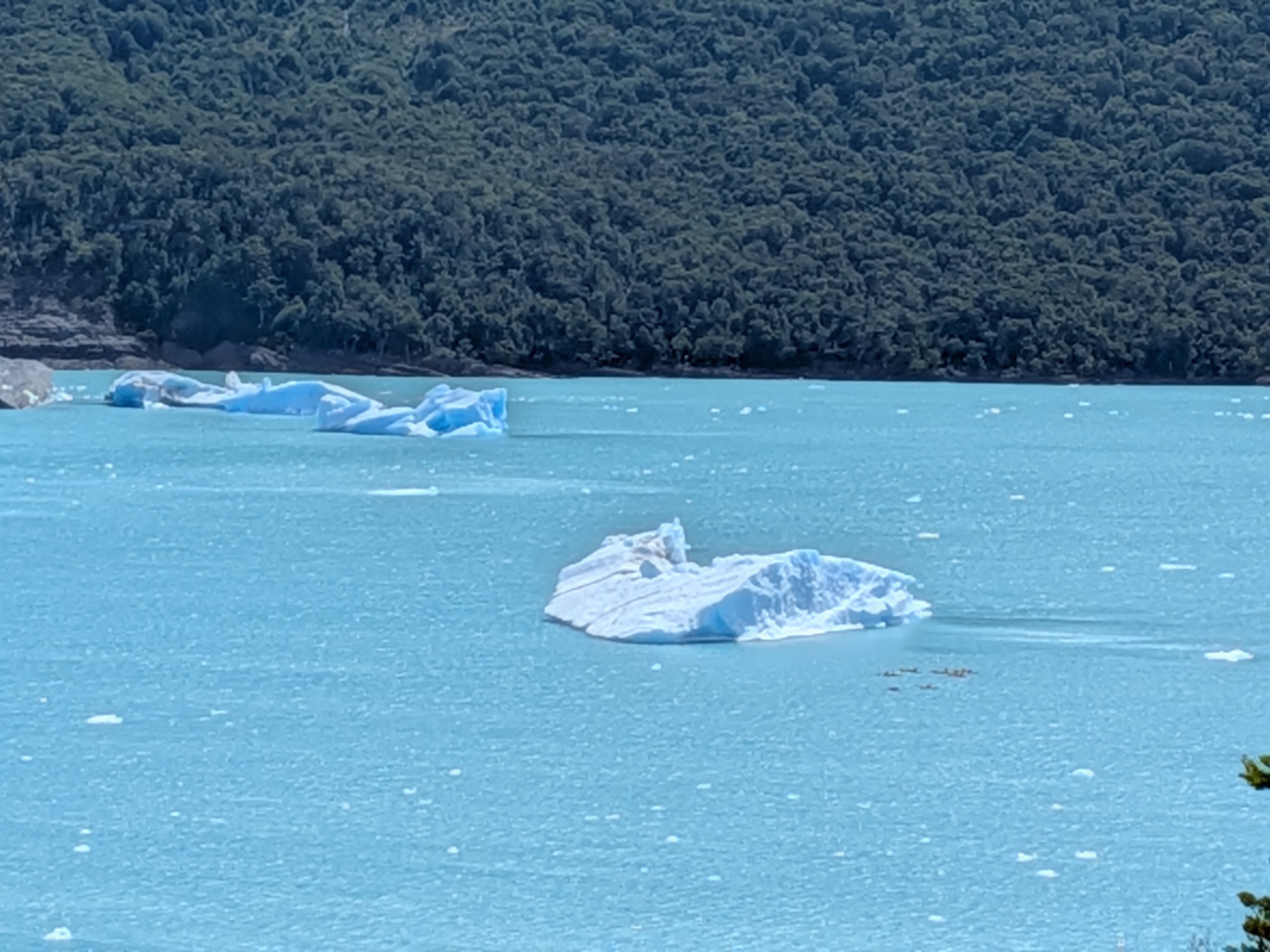
We had a beautiful day to go out to see the glacier and explore some of the recently birthed icebergs. The weather was 21 degrees Celsius which I am told eight degrees warmer than the typical temperature during this time of the year. I am also told that they do still go out in adverse weather conditions, but they do go out with two expert guides to educate and help people guide themselves through choppy waters. The also have a Zodiac boat that follows a safe distance away so as to appear as if it is not there at all. This is mainly for those times when some capsizes their boat so they can pull them out of the chilly water as fast as they can. Not that we needed it, but it was nice to know that the company took safety very seriously.

The whole experience on the water lasts for about an hour and a half. Patagonia Chic gave us a couple more hours to enjoy ourselves at the visitor’s center. There is a cafeteria style restaurant for food if you are hungry but you can also bring your own food and enjoy it at one of the park benches close to the walkways. It also gives you plenty of time to explore all of the walkways at a leisurely pace allowing for more pictures of the glacier from many different angles. It makes for a long day, but one that you will not soon forget. I also like the many options that are available to explore the glacier. Though I did not stay out in El Calafate long enough to try another excursion, I now live close enough that I am now thinking about doing a different excursion if I ever find myself out in this area of the world again.

Until next time, I hope you are able to find those experiences that are amazing, no matter how you get to enjoy them.

Laguna Nimez – El Calafate, Argentina

I have made it to the tip of the Americas, and it is here that I have found another frontier that is free of people and big on beauty. It is a big portion of the continent that spreads out over the countries of Argentina and Peru and is known as Patagonia. People do make their way to this part of the world to explore the wonders of nature and enjoy one of the places left where you can feel as if you are not fighting through crowds, traffic, or the annoying barrage of modern society. It presents itself with a calming Zen like atmosphere that I feel I will enjoy as I explore the area over the next couple of weeks.

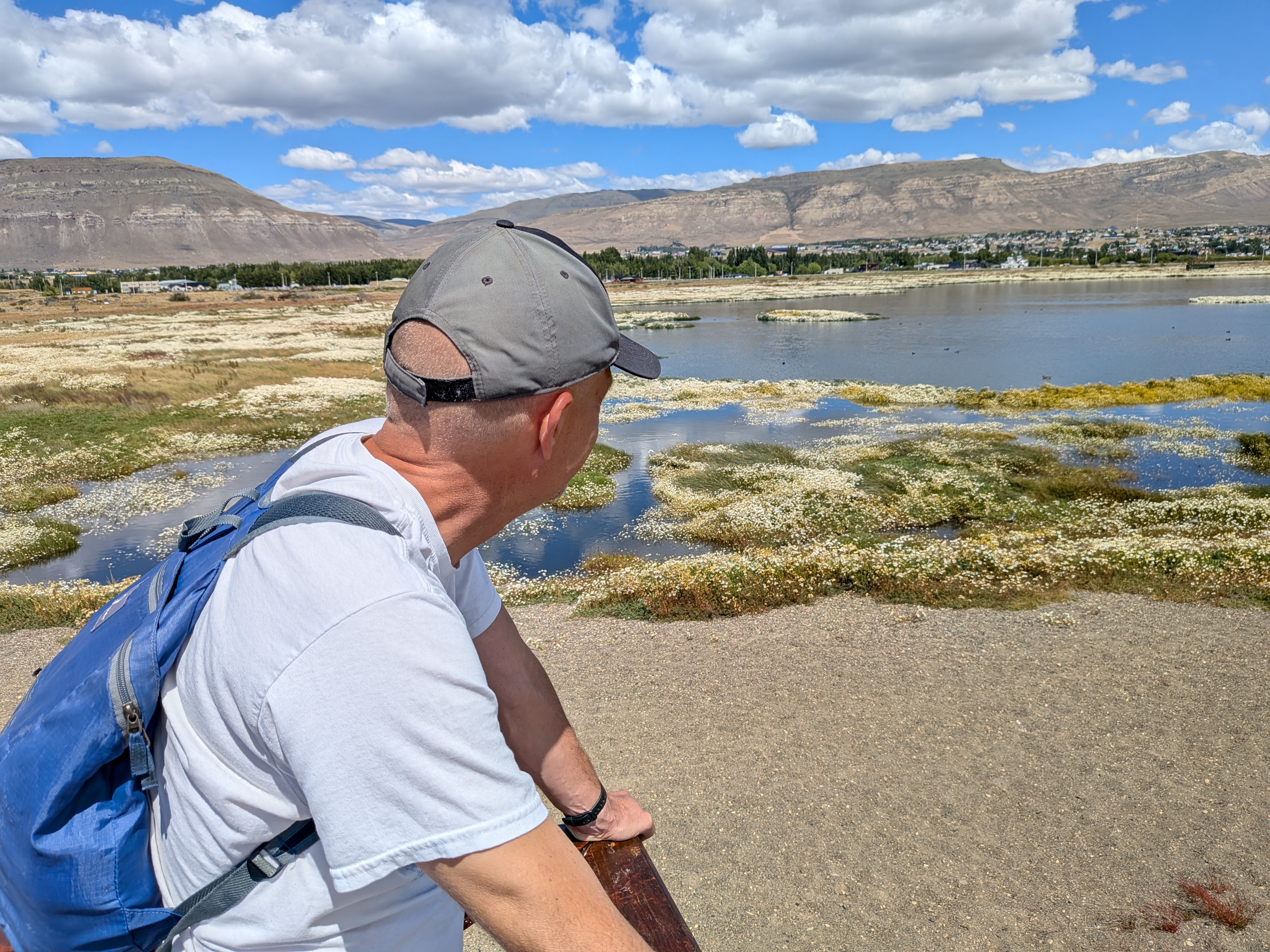
The people that make their way out here are usually looking for the adventures that the mountains and expanses of wilderness have to offer, and I have made some plans to make sure I participate in this, but I first needed to acclimate myself to the area after a long day of travel to get down here. I wanted to get out and explore the area, but not do anything too strenuous to start off. The obvious choice came from a wetland preserve on the edge of El Calafate called Laguna Nimez.

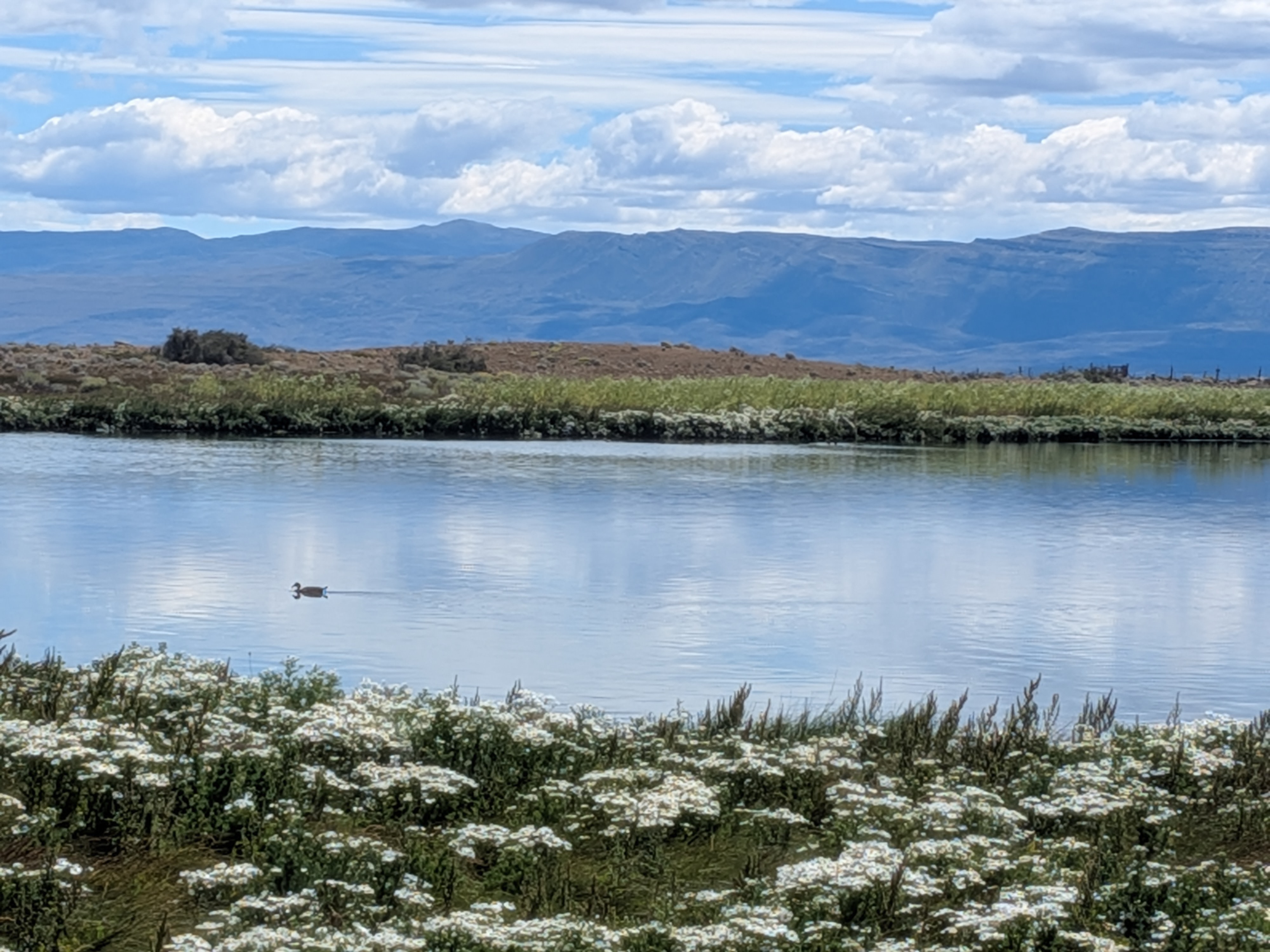
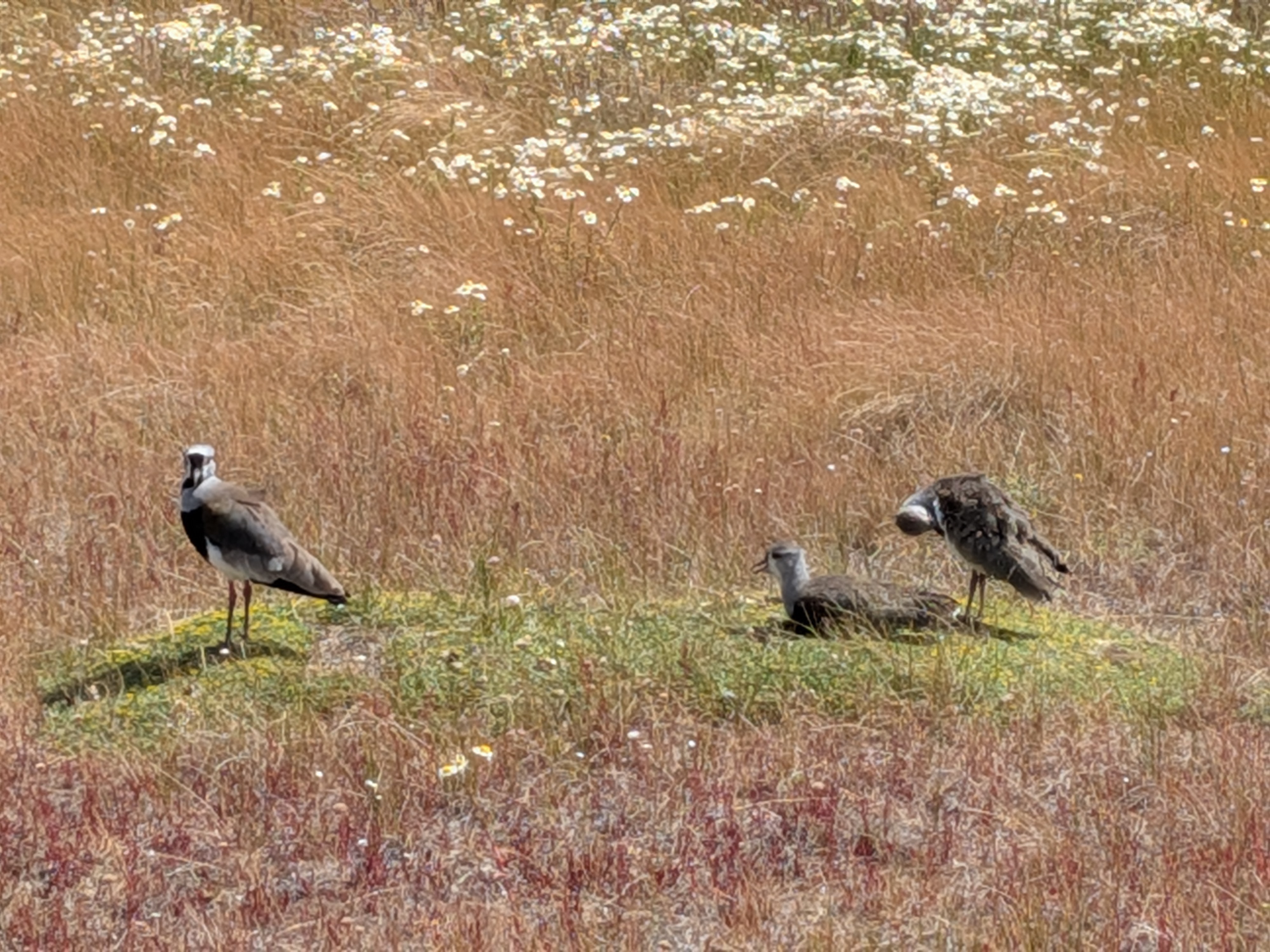
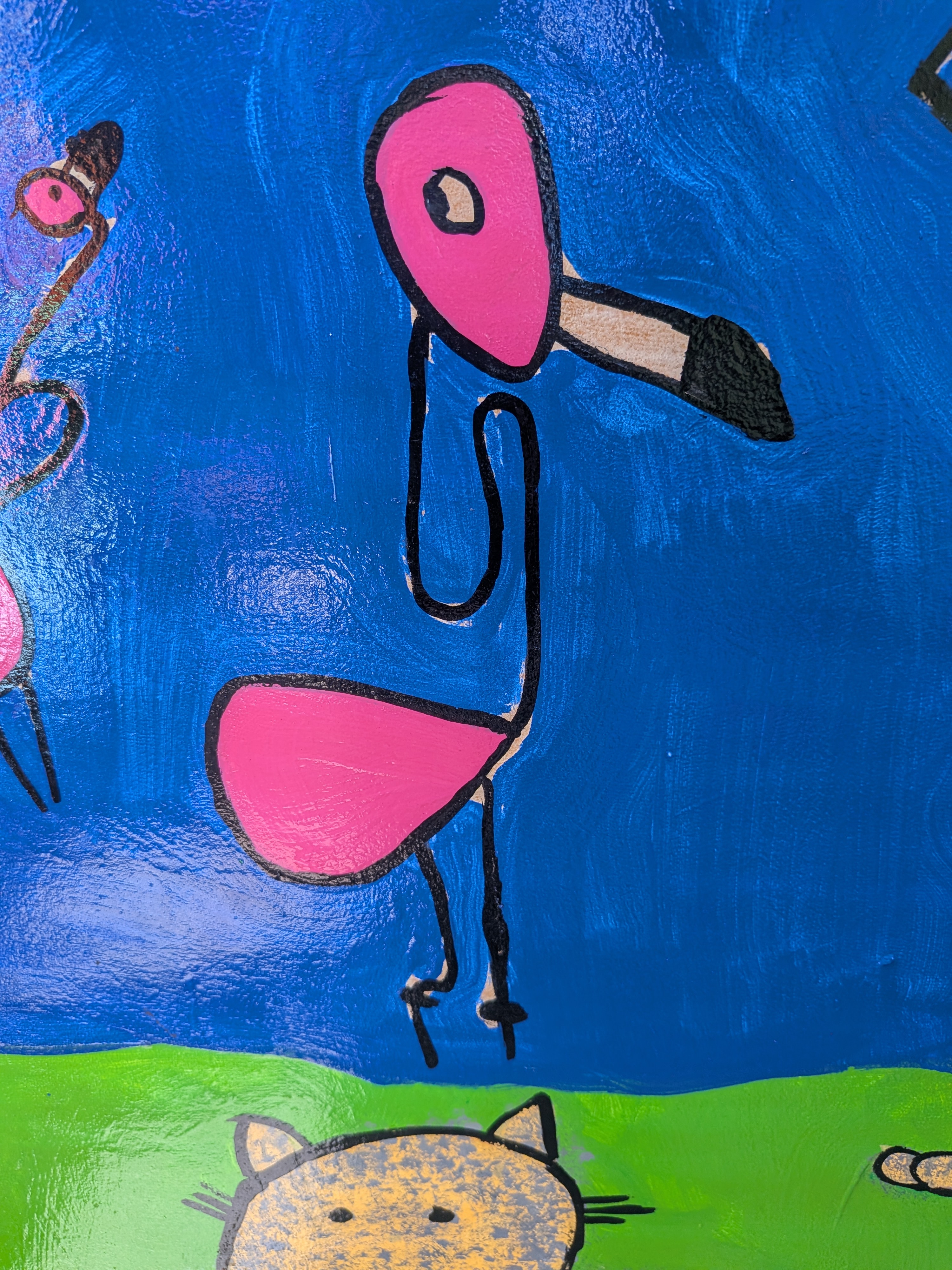
The preserve is a avian sanctuary where numerous types of birds find themselves at home. There are many types of sparrows, finches, ducks, swans and other birds that hide among the tall vegetation, swim in the lakes, or hunt along the sandy shores. Most people make their way here to see flamingos as they graze in the wetlands, and take pictures of the beautiful landscape along the way.

Though we spent time looking for these colorful birds, we did not find any while we were out there. We were told that they are in town year round, but the prime viewing times happen in the spring or fall months. We were hoping to get lucky, but it just did not happen. Still, we saw many ducks, and other kinds of birds to satisfy our curiosity about the place.

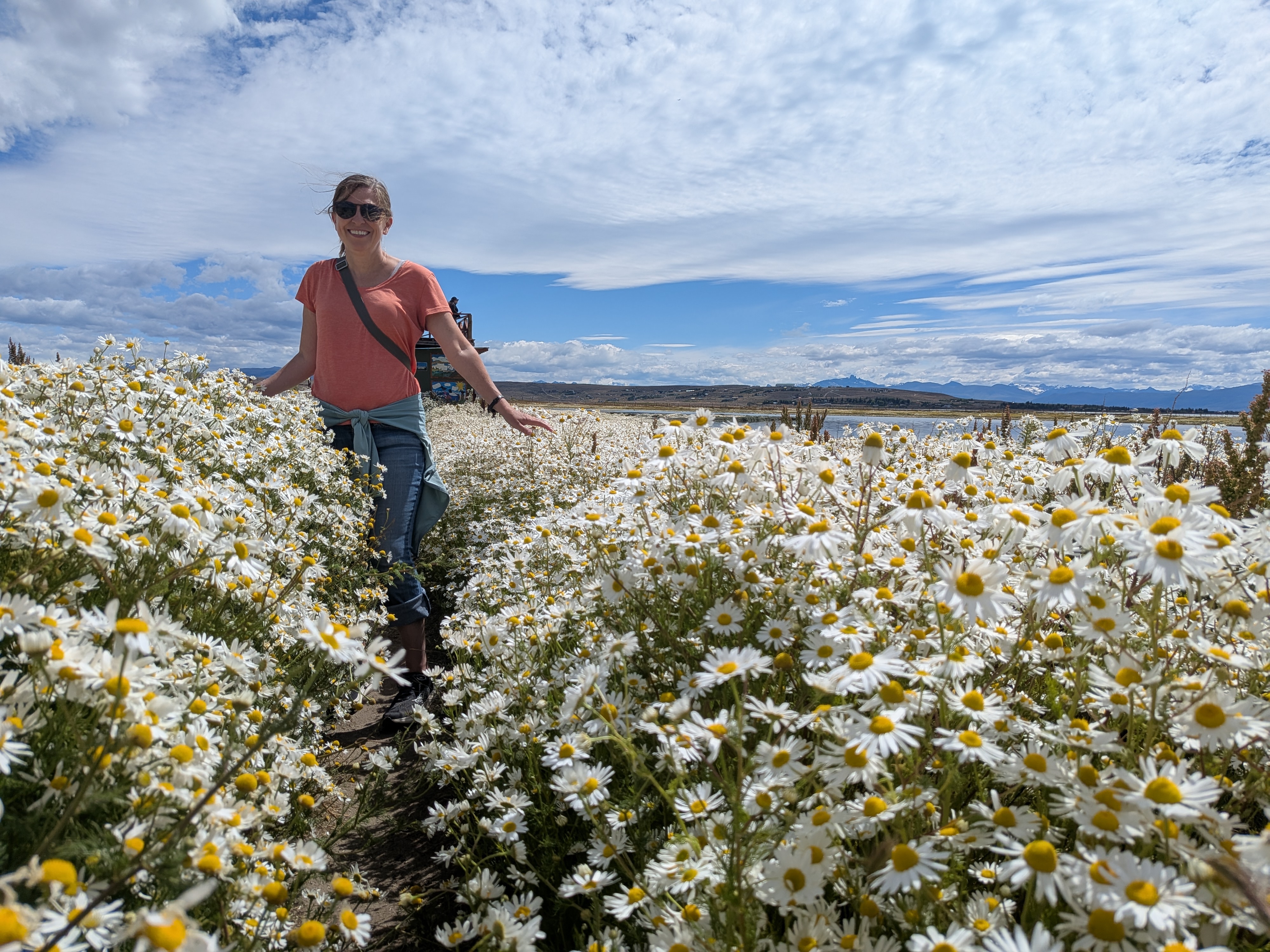
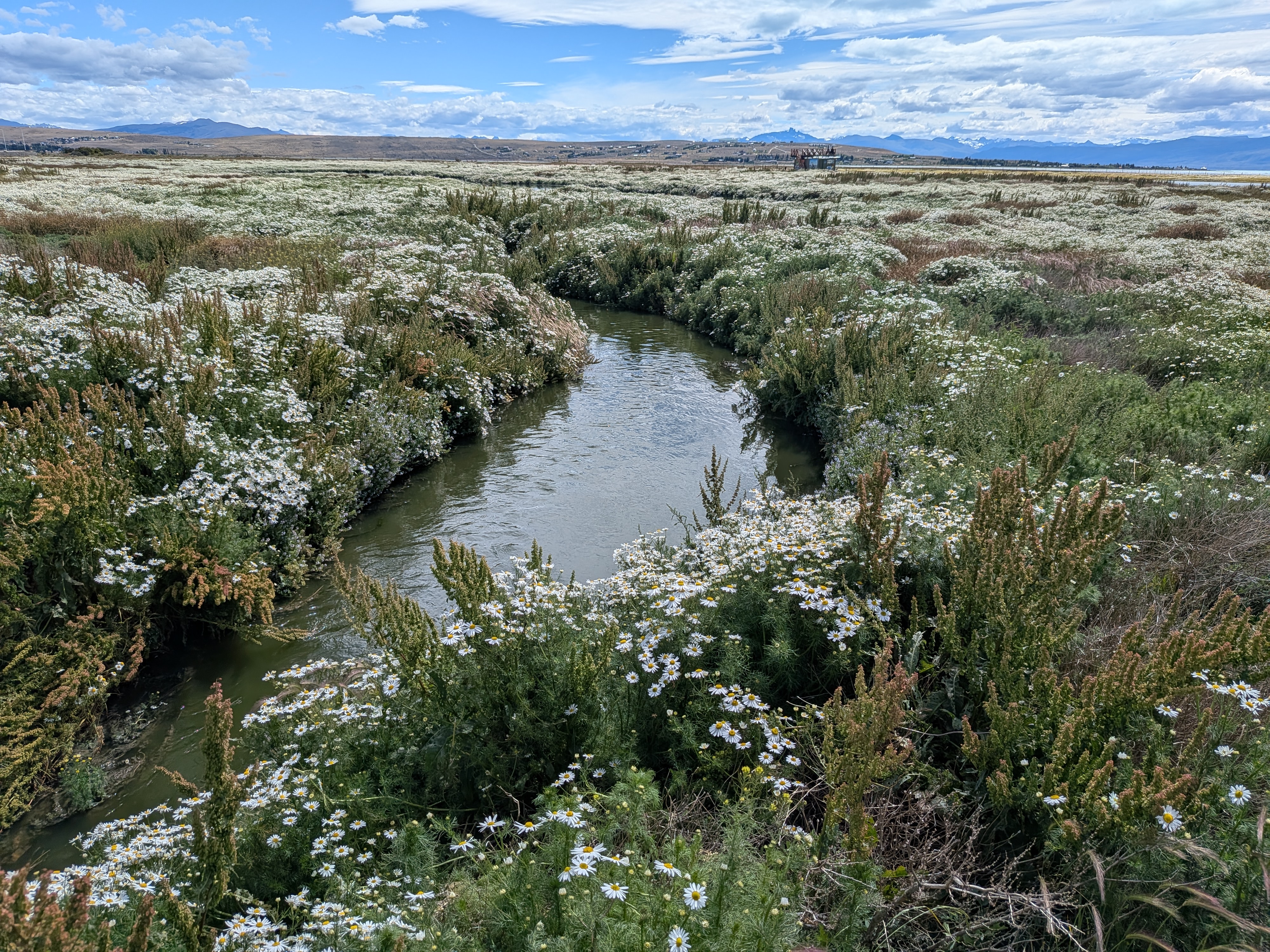
And what we did not see with birds was made up for by the bounty of nature that was blooming all over the location. The fields of wild flowers was just as beautiful to look at as did the landscape of mountains and blue waters that were all over the place. It no longer was about the birds as we strolled through this area. Instead, we just enjoyed the scenery.

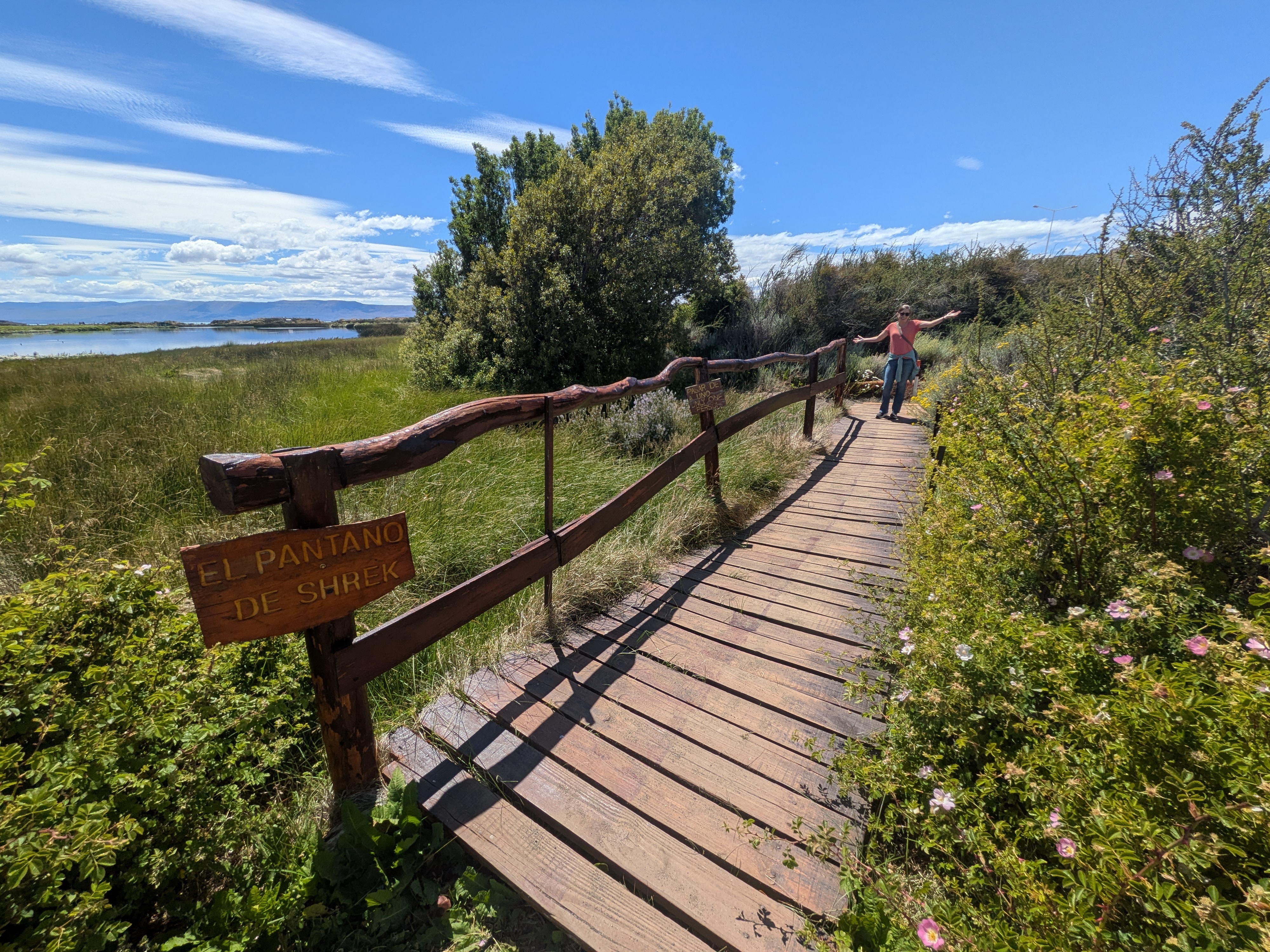
The walk was not that difficult either. The whole path is three kilometers long, and basically flat. Most of it follows a wooden boardwalk that they would like you to stay on so that you do not disturb the fauna of the region. Even if you tire out, there are many benches along the way that you can sit down and enjoy the relaxing views while you collect your breath, but that was not necessary for someone who spends a lot of their time outdoors. But for those who struggle with longer walks, this is a great one to take because it is not too strenuous and has a lot to see at the same time.

There is even a place where you can pop out of the wet lands and go to the sandy shore of the lake. It would be a wonderful place to spend an hour or two and the tickets for the location allow for access to the sight for ten days. So if you go down to look at the birds one day, you can come back the next day and enjoy the beach. It is a nice ticket to have if you are spending a couple of days at El Calafate.

There are many things to do in the town of El Calafate and most people spend that time up in the hills and the glaciers, but Laguna Nimez is a nice way to ease yourself into the business that will happen when you start to explore these other places. It is a nice way to get out in nature, and enjoy what this part of Patagonia has to offer. It is definitely worth an afternoon to stroll around the place, enjoy the birds and the scenery.