The Painted Hills – Central Oregon

Oregon is one of the most diverse states within the United States. It has costal regions, high dessert, mountains, small towns, big cities, and long beautiful rivers. There is a little something for everybody in Oregon, so it should not shock me when I come across a new region that adds to the diversity of this state, but this is exactly what happened as I traveled to one of the more hidden gems out here. The Painted Hills not only showed me a new side of Oregon, but showed me something new that I had never seen before.

The Painted Hills are one of Oregon’s seven wonders, and one that many people do not make it out to. It has been designated as a National Monument, so there are people there, but it does not attract the crowds like Crater Lake of the Oregon coast does. The infrastructure around the location is not as built up as well with not a lot of locations to stay at except for a few campsites in the neighborhood so it makes it hard to plan to get out to the location. Luckily, the location is not an all day place, and can be enjoyably viewed within a couple of hours. It is the perfect place to stop by and see, especially if you are traveling from the Columbia Gorge to the Bend area in Central Oregon.
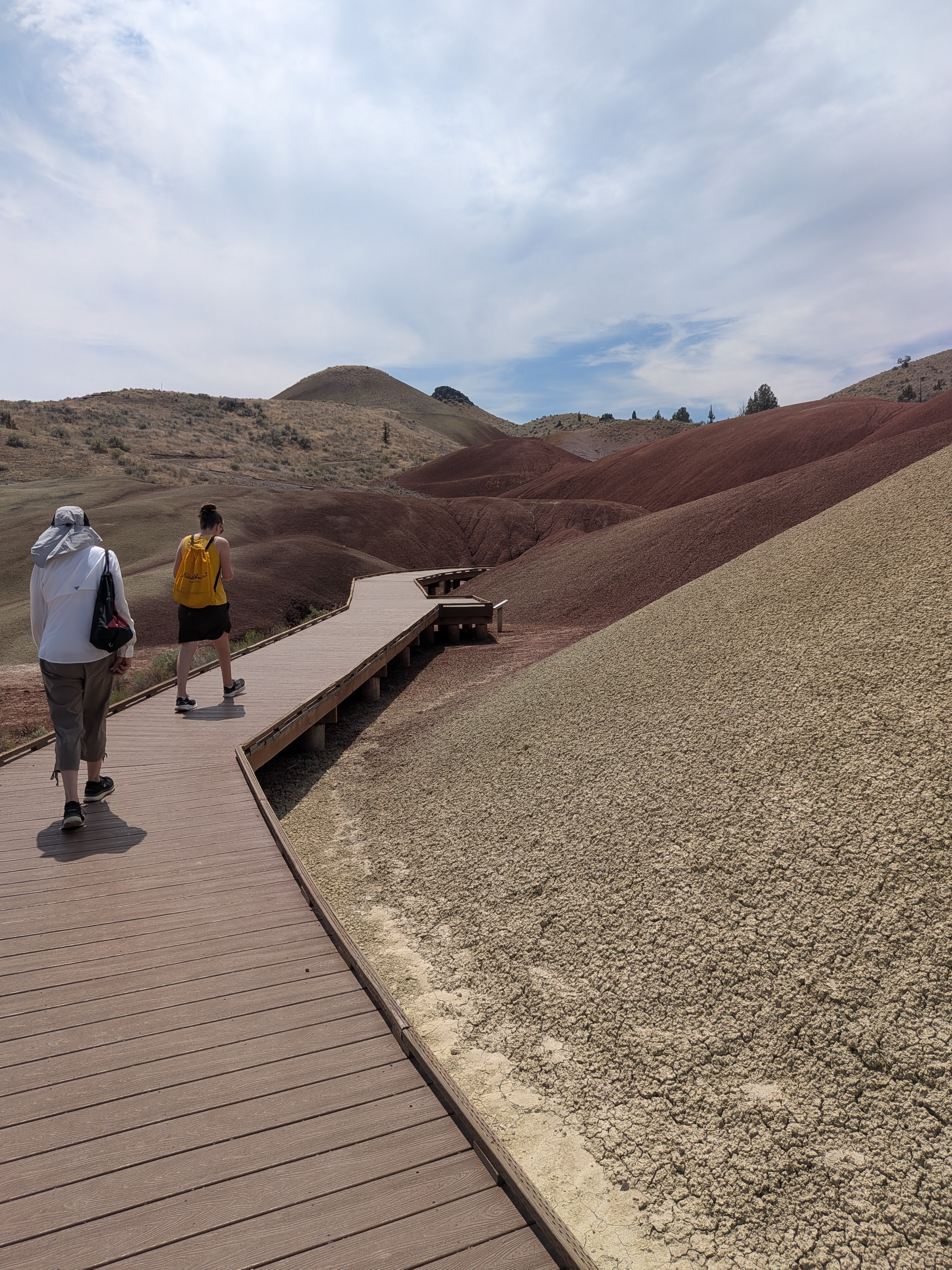
The Painted Hills have four hikes with a couple of miles from each other. Most of the hikes are less than a mile and are on well designated path to keep people off of the fragile soil of the monument. Three of them are relatively easy to do with very little elevation gain, and the longest hike is the most difficult going straight up a mountain to a spectacular view of the whole region. For the most part, anybody can do the three shorter hikes, and the hardest hike can still be accomplished by most people. They are all pretty close to each other with only short drives in-between them. During the summer months, it does get hot at the location, so make sure to bring plenty of water.
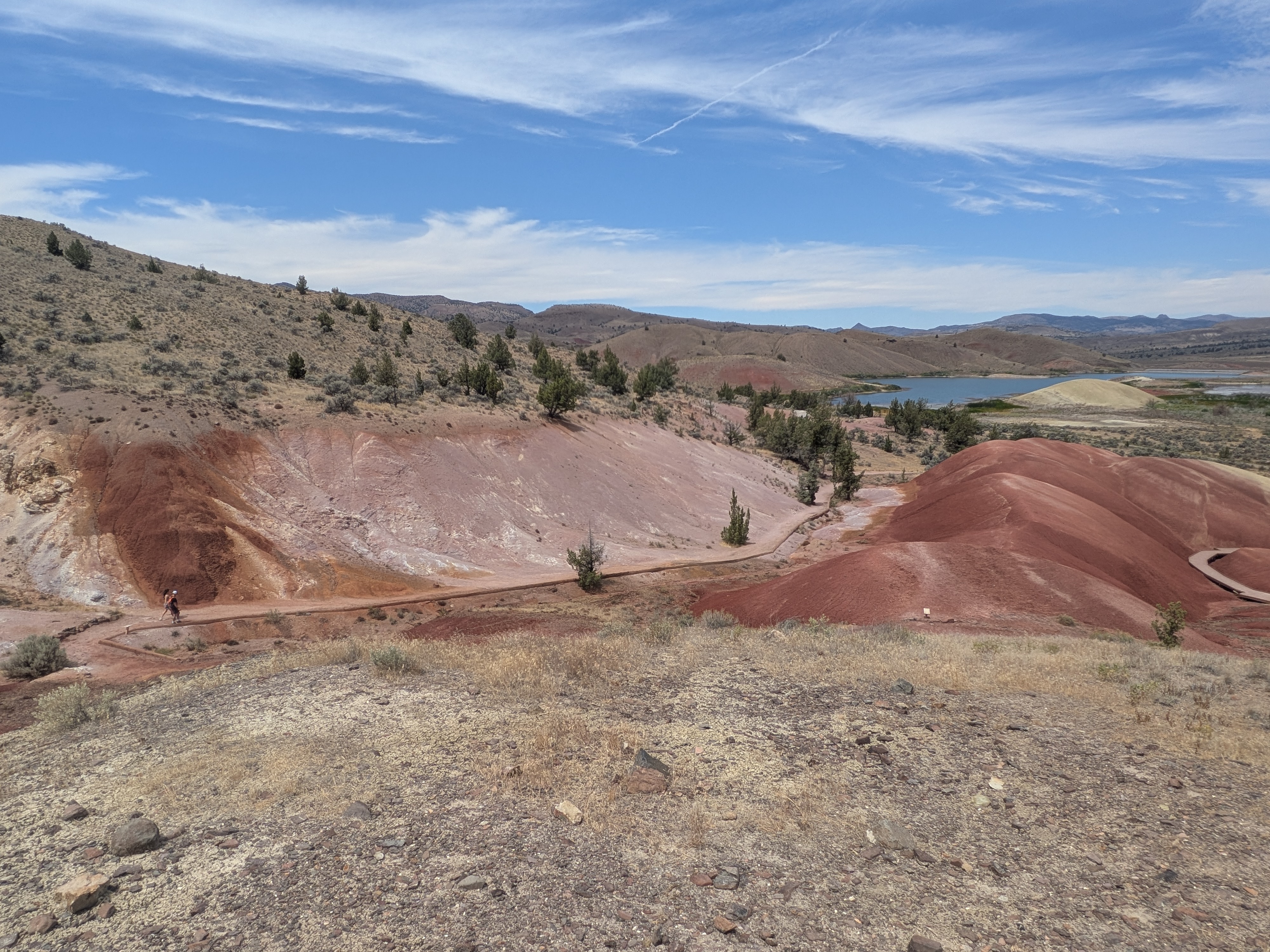
Besides the views that are offered, there is a lot of other interesting things to witness at the sight. There is a small oasis at the ranger station with picnic tables, perfect for lunch. The rangers are also well informed and are willing to ask any questions about the Painted Hills. Even if you do not ask them questions, there are a lot of information signs all around that can tell you about the formation of the hills, what the place looked like thousands of years ago, and about all of the fossils that have been found at the sight.
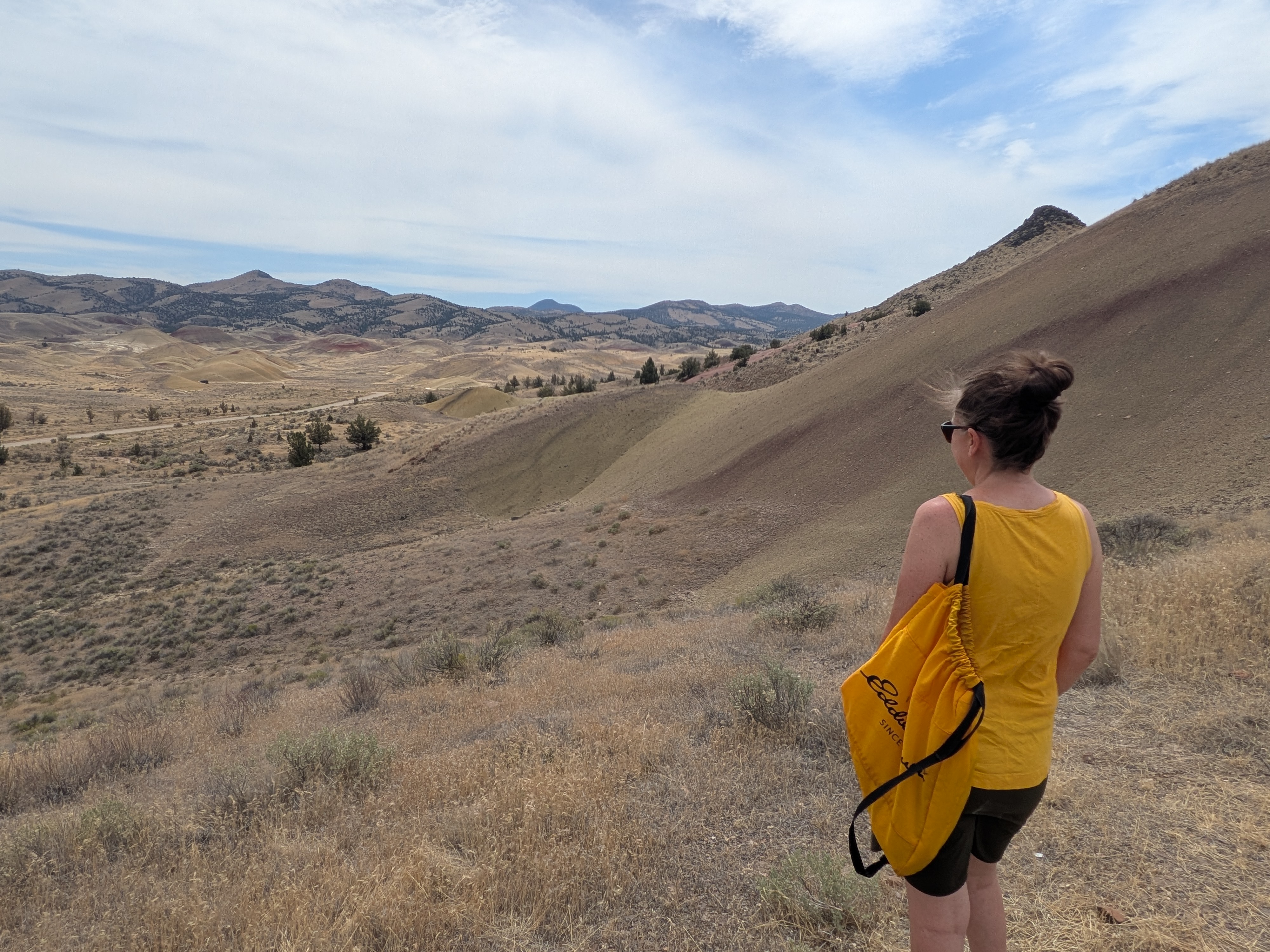
It is easy to see why the Painted Hills are one of Oregon’s seven wonders. It might not be the easiest of locations to get to, but it is worth the drive to get out there, and even better to make a stop at if you find yourself in the location. It is just another example of why Oregon is one of the most beautiful states in the United States.

Until next time, keep on finding those hidden gems out there.

Eat Like A Local – Mexico City Food Tour

One of the greatest parts of travel is eating the local cuisine, and there has been nothing that has excited me than to travel to Mexico for the first time in my life and eat one of my favorite cuisines, Mexican. I know. Here I am, world traveler, who has been to almost 60 countries, and I still have not been to Mexico, even though it is right next door to America. Yeah, I know. There was a time in my life where I thought I would never make it here, but we decided to do a five day stay over in Mexico City before making our way to America for the summer months, and on our first full day here, we went on a food tour with the perfect choice for this kind of excursion, Eat Like a Local.

Eat Like a Local is a food tour company that grew out of an inspiration that tried to create a different experience than the ones that many tourists join when they are traveling around the world. The food tour companies are not always about finding those little hidden gems that the locals know about, but instead, they are looking to make deals with bigger stores to help them bring in more business. This is where Eat Like a Local is different. They want to guide people to those spots that help support the local economy and showcase what Mexican food is all about.

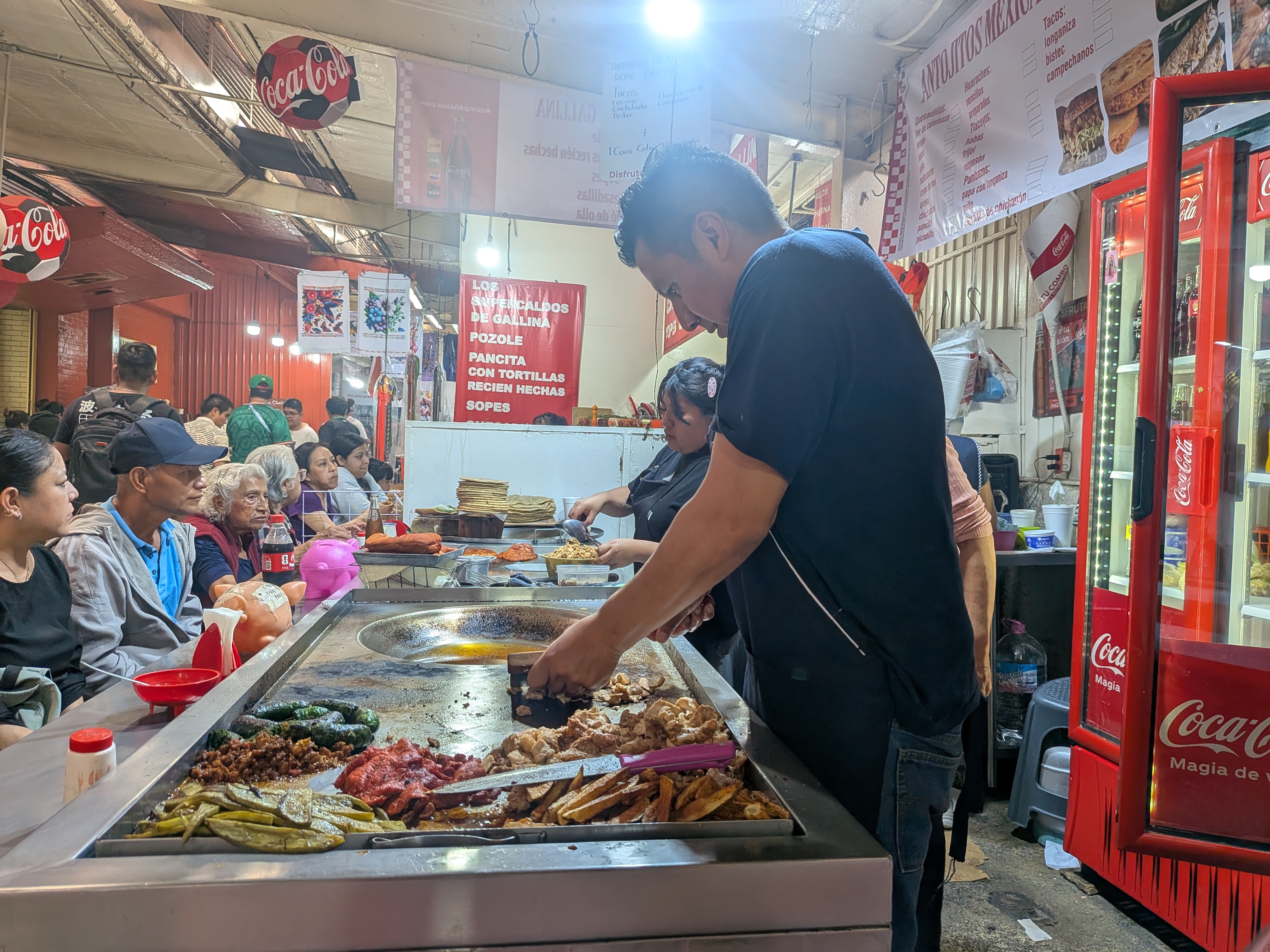
This took us to the markets, and street vendors that are all over Mexico City. It wasn’t just about the food, but also being a part of the local culture as we went to La Merced, an underground market filled not only with fresh produce, but flowers, and many other little necessities that people might need to make it through their day to day routines. It was also great to go through with a guide because she was able to point out some things that I would have never noticed if I had not been with her.

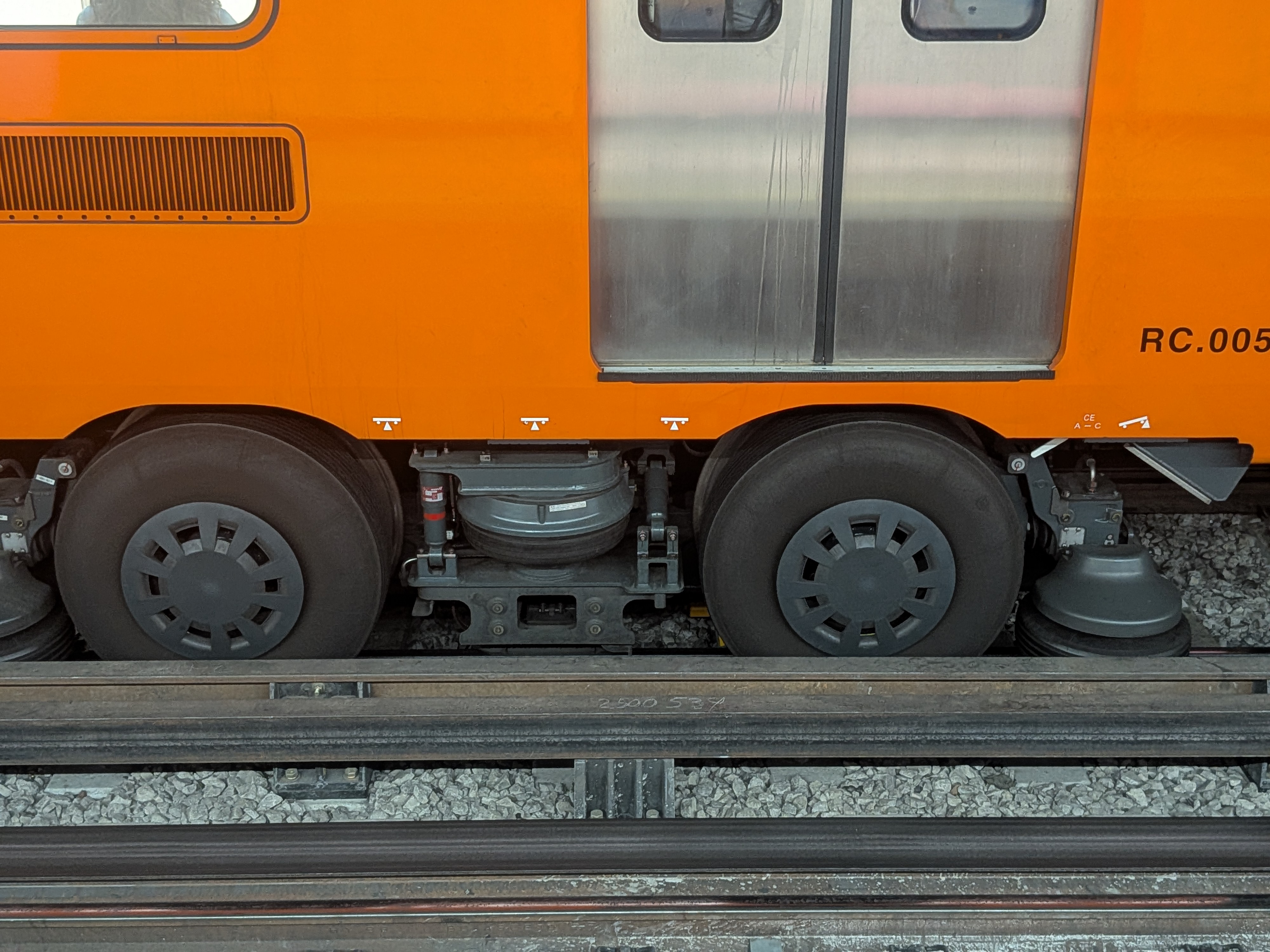
The subway trains were the ones that fascinated me the most. I would have just gotten on and off them without really looking around. The trains looked old, and most of the time packed, so I was trying to find my space without having to get too close to any other stranger on the subway. The ride was a little jittery, but not as bad as some of the other older subway systems I had been on. When it was pointed out that Mexico City had one of only a couple of subway systems that put tires on their trains, I started to understand why.

Each subway stop also had its own decorations. At first, they were used during the Olympics to help guide passengers to the correct stop, but some of them had more symbolic meaning behind them. My favorite was the ducks. The station was originally built on wetlands, but the designer of the station included ducks because it was also the entrance to one of Mexico City’s oldest markets. Because it was such a busy location in the city, it attracted a lot of pickpockets and thieves, and the duck was a symbol of tricksters and criminals. They eventually moved the center of the legislative government to this location, and some people thought that the ducks were a no longer appropriately symbol for this stop. Fortunately, more people thought that they were even more appropriate and they stuck around.

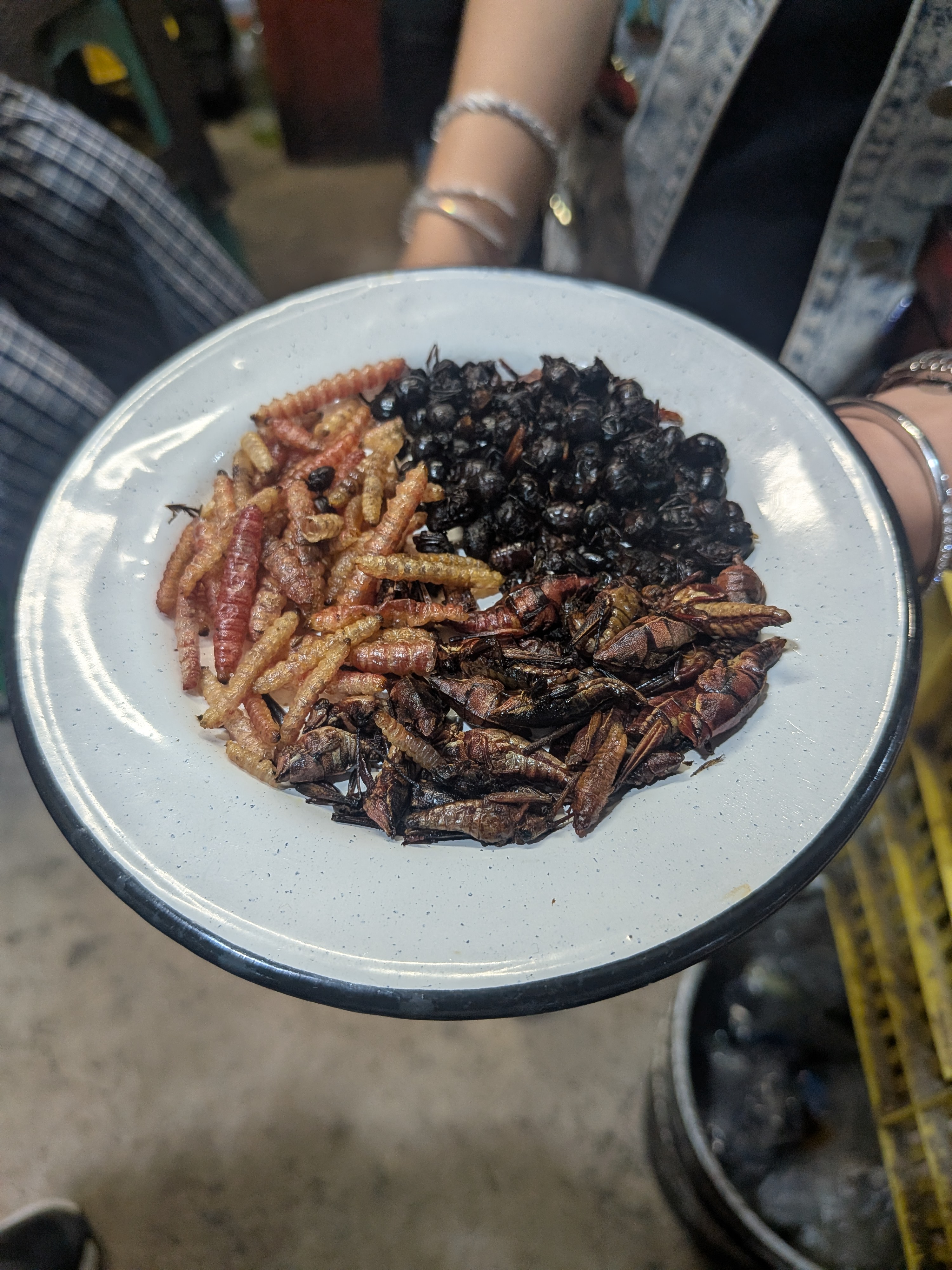
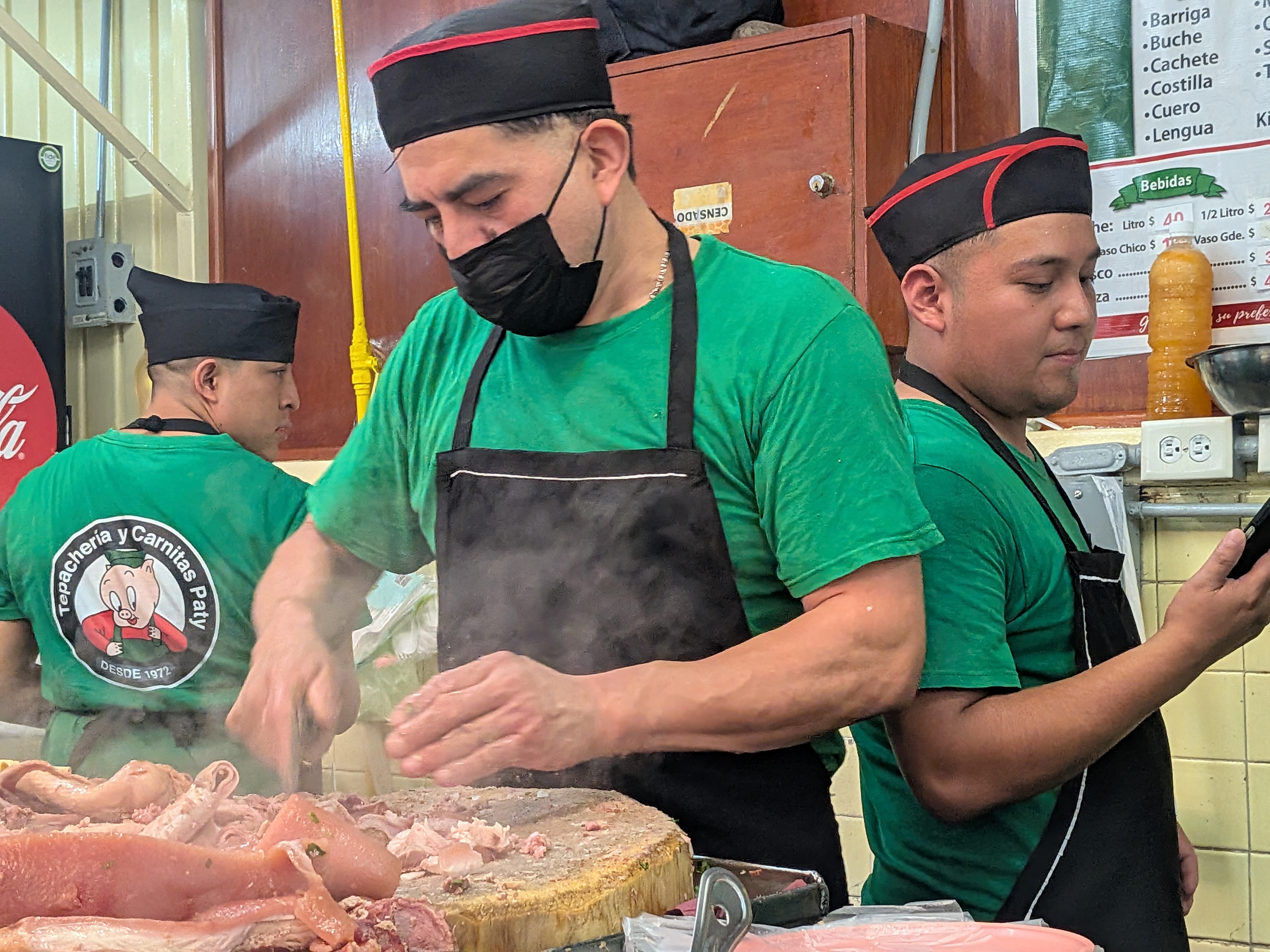
Still, the tour’s main focus was about the food, and there was a huge variety of food to be had along the way. Mainly they involved different types of tacos that were made right there in front of you, and there is a huge variety of tacos to be had in Mexico City. We had tacos filled with pescado (fish), chorizo verde (a green sausage made with spinach, nuts, and spicy meat), carnitas (pork), and mixiote (a traditional way to cook meat that involves boiling it for hours in the skin of an agave plant, and my favorite). Each dish was more delicious than the next and included esquitas (roasted corn), fresh fruit, and quesadillas, and I was able to enjoy all of it. The only dish I could not bring myself to eat was the plate of bugs that was offered to us. I am adventurous and have eaten bugs before, but once in my lifetime was enough for me, and I could not do it again.

The Eat Like a Local food tour through Mexico City was a great way to spend a day and made me so full that I had to wait until later that evening before I wanted to eat again. I would recommend doing it on the first full day that you are in Mexico City because not only is it a great way to get to know the culture, but it also helps to establish the lay of the land as you spend the next few days navigating this large city. I appreciate Panda, our guide, as she showed us around and it will be a day that I soon will not forget.

Lunahuana – An Experiential Vacation

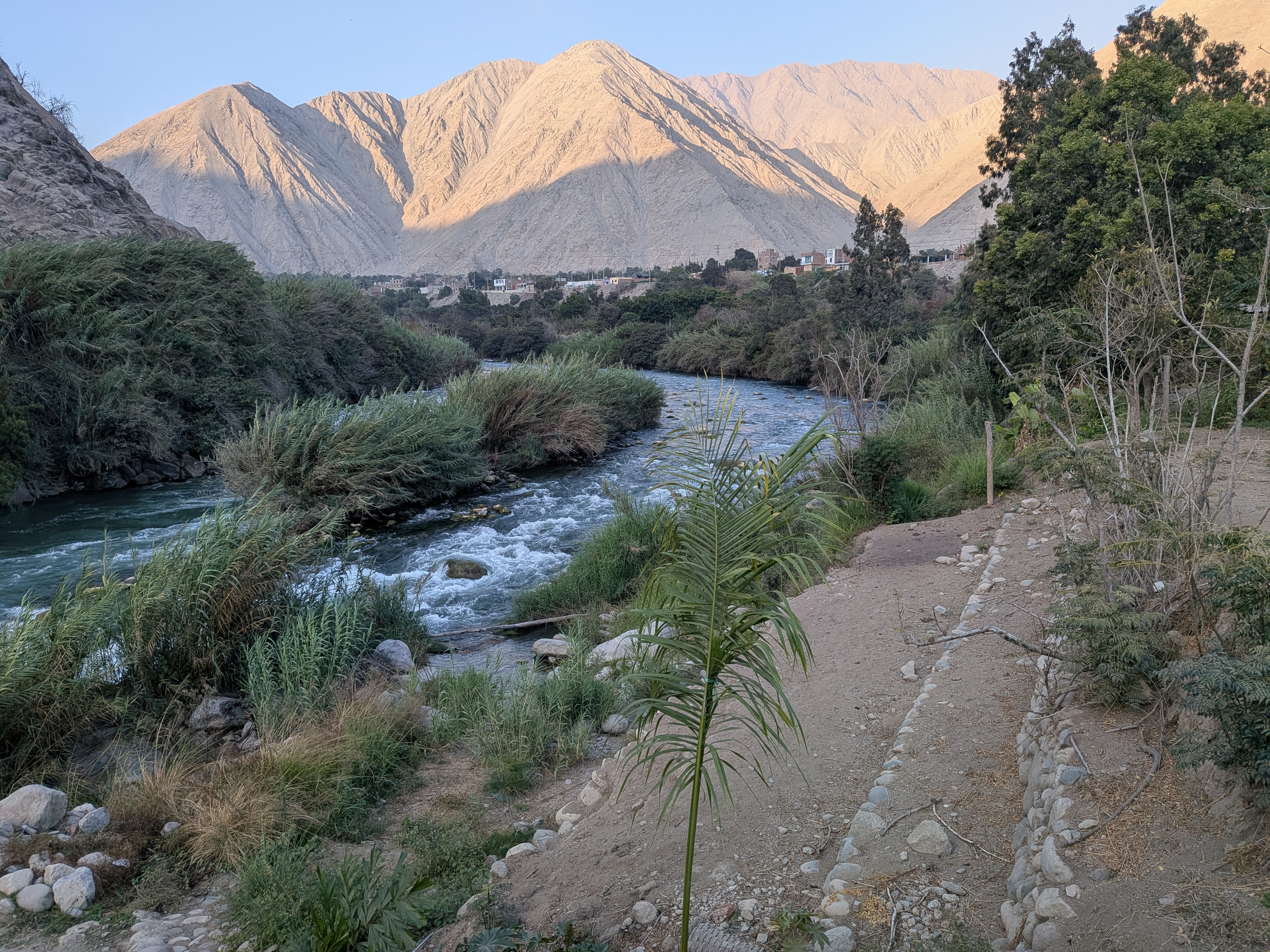
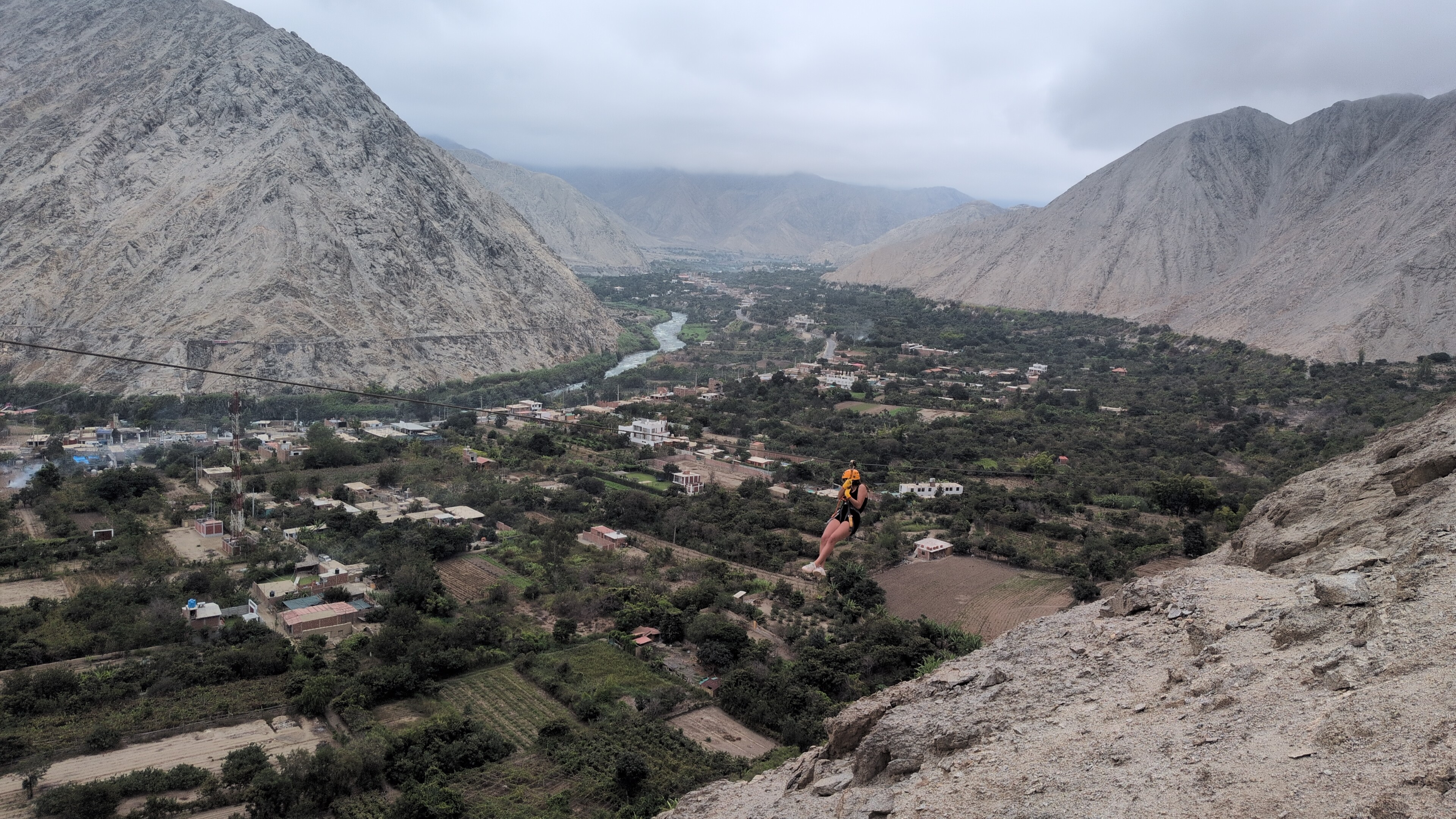
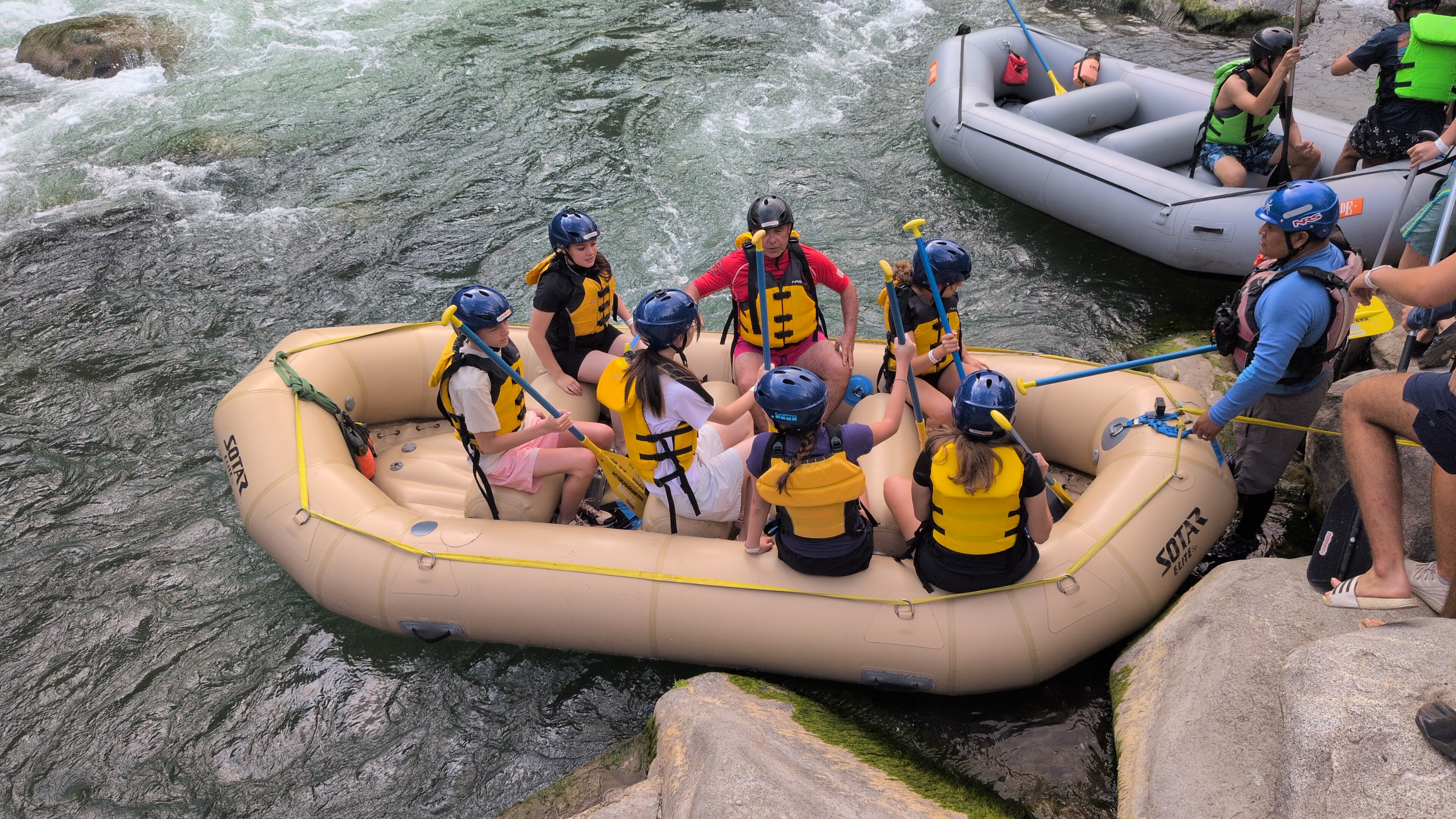
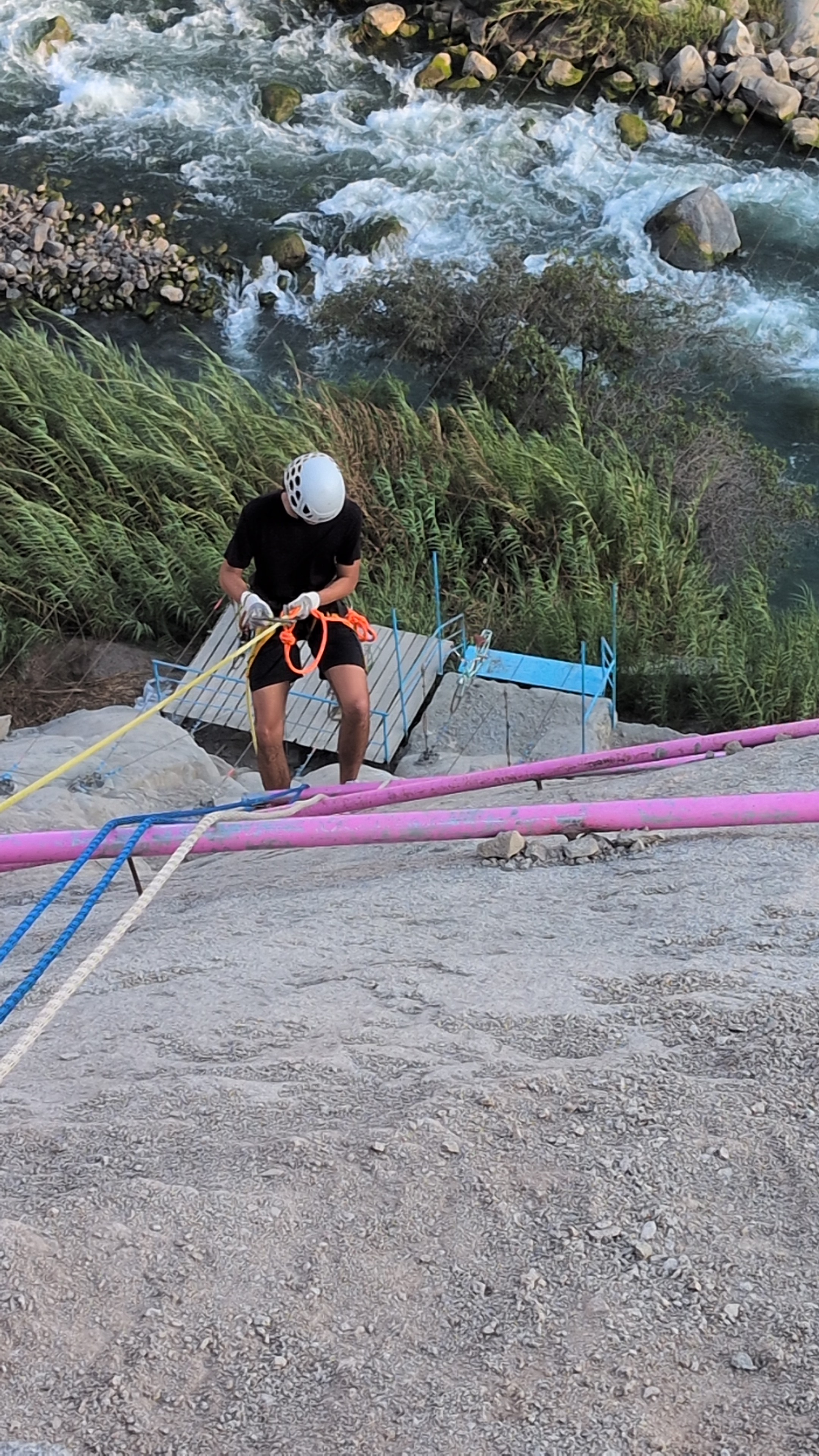
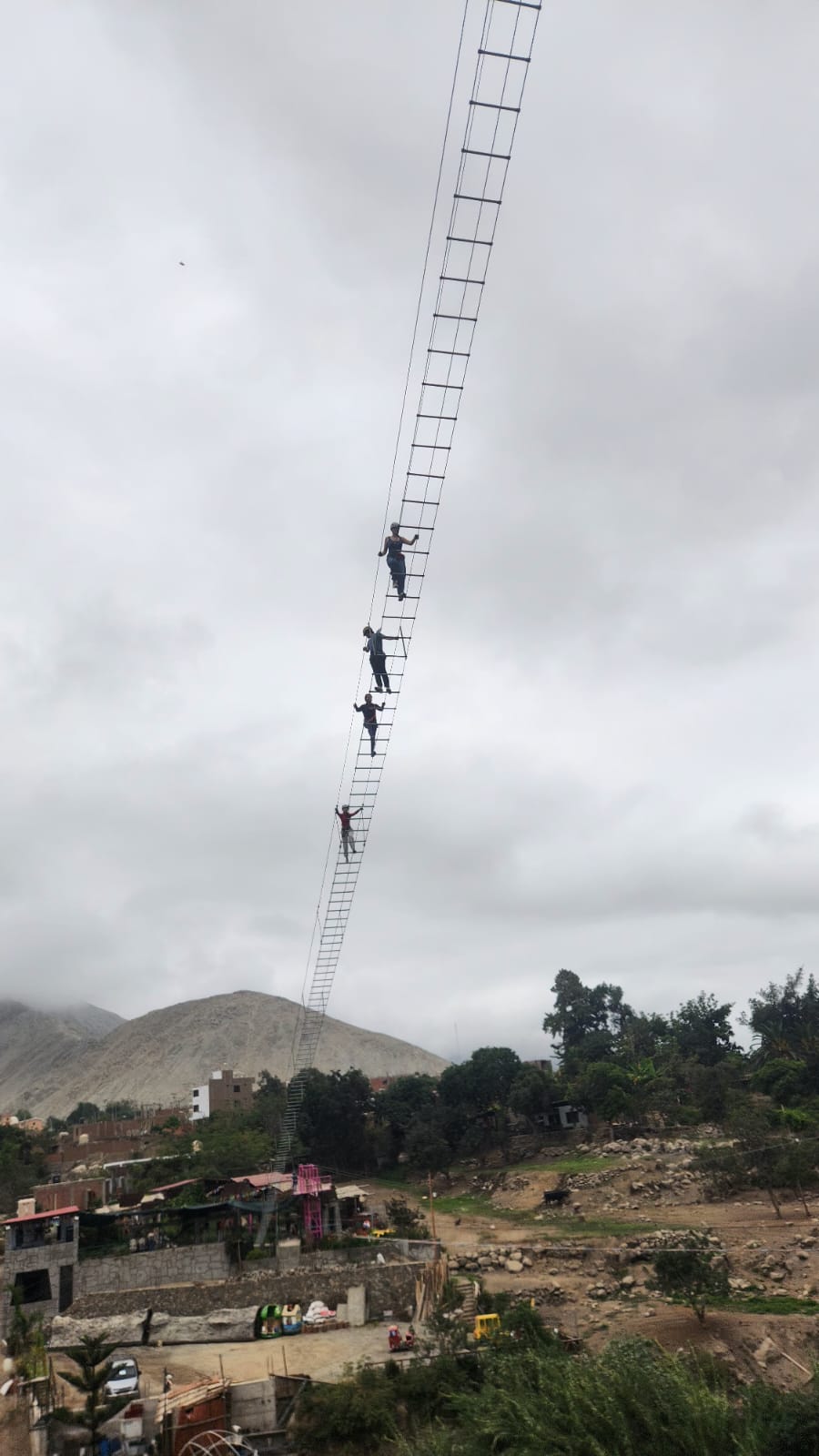
I recently asked one of my students where people traveled to in Peru. He rolled his eyes, looked at me, and instantly said Cusco. I realized my mistake, and asked for clarification; where did Peruvians go to for their getaways. He talk about many spots along the coast, and then mentioned one spot not far in the Andes where Peruvians went in the Andes mountains not far away from the coast where some went to play on the river or around the surrounding mountains. There are ruins, and playgrounds set up for both children and adults. It is not well known by people outside of Peru, but it is a great getaway for those that live in Lima. I got to learn about all it had to offer as I took my students out on an experiential education trip to this region of the Andes Mountains.

There are many things to do in this valley, and a bunch of vans to take you up and down the main road that follows the river to take you to these activities. The travel only takes fifteen minutes at most from the furthest away hotel, and some of the hotels even have some of these activities available on their grounds. All of the activities are great outdoor experiences throughout the year because even in the coldest months, it is still warm enough to enjoy these activities.

The biggest problem with the whole area though is the river. There is always water in a very dry climate, and this creates the perfect conditions for mosquitoes. They are all over the place, and they are hungry. If you come to this part of Peru, remember to bring your bug spray because you will want it to keep these critters away. I had not sprayed any on me when I first arrived, and I had my one bottle hidden in the bottom of my suitcase. I thought I would be okay, but the bugs just saw fresh meat and they were all over my legs within seconds. There are still welts all over my body from those first few moments that I arrived, and I am sending out that warning to anyone that comes.

Do not let the bugs discourage you from coming. As soon as you lather yourself in the bug spray, the activities are a joy. There is rock climbing, high ropes courses, zip-lining, kayaking, rafting, bird-watching, camping, ruin exploration, and just taking a stroll along the river. Each of the activities take about an hour or two to accomplish which makes for the perfect trip experience where you take on a challenge in the morning, head back to the hotel for some downtime, and then heading back out for a completely different experience in the afternoon. It makes for the perfect balance of fun and relaxation so you can come back from the trip feeling refreshed and yet having experienced something that you can hold in your memories.

It is definitely not the first place you should choose if you are coming out to Peru. Go to the Sacred Valley if this is your first trip out here. But for those who live in Lima, and have done all of the big things that Peru has to offer, and are looking for something new and exciting, Lunahuana is a great place to consider. It will give you a unique experience out in this country that you might not have thought to have in the first place.

Semana Santa – The Unofficial End to Summer

You can already feel a nip in the air. The autumn equinox has already come and gone, but people are not ready to believe that the weather is going to turn and they will have to retreat to the safety of their homes. Luckily, in the southern hemisphere, there is a week that is held with reverence that allows for that one last fling to enjoy the weather that is usually enjoyed during the summer months, Semana Santa, or as it is known in the English speaking world, Holy Week. In Peru, this week is treated as a national holiday, and everybody has the long weekend off to enjoy with their family and friends.

This combination of weather, vacation, and attitude creates a pilgrimage to the beach towns along the Pacific coast as people try to squeeze in those last moments of summer. It is not so much about the Holy Week as it about enjoying what the last vestiges that the warmer weather has to offer. It reminds me of Labor Day weekend in the United States as everybody leaves the big cities to find those places on the coast or in the mountains where they can find time to relax and pretend that winter is not so far around the corner.

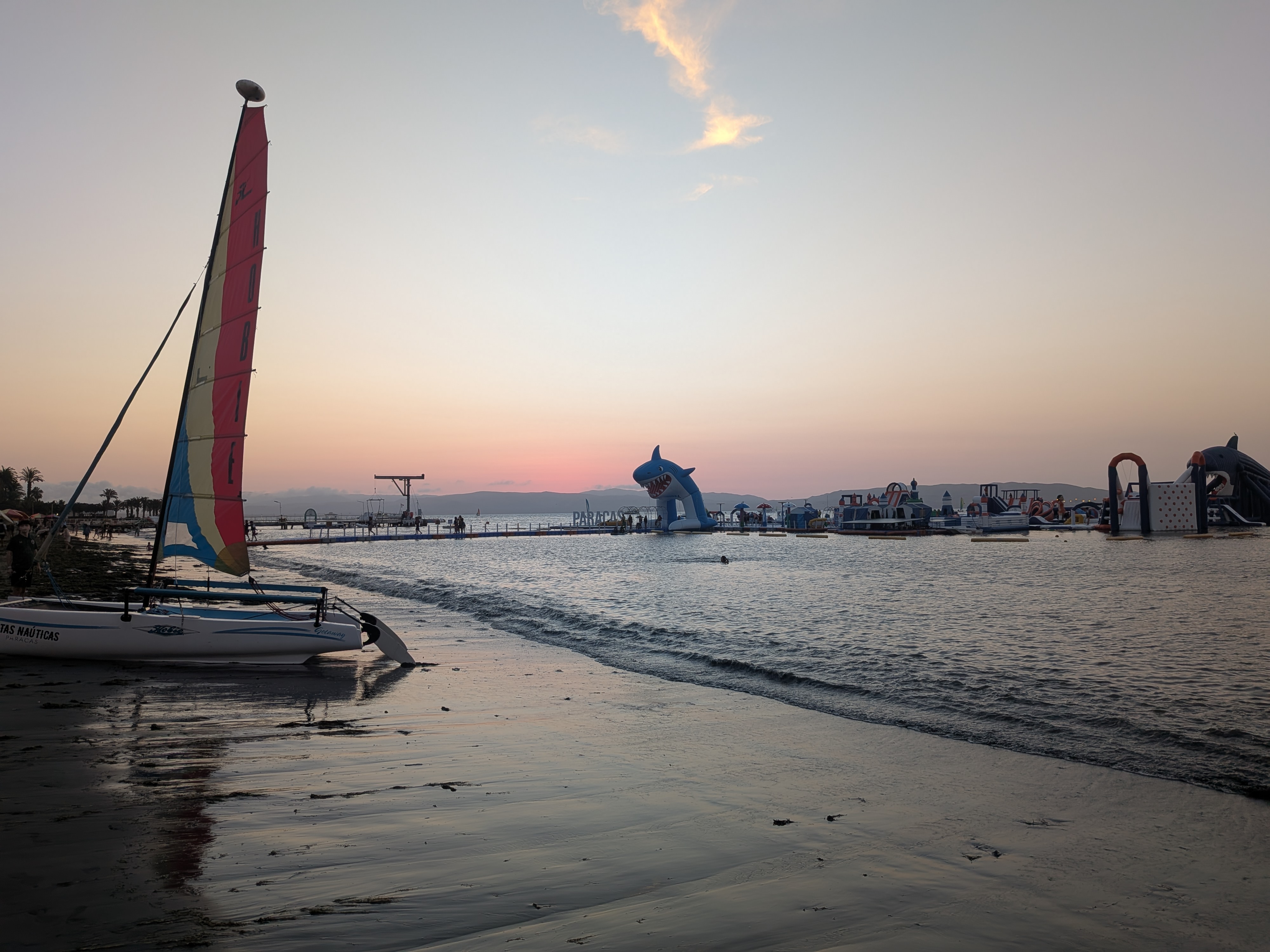
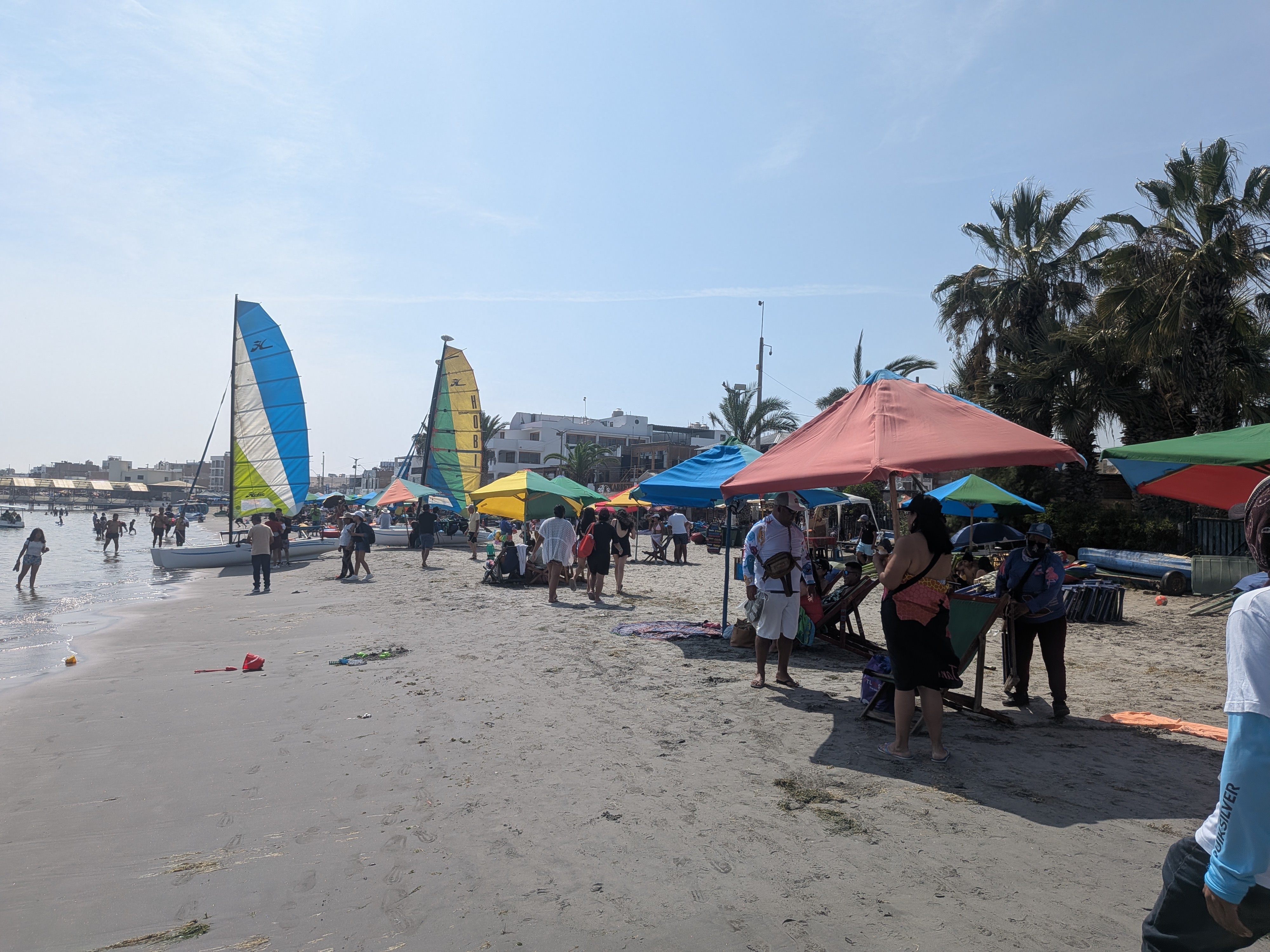
I should have expected this from one of the beach towns that was closest to Lima, the big city where I live. But I was not thinking of this when I booked my weekend getaway. I was thinking more about a beach that I could relax on, a place not far from my where I could unwind for a bit, and a place that had a little bit of culture and cuisine that I could say that I had experienced something new by going here in the first place. And I do have to say that I did experience something new by coming down here, but I came down during the wrong weekend because everybody else had the same idea that I did, and came down to Paracas as well. It created crowded beaches, and restaurants, and the whole vibe was a big party that everybody was there to get their last moments of fun.

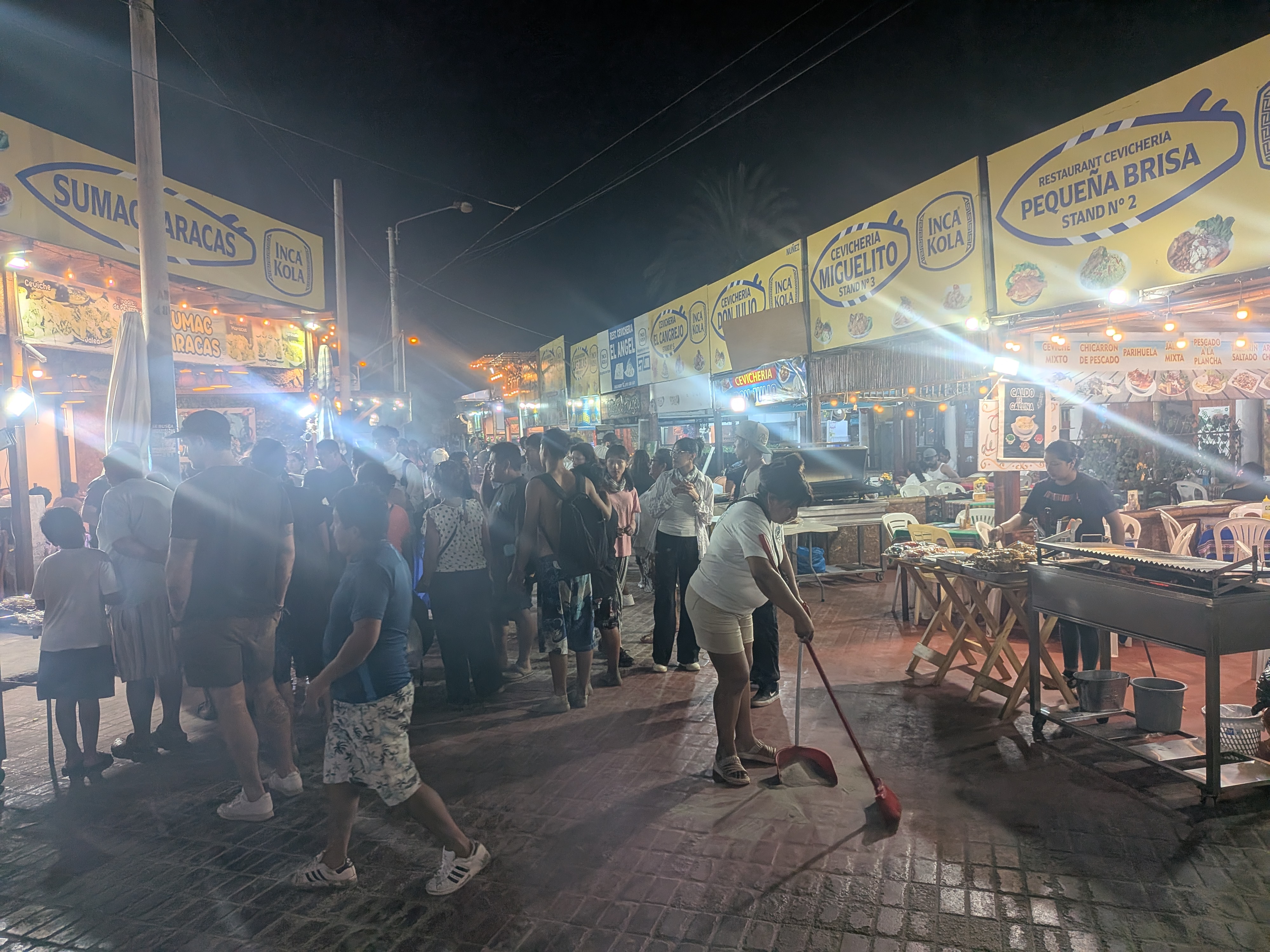
Despite the crowds, we were still able to find the charm of this city. It was not in the places where we expecting; instead, it was in the back streets further away from the beaches. It was here that you were able to get away from the DJs and large concerts going on to mark the end of the season. Instead, we saw the things that make Peru a great place to be. There was a street food section where the flavors of the grill could be smelled wafting over the brick walkways. Each little booth was run by a different family and they had a small selection of seating next to the spot where they cooked your food. You could find anticuchos (grilled cow’s heart), picarones (fried sweet potato rings), and chicken or pork tamales. It was the perfect place to grab a local cerveza, and grab a bite to eat.

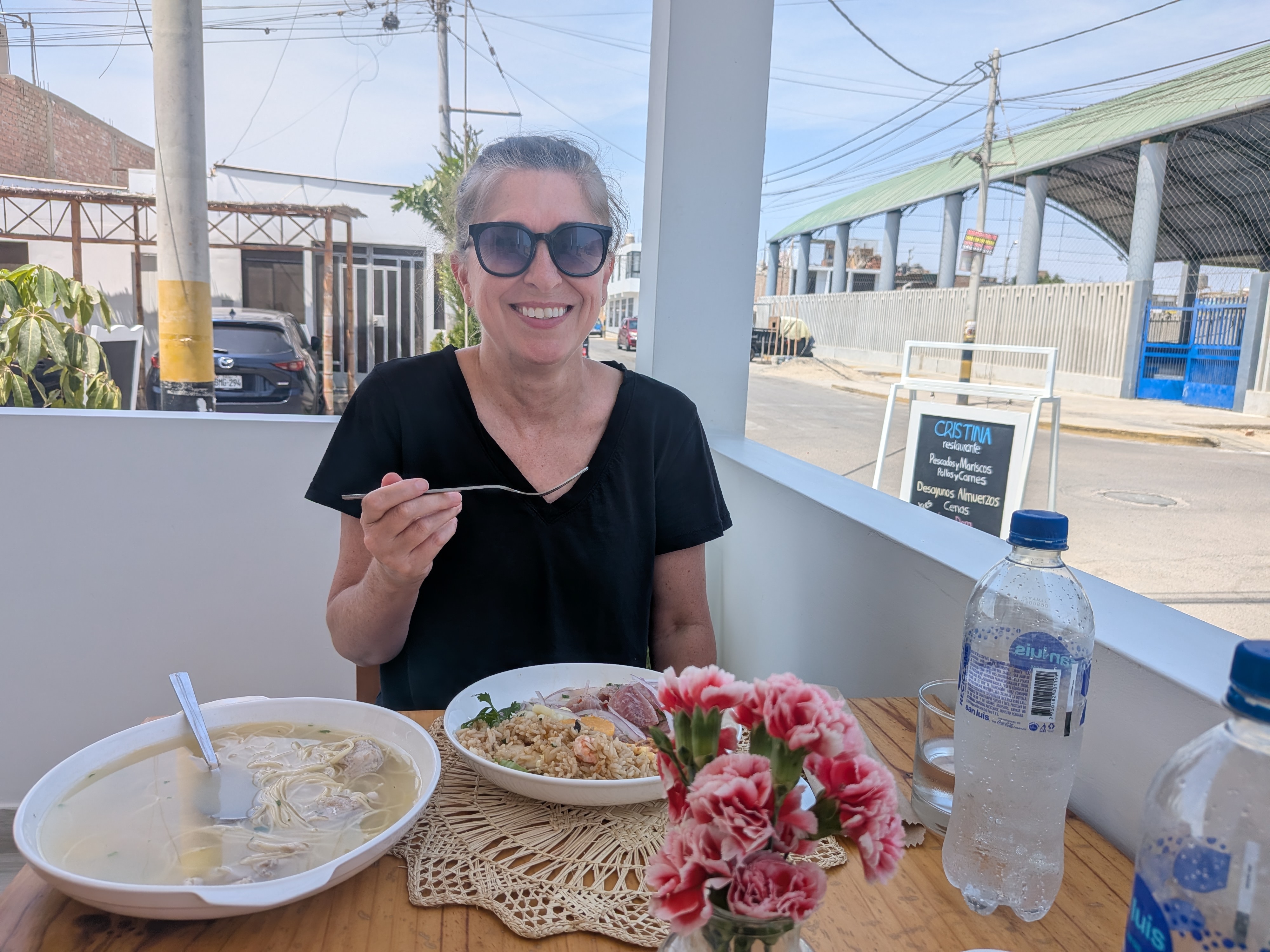
That is not to say that you could not find the better restaurants that carried the cuisine that Peru is famous for. There are many of those as well, but you will definitely want to get away from the main drag to find them. There are many restaurants right on the beach, but each of those has quick easy meals because they know they will garner the attention of the tourists that have come to visit. When you head in a bit, you can find the fresh ceviche, Peruvian soups, and chaufa that will make the trip memorable. The best one we found was called Christina’s and it was a fine minute walk in-land from the beach, but was well worth the walk to get the better meal.

The bars along the beach are great to get a pisco sour, especially during happy hour when they are two for one, but it is still a crazy mash of people and does not offer the relaxation that we were looking for. I am sure that Paracas has those quiet weekends that we would have enjoyed the experience a little more, but for Semana Santa, it is a time to party. It is a loud, raucous time that it great for many people, but this is not a part of my life anymore. I will come back some day when it is not as crazy, and hopefully then, I can find the weekend that I am looking for. Maybe at a time when it is not the end of summer, and I am not a part of a group of people who feel like that they have to get in those last moments of the season before it is gone for another six months. Instead, I can just enjoy the time that I find myself there, and understand that all times are great in Peru, no matter what season it is.

Ballestas Islands – A Morning Boat Tour

Paracas is not one of the top destinations for people visiting Peru and who only have a week or two, but for those who spend time in the country, they find a way to make it down to this beach town. The town itself does not boast anything special that you could not find in any beach resort anywhere in the world. There are numerous restaurants, and sandy beaches, but it is when you get out of the town and look at the sights a little distant from the shores that you discover what Paracas really has to offer.

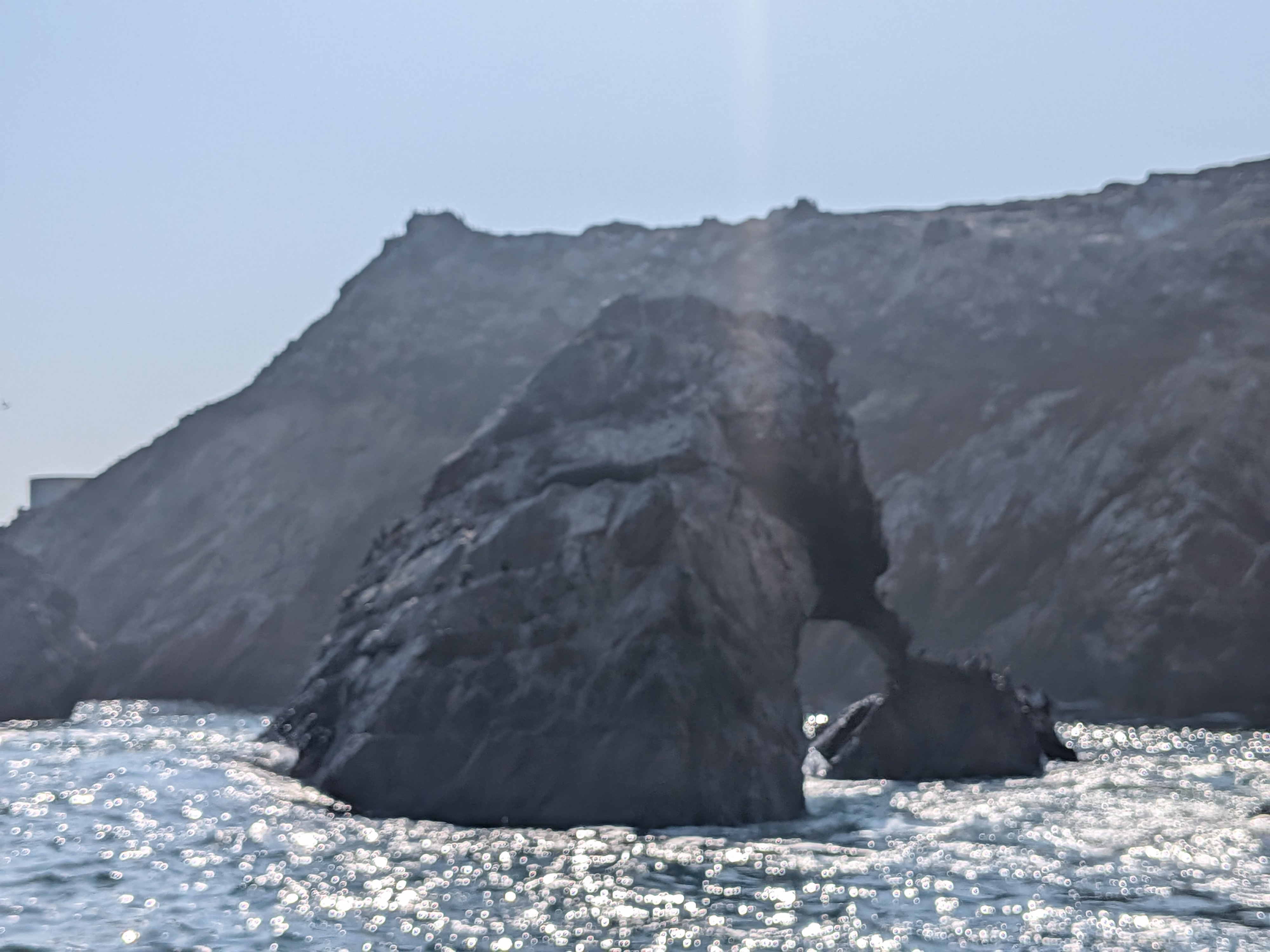
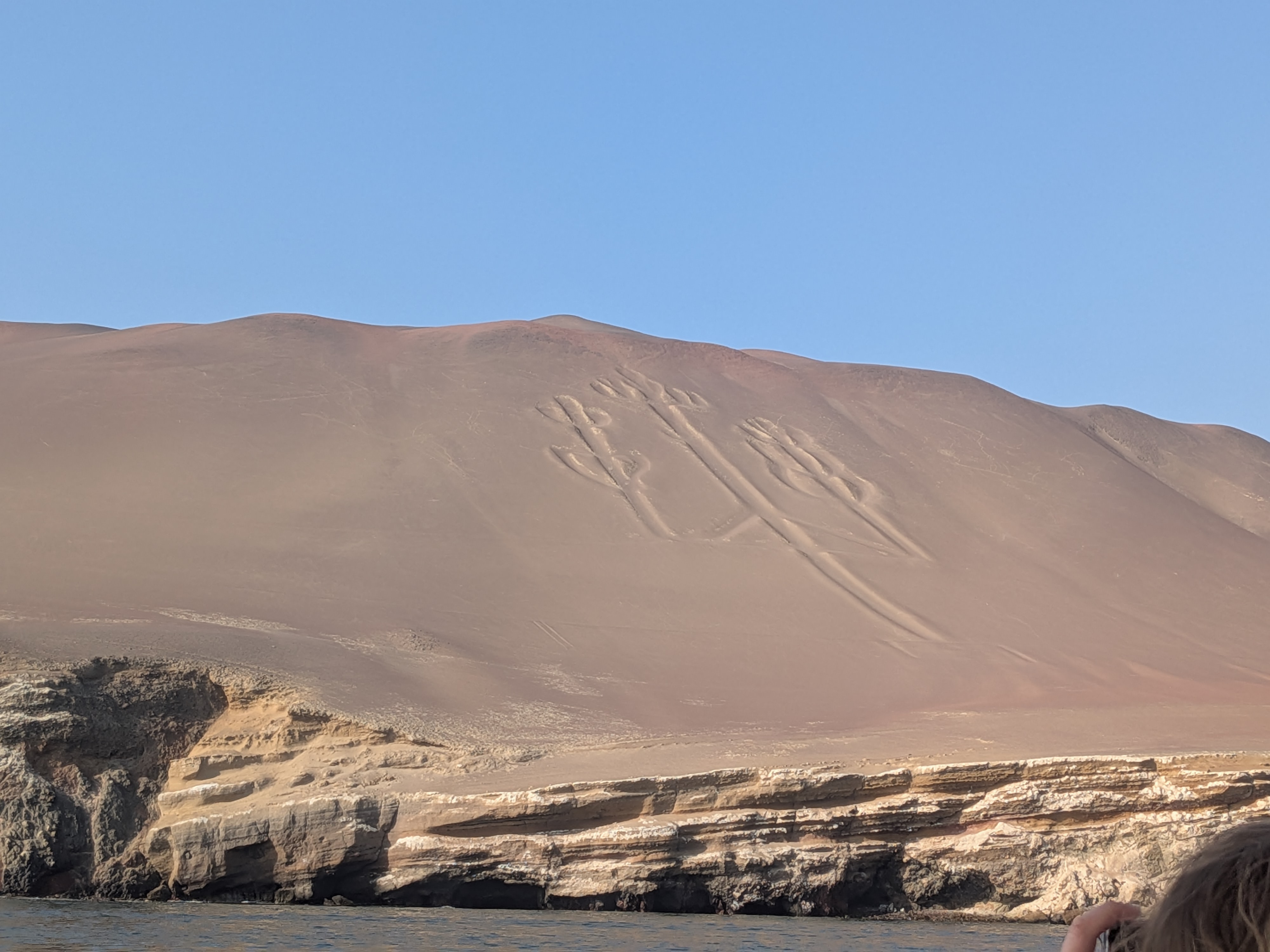
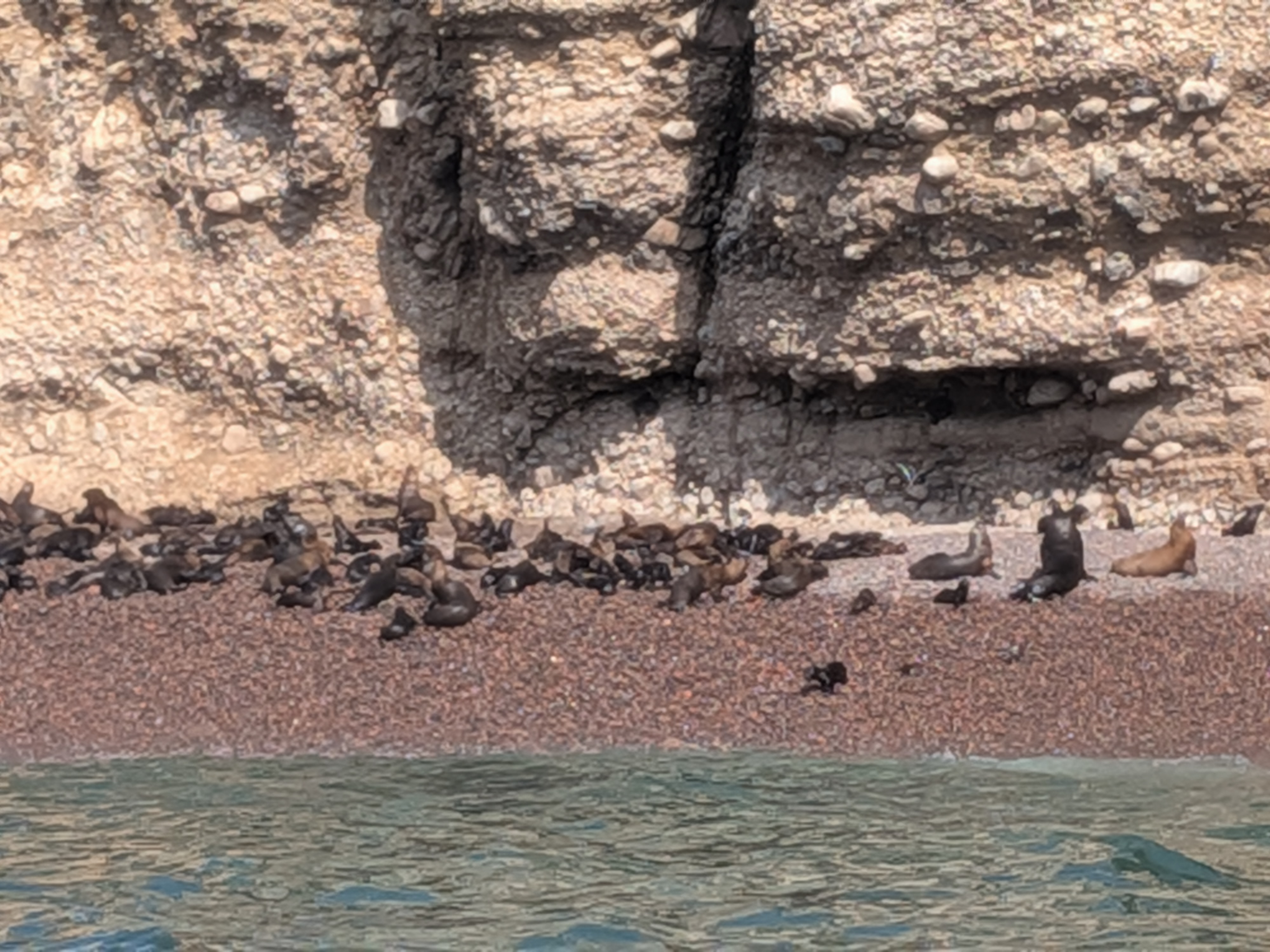
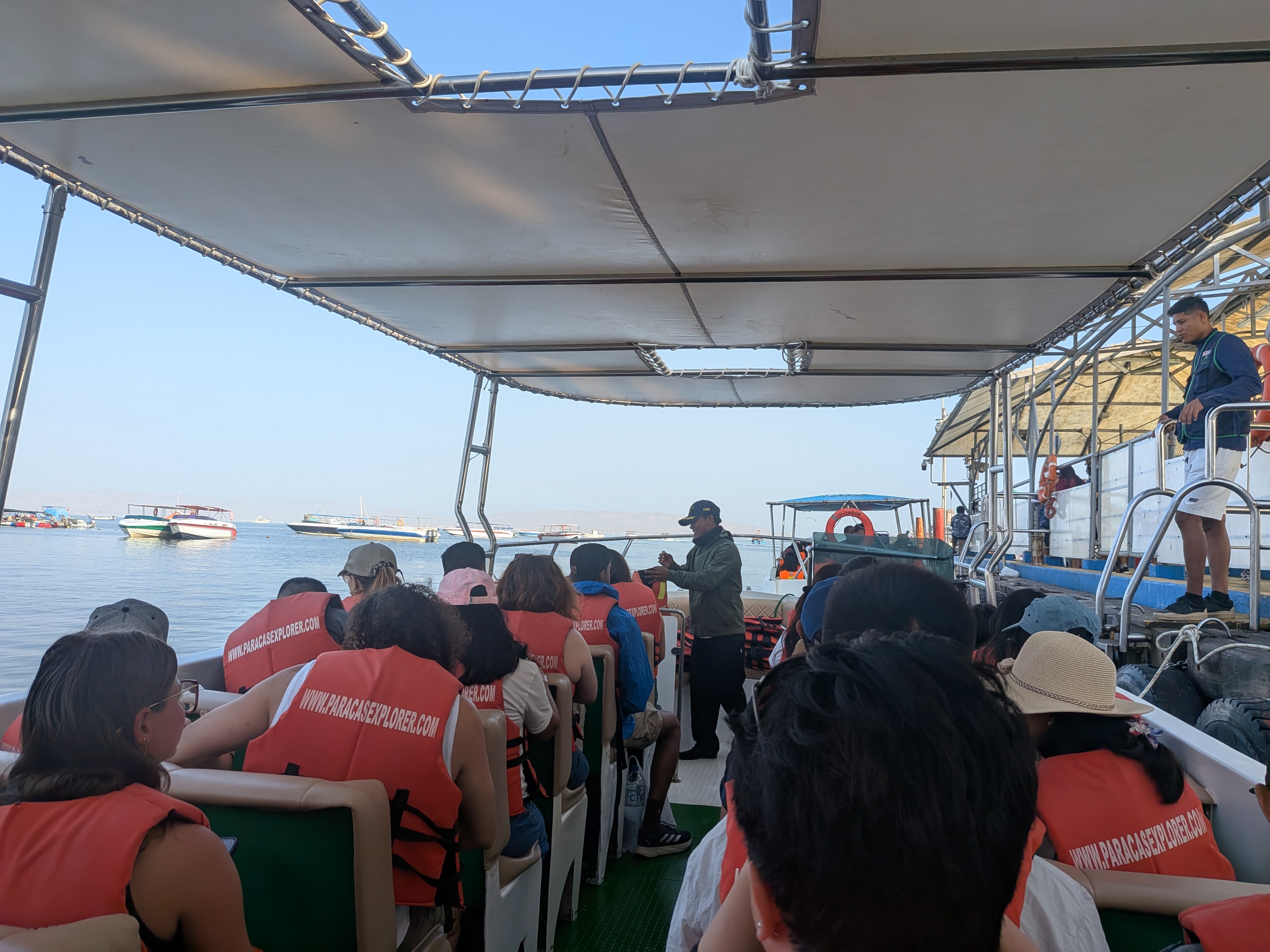
One of the things that many people do is to take a boat trip out to the Ballestas Islands, a group of two jagged outcropping that was once used to harvest guano and brought to Peru many riches. It has since been taken over by the government and kept as a nature reserve that you can take a two-hour boat ride out there to see the various animals that now overrun the islands. It is often called the poor man’s Galapagos, and though the islands are rich with animals, you cannot see the diversity that Darwin discovered that made the other island chain as famous as it is today. Still for only twenty U.S. dollars, you can enjoy a nice morning traveling around the islands and watching the birds, crabs and sea lions that call it home. It will also take you along the coast of Peru where you can witness one of its more famous Nazca lines, strange traces in the earth all along Peru that were left behind by an earlier civilization and nobody knows much about except they are cool to look at.

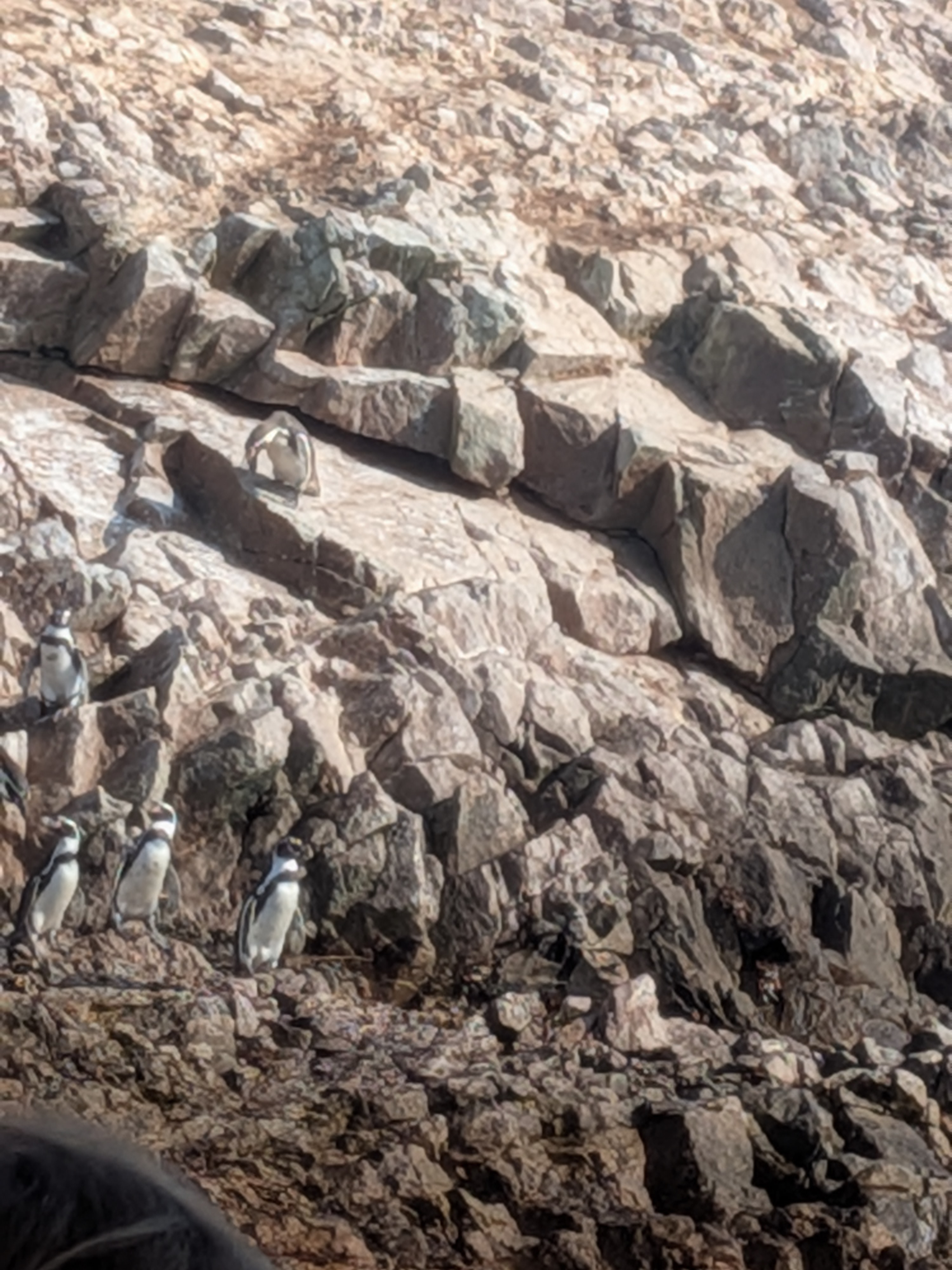
The islands itself is best visited in the months of December through March because that is when the wildlife is out their in abundance. It is the perfect place to look for penguins as they jumps their way over the rocky cliffs and jump into the water to go for a swim.

It is also the time of the year when the sea lion are out there engaging in their mating rituals. They will move off to warmer waters soon afterwards, but at the end of March, they are engaged in raising their newly born children and relaxing on the beaches that are a part of this island.

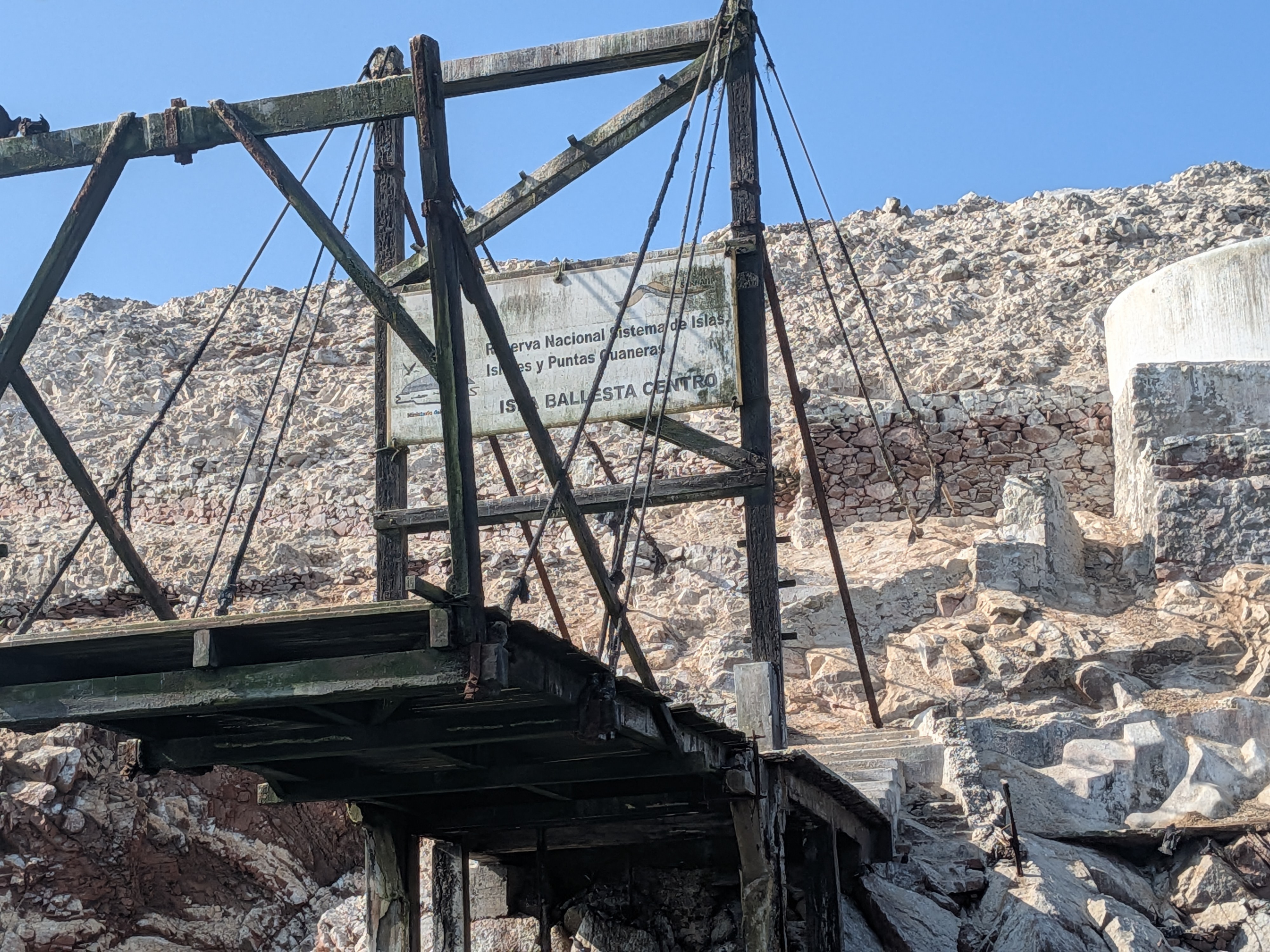
It is not always the perfect nature reserve though. There are still the remnants of a time when humans controlled the islands. Most of these ruins have been left behind, but the Peruvian government has built up a couple of the buildings so a couple of people couple work there to make sure that they could conserve the area of this preserve and make sure nobody came along to destroy the delicate balance of nature that is left behind.

Though many people who make their way out to Peru will never witness this little piece of paradise, it is a nice spot to go to for those who are willing to spend a little more time out in the area. It is easily the biggest highlight on a trip to Paracas and one you should consider if your path takes you our here during the months of December through March.

Mirador Cuentos – Torres del Paine, Chile – Without the W or the O Part 5

One of the things that they do not show you in the pictures of Torres del Paine is the weather. Well, they do show you the weather, but only one those days when it is perfect. The sun is shining. There is a slight breeze. People might even be walking around wearing shorts. This is the ideal, and I get why they show these pictures. This is the best way to sell a vacation to this part of the world. The reality of the situation is that Torres del Paine is on the tip of South America where the weather is unpredictable and though those beautiful days do exist, there are just as many rainy, cold, and windy days, even in the middle of the summer, so the hikes do not always go as planned.

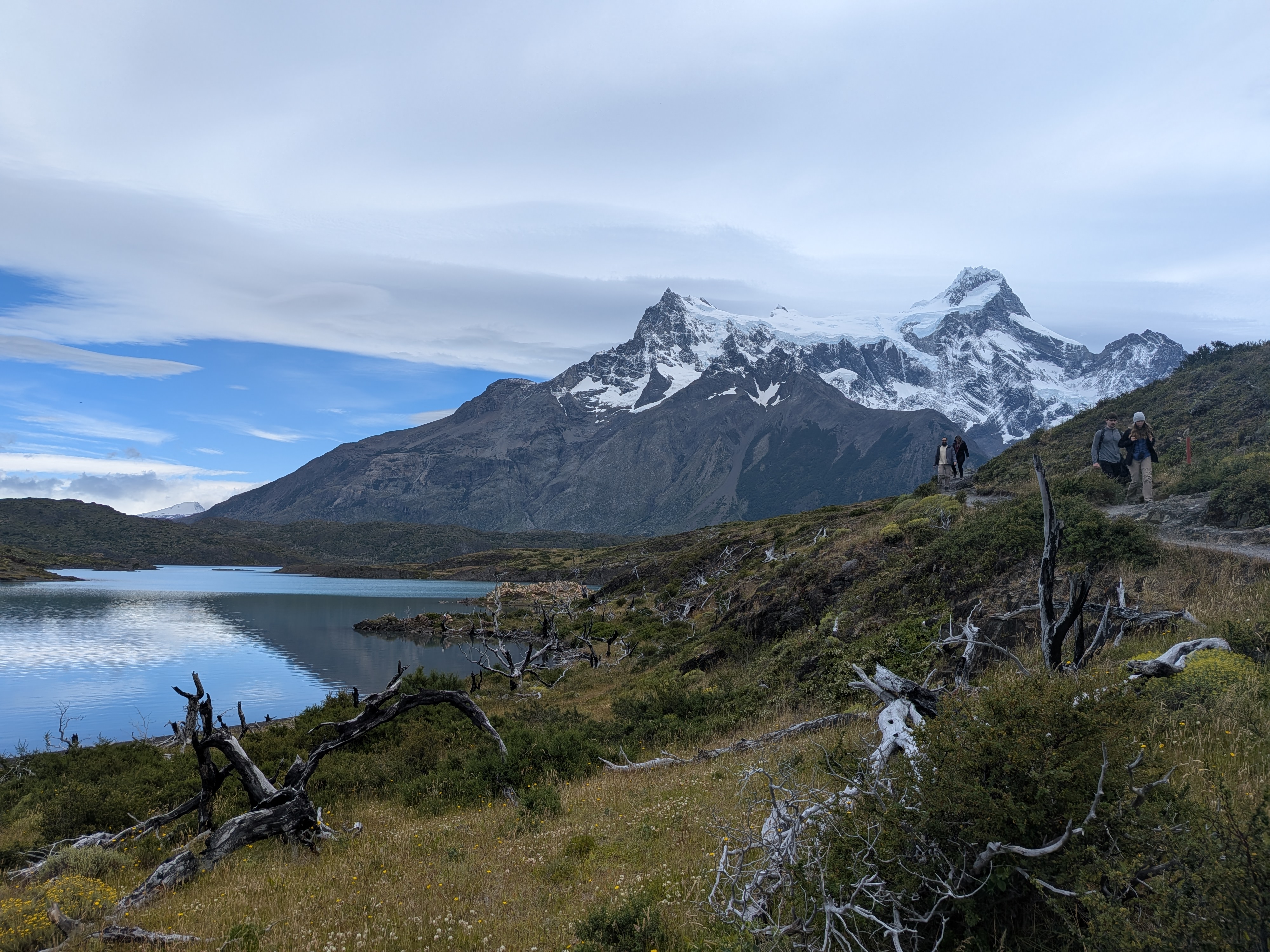
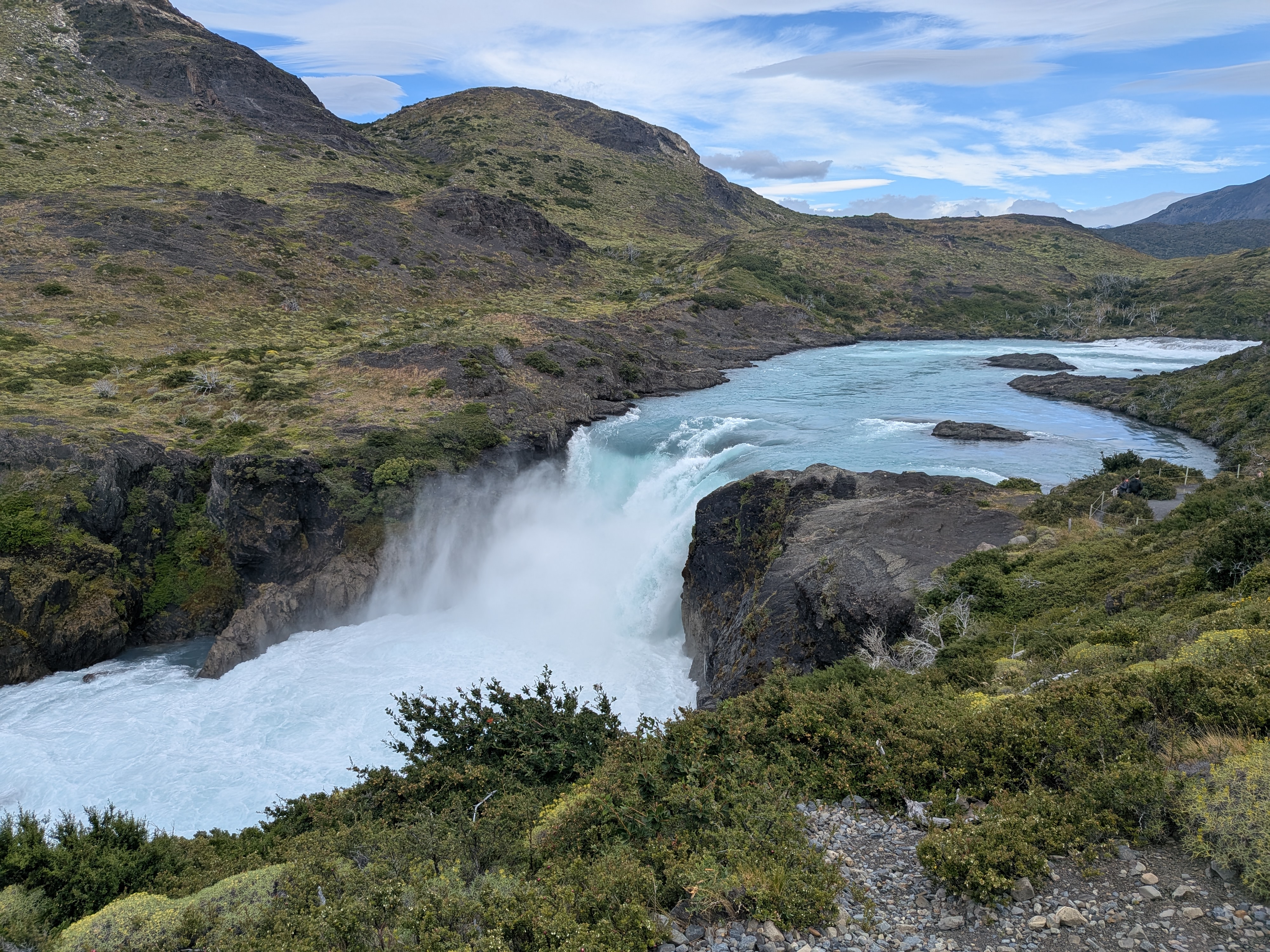
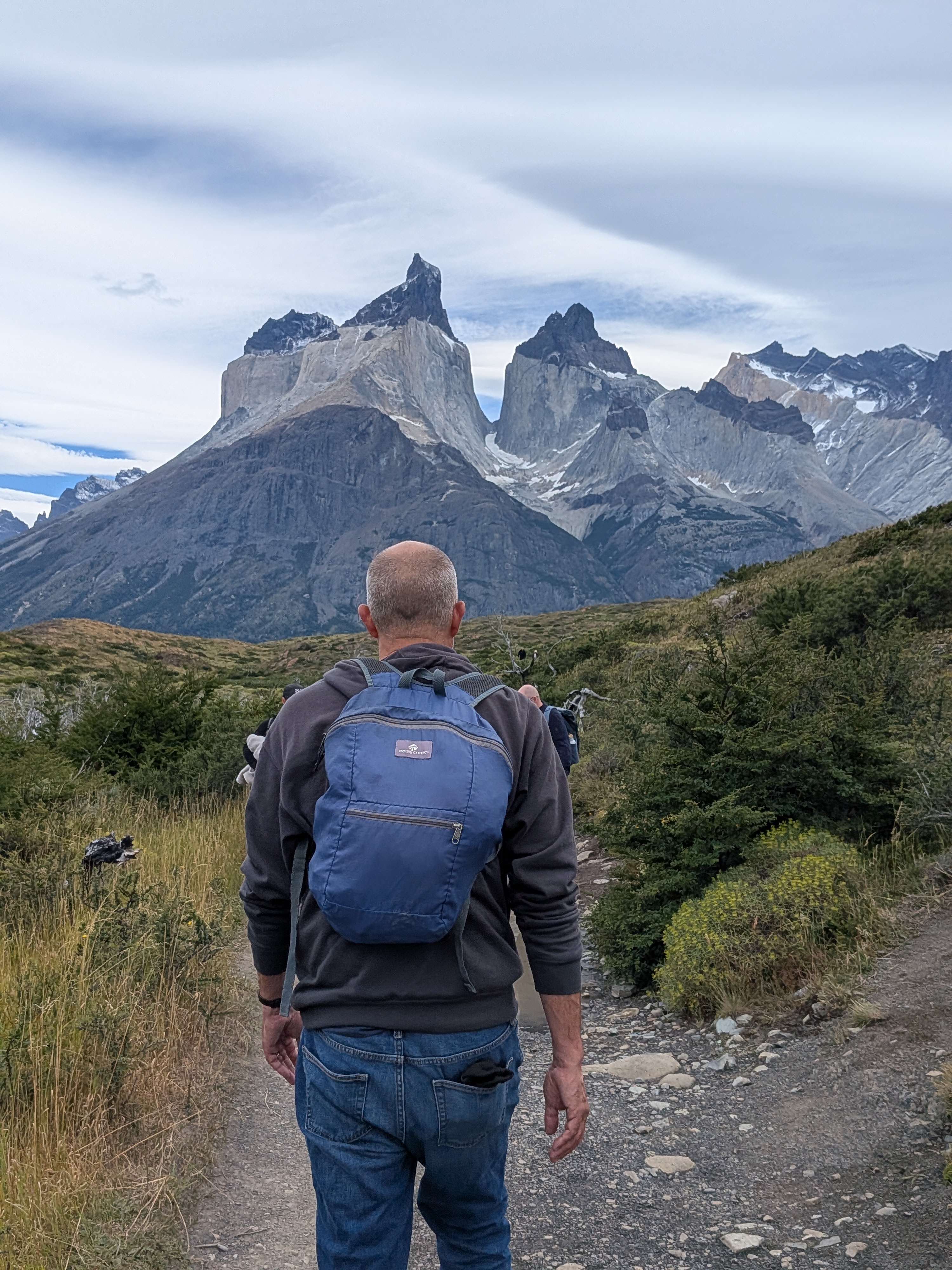
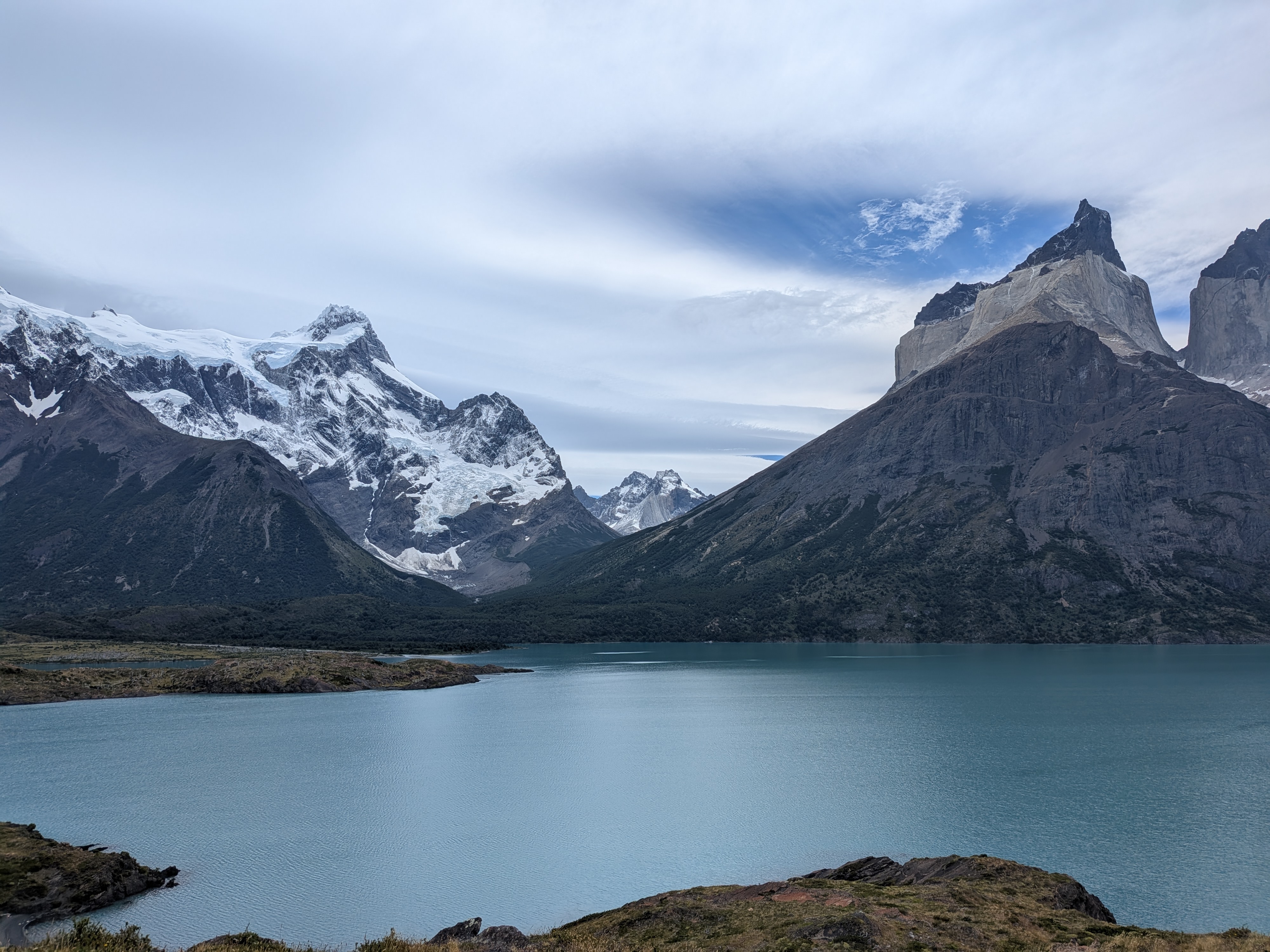
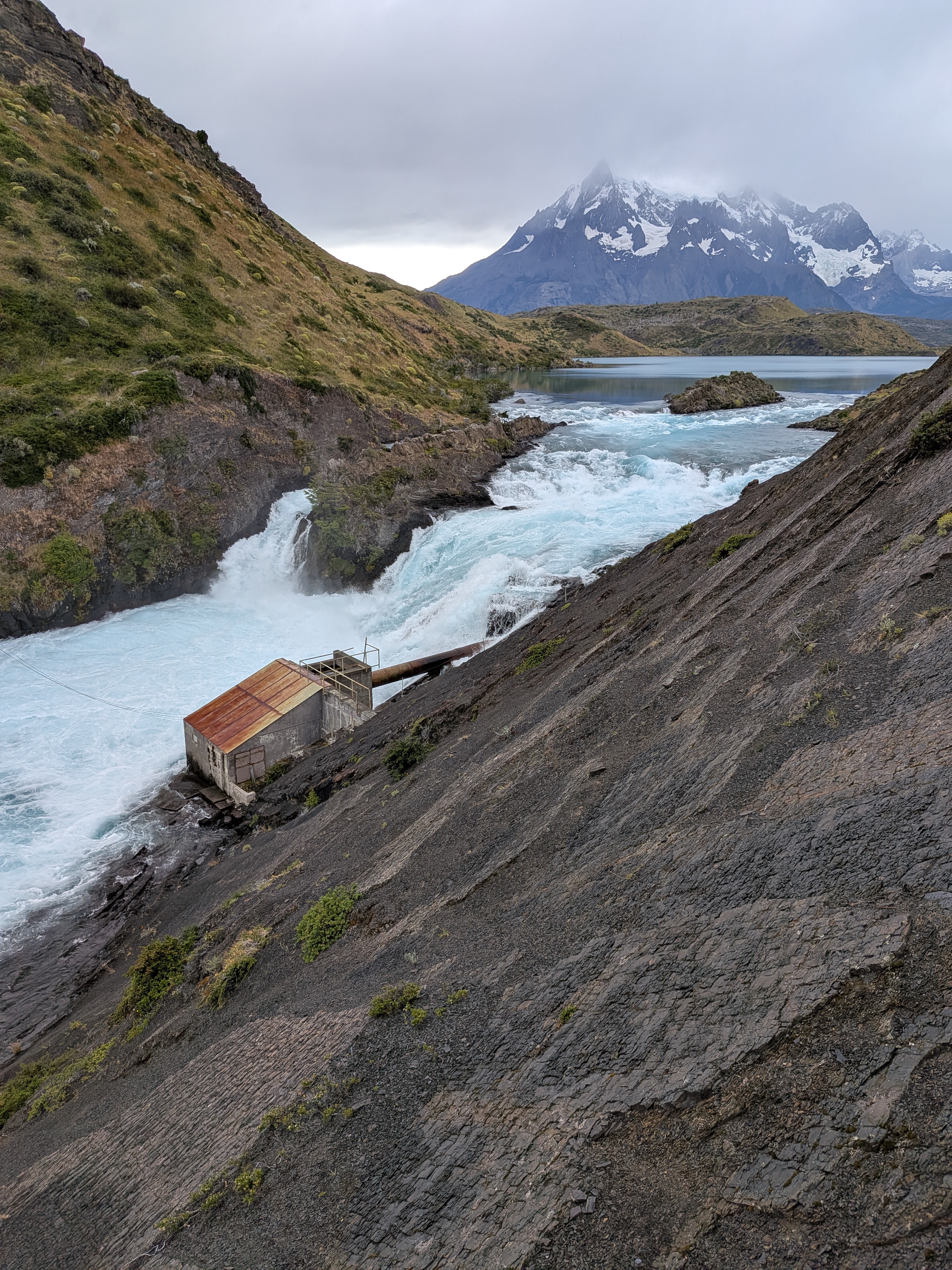
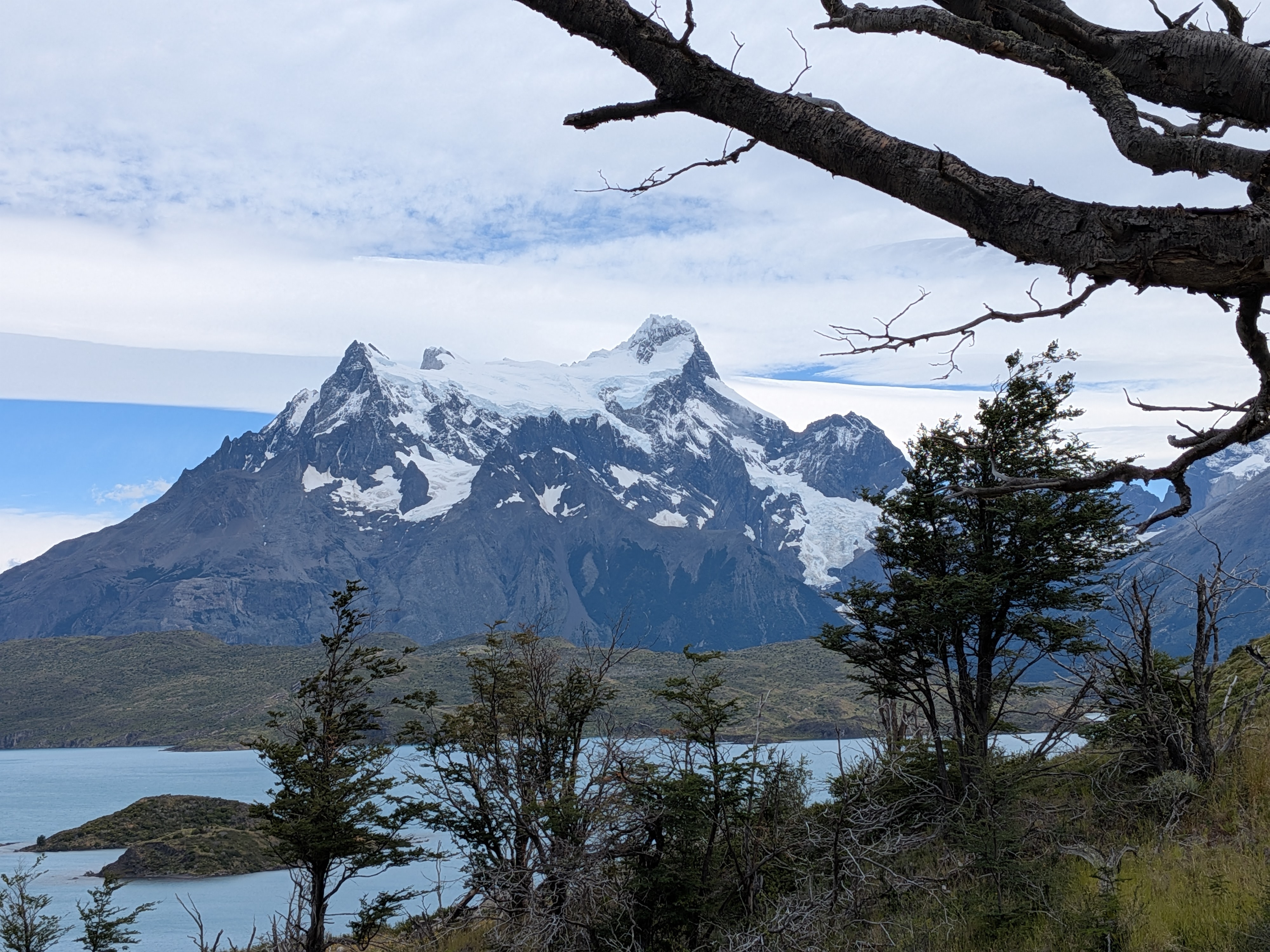
We had this problem with one of the hikes that we had planned to go on to, Mirador Cuernos. This is a very popular hike with the tour groups. It starts off at a cafateria just a little down the road from the Hotel Pehoe, and after a leisurley twenty minute stroll it takes people to a big waterfall that many people stop at to take pictures and watch large portions of water dive over a cliff. But if you take this hike another three kilometers away, the crowds start to die down, and you are rewarded with some of the more impressive views of the mountains in the area. This is the reason to come out and take this hike.

The hike basically follows the lake that feeds into the waterfall that most of the people stop at. It is on a well-groomed path that is wide and basically flat. There are a couple of rises on it, but it is nothing to strenuous and most people should be able to complete the hike without any problem. In fact, I saw many people on the hike that did not even bother to bring water or any additional equipment with them, and treated the hike as a lovely Sunday stroll. But do not be deceived; that could be the worst thing that you do if you take this hike.

Like I said earlier, the weather in Torres del Paine is unpredictable. A beautiful sunny day that you see in most of the pictures of the area can turn on you really quick, and you might find yourself out in the middle of nowhere as a storm blows in over the mountains. And let me tell you that when I storm blows in, it is not at all a pleasant experience. The winds out there can be extreme. We experienced one such day where we struggled to walk and after certain gusts, even continue to stand. Even though, the path is flat and wide, the weather can add a new diificulty to the hike. There are even times when they will shut down the path if the winds are too strong which happened to us the first time we attempted to make this hike.

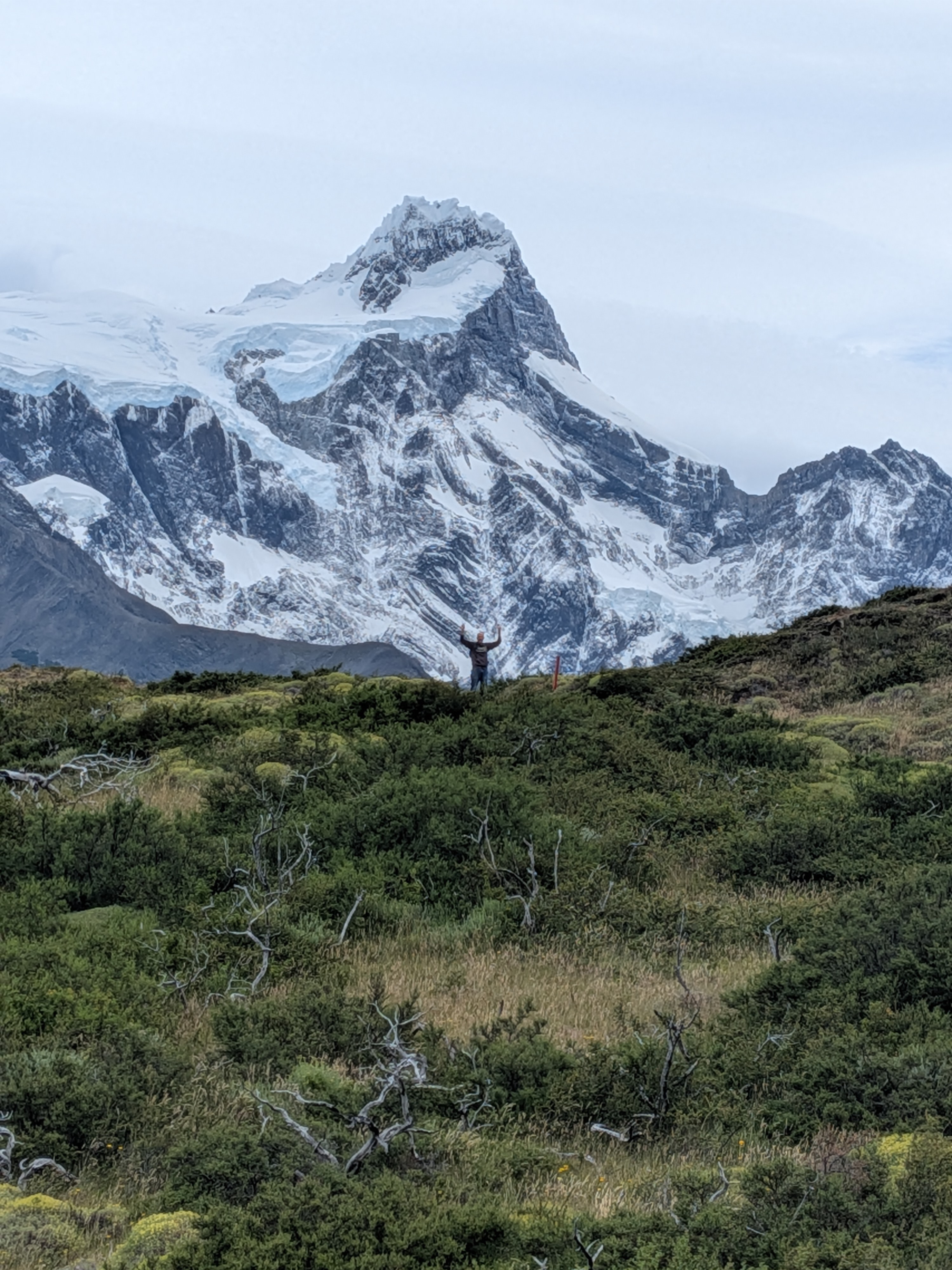
Still, we did not let this deter us, and we came back another day when the weather was perfect. It wasn’t shorts weather, but it was just crisp enough to make for the perfect conditions to make a hike. We packed layers just in case the weather changed on us, and we brought a small lunch to enjoy at the beach we came across on the shore of the lake. And when we finally made it to the viewpoint, it was worth the wait. The views were stunning, and the sun shining on the peaks made for the perfect conditions to take pictures. It was a great hike to take that gets you close to the same places on the W loop and it only takes a couple hours to do, easily worth the time for those that are not doing the bigger loops.

Thank you for following me on this exploration of places to go in Torres del Paine besides the W and O loops, and I hope it gives you some ideas for your trip out to this area.

A Stroll Along the Boardwalk – Torres del Paine – Without the W or the O Part 3

We had an hour to kill in the afternoon and the weather was beautiful so we decided to take a leisurely stroll down the road to the Explora Hotel where we heard that there was an easy boardwalk stroll to see a waterfall next to the hotel. What we did not realize was that the boardwalk was actually a maze of paths set up by the hotel that did not always go directly to the viewpoint of the waterfall. In fact, what we thought would be a twenty minute stroll to see a waterfall turned into an hour and half of wandering over old wooden paths, always hearing the waterfall, but taking a long time to finally get to the spot that we had heard about.

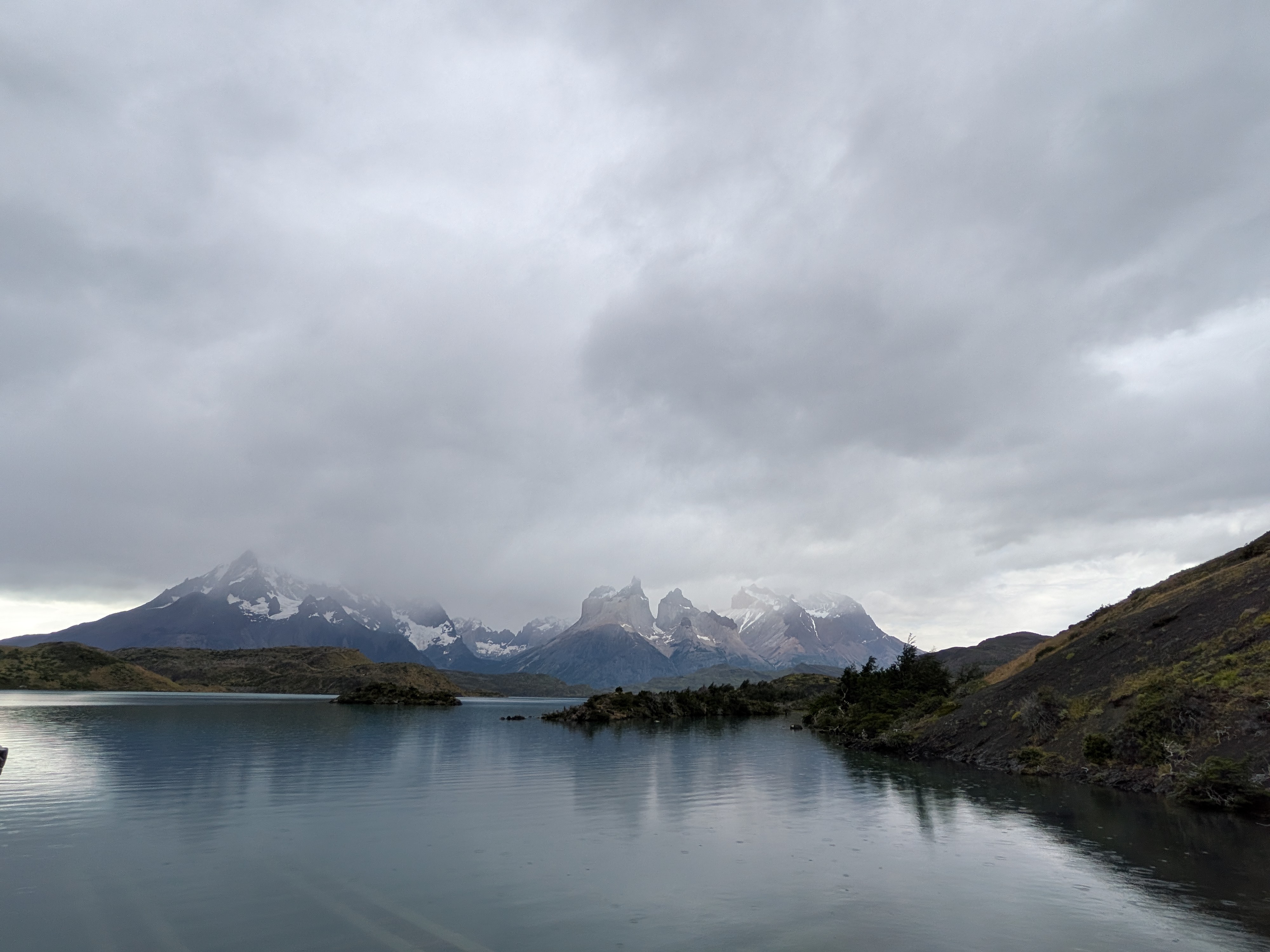
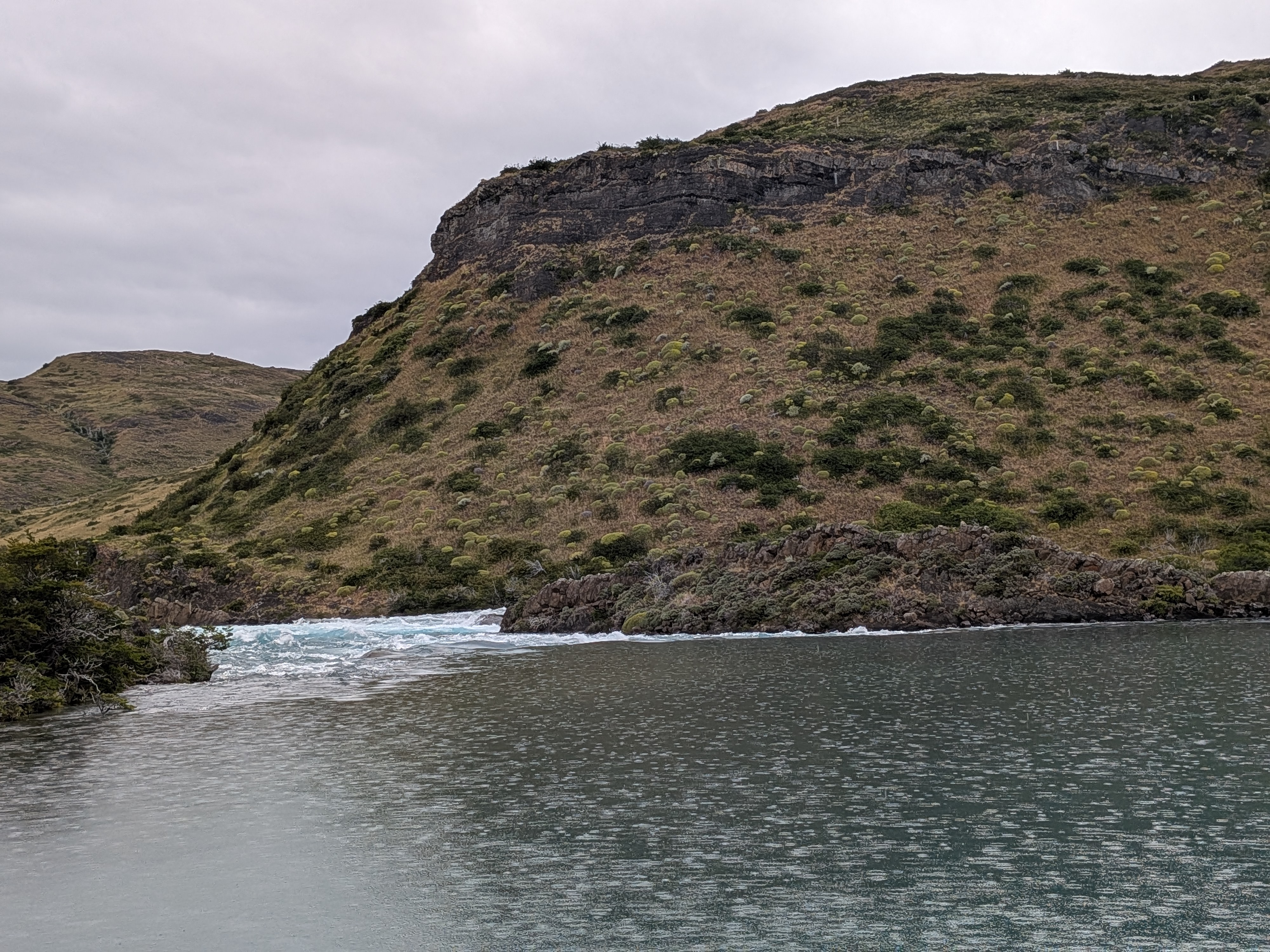
We traveled from Campground Pehoe by turning right out of the parking lot from the restaurant and walking fifteen minutes to the Explora Hotel. The boardwalk was hard to miss when looking from the right side of the road, but this was the back part of the boardwalk, and we made a few mistakes from this point. When wer got to our first four-way intersection on the boardwalk, we thought taking a right would be the logical choice because this led to the lake and we could hear the waterfall coming from this direction. But this was incorrect. This took down to a dock where a large boat was parked, and we could see the rapids that were formed at the top of the waterfall, but could not see the waterfall itself. It was still okay because we had some beautiful views of the mountains in the distance and the whole lake, but we knew there was a better view, and we just needed to find it. 

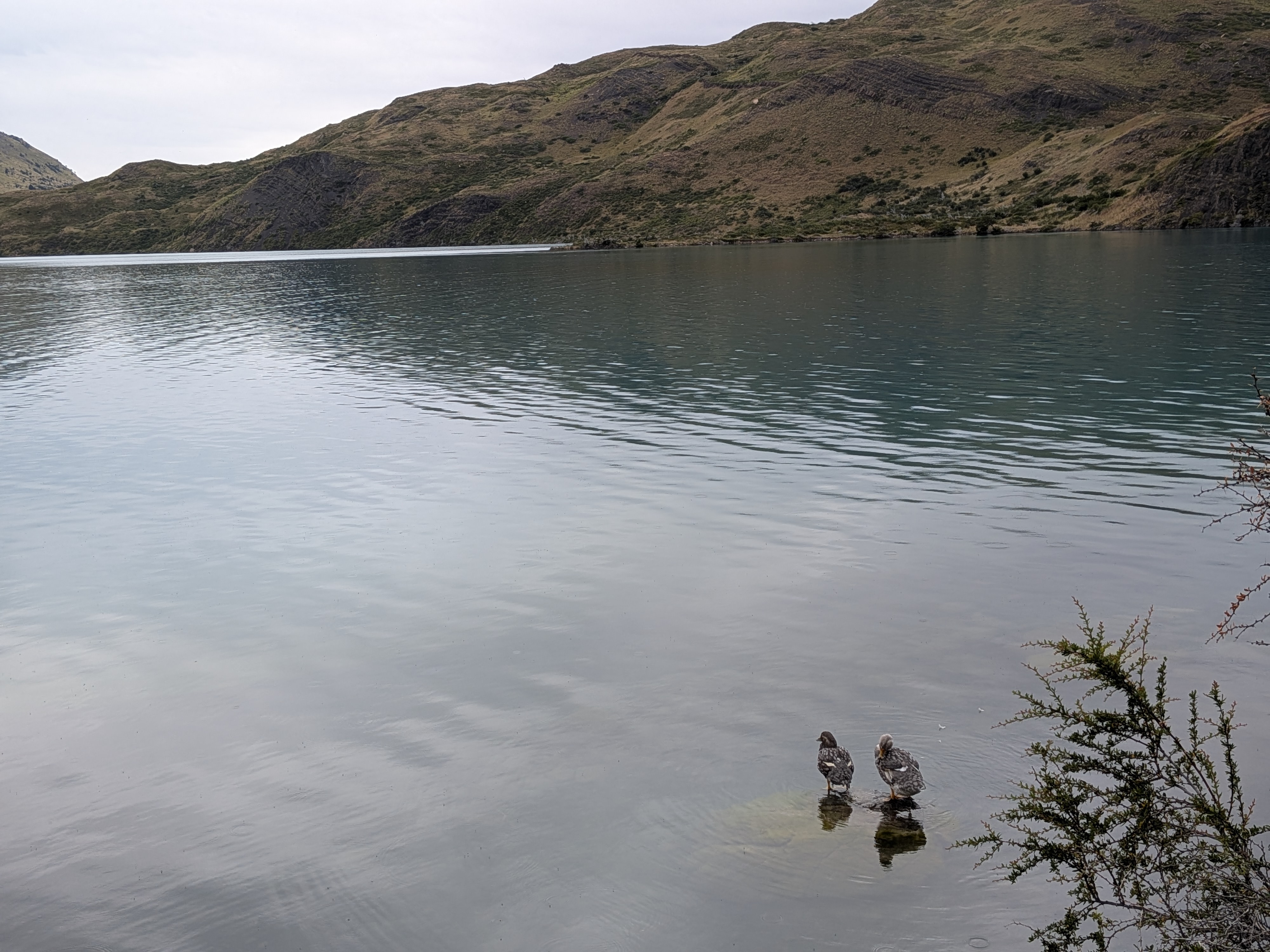
We backtracked and took the left turn this time because if we had gone straight from our original position, this would have taken us to the hotel. This part of the boardwalk seemed promising even though it was taking us down to the hotel’s spa. Still, there was another fork in the boardwalk that went right and took us down by the lake on the other side of the hotel. This followed the shore of the lake and its calm demeanor. We were able to get nice views from here as well, and there were even a couple of ducks sitting on the side of the lake that were there to greet us. Just to warn you, the boardwalk was at its most dangerous here with many of the board rotted and ready to break at any moment, but we took it slowly and were able to get to the other side without any problem.

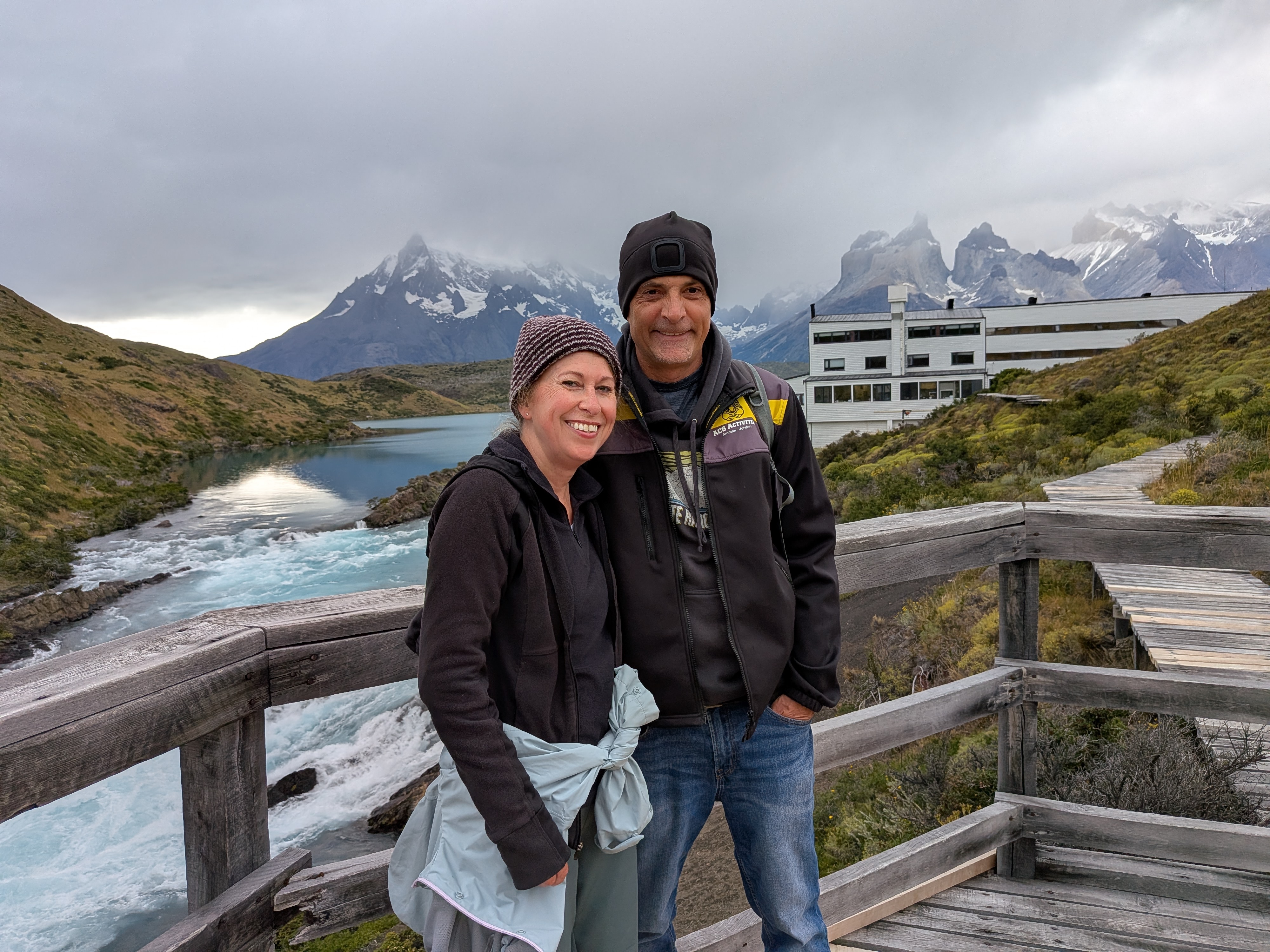
This is where we were rewarded with the waterfall. We had to climb up a series of rickety wooden stairs to get to it, but once again we took it slowly and we made it up without a problem. Lo and behold, there was a waterfall there. It was a great spot to get some great photos and we were still able to talk over the roar. Even though it turned into a much longer hike than we were anticipating, it still made for a fun outing, and we were able to find some other nice viewpoints along the way.

Going back we found the last of the boardwalks that took us straight to the hotel’s parking lot. It took us a lot longer than we expected but eventually we found the path that we were originally supposed to take to make this a twenty minute stroll instead of the afternoon adventure that we had. Still, I am glad that we did it the way that we did because I think we got more out of the experience. It is a great way to spend some time if you have a lovely afternoon and you really do not have anything better to do.

Campground Pehoe – Torres del Paine, Chile – Without the W or the O Part 2

When hiking the W loop or the O loop in Torres del Paine in Chilean part of Patagonia, one of the benefits of it is having a place to stay each night while out there. Anybody who has looked into staying out in this national park has discovered that the price of lodging is through the roof. Some people find it so expensive that they decide to do day trips from Puerto Natalis instead, but doing that means that you are missing half of the fun that can be found in this park. I have enjoyed staying in the park, but I will admit that it was expensive to do so, but I did not go for the hotel option. Instead, we stayed at the Campground Pehoe. It is situated in between to of the bigger hotels in the park, and it is considerably more affordable than the hotels.

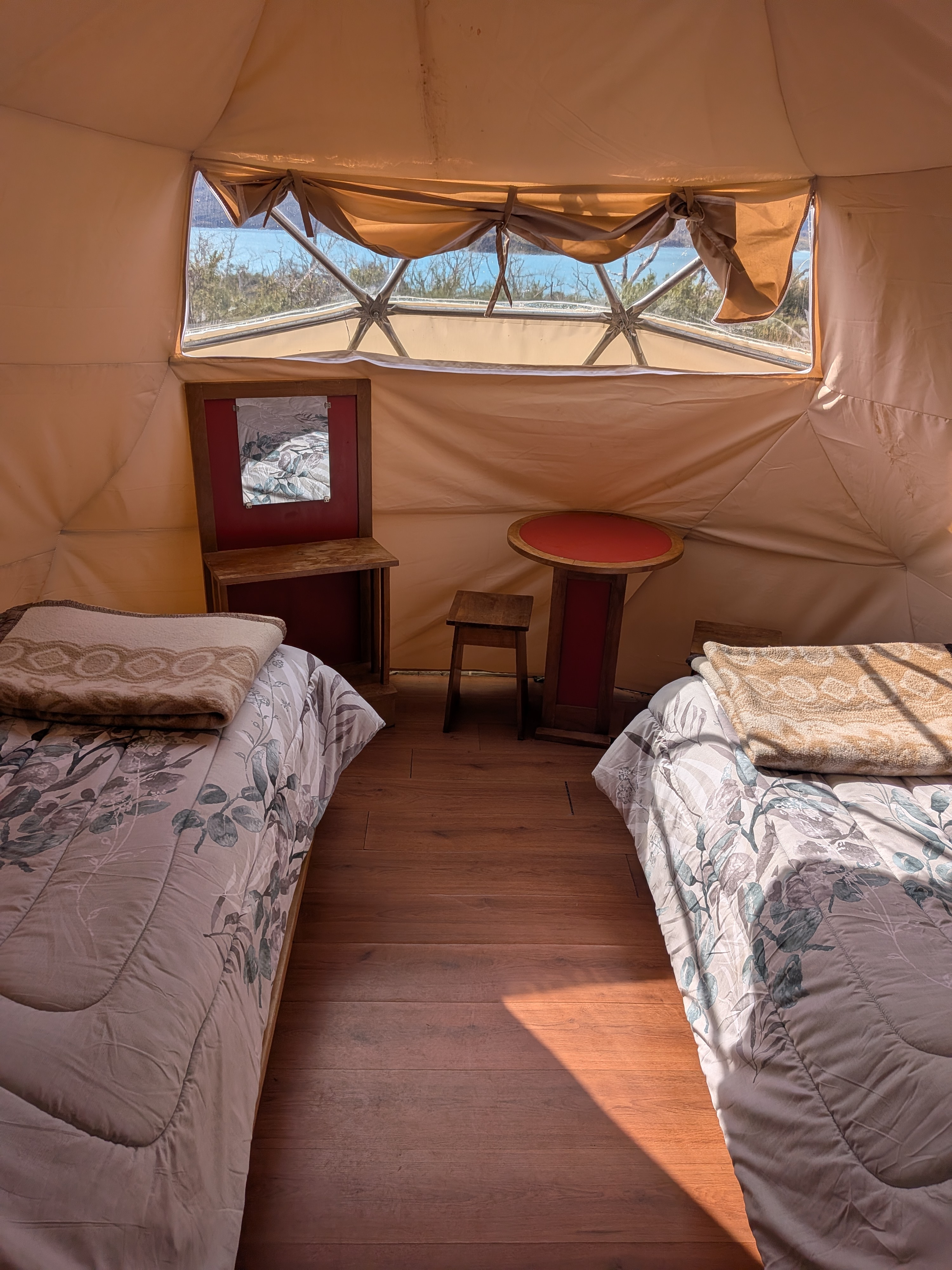
Now keep in mind that affordablity is a relative term. Campground Pehoe is easily the most expensive campground that I have ever stayed at, and the benefits to staying at this place do not necessarily match with some less expensive campgrounds I have stayed at around the world. We stayed in one of the canvas domes that are on the edge of the campground. They do offer some amazing views of the mountains over the lake, and we did not have to set up camp, but we were still paying over $130 a night in U.S. currency. This did not come with any great ammenities such as electricity or heat. It was a basic room with a couple pieces of furniture, a bed, and a hardwood floor. It stayed cool during the day, but I could see if the sun came out that the tent would get extremely hot. Fortunately, we were in Patagonia where the weather rarely gets that hot, so it always stayed at a comfortable temperature.

There is a shared restroom not too far away which is great during the daylight hours, but makes for a cool, slow trek at night, especially if the moon is not creating enough light. On the other hand, at night when it is clear, you can see a vast network of stars because you are far enough away from any light pollution to destroy this spectacle for you. There is also a restaurant close by that also acts as a cafateria. It does not have a lot of amenities that you can use, but it does supply hot water in the morning for coffee, and a place to sit during down time or while rain comes blowing in. In other words, even the best of spots in this place offer to simplest of features for you to enjoy your time there.

They do have camp shelters as well. There are plenty of these around, and they still cost more than you would find at a typical campsight in other parts of the world. They do offer you a shelter though for you to set up your tent and to protect you from the wind and rain that come intermittently in this campground. The problem comes with the fact that you need to bring all of your camping gear with you. If you are able to do that this is a bargain, but if not, you can still rent all of the equipment from the campsight, but when you add up all of the costs, it ends up costing almost the same as renting a dome, and then you have to spend a lot of time setting it all up.

They do have a restaurant there where they cook everything over a grill heated up by throwing big logs on to a fire. The selection is not amazing, but after a long day of hiking and exploring the park, the choice between a huge steak or a hunk of grilled salmon is the only thing you really need to think about. The food portions are huge, and they are not fancy, but they are prepared well. I was never disappointed in the food, and when I wanted a snack, they had a selection of quick grocery store bites that could satisfy that hunger during the day. They also had hot water in the morning and throughout the day, so if you were looking for a cup of coffee in the morning, or a cup of instant soup in the afternoon, it was really easy to make. They do turn off the water for dinner which we found out the hard way, but if you plan ahead, it is not a problem.

Overall, it is a great place to stay despite the price. It keeps you warm and dry during the crazy changes in the weather that can be found at Torres del Paine, and when it is gorgeous outside, the campgrounds might have some of the best views in the park. It is the perfect place for those who are looking to spend time in the park but have more of a budget. It isn’t perfect, and if you go in thinking that it is a couple of nights camping, you will be happy with what you get out of it.

Mirador Condor – Torres del Paine, Chile – Without the W or the O Part 1

It is a badge among many hikers to travel all the way down to the southern tip of South America and do the five or six day hikes that are a part of the W loop or O loop in Torres del Paine. Not to take away from the people that are able to accomplish these great feats, but there are many other ways, and many other hikes to take that are just as spectacular in this National Park of Chile. It also does not require you to book the hikes six months in advance to make sure that you have the limited spots that are available on these paths, and if you can find the trailheads, you are welcome to enjoy these hikes on your own time. This short series will explore some of the paths and other things available that I was able to take during my five night stay in the park, and it might help you plan your trip if you were not able to book the W or O loops.

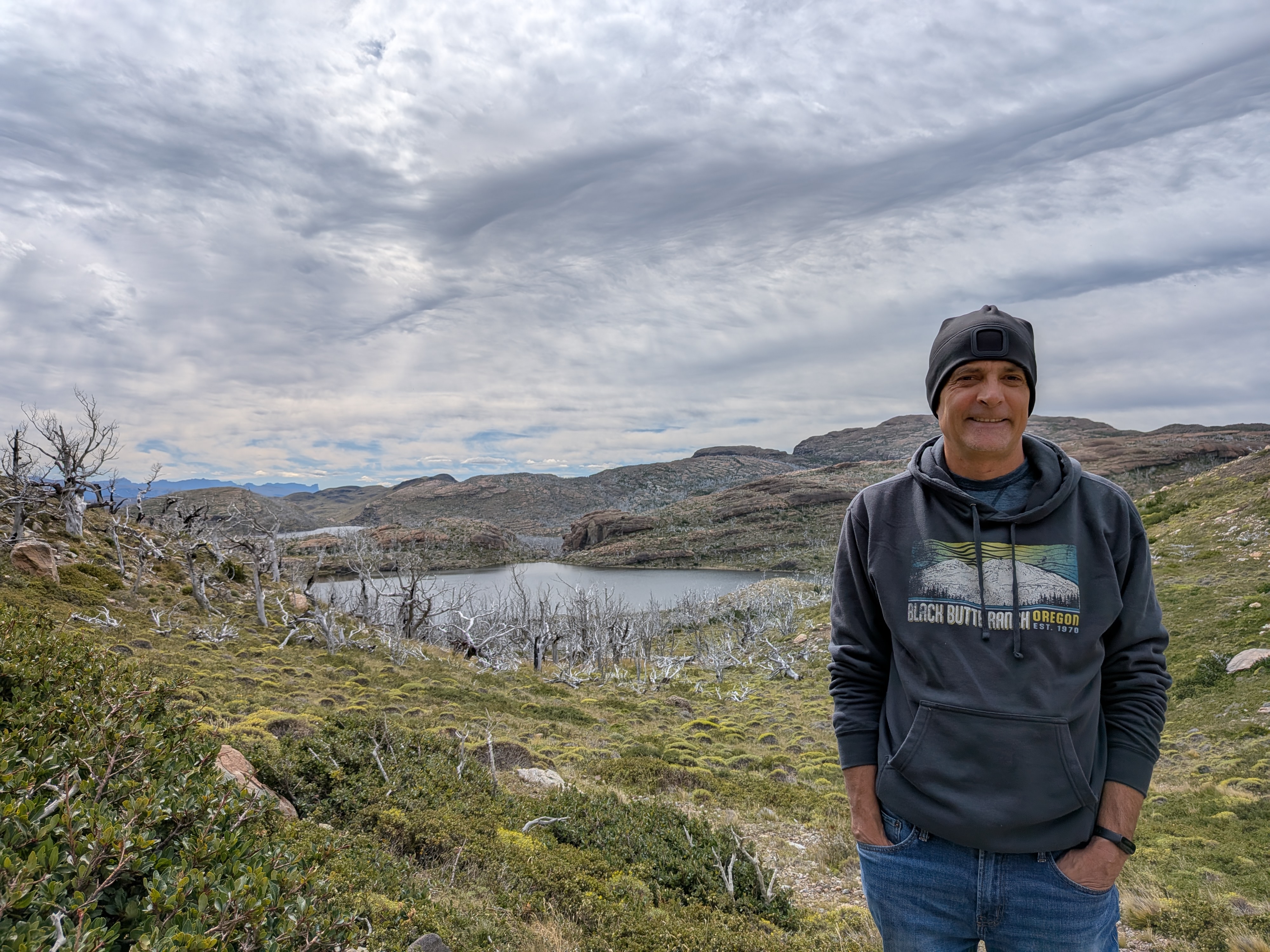
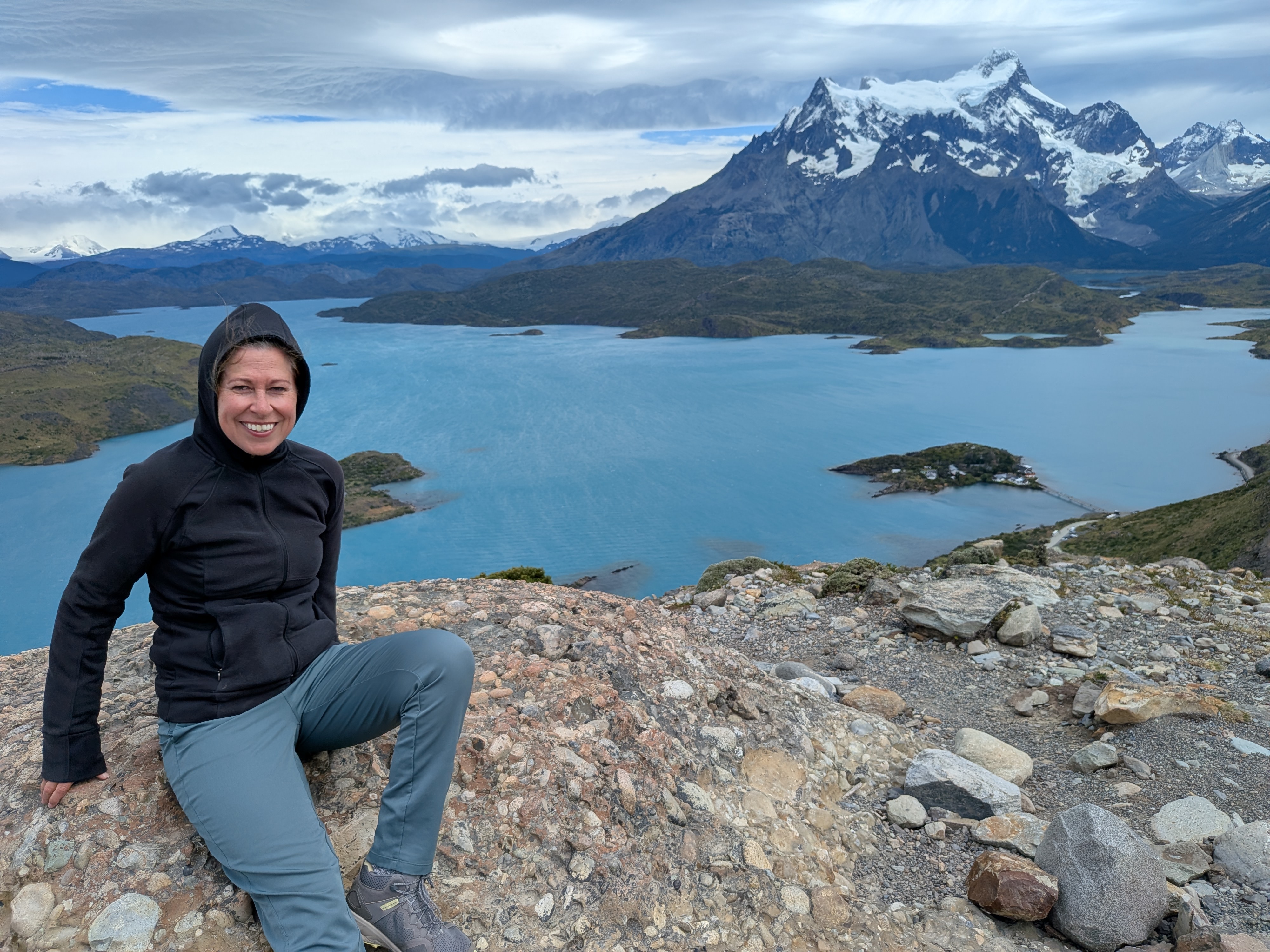
The first one is one of the easiest to find, Mirador Condor. It is a forty-five minute hike out, and forty-five minutes back that takes you to the top of a ridge that will give you some of the more iconic views from the park. The path is groomed well, and for the most part is pretty easy to travel on. It is a little steep on the way up, and there are parts with loose soil that makes footing a little slippery, but if you take it slow on the way up, it is still not too difficult. I would recommend bringing hiking poles as well and this will help give you the balance that you need to reach the top.

The views are not the only reason to take this hike. Just as the name implies, this is also the scrounching grounds for condors, and if you are lucky, you can find them hunting for food. These birds are enormous, and watching their graceful dance as they float over the peaks was one of the highlights of this trip. They are not always out, but they usually hunt in the morning hours when it is not too windy, so if you plan your trip well, it will increase your chances to see them. I know that the picture I included does not make it look like they are that great, but it is hard to take a picture of one of these birds that does it justice. You just have to go out an visit to see how majestic these birds really are. Also, I am told that nine times out of ten when making the hike up to this peak, people will not see condors, so if you do see them, consider yourself extremely lucky.

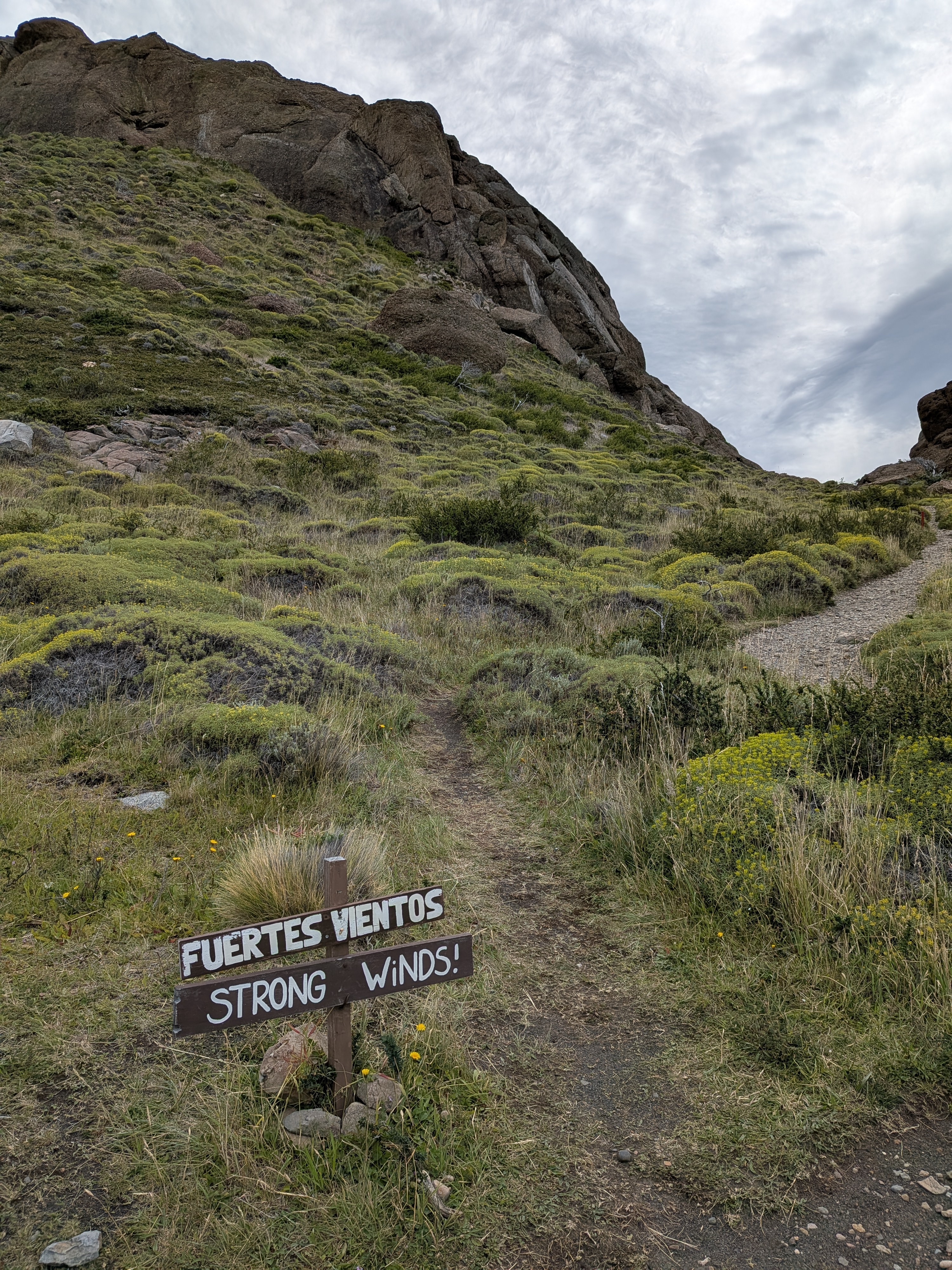
Another reason that you might want to go earlier in the morning is because of the winds. On the way up, it was not very windy, and I even joked about some of the signs we ran into that warned about the high winds. Right when we summited, the winds came, and apparently heard me joking about them because they came in strong. They were not joking about the wind either. It blows so hard that it feels like it could easily sweep you off of the mountain, and there was a saddleback in between two peaks where the path takes you, and it is here where the wind was at its worst. We ended up walking directly into the wind on the way down in this part, and that might have been the most strenuous part of the whole hike.

The trail head is pretty easy to find. We left from Campground Pehoe. If you are leaving from the parking lot with the restaurant in it, it is to your left. We walked down that way, and we reached where the parking lot for the trailhead was in a couple of minutes. It was really easy to find, and there is even signs that point to where it starts. This is not the only way to the peak. There is another path on the other side of the mountain that you can find by traveling another kilometer and you will be able to find the parking lot right before the bridge that takes you to the hotel on the island in the middle of the lake. We did not take this path, but we talked to some people on top of the peak, and it sounds like it was just as difficult as the one that we took. Either way, you should be able to find your way up to this amazing viewpoint in the middle of Torres del Paine.

Cueva del Milodon Natural Monument – Patagonia, Chile

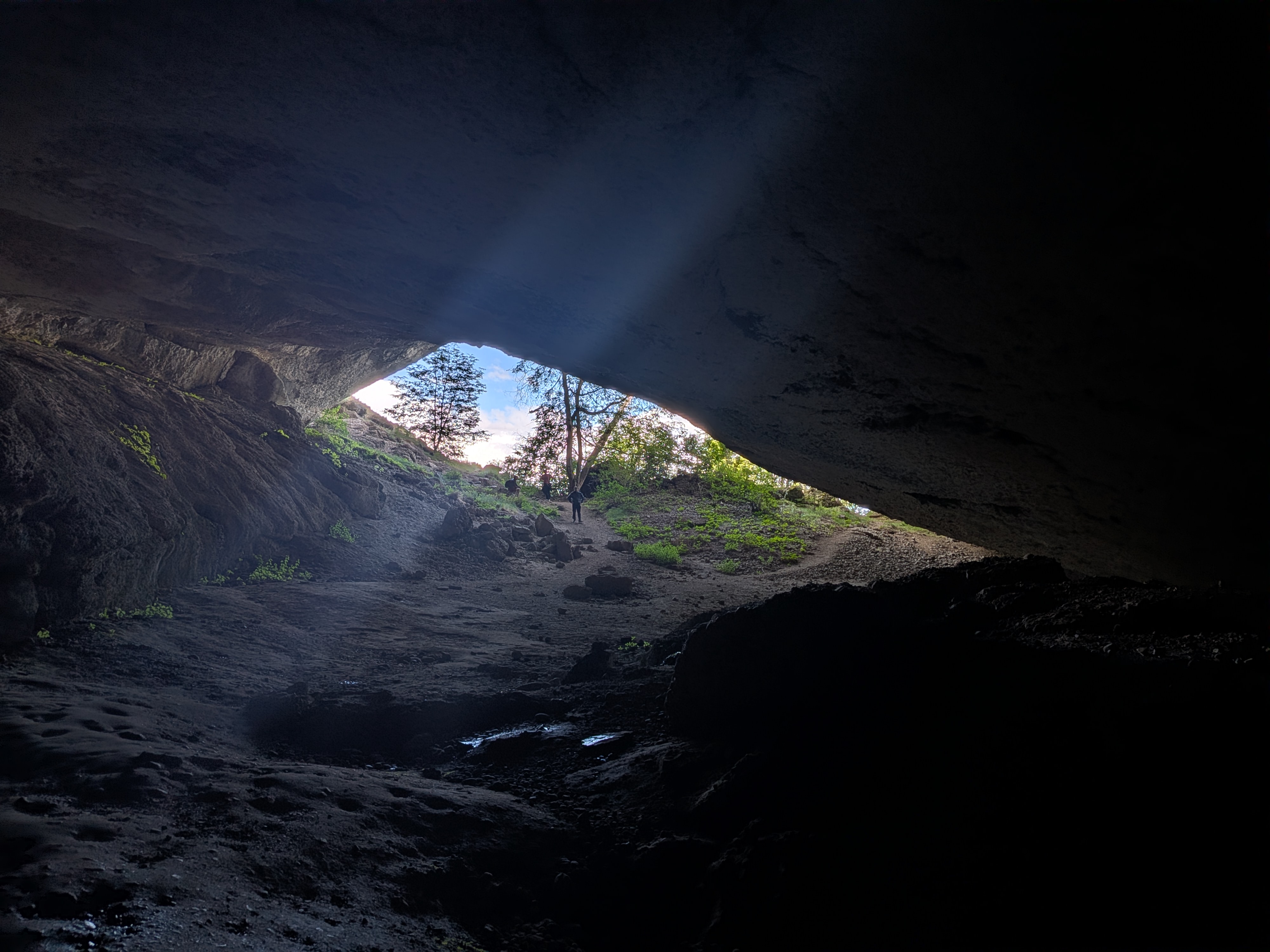
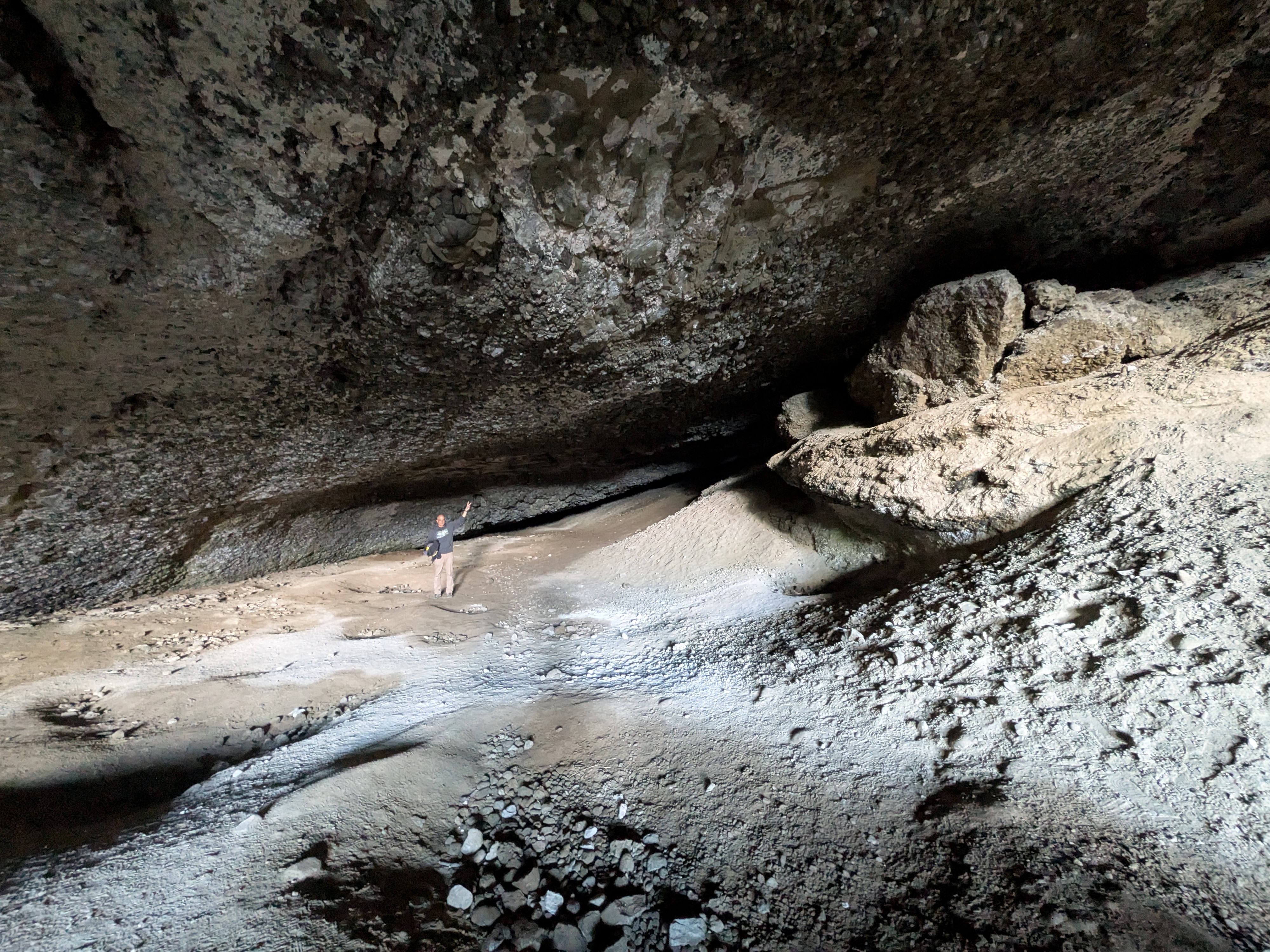
One of the biggest attractions in Patagonia is the national park, Torres del Paine, and you can find a stream of cars, campers, and tour buses taking the one road out of Puerto Natalis every day during the summer to bring various travelers to this spot to enjoy the scenery, take in the hikes, and snap a few pictures to bring back as momentoes. But there is a stop along the way that many people skip out on and they should take the time to explore this spot, Milodon Ceuvas. This is three natural caves that were formed when the sea levels had reached the lower shelves of the mountains, and dug away the sediment to create these caves.

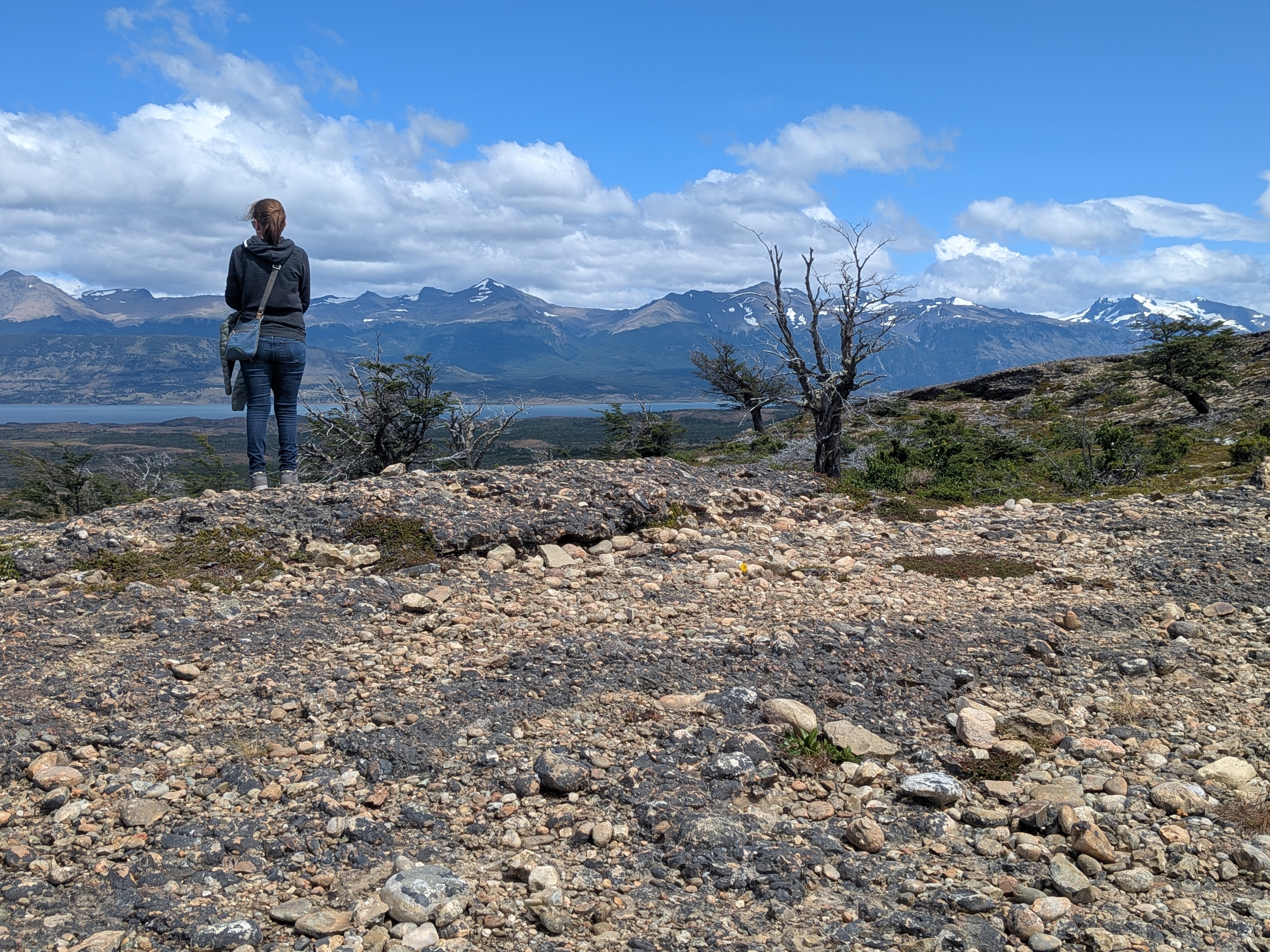
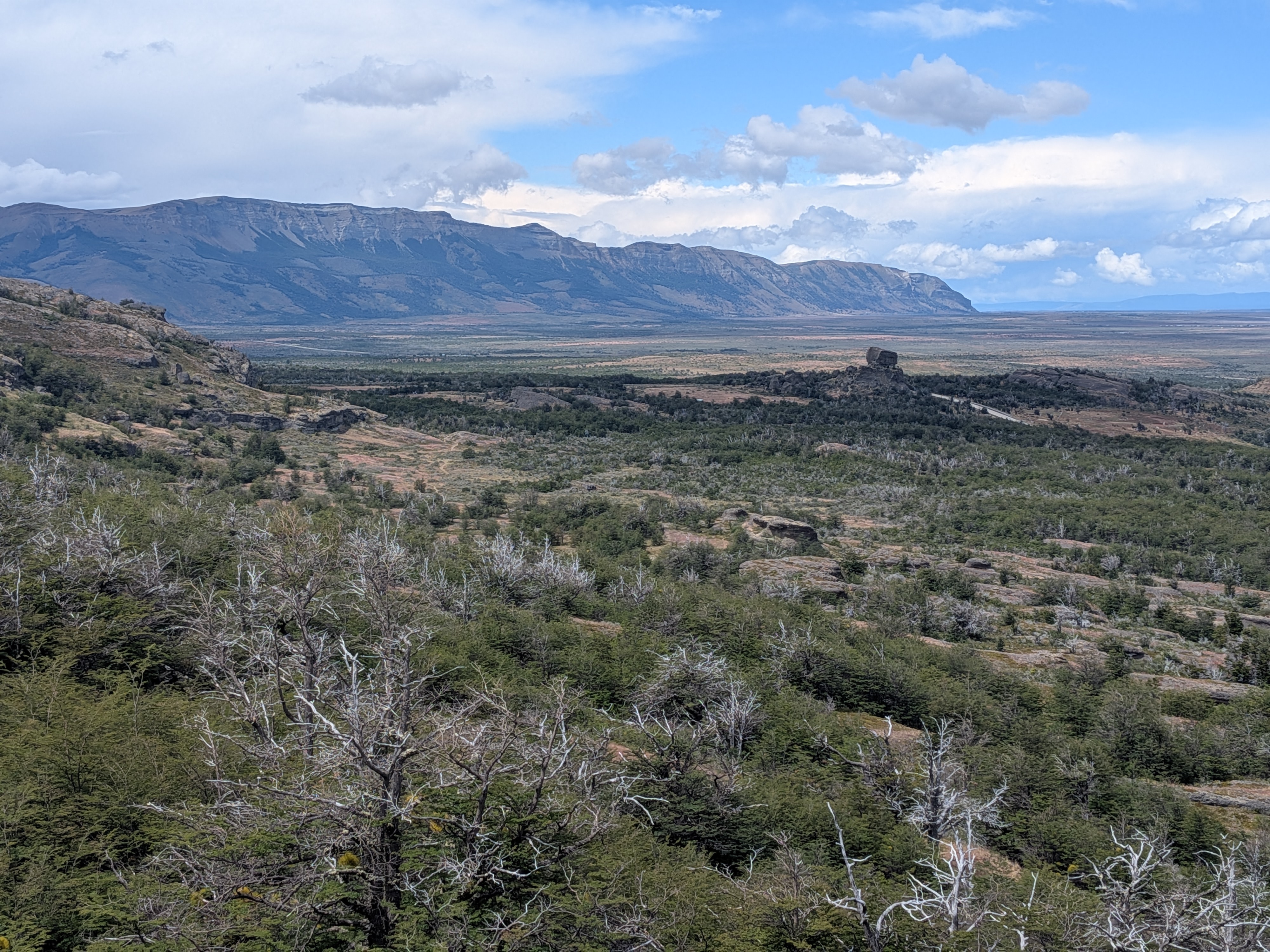
There are many reasons to make this stop besides the caves. The first is a short hike about an hour long there and back that will take you to the top of a plateau that overlooks the whole valley all the way from Puerto Natalis to the start of Torres del Paine. It is a little bit of a rocky hike up to the top, but with some good hiking boots, and a bottle of water, most people can make it to the top without any trouble. I especially like the hike because when you get there and take a couple of pictures from the right angles, it looks like you accomplished a more difficult hike than you really did.

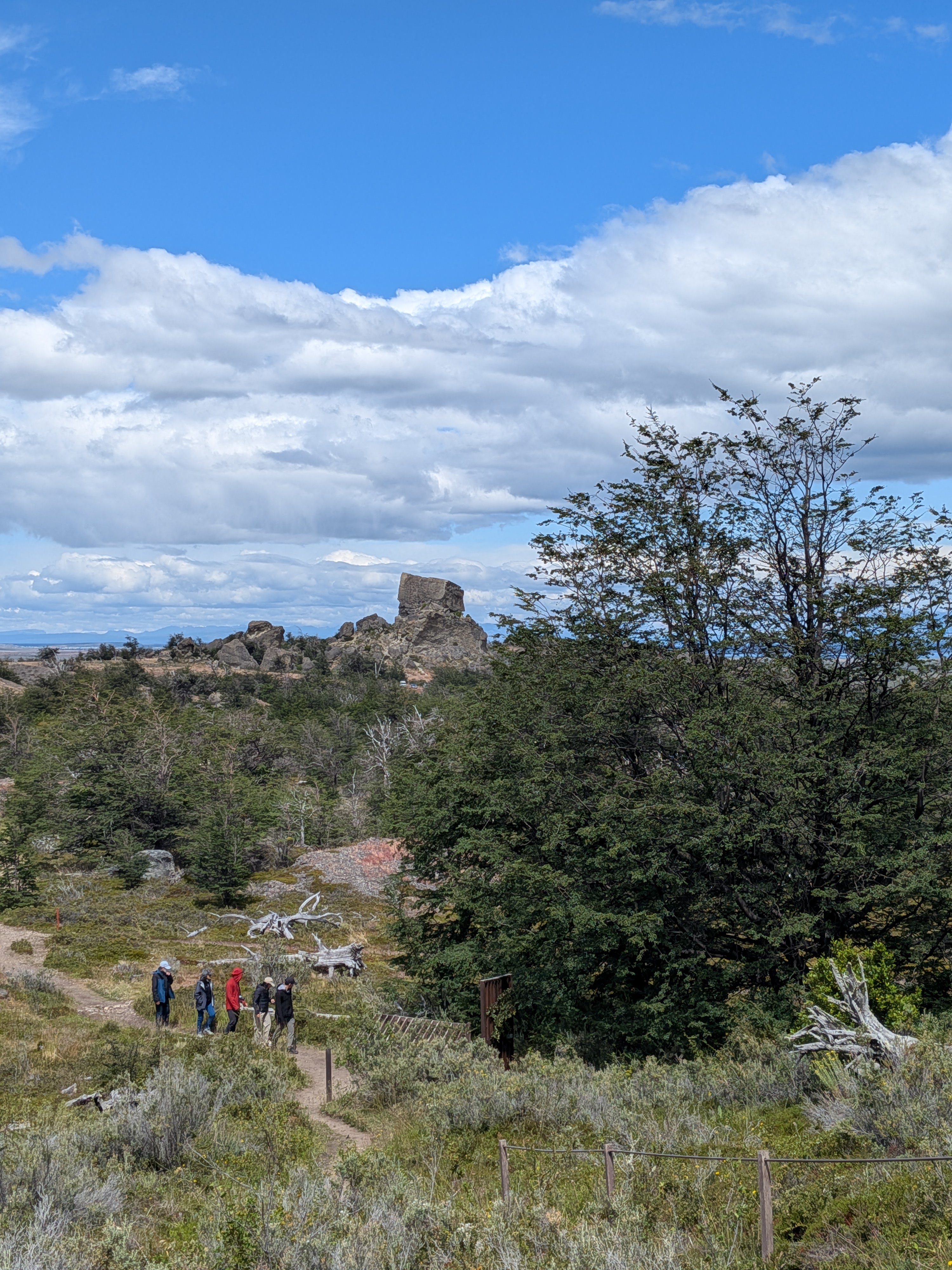
The other big attraction is the Devil’s Chair. It is a rock formation that sits right off the road and is the first impressive sight that you will see on your way to Torres del Paine. This can be easily reached by hiking along the valley for a kilometer from the visitor’s center, or for those that are not as adventerous, you can open the gate and drive your car down the dirt road to the rock and look at it. If there is one thing to skip on this trip, it is the hike out to the rock. It does not look as impressive up close as it does when you are further away, and there are plenty of views of it as you explore the rest of the area.

The thing to stop for is the caves. The one closest to the visitor’s center is the easiest to get to and has a paved path all of the way up there. The walkway has many signs along the way that talk about the formation of the caves, the various types of animals that used to live in the area over the centuries, and the how the first people in the area used to live. It is also the biggest of the caves, and it looks like most of the time people are allowed to walk all the way around the cave, but the back portion of the cave was closed while I was out there. It is also a very yound cave in terms of what features can be found there. There are only a few stalagtites being formed so far, but most of the ceiling and walls look as smooth as a new canvas waiting for the artist to deliver his paint.
The other two caves are similar and it takes a couple of kilometers to get out to the furthest one. The one in the middle is considered one of the most important finds in all of Patagonia as it had human remains in there that show that this was the oldest place of human habitation in all of the region. The caves are neat, but they do not take much time to explore so if you are not up for a good hike, then they might not be worth the effort. I enjoyed them a lot and would do the hike again, and it does not take more than a couple of hours to do the whole loop.
If you are taking that drive out to Torres del Paine, I would recommend making this stop along the way. It will whet you appetite for the exciting things you will see when you finally make it to the national park.