Machu Picchu with Elderly

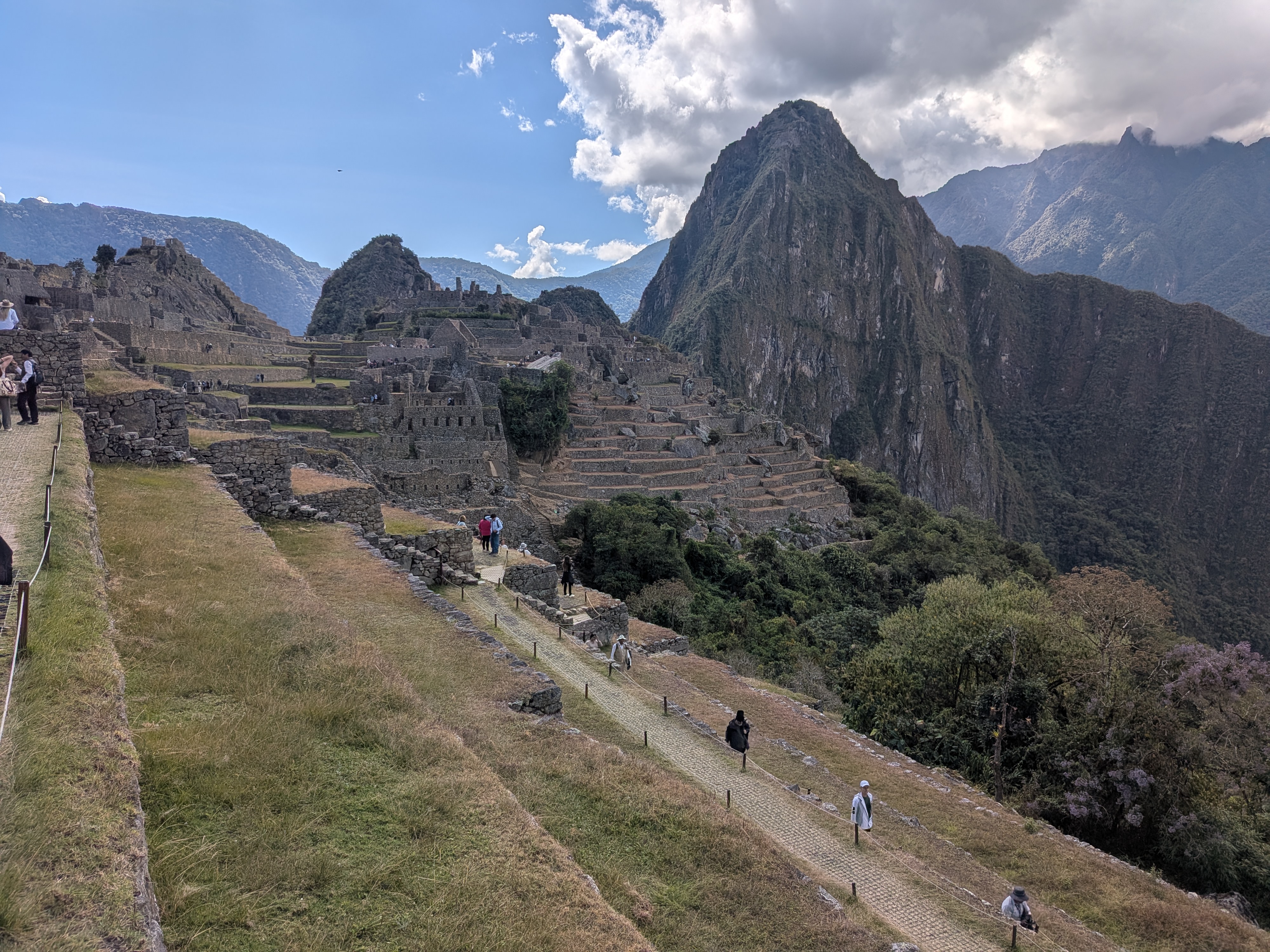
This is the second time that I have been to Machu Picchu this year. During the first time I was there, I was standing on one of the terraces and a tour guide was trying to take a picture of a son with his elderly parent. He was asking for both of them to crouch down so he could take a great picture of them with the fame old city in the background. The older of the two crouched down, but then lost his balance and almost fell over the edge of the terrace before his son was able to catch him and settle him down. It was a scary moment that even brought the employees of the sight out from their hidden corners to make sure everything was okay. It was this moment that made me wonder if taking my dad, who is 86, out here to see the wonders of this amazing cultures heritage sight. There were many questions that I needed to ask myself about making sure this trip worked for him. Would he be able to enjoy the wonders of Machu Picchu? Could he handle the rough terrain that he will have traverse though in order to enjoy the sight? How should I schedule the time that he is out here so he can enjoy it while not feeling worn out?
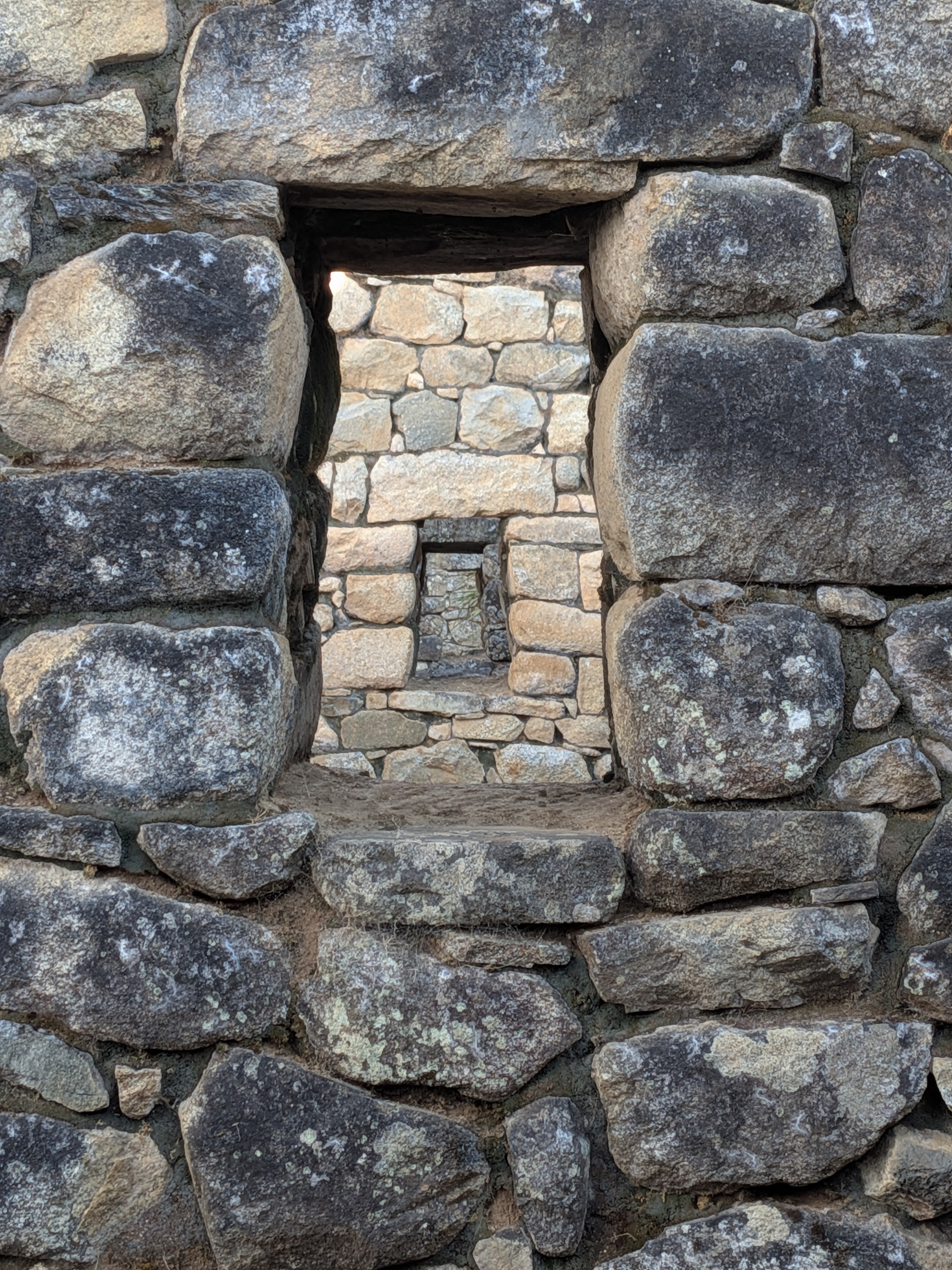
First off, would my dad enjoy the wonders of Machu Picchu? And that was easy to answer. Of course, he would. I still have not met an individual that would not enjoy this historic sight. There is a reason that so many people have added a day at Machu Picchu to their bucket list, because there is not another place like it in the world. It is not just the amazing views, or the spiritual feeling that this places holds within its haunted stones, but it is the amazing story that is told by the buildings and the history of this place, especially when talking about the precise that it was constructed. There is another wonder around each corner, and it is easy to be caught up in the magic of the place. Of course my dad would love this place.
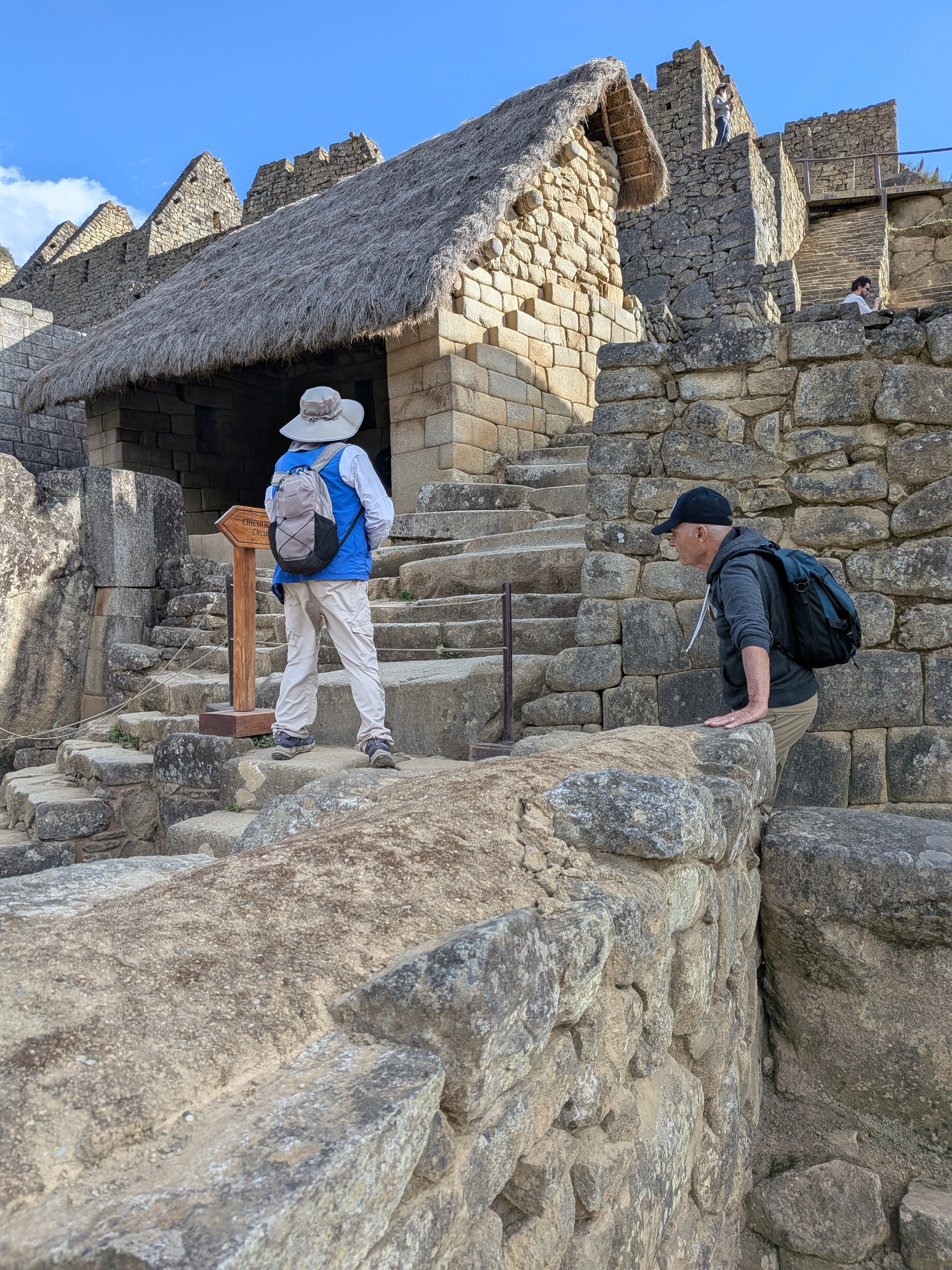
A bigger question was: Could he handle the rough terrain that he will have traverse though in order to enjoy the sight? Let me start off by saying that my dad did great though we had to take it slow, and there were a lot of breaks along the way. The tickets have a specific entry time to Machu Picchu, but there is an hour grace period to work in. If you are planning on taking it slowly, it would be best to get there as soon as the time opens up because the place allows for four hours to go through your chosen circuit. I would also suggest using the bathroom before you enter the sight. There are no bathrooms in Machu Picchu, but there is a pay toilet outside of it, and it costs two soles (a little over 50 cents) to use, so make sure you bring some change with you.

Now with all of that being said, there are some other points I would like to make if you are considering making this decision. First off, my dad is in pretty good shape for an 86 year old man, and he started walking on a regular basis six months before he came because he knew it was going to push him some. He also lives in Denver, Colorado, so altitude is not always a problem for him. Machu Picchu is almost 8,000 feet above sea level, so being so high up is something that should be taken into consideration.

Also, just because my dad did well, other elderly people we came across on the trail did not fair as well. We saw many people struggle on the paths, and hiking up the uneven stairs that are found in the ruins. Most of them had to get help getting up and down the hilly terrain, and almost all of them were fumbling around with hiking poles while doing it. I am not saying that hiking poles are a bad idea, but it looked like they were being used for the first time by most of these people. If you want to know if hiking poles are going to help or not, the person should get out and walk around with them for a few months before ever coming to Machu Picchu. This way, they will know the height that is comfortable for them, and they will know how they can help them through the difficult terrain.
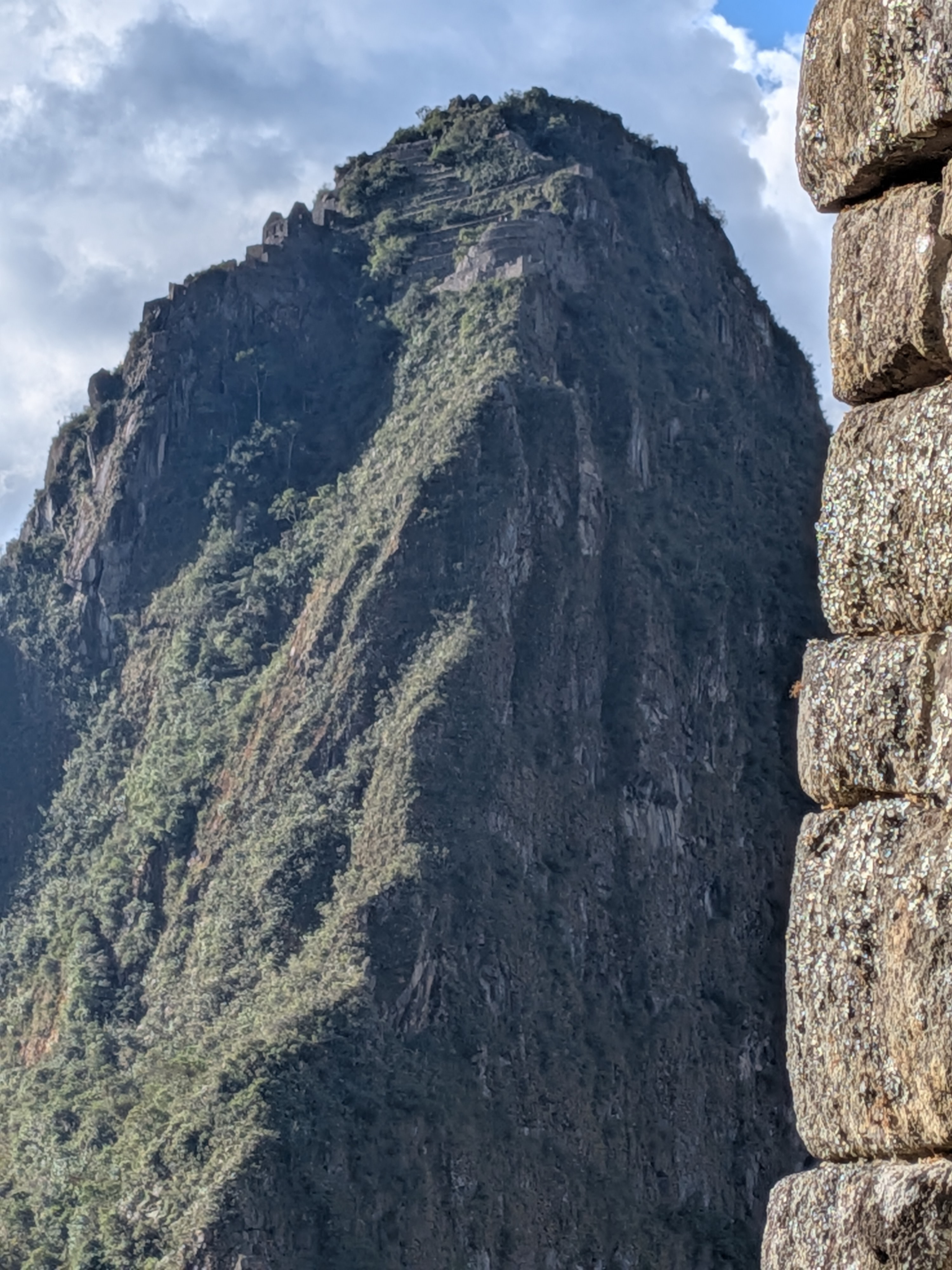
How should I schedule the time that he is out here so he can enjoy it while not feeling worn out? I will admit that I did not do the best job of this. There are a lot of things to consider when getting out to Aguas Calientes, the town that is the gateway to this amazing sight. First, you cannot drive out to Aguas Calientes; you have to take a train. This is a four hour train ride from Cusco, and a two hour train ride from Ollantaytambo. There are plenty of places to spend the night in the town, and it might be best to plan for two nights to stay there with two of the days used to go to Machu Picchu so you can have enough recovery time. I thought it would be best that we should go up on the day of the train ride, and that was a little too much to do in one day for my dad. It would have been better to spread it out a bit.

I would also recommend an afternoon visit and a morning visit, especially on the day you are leaving if you are staying in Ollantaytambo that night. It might seem to be a bit much to get up, hike through Machu Picchu then catch a train, but if you are going up to see the sunrise, and then heading back down, you will only be at the sight for an hour or two, and the train station is not far from any of the hotels with most of the hotels willing to help you get to their hotel when you arrive, and back when you are ready to head on.

There are three different circuits that take you around Machu Picchu and you can only go in one direction on them. They all offer amazing views, but the most spectacular views come from Circuit One. This is the shortest of the hikes, but at the same time, it is up and can take a lot out of many people. It is possible to do, but just make sure you take plenty of breaks along the way. Also know that the steps are the original steps and can be difficult to navigate on the best of days. These steps are at all of the circuits though. The steps are also not uniform so it takes big steps sometimes to go up or down, and that is something that should be considered when coming to Machu Picchu.

Circuit Two and Three go more around the inside of Machu Picchu, and are best experienced with a guide. These can be found at both outside of Machu Picchu, and down in Aguas Calientes. If they are hired in town before the bus rides, they are great in navigating how to get on and off the bus and where to go for the trip. The can also help in making it around the more difficult parts of the hike while taking pictures for you at the same time. The other two circuits can also be difficult, but there are short cuts around some of the more difficult parts, but it also takes away from the overall experience, so this something else that should be kept in mind.
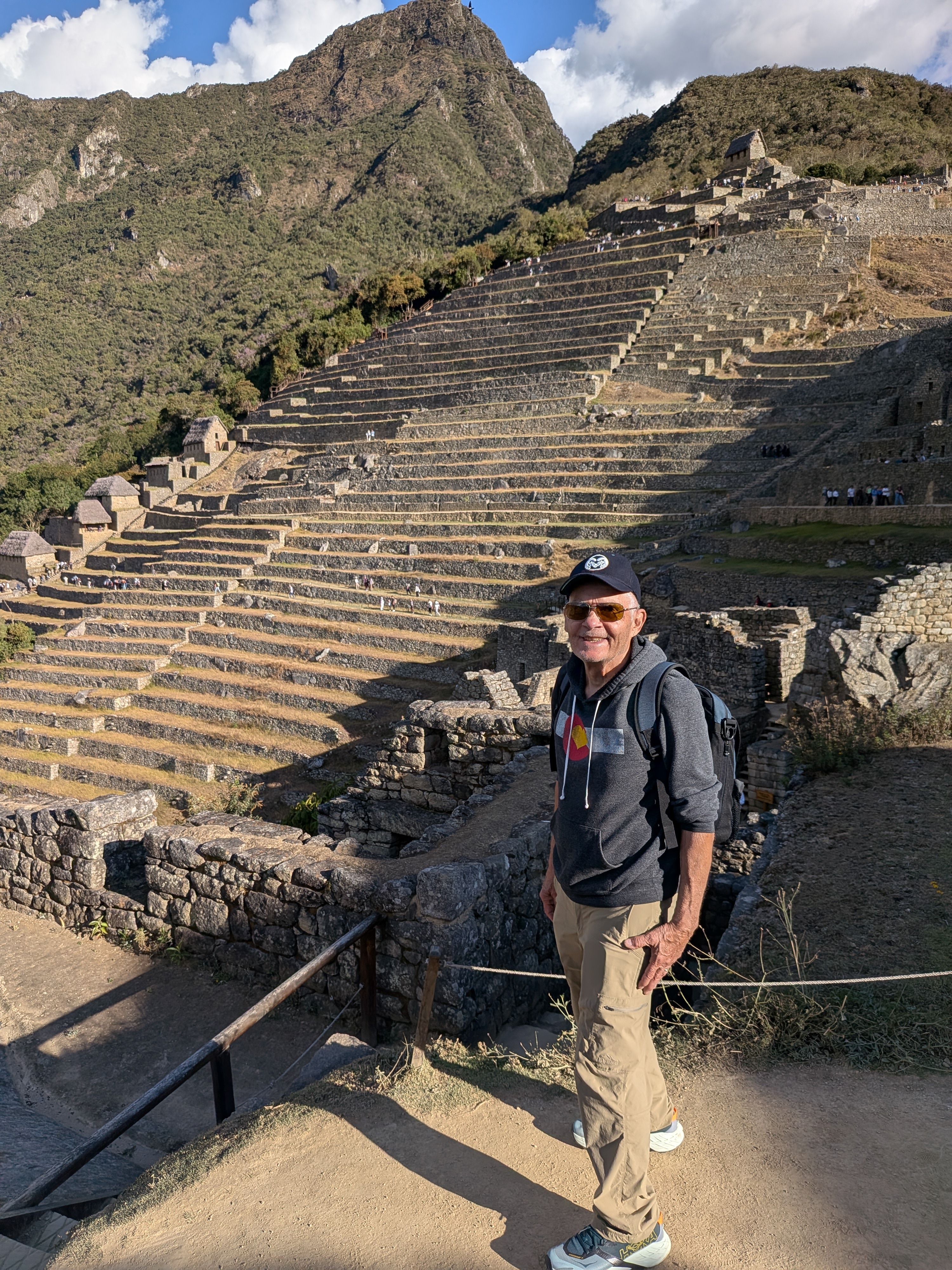
In the words of my dad, Machu Picchu is a magical place, and there is a reason that it is on many people’s bucket list. It is not for everybody though, and great consideration should be taken if thinking about taking an elderly person there. But if they are adventurous and are still mobile, with good planning, they can tap into that magic that is found there. It is also great to watch them as they start to experience that magic with you.

Until next time, enjoy getting out there and seeing what the world has to offer.

Maras and Moray – The Sacred Valley, Peru

The Sacred Valley is the biggest draw for many people who come to visit Peru, mainly because of the attraction to its crown jewel, Machu Picchu. But there are many more things to see while visiting that lie along the path of Peru’s famous Peru Rail that travels from Cusco to Aguas Calientes, the small town where people stay before visiting Machu Picchu. But taking the train is not the only way to get between the two sights; there is also the option of hiring a driver that can take you all the way to Ollantaytambo. You can even arrange to have them stop at a couple of the smaller sights along the way to get more out of your Sacred Valley experience. Two of the easier stops along the way are Maras and Moray, and can make a travel day a great just by taking the time to go off the beaten path a bit.

First of all, know that it is off the beaten path. To get to these sights, you take skinny mountain roads that have not been paved, and drive through the back alleys of small towns hidden in the Andes. You could rent a car to make the drive, but it is not an easy drive. It would end up be a very stressful experience, and it would be much more relaxing to just hire a driver to take you the whole way. This way you can sit back and enjoy the scenery of the valley below you unfold in all its majesty.

If you are traveling from Cusco to Ollantaytambo, the first stop along the way would be Maras. Maras is a actually a small town in the mountains of the Sacred Valley, and it is not the real reason that people come to this area. The main attraction is the salt flats that can be found there. If you do come here, know that the Cusco Tourist Ticket does not include this location, so you will have to pay an extra twenty soles per person if you wish to visit. It is still an interesting place to see, and though the drive on the small mountain roads can be slow due to traffic, you can get some nice views along the way to make the drive worth it. The terraces out there have been around since the Incas, and are still in use today as a way to collect quality salt that is used all over the world.

The salt comes from an underground spring and is collected in an intricate system that allows the water to flow through various quadrants where the lips of each section collect the best of the salt. The water is slowly drained when enough salt is collected and a common salt is scraped together to be distributed to various stores in the region. It is a process that has been repeated for centuries, and you can come here and watch the slow process being done very similar to the way it was done before the Spanish ever made it out to this region.

Only a half an hour drive away is another sight that I think is even more exciting than Maras. This is the ringed terraces of Moray. There are three different locations where these were created by the Incas, and they are not only a marvel in architecture but also agriculture. The Incas built this sight as a way to experiment with their crops. They formed these co-centric terraces in the ground so that there would be different micro-environments that they could plant various crops in. It allowed for different levels of temperature to exist in a small area so they could see which plants would grow best. The plan worked so well that there is a fifteen degree difference between the top level and the lowest one. They even brought in different kinds of soil from the region to see how the plants would grow here.

The marvel of engineering goes even beyond the terrace to the various way that they could travel up and down them as they added rock staircases into the walls to allow for easy vertical maneuvring. Recent rains have caused some damage to the location, but for the most part, it is still intact, and an amazing place to see.

People come out to the Sacred Valley all of the time to see the wonders of Machu Picchu, but there are many other treasures held within the valley. If you have enough time out here, you should try to see as many of them as possible, and Maras and Moray are two easy additions to the trip.

Ollantaytambo Ruins, Peru

Many people have Peru on their travel bucket list, and when they think of the country, they think of Machu Picchu, and making the hike to this fabled city high in the Andes. It isn’t until they start looking into the voyage that they realize that the first stop they will need to make before getting there is Ollantaytambo, a small city where the roads end and the real trek begins.

There are two ways to get to Machu Picchu from this town. The more popular of the two is the train. It hugs the sacred valley, and will take people to Aquacalientes, the even smaller town that a series of paths will allow them to reach their destination. For the more adventurous traveler, Ollantaytambo is the start f the Inka Trail, the four day hike that will take them through the same sacred valley, but allow people to feel like the explorers that discovered this destination in the first place. Whether by trek or train, the town of Ollantaytambo is definitely worth a couple of days before going on to Machu Picchu.

The first thing that many people will have to do upon arriving in the area is to make the adjustment to the altitude. Back in my Colorado days, this would not have worried me much because Ollantaytambo is only 9,000 feet above sea level. But since I have moved to Lima, and live only a couple hundred feet above sea level, it took me a couple of days to fully adjust. This is also nice because Machu Picchu is about a thousand feet lower, so when I finally arrive, I should not have to worry about the adjustment at all.

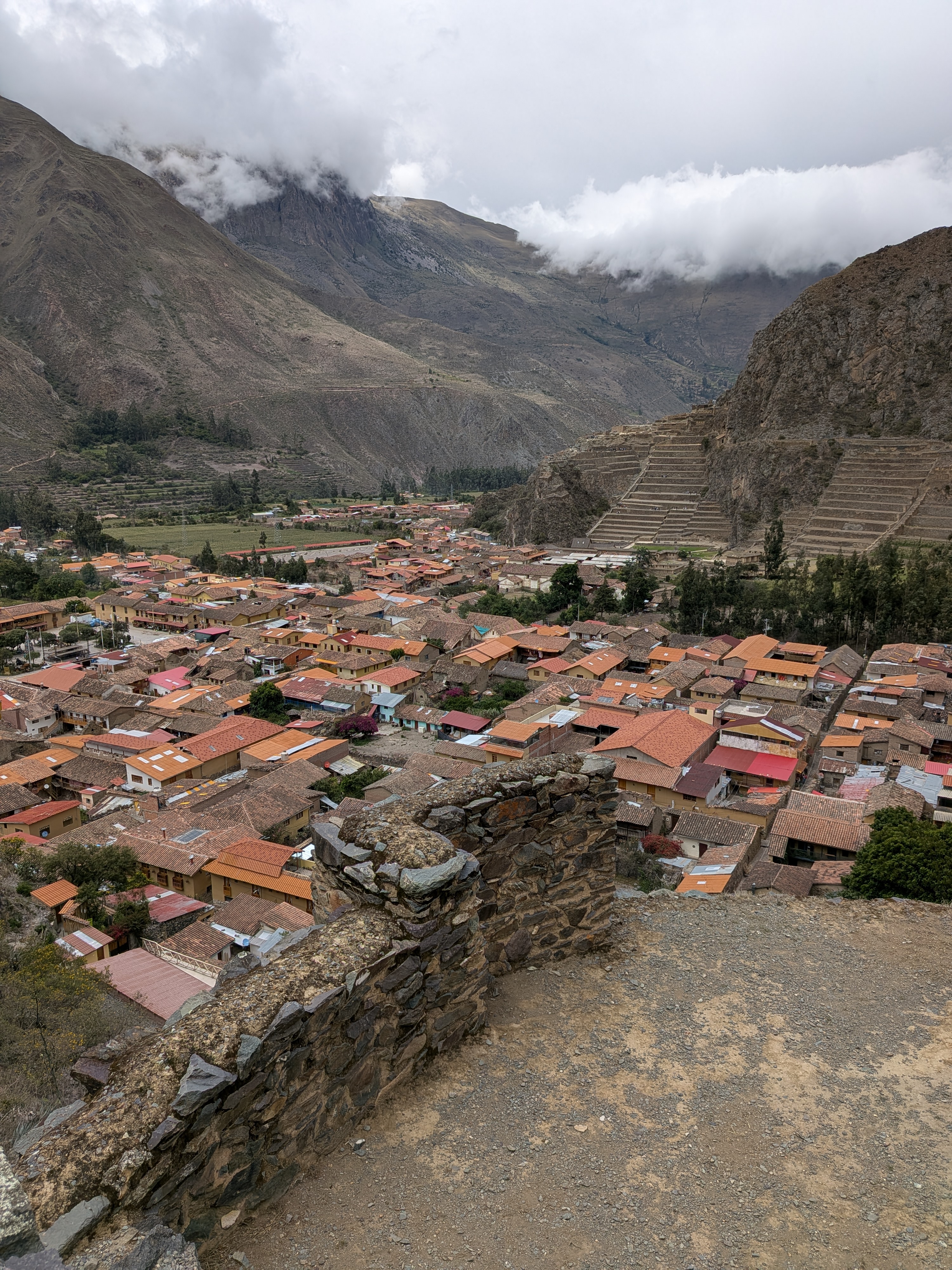
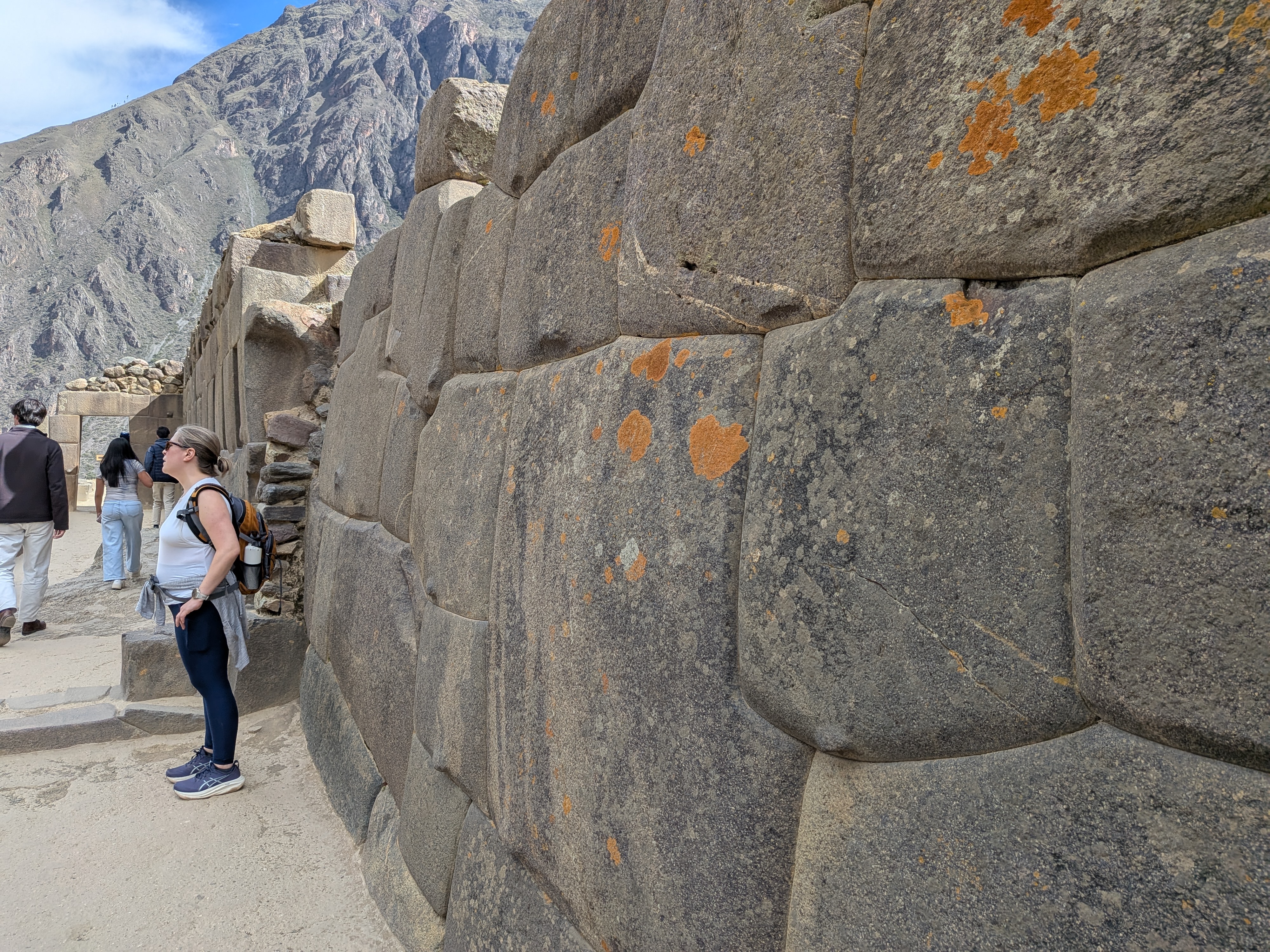
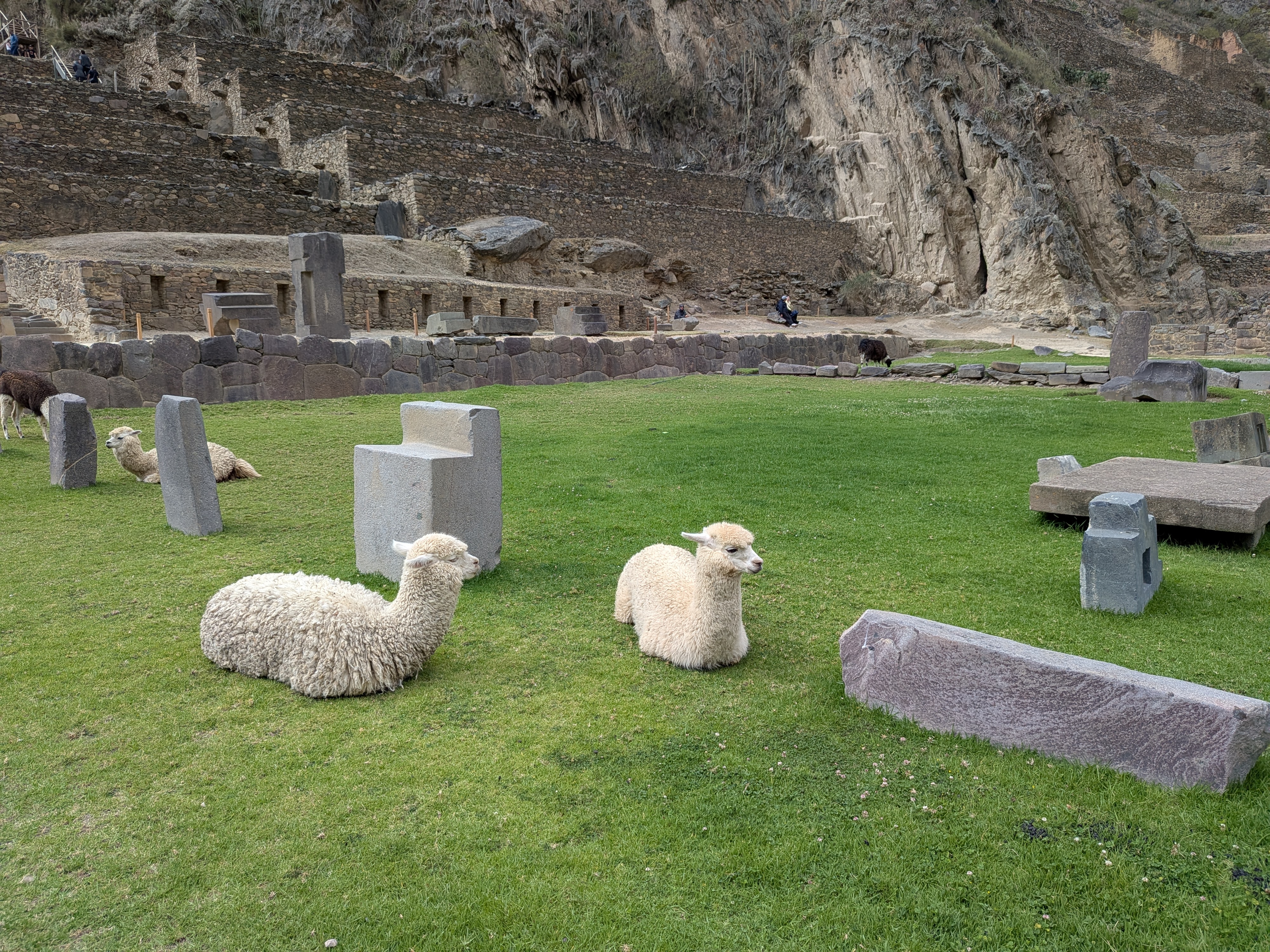
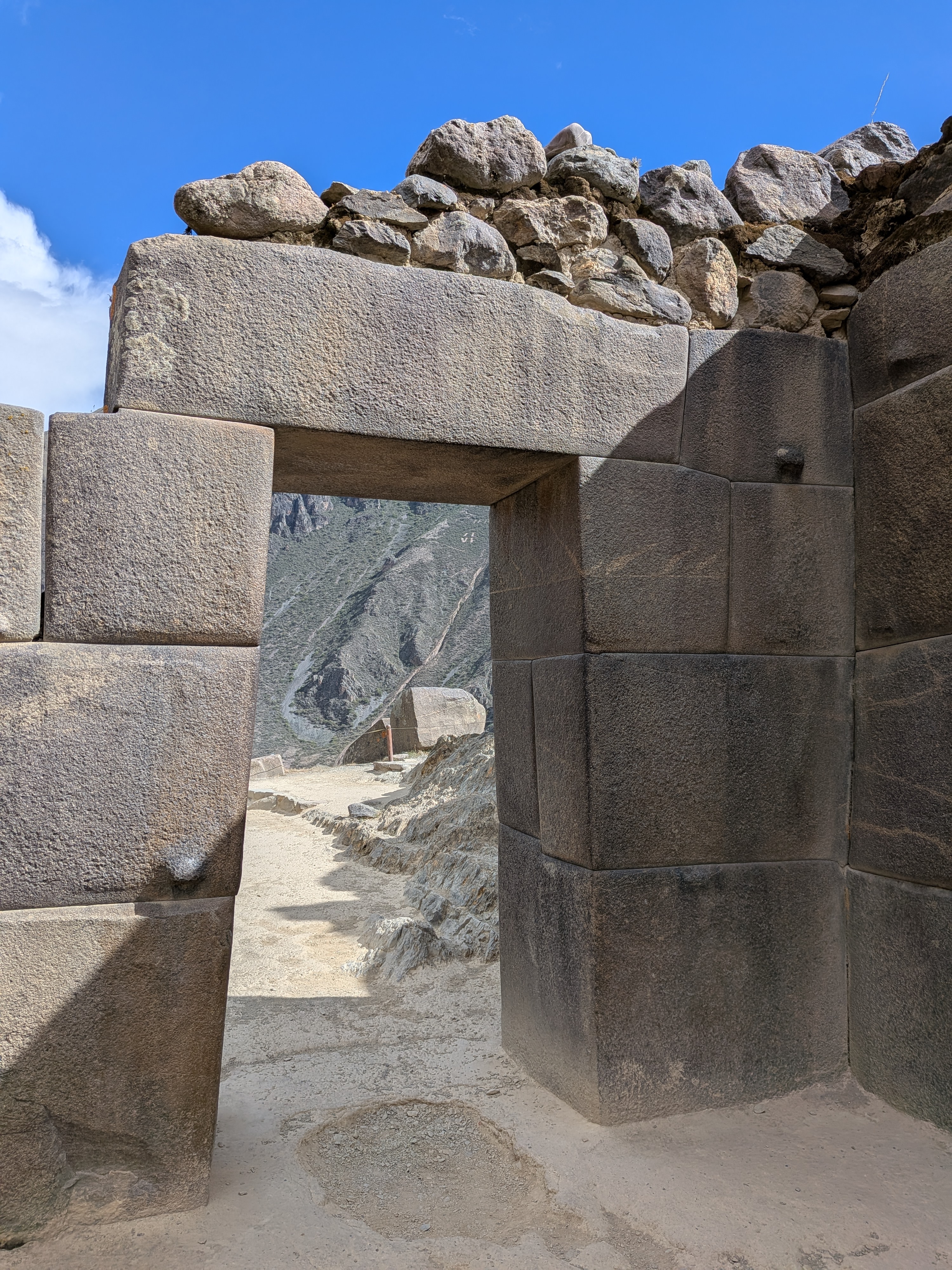
Ollantaytambo is a great town to visit though. There is an old part of the city where old Inca walls have been preserved and new building have been built on top of them. They did not try to continue the aesthetic, but built with a significant difference, so people could notice the old walls, and how far the town spread.

They also have a Spanish feeling plaza that is covered with various vendors, and good Peruvian restaurants. Most of them serve simple meals, but there are a couple that stand out; Amanta and Chuncho had more traditional Peruvian fare, and the later one even brewed its own distilled liquor that they used in all of their cocktails.

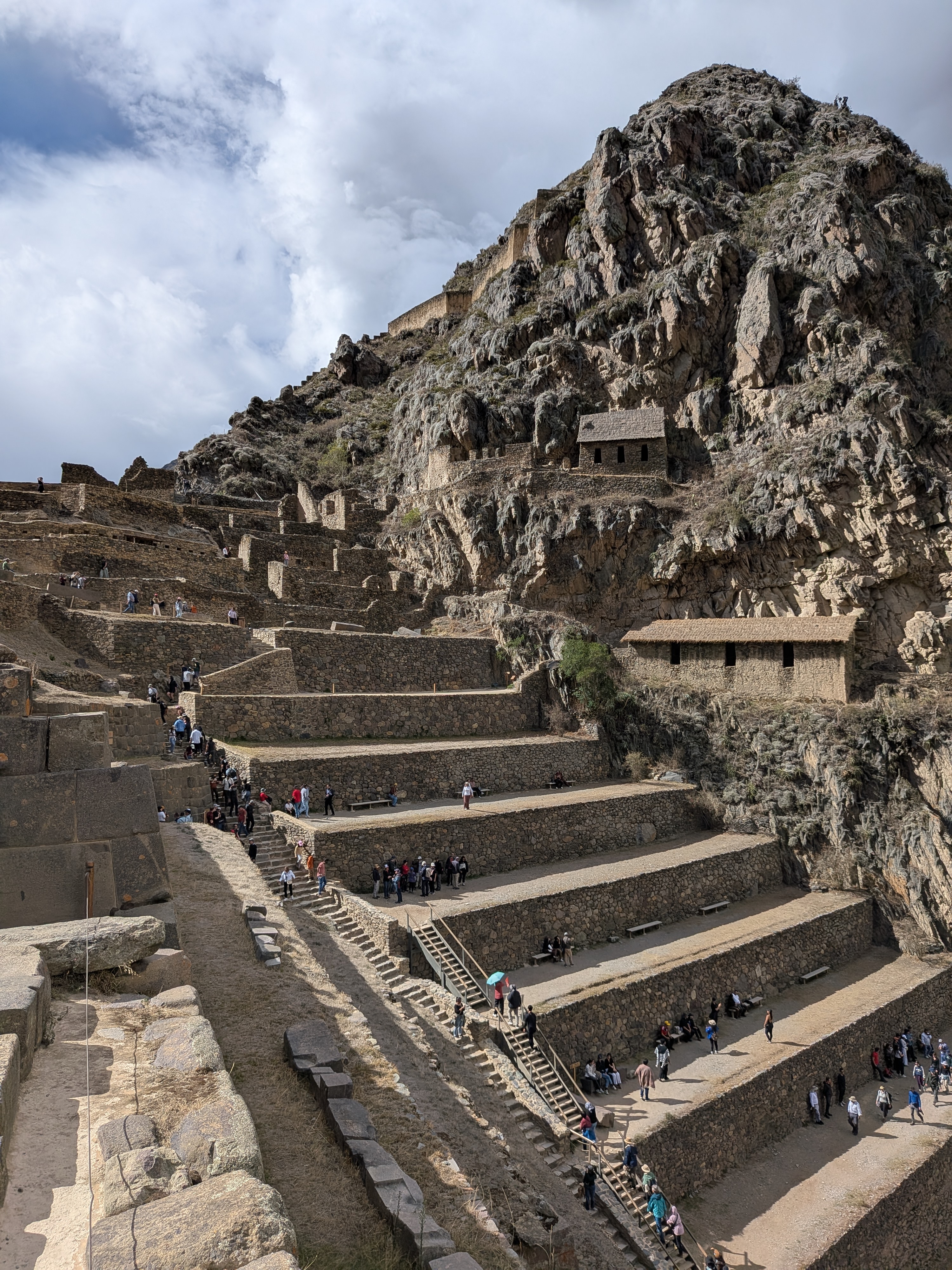
The Spanish came in the way that they always did, thinking that they would easily overpower them. What they did not count on was the Inca flooding the valley causing them to retreat. During this retreat, the Inca sent down their most powerful warriors to attack the Spanish and in the process slaughtered many of them. It was a short lived victory though because the Spanish returned with four times the original forces and eventually took over the sight. Still, it was one of the few times that the Spanish suffered a defeat at the hands of the Inca.

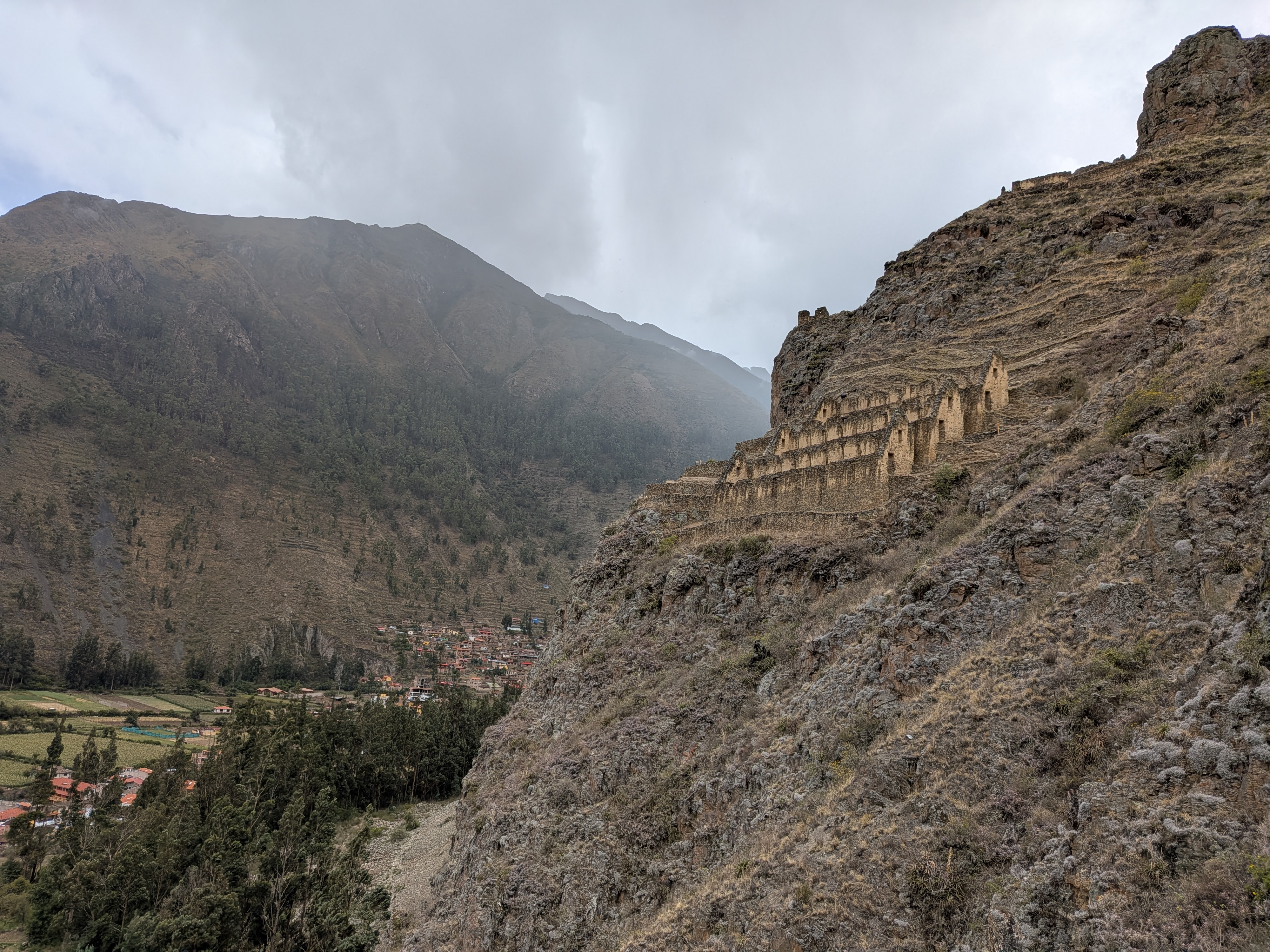
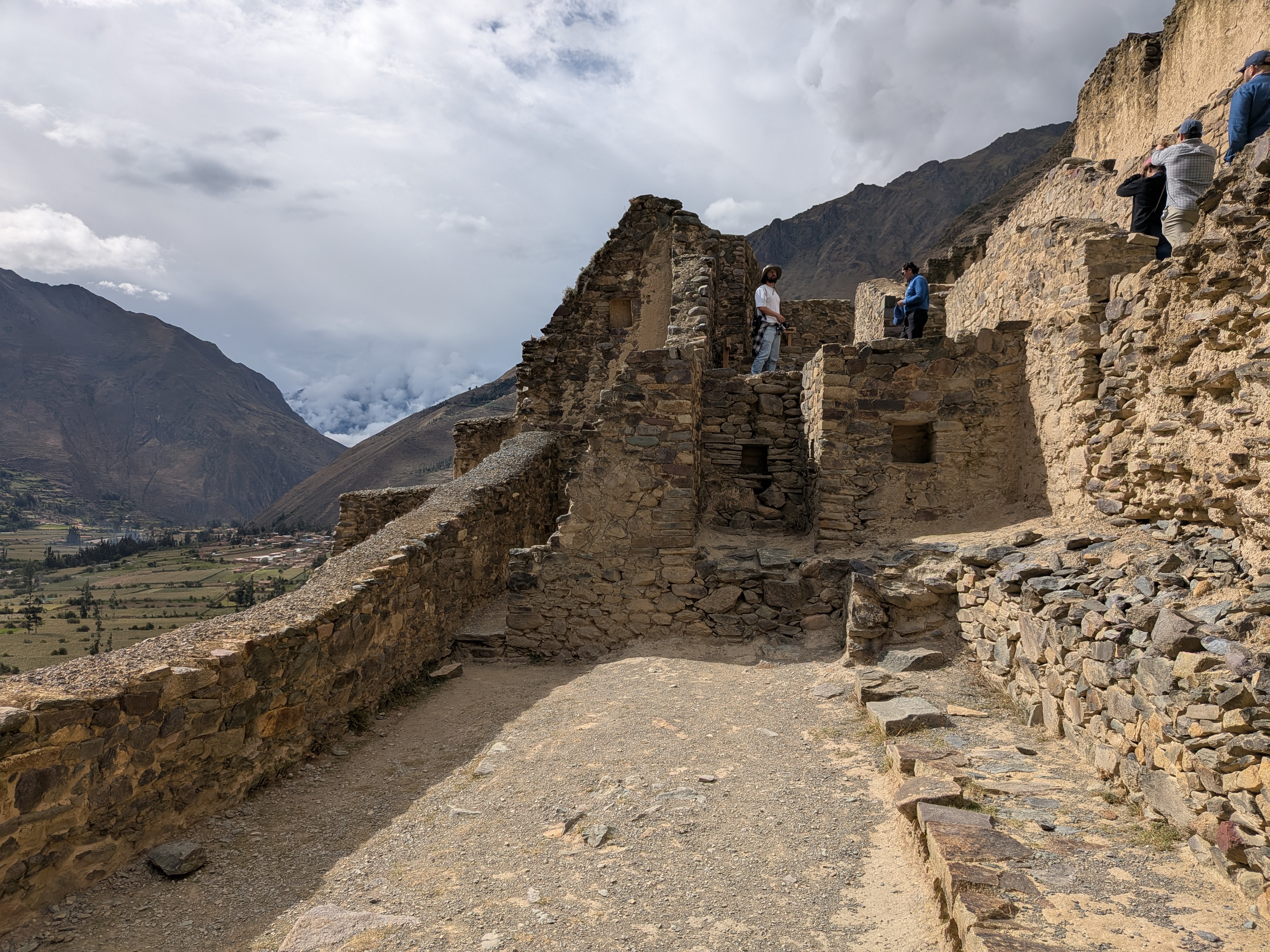
The fortress is well-preserved today, and though it might take a couple of stops along the way up to catch your breath, it is easily accessible for most people. It also offers amazing views of the town, and the surrounding valley. It might not have the location view that Machu Picchu does, but it is a great little taster before continuing on to that historic sight.

The other side of the valley has another set of ruins that at the time of writing this entry are free to enter. They do not attract the big crowds that the fortress does, but the ruins are just as impressive. The hike up requires a little more patience because it requires some more difficult terrain, but the sign will guide people as to which way they should go to avoid creating road blocks.

I would suggest going early in the morning because the crowds are almost non-existent at that time, and it makes you feel as if you have the ruins to yourself. It is a little difficult to find the entrance because it is not a big ticket booth like the fortress has, but it is on block south of the plaza. Take the first left and walk down the cobblestone path for a bit. You know you are in the right place because there will be an Inca made aqueduct on your right hand side. If you look to the right you will see the entrance with stairs leading up the mountain on the other side.

I have thoroughly enjoyed my time in this small town before going on to the main event, and I never thought that an entrance town could be just as exciting as the whole reason I came out to this part of the world in the first place. It has gotten me excited about Machu Picchu by showing me what I should expect when I get out there. I hope this inspires you to take the voyage, and until next time, keep looking for those hidden gems that you know are out there.