When the final scallop has been eaten And I’ve mopped up the spicy sauce with bread; When the volcano top has been beaten, Just so I could disprove what you had said; After the kayak has been put to shore From skimming out to a calving glacier; After we have visited the gift store We are forced to see on a museum tour; When the mementoes are in the cases That we have purchased without much thinking; When we have gotten rid of all traces In hotels where our butts had been sinking; With the memories of this holiday, We can return to our regular fray.
It was not exactly what I was thinking of when I think of Summer Break. Most of the time I get visions of hot weather, lying on the beach, and roaming around the world. Of course, most of the time when I think of Summer Break, this happens during the months of June, July, and August, not January and February. Then again, I had never lived in the southern hemisphere, and never really thought of this time of the year as the summertime, so when I got to my first Summer Break, I thought of the one place where I could visit that would let me experience the travel fun of Summer Break, but give me a little chill that I have become accustomed to this time of the year, and the place that was closest to me where I could achieve this goal was Patagonia, the very southern tip of South America where summer does happen, but more like I would see if I had visited Alaska, or some place in Scandinavia.
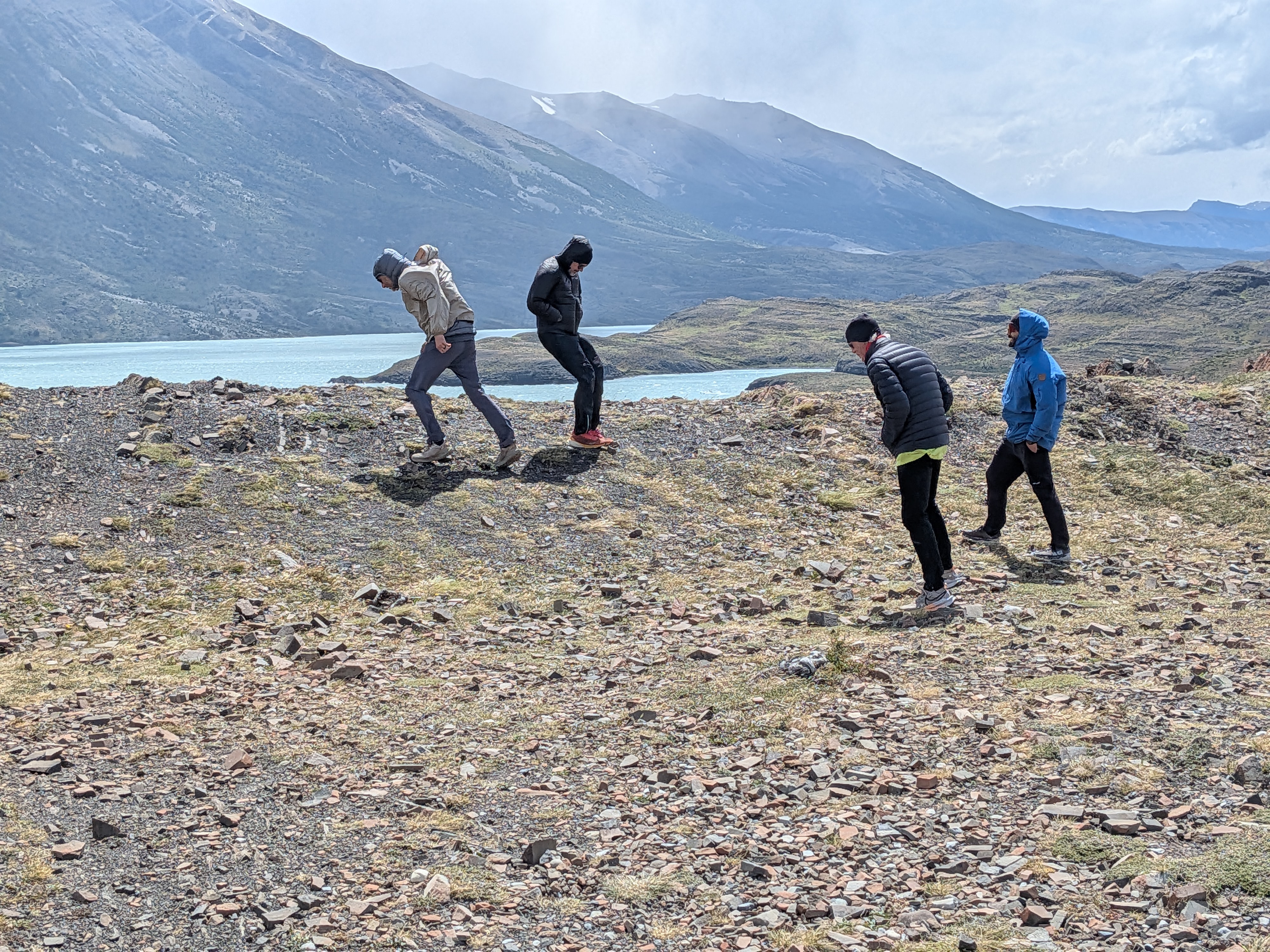
When I thought of going to a place where the sun set for only a couple of hours a night, and the weather of summer does not reach as well as some other place closer to the equator, I had visions of my time spent in Iceland. It was amazing, but it is also a hard place to stay in. We had encountered a lot of rain there, and the wind can be brutal. I was pleasantly surprised to not see the same thing in Patagonia though we did have some rain, and one day of brutal wind. It was so bad that things would just blow off of us and disappear over the mountain ridge. Also when renting our car, they showed us how to open up the doors to prevent the wind catching them and blowing them off the car.
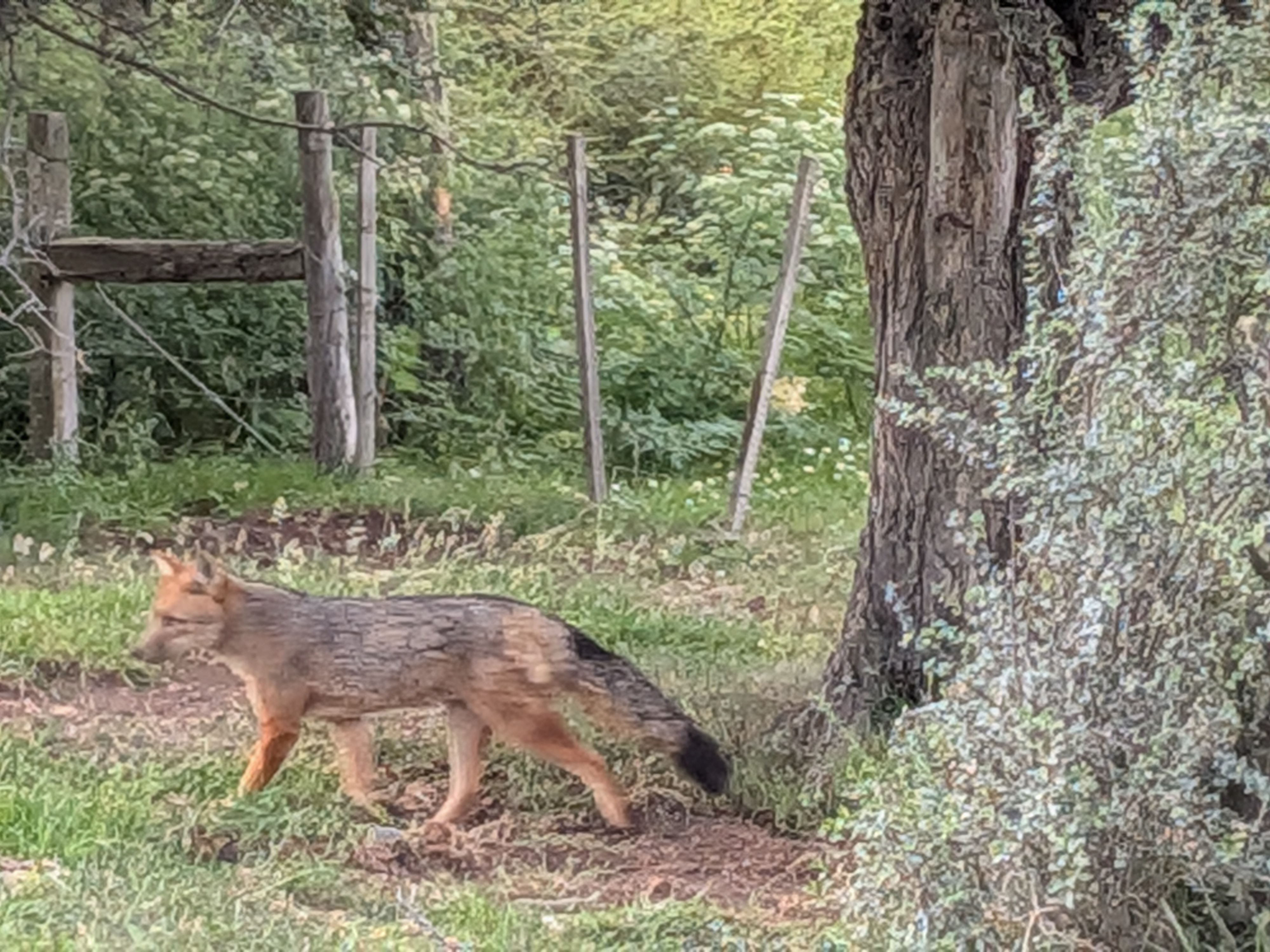
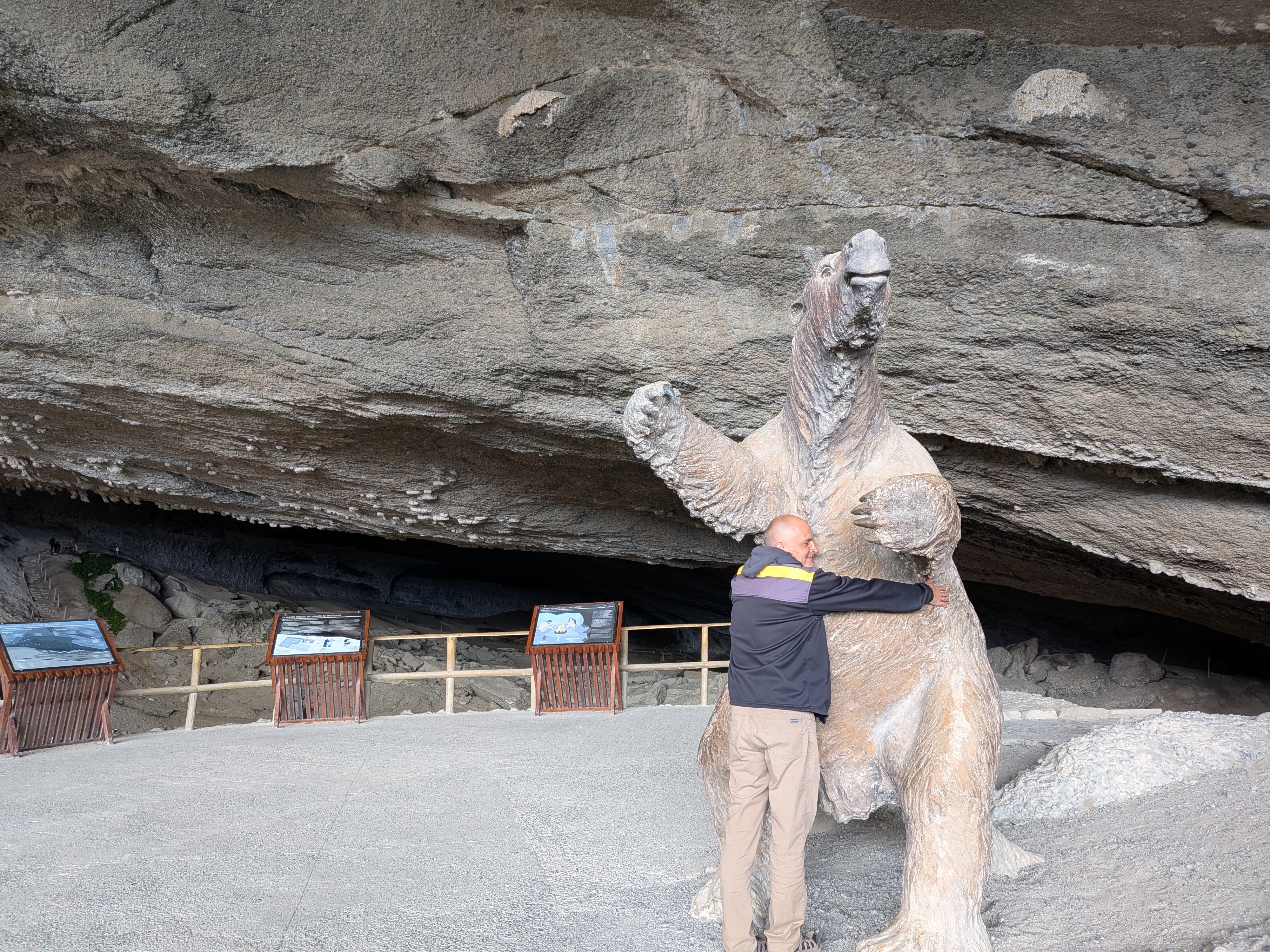
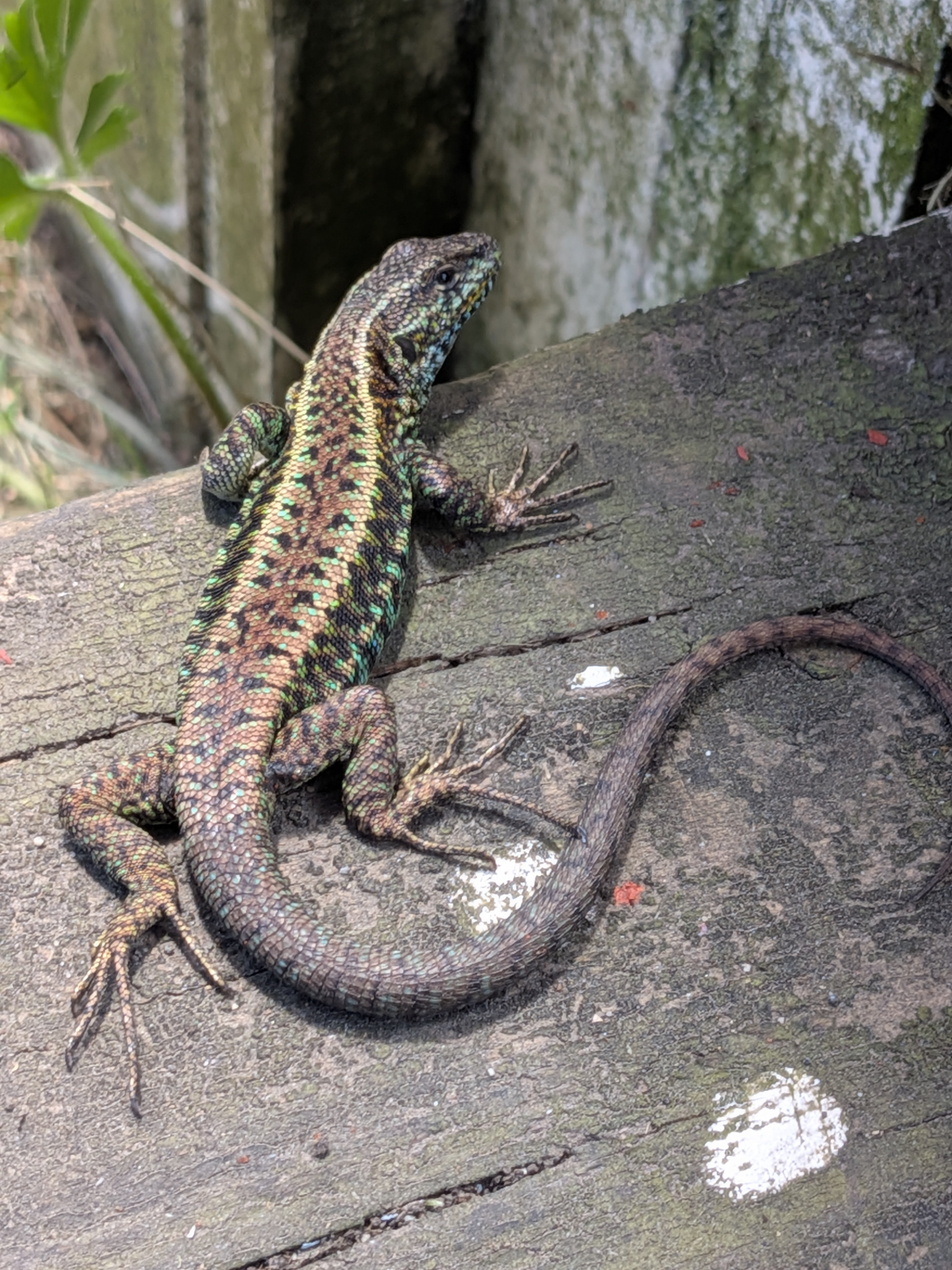
Despite the possibility of harsh conditions, life is still able to find a way. I know I should not have been surprised by all of the wildlife that I would find out there, it still shocked me. The animals varied from guanaco, a large relative to the llama, to the fox, to the condor, and even puma which we were not fortunate to see. Still, almost every day out there we encountered an animal that was living its best life despite the fact that they also had to contend with the wind, and rain, and probably even harsher conditions when it is no longer summer.
Even though we had some amazing days, it still did not feel like summer. A lot of that probably had to do with the fact that we had to always carry layers of clothes with us wherever we went. At any time the weather could go from sunny and warm to windy and cold, and if I did not have a rain coat with me at all times, there was the possibility of getting drenched in a torrential downpour. It just meant that we had to do a little extra planning every day before we left our place to go and adventure out into the exciting things we could find at the tip of the Americas.
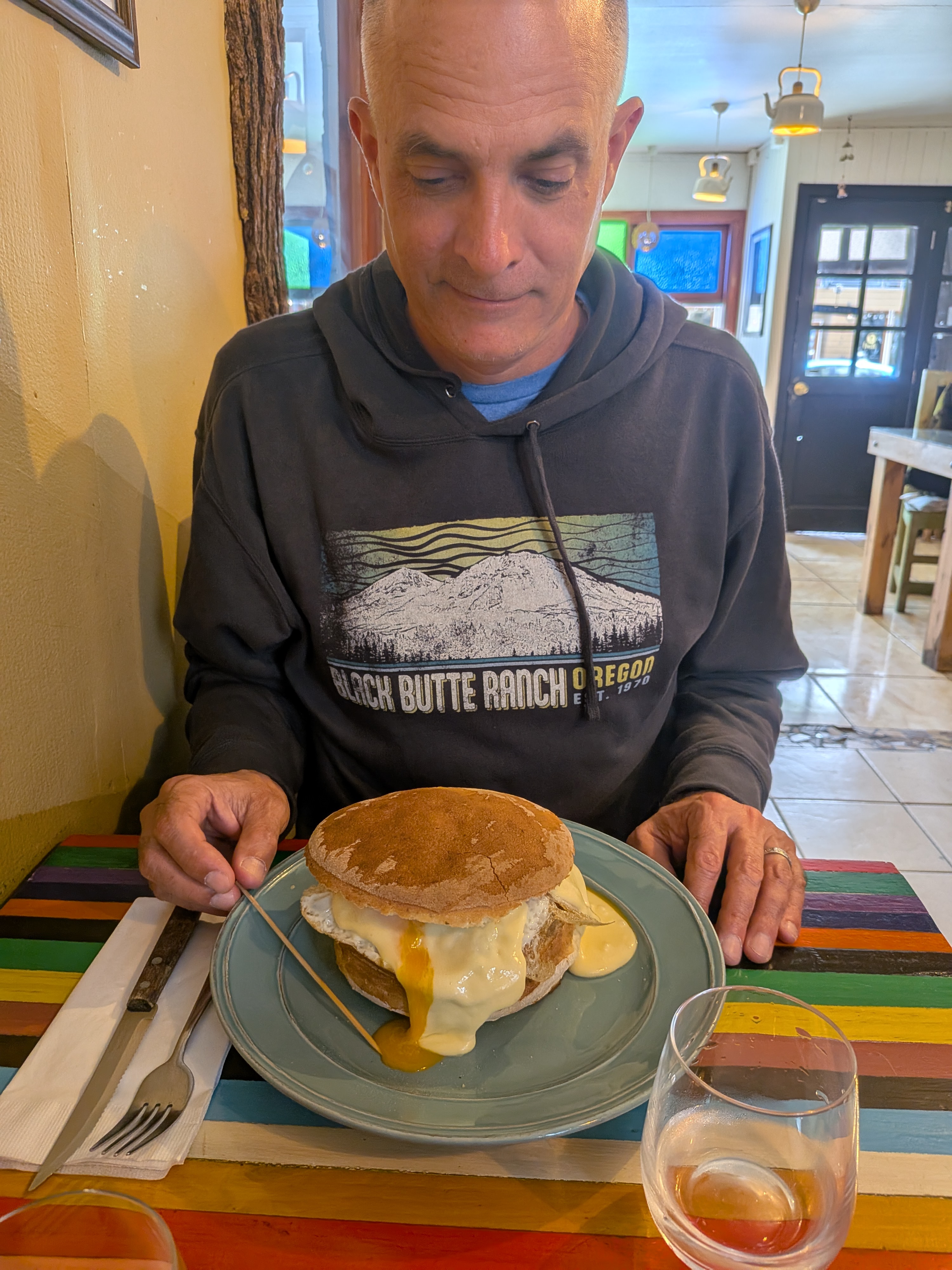
And the surprises came from many places other than the natural beauty that we came out there to see. I will be honest that I did not have grand expectations for the food. It is not like Chile and Argentina are either known for their cuisine, and coming from Peru meant that there would probably be a step down in the quality of food. This was not always the case. I was able to have parrilla which is a grilled food where you see whole animals slowly rotating over an open fire, and that was spectacular. But I was also able to find great seafood, bar-b-q, and some sandwiches that were nothing like I had ever had before. I still do not know how to describe the cuisine in Patagonia, but I can tell you that there are some places, especially in Puerto Natalis, that are delicious, and can compete with many other countries out there.
I also thought that the language would not be that big of a barrier considering that I am starting to pick up a little Spanish. I would even go as far as to say that my Spanglish es muy bueno. Spanish is the main language used in this part of the world, and I was able to get by okay when reading it. It was when I had to interact with the locals that my limited Spanish did not do so well. I have gotten used to the Peruvian accent, and the Chilean and Argentinian accents are dramatically different. I have to really concentrate on what people were saying, and I still could not get it because of this barrier. Still, it is a big tourist destination, and there was plenty of English spoken in the region, so it never prevented me from having a great time.
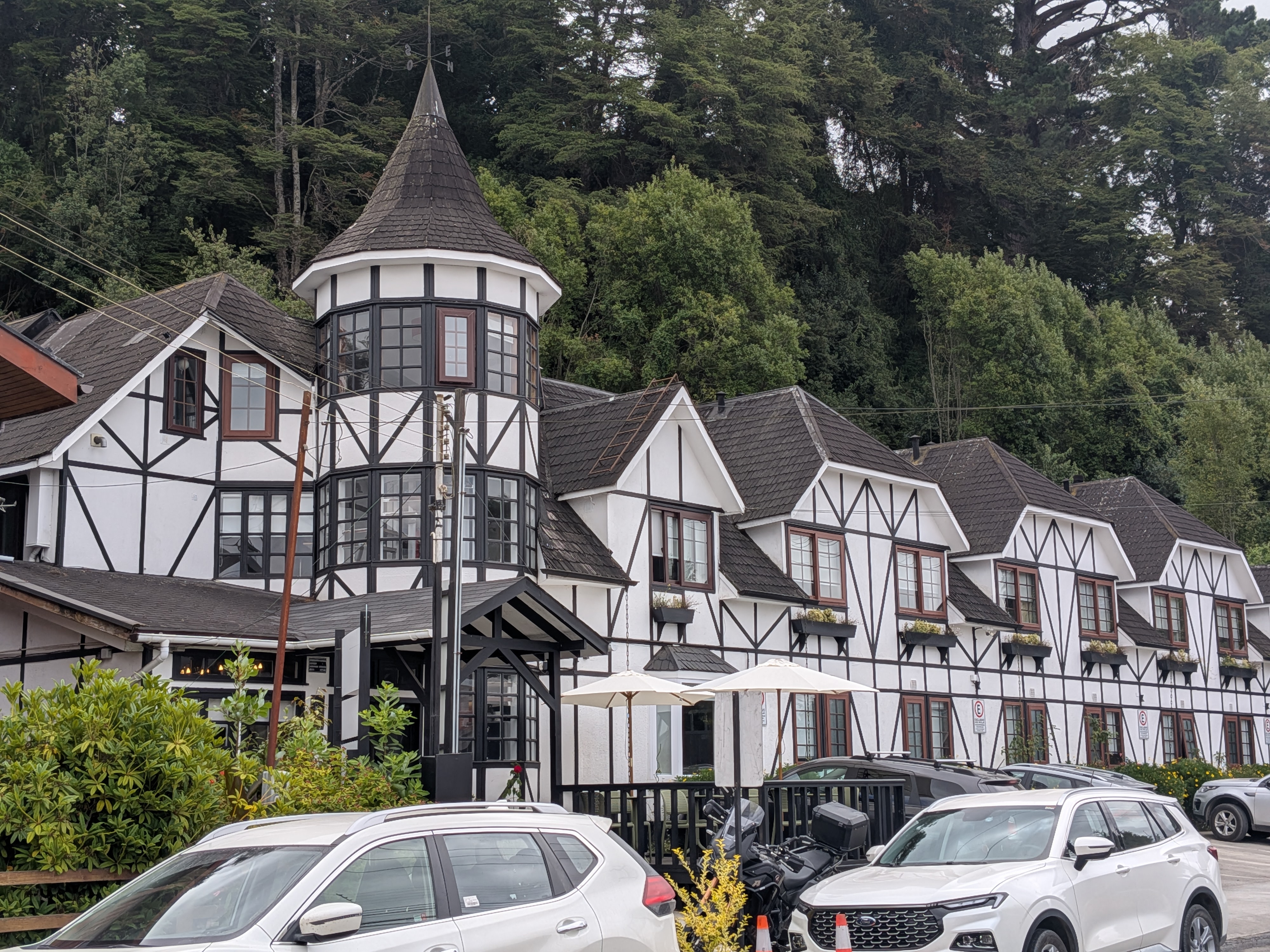
I was also surprised by the amount of German I found there. I am not talking about German visitors because that happens everywhere in the world. I am talking about the German influence that can be found in this part of the world. There were German towns filled with German architecture serving German food. I was not aware that the German people were also some of the ones who immigrated to this part of the world, and I knew that after World War II that some Germans came out here. But I never thought that I would see their influence in the towns, and people.
After a while, I started to look closely at all of my surroundings, looking for those surprises. They started to pop up all over the place, one part familiar, and yet at the same time exotic enough to remind me that I was in a different place, experiencing a season during the time of the year I was not expecting it. The whole trip became another moment of wonder and made Patagonia one of those places that I will carry with me wherever I go.
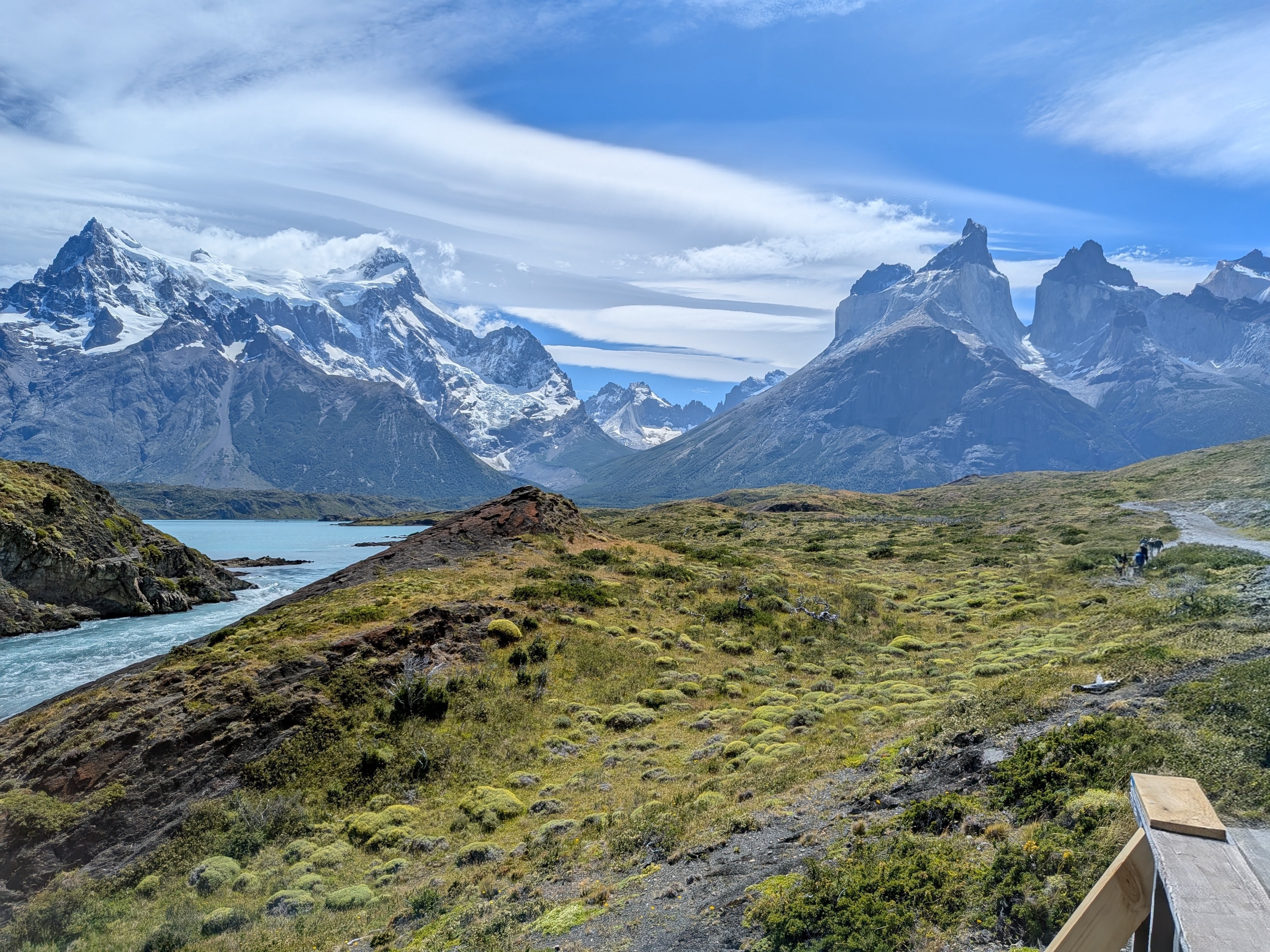
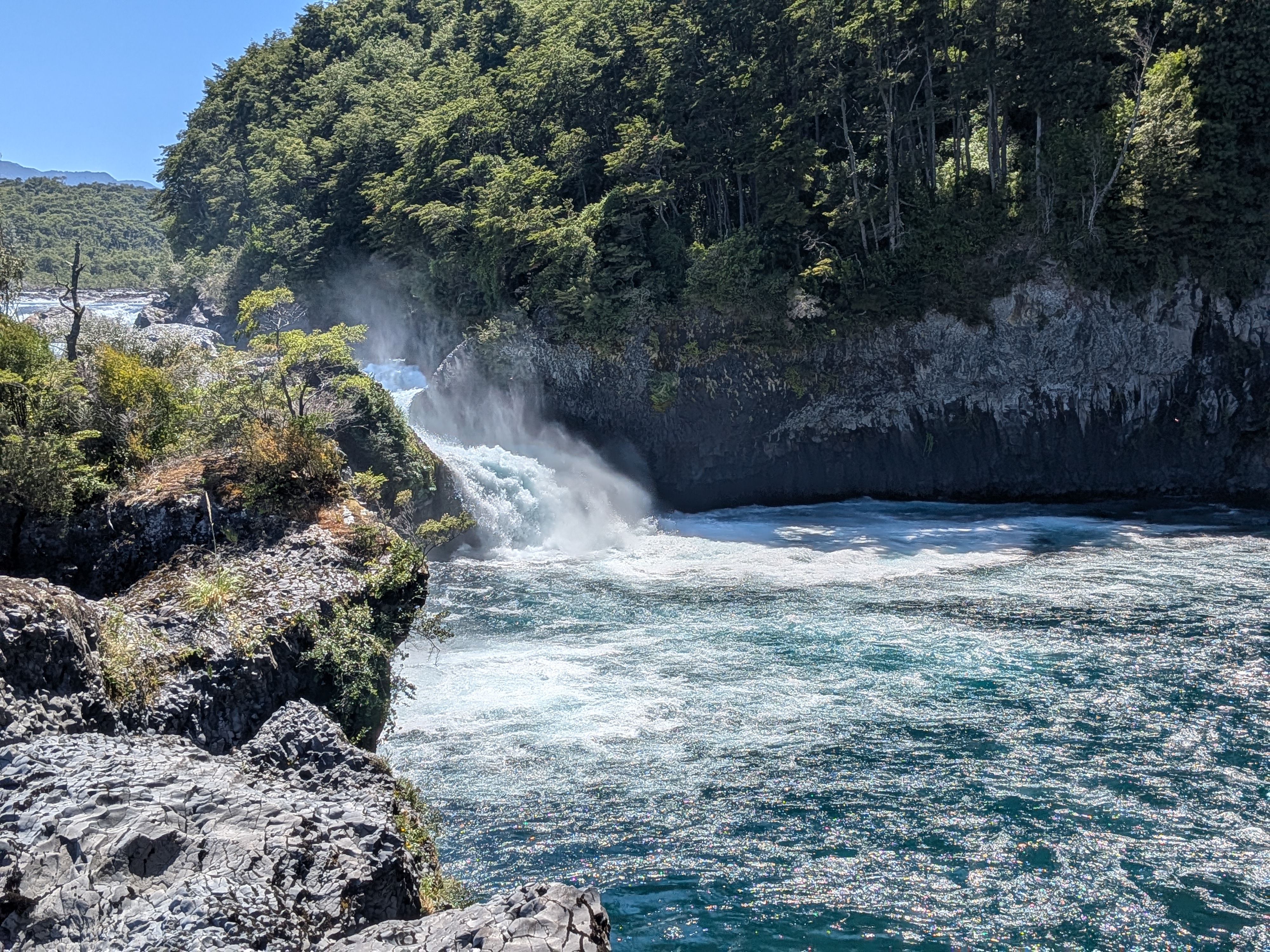
Of course, the real attraction to this part of the world is the natural beauty. It seems as if Patagonia is one of the untouched places left in the world. Yes, there are the towns filled with restaurants and hotels, but they are a ways from the natural attractions that can be found out there. Tours do come through to drop off a bunch of tourists. Still, if you plan your time right, you can find yourself in some spectacular locations where it feels like you are the only ones there.
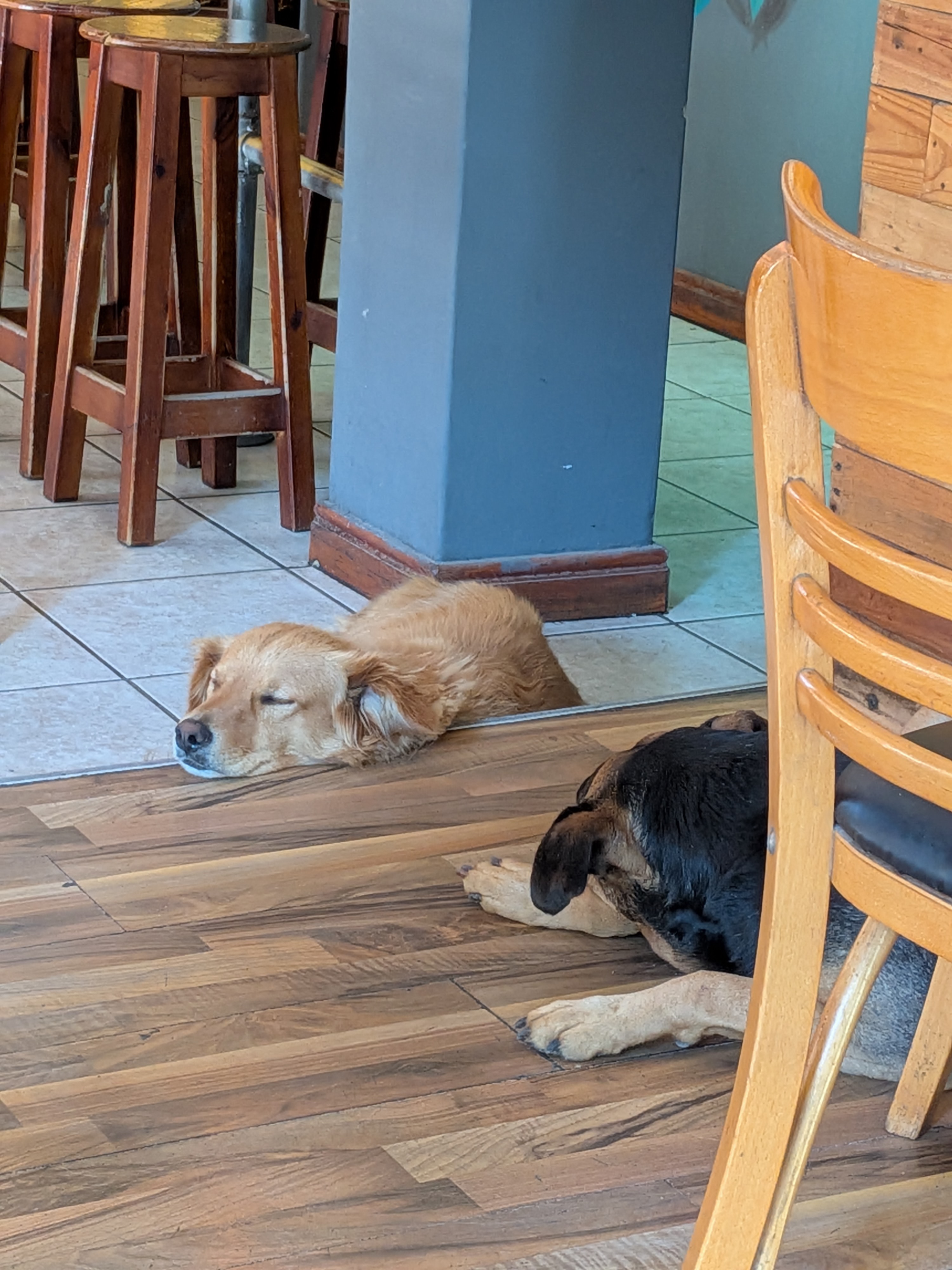
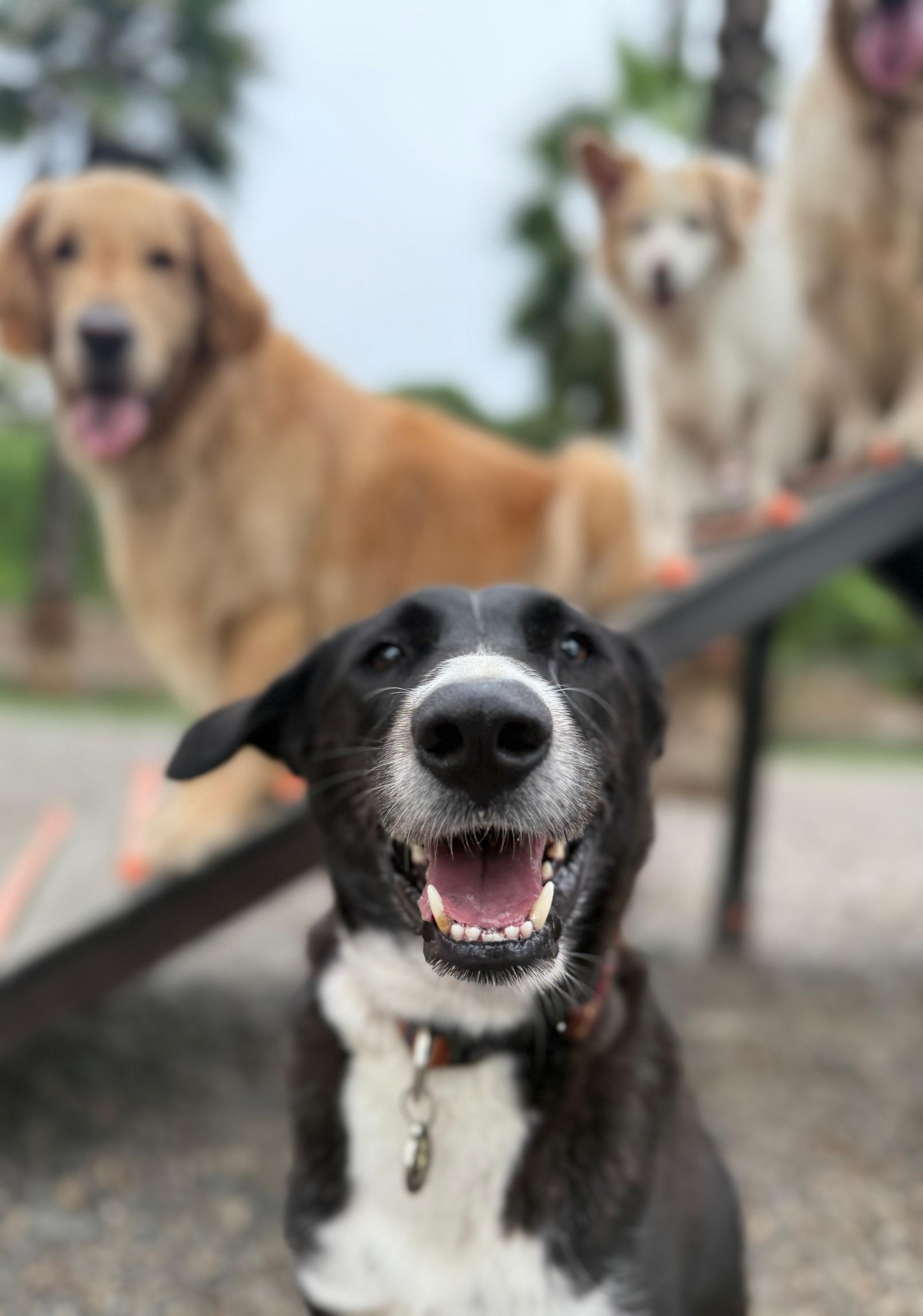
It did not take me long to adjust to the change of seasons and accept what I was seeing as part of my Summer Break. I got into the groove of the towns and forgot that my family living on the other half of the world was enduring a cold, and bitter winter. I do not think that I will have a problem making this adjustment as I continue to live in the southern hemisphere. Jus like the dogs that we ran into in all of the places we visited, I start to become comfortable with my surroundings and enjoyed them for what they had to offer when they were willing to offer it.
Until next time, enjoy those seasons whenever they are given to you.
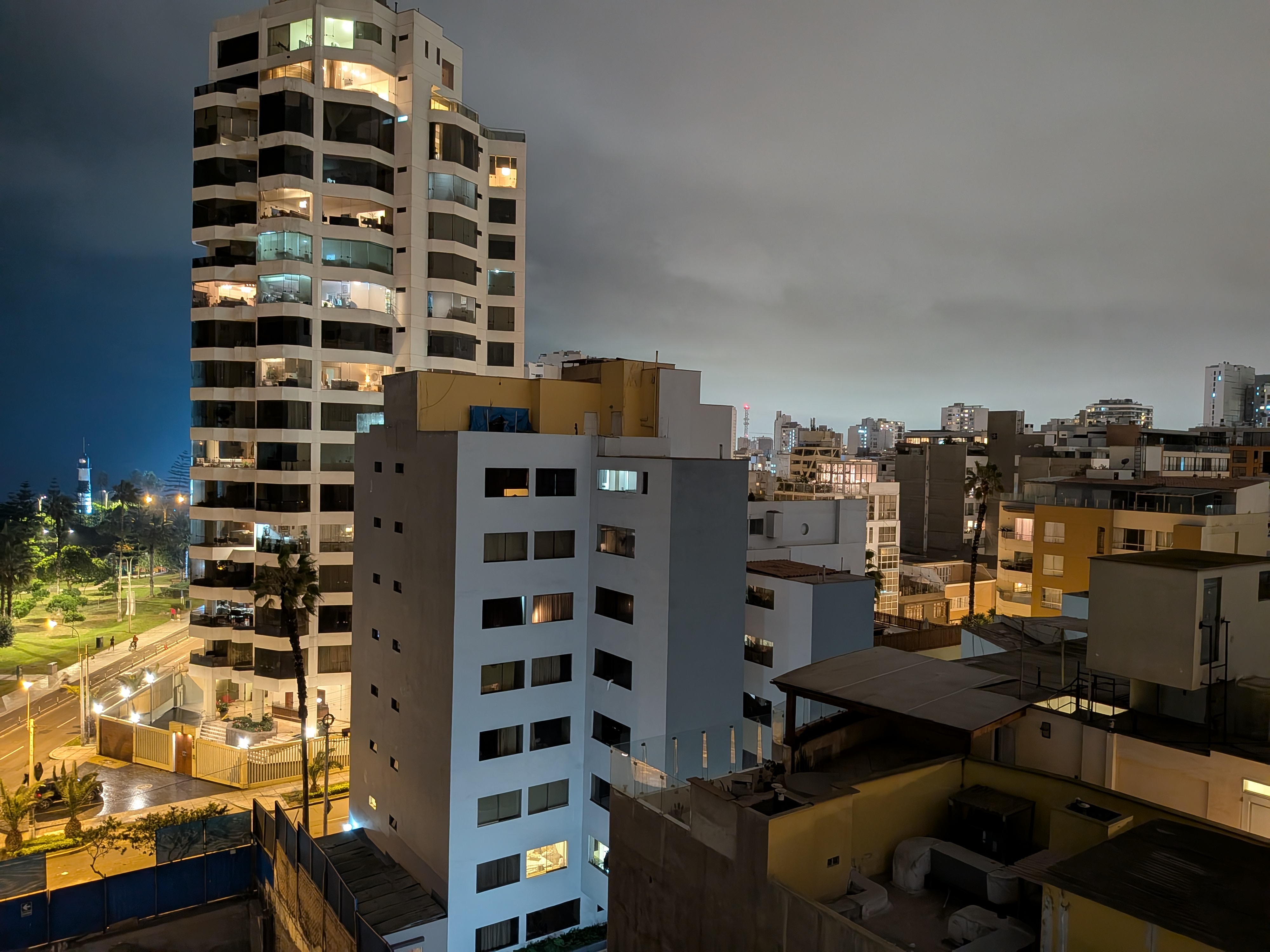
On a cold, damp winter night six months ago, I landed in my new life in South America, and was driven, tired and worn out to my new apartment that overlooked the Malaecon, a stretch of parks that lines the coast of Lima, Peru. As an international teacher, I get the excitement of moving to new locations around the world and settling into those new places to learn about the cultures of wherever I land. It has been a great way of learning about the world and I get the opportunity to travel and see many of the places centered around these locations.
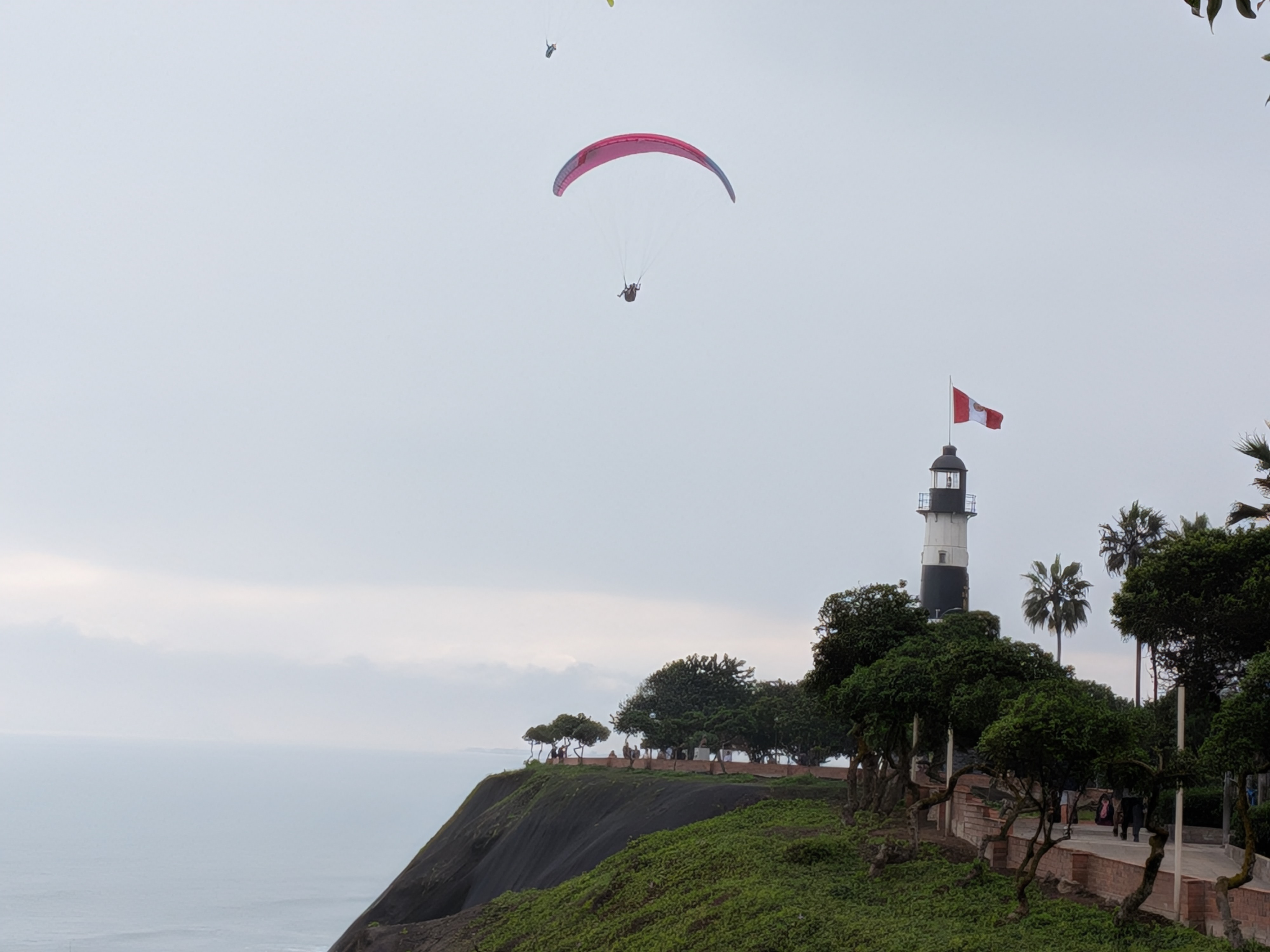
While I write often about those travel experiences, rarely do I talk about the places where I actually live. I think a lot of that has to do with the fact that when I am at home, and going through my routine, I no longer think about those places as exciting and I do not spend the time to share it with other people. The other thing is that I have never lived in the heart of a place that allowed me to experience it just as the tourists would if they came out to visit. Most of the places where I have landed have been deep in the cities, or skirting the suburbs, and not at the hot spots of the country. My experience so far in Lima has been different. I am in one of the bigger tourist areas of the city, and it is nice to be able to get up every morning and experience the parks, and food that comes with my neighborhood.
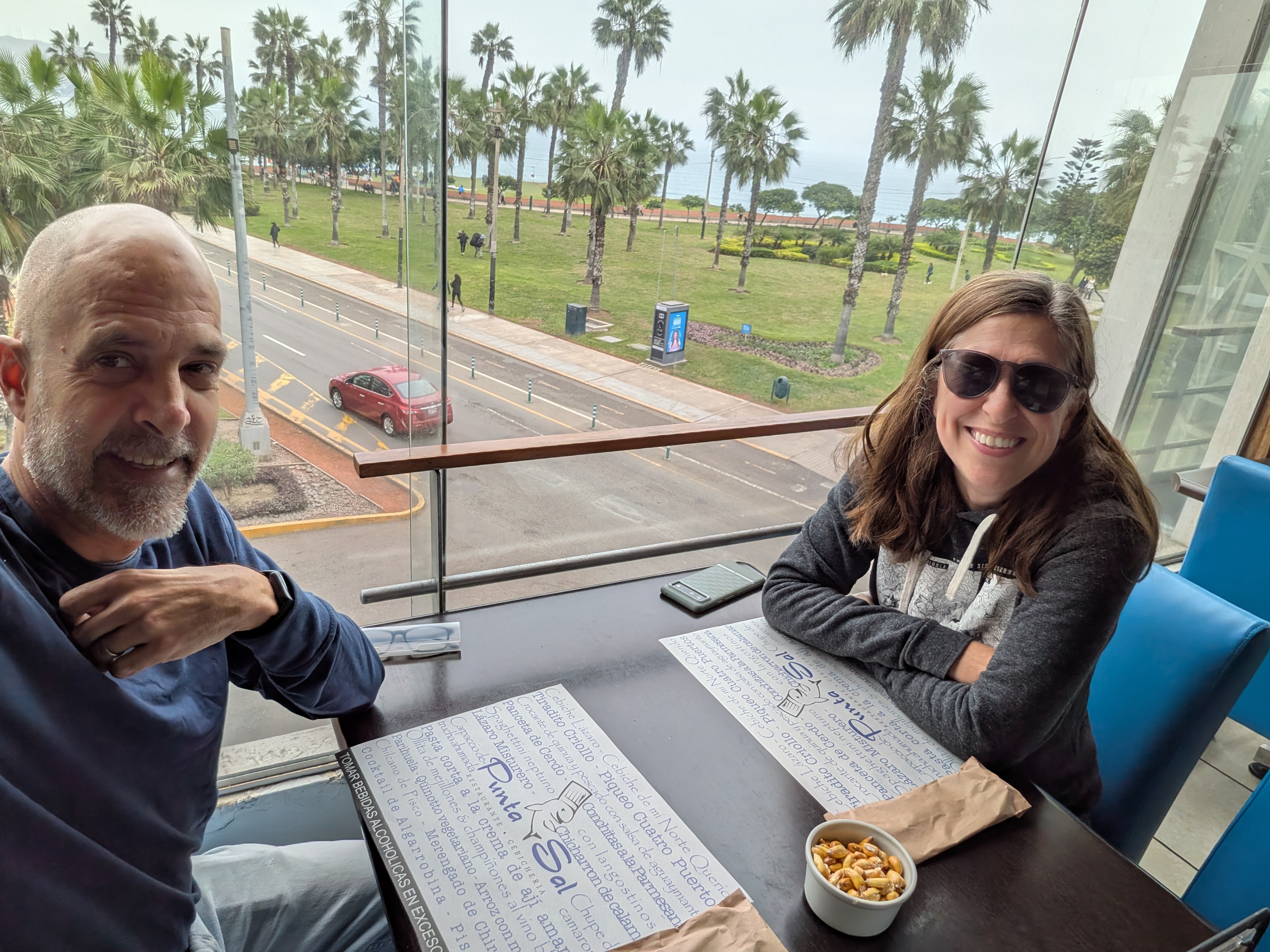
The combination of the two has made for a great experience. There are so many great restaurants in my neighborhood and I get to enjoy the Peruvian dishes that have made this cuisine famous around the world. Whether it is eating fresh ceviche, or finding my favorite version of lomo saltado, I am never without a new experience that I can try. Very rarely have I gone to the same restaurant twice, and it is a joy to go out and experience the dining lifestyle that is affordable. It also doesn’t hurt that the views that we get from a lot of these restaurants look out over the beautiful spots that attract people to Lima in the first place.
My dog, Zoey, has also enjoyed the change of pace. The Malecon has been a great place to walk even though we are still working on making her understand that she is not the only dog allowed on the Malecon, and she can make friends with the dogs instead of demanding that they get off her lawn. Despite this occasional energy, she has found many other four legged friends and is eager to go out and explore the areas around our neighborhood. There has also been numerous dog parks around where she could get her run on, and our place has a huge rooftop patio that allows her to lay out in the sun.
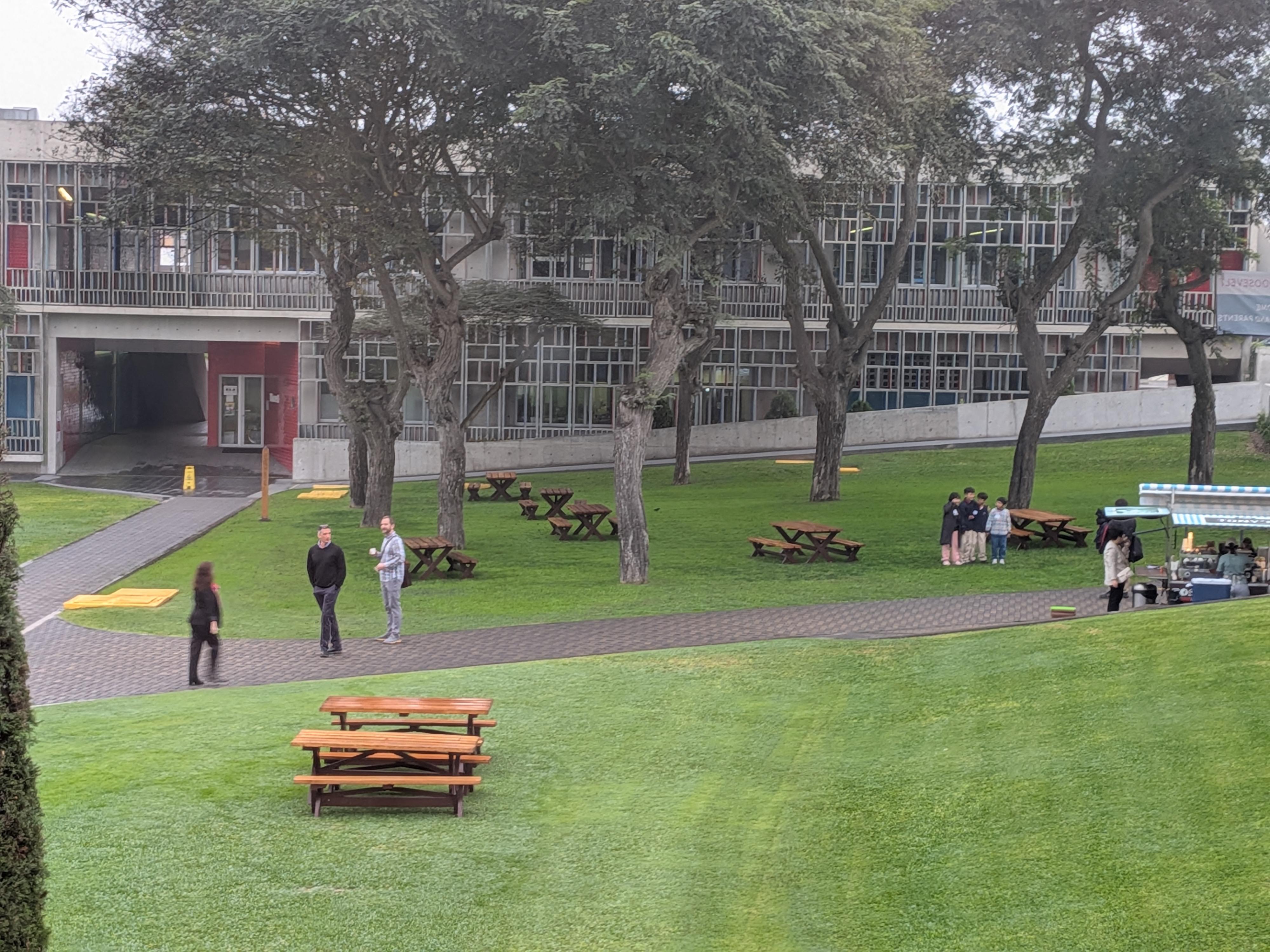
I am also lucky to have landed at a great school. Colegio de Franklin Delanor Roosevelt has been an institution in Lima for almost eighty years, and it has established itself as one of the premiere schools in South America. I am working in an amazing program in the school that combines design, English, and media studies to bring students a new experience about interpreting and understanding the world in which the reside. It has renewed my excitement for being a teacher, and I enjoy most of the days that I have to go into work.
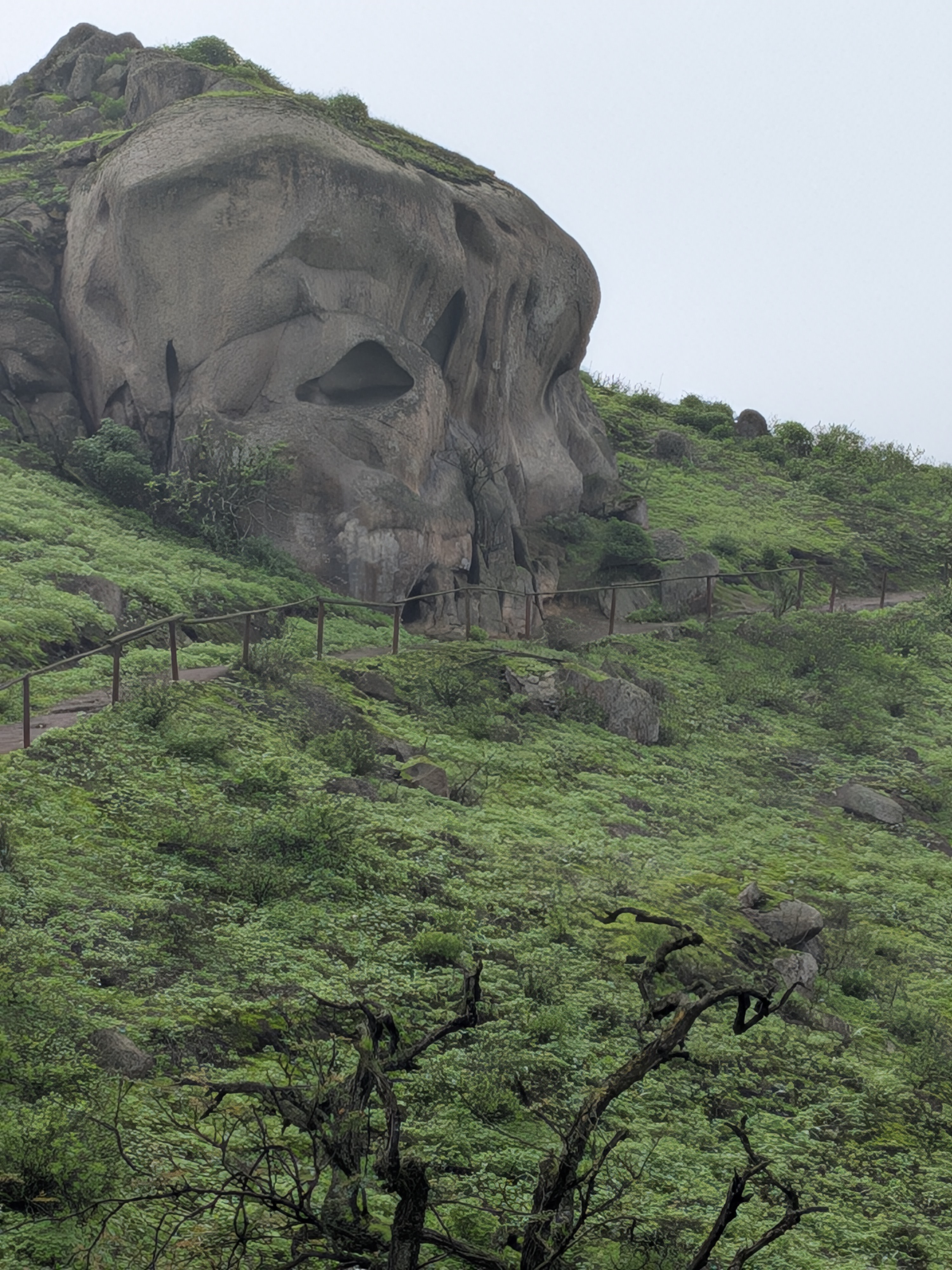
I have also been able to sneak out of Lima from time to time to see the amazing landscape that can be found in Peru. The country is one of the most diverse I have ever experienced. There is desert, high mountains, rain forests, and places that create their own way of life by finding a way to turn what is brown and desolate into green and thriving. After six months, I have only begun to scratch the surface of what this country has to offer, and I cannot wait to explore more of the hidden corners that I know are out there.
My favorite part of traveling around the world is falling into those unexpected experiences that treat me to a new way of looking at something that we take as commonplace. It is not uncommon for me to stand in a checkout line at the grocery store when I get a quick hankering for chocolate, so I scan the offering right in front of me, and quickly grab one of my favorites to throw on the pile. I don’t think about the process it took to get to this place in the grocery store; I just think about how I can get into my stomach. But I recently got to experience the process that it took to make chocolate in the first place, and not from the perspective of a huge corporation making the treat, but from the way it was prepared for centuries beforehand.
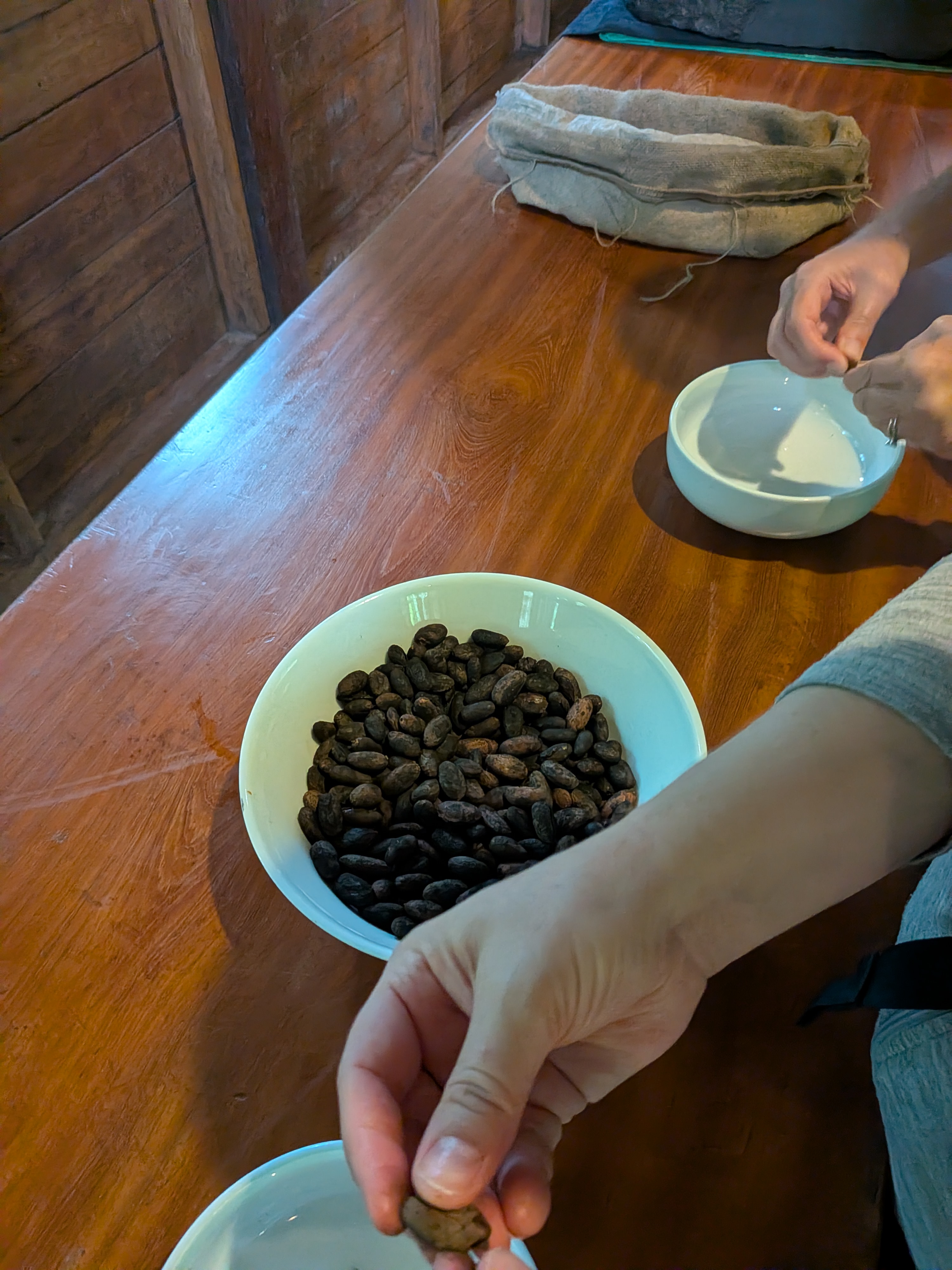
In a hut in the middle of the Amazon rain forest, I stood before a bowl of cocoa beans that had been roasted in the sun. These beans come from a podlike fruit that can be found on trees in this part of the world. The pod is a distinct yellow when it is ready to harvest, and when the pod is opened up, the beans are white in a milky substance. It is the roasting process that turns them into the darker color that we know chocolate to eventually be.
The first process is taking off the husk from each of the beans. It is easier than I thought it would be, and there was only a couple of times when the bean turned into a powdery substance that would be used in making cocoa. It also left the tips of my fingers with a fine powdery substance that when licked made me feel like I was eating the cereal Cocoa Puffs.
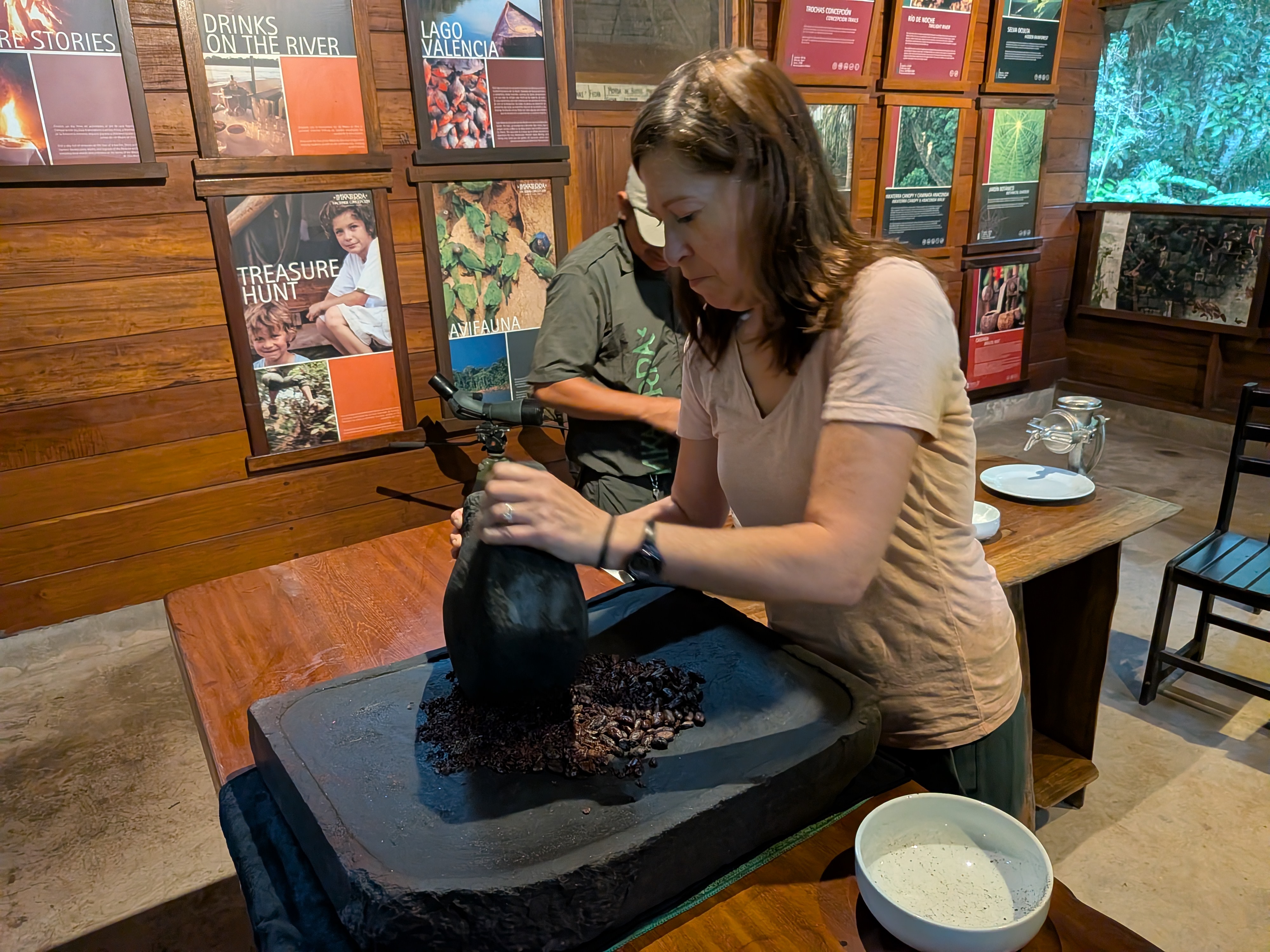
When all of the beans’ shells had been removed, we moved what was left over to a large flat stone, and used a larger rounded stone to grind the beans into a nice powder. It was a good start for what needed to happen, but the stone did not get the cocoa into a fine enough powder, so this is when we moved over to the next step.
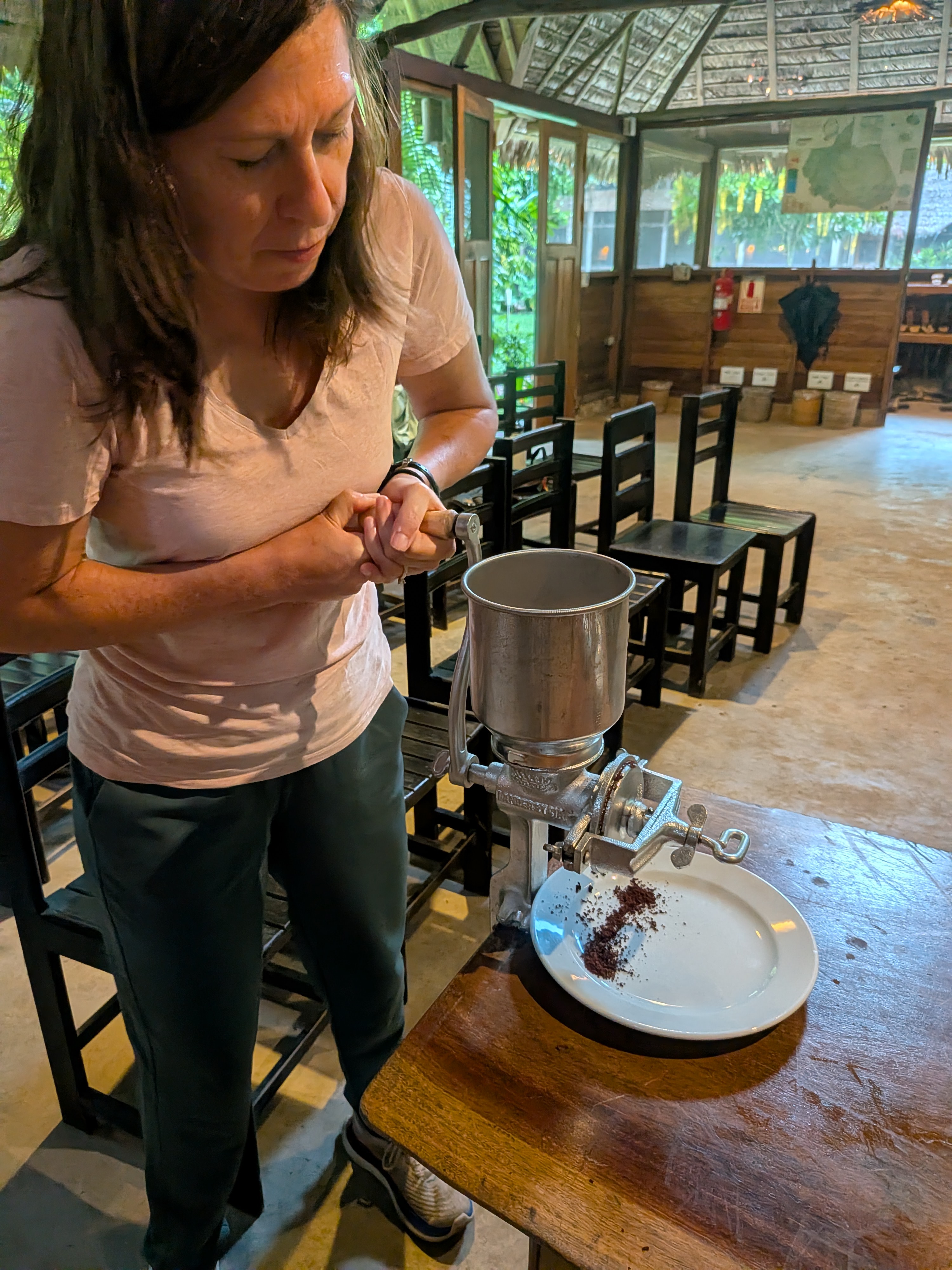
We moved all the powder to a more powerful grinder. This one was harder to use as some the bigger chunks left over from the stone would get stuck in the grinder. Still, with a little bit of leverage, we were able to run all the powder through and turn it into a very fine substance. Still was not ready for consumption.
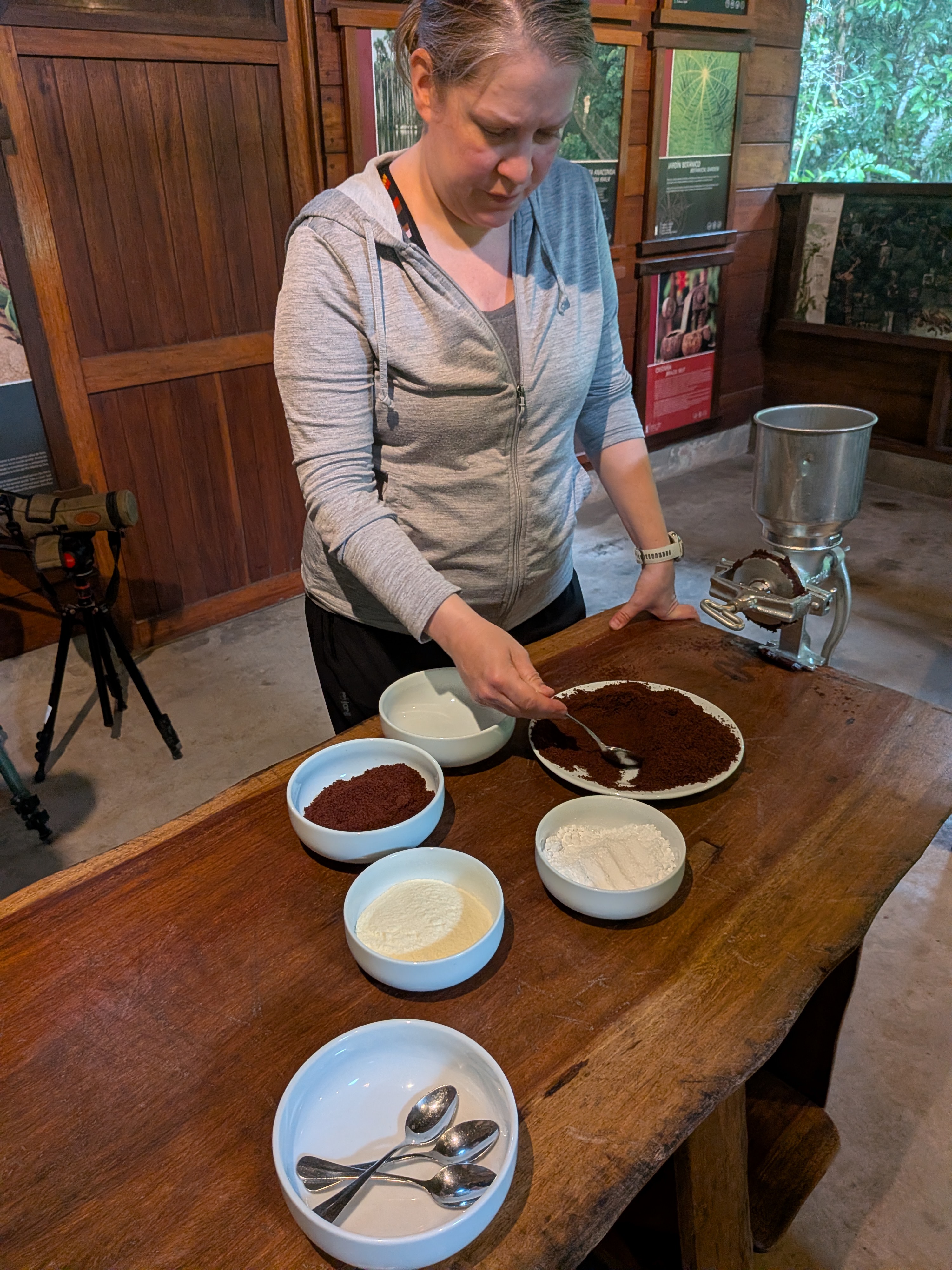
This is when you start adding the sugar and condensed milk to prepare it to the way you like it. I always wondered how certain chocolates had a spiciness or unique flavor and I am sure that this is the same time that other ingredients were added to achieve that desired effect. With the extra ingredients added, it went back to the fine grinder to get it back to that consistency needed for the final step.
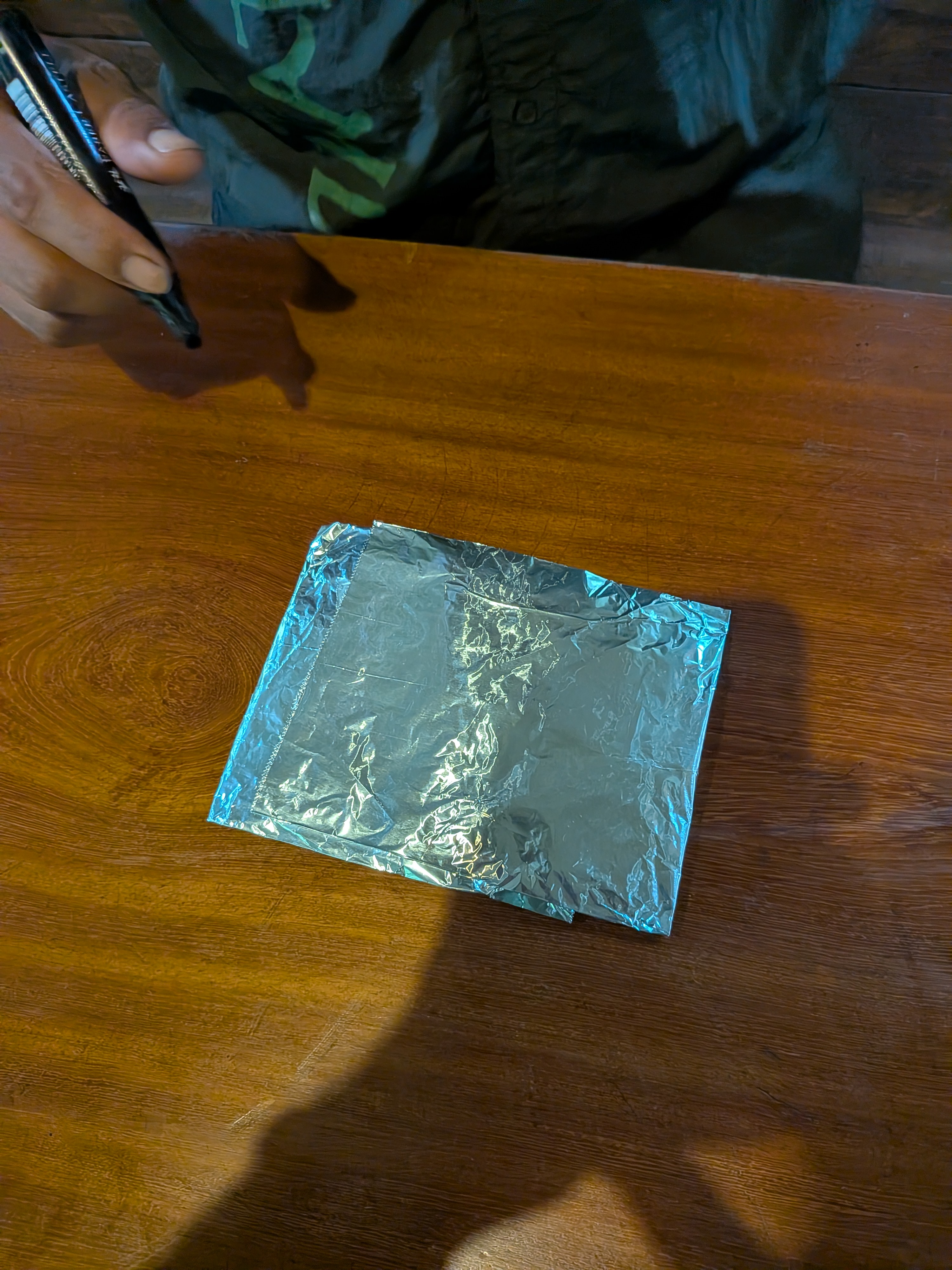
This is when the aluminum foil was brought out, and the ground cocoa was spread out into it, and then nicely folded over to be brought to the refrigerator. After about fifteen minutes in the chilled environment, it becomes the type of chocolate that you might in a grocery store, granted not the convenient one that you could find in a checkout aisle, but the more refined kind that can be found in the baking aisle of the store. The whole process helped me appreciate this worldwide delight even more, and I will never look at chocolate the same way again.
Until next time, look for those experiences that will help you see in the world in a new way.
I had a long weekend, so I took a four-hour drive down the coast from Lima through the small town of Ica, and arrived at the grounds of Intipalka Winery where they have places to stay among their vineyards. They provide you with everything you need to enjoy yourself during your stay, but one of the things that they schedule you for is a tour of the winery where they produce not only fine reds, and whites, but also the drink of Peru, pisco. It is not required for you to go on this tour, but considering that it comes with a wine-tasting, a sunset viewing, and a stroll through the vines, it is worth considering.
Like most things in Peru, the tour was delivered in Spanish, and since I am still in the process of picking up the language, there were a lot of the details that went over my head during the tour. I did get that the pisco is the main drink that they produce on the grounds, and there are three different types of pisco. I also learned that pisco is a strong drink sitting at about 42 percent alcohol, though the sweet taste does not make it seem like you are drinking something that strong.
I also learned that the grounds of the vineyards extended much further than it looks like from inside the compound. All of the vines are regularly maintained and the water is supplied from the runoff from the Andes Mountains that loom over the grounds. The grapes do produce nice red and white wines which you can buy at cost in the restaurants, but I would stay away from the rose that they make. It was really sweet, even more so than the pisco, but the other wines are great, and would rival anything that you could find over the border in Chili. And of course, if you do not wish to have a bottle of wine to share, there are always pisco sours or chilcanos.
They do load up cars at the end of the tour and take everybody up to a lookout that looks over the expanse of land they use to create their wine, piscos, and brute champagne. It is here that they allow you to try the sparkling wine while watching the sun set over the fields. The day I went was a little hazy, but I know that this is not always the case. We had much better sunsets the first night we stayed here, and I am looking forward to seeing what the other nights have to offer. Still, it was a pretty location, and the wine added nicely to the atmosphere.
Out of the many things that the place has to offer, it is the one must do thing that you should do. It really highlights the beauty of the region and gives you the insight of what it means to run a winery. Even if your Spanish is not great, you can still get a lot out of the experience.
When you live in a valley in the mountains of the Andes, there are going to be times when you come across some volcanic activity. When you come across volcanic activity, there are going to be springs that are naturally warmed by the volcanic activity. When you have these hot springs, hotels are going to pop up that will take advantage of this fact to make hot water pools that allow you to soak in them while enjoying the natural surroundings of the environment. This was the place that I ended up at during my recent travels through Peru, and it was not only an immaculate setting, but a great experience as well.
The Colca Lodge sits a twenty-minute drive outside the small town of Yanque in the Colca Canyon region, and its main attraction are the natural hot springs that are found there. But there is so much more to this lodge than just the nice warm pools that are in the area where you can relax after a long day of exploring the high Andes mountains. There is a spa, a nice big pit for late-night campfires, and of course, what every high Andes complex needs, an alpaca farm.
Don’t worry, they have llamas too. Basically, you are given free reign to walk around the grounds and check out these animals as they run, play, and graze. It is also connected to a small museum that talks about the history of these animals in the region as well as the other major draw out to Colca Canyon, the condor. It is a nice way to spend an hour or two, and the animals are completely friendly, even though I never got close enough to one to pet it.
There is really only one place to eat at the Colca Lodge, but they do have enough variety that you will never get bored with the food. The kitchen staff is also well-versed in bringing together many dishes, mainly from Peru, but you can also find some great dishes from Italy, Mexico, and bar fare. They also have a full bar with a great selection of wine, and beer from the region.
Each room has an outdoor entrance that has a small patio that is perfect for sitting out on most of the time. There was a moment when things got a little too hot in the morning, but then the shade took over and it was nice to sit out there and enjoy the scenery. It was the perfect place to sit back to read a book or play a card game, and made the lodge a very comfortable place to stay at.
There are many exciting things to do and see in the area as well. There are some hikes close by that can take you to waterfalls, up ancient terraces where people still farm today, and even the Oyu Oyu ruins. If that is not your cup of tea, a longer drive will take you out to Colca Canyon, the second deepest canyon in the world and the sight where many condors can be spotted hunting for carrion. It makes this spot the perfect location for a break from the day to day monotony. I enjoyed a three night stay there and am already thinking about when I could go back and enjoy it again.
Until next time, try to find those special places in your part of the world that allow for relaxation and little bit of culture at the same time.
It has been a strange year. I have not done as much traveling as I have in the past, and when I had time off from my work, I would spend that time coming home to be their with my family during some rough times. I have had the opportunity to take short weekend trips but it has almost been a year since I have gone on a vacation that lasted for a week, but life has a way of shifting perspective, and I have been given the opportunity to go explore a different part of the world, Latin America, as I have made the move to Lima, Peru. As my first trip in this part of the world, I took a quick flight into the Andes to the second biggest city of Peru, Arequipa.
Arequipa is a colonial city that has been around since the sixteenth century. The old part of the city has some of the oldest buildings in the Americas, and it has the feeling of walking around the heart of a Spanish city. There are many impressive sights to go and see, but for my first day in the city, I decided it would be best to just wander around the older part of the city and see what it had to offer. It was fun looking at the facade of these buildings, and peeking my head into the various places where I could eventually learn more about what this city had to offer.
Of course, Arequipa being in Peru, one of the things that it boasts is the food that this country is known for. There are so many fusion restaurants to choose from and it is hard to pick just one. I found a udon place called Yama Wok for lunch that was the perfect start to what will be a bounty of great eating. It was a tiny place with only five seats available but the noodles were made fresh and they cooked the meal right in front of you. It wasn’t only a fun experience, but it was also delicious.
It gave me the energy I needed to explore more of the old city. No matter where I went, I kept roaming back to the center of the city where a beautiful plaza is. The garden in the center of this square is an inviting place where you can find a shady spot underneath a tree to enjoy some cheese ice-cream, play a card game, or just relax with a good book. It is where most of the people come to meet up with each other, and I have also witnessed moments where it explodes with life as parades walk through or people who have gotten married or received the first communion get the perfect picture to capture the moment.
And of course there are many a roof top bar where you can look out over the city and watch the sunset. They serve the great drinks that you come to expect from Peru such as good wine, or pisco sours, but they also have a surprising beer culture that they can boast about. We went to our favorite brew-pub, Sierra Andina which has great IPAs, stouts, and a really good porter.
Even though the day was not filled by learning about the culture from this part of the world, it was still a fun day of traveling again. It was the perfect way to ease into a great traveling experience, and I cannot wait to see what the rest of this week has to offer for me.
Until next time, enjoy getting out there and experiencing the world.
The holidays are always a great time to get back to the people that you love. There are millions of people that believe the same, and if you do not believe me, just visit an airport an see how packed they become as people travel back and forth to those spots where they can make the magic of the holidays happen. At times, it can be a pain in the butt to be one of those people who are trying to make their flights, and move across the world, but in the end it is worth the time that was spent making the effort.
Despite all of the rewards that come with travels, there comes a time when you have to pack things up and return to the life that you are living. The holidays cannot last forever, and we all need to pack up the packages and decorations. If we left them up all year long, then the moments that we create during this time of the year would be meaningless. We need to have the drudgery of a regular routine to make those moments matter.
I am in the process of moving back to that life. I am not sadden by the prospect of going back to my classroom, my alarm, and my responsibilities. Yes, they can bring us down some times, but at the same time, they give us the life that we wish to live. It is when we get those breaks from the routine that we can find those treasured moments in our lives.
I have just come from a three week respite from the daily routine. It was a great couple of weeks being able to spend time with family and catch up with their lives while sharing what was going on in mine. The meals, the laughter and the hugs will stay with me during the cold and dark beginning of the year, and it will take me through the time until I can come back to see these people again. It is probably the greatest gift that can be given over the holiday season.
I want to thank all of the people in the United States that I was able to spend time with over this break. You have made the beginning of my year great, probably without even knowing that you have done that. I hope that the start of 2025 has been just as memorable for you as well. It may be discouraging that it is time to pack up the season, but keep in mind that it is only a short time until those glittering lights and thoughts of family will return. Until then, have a great 2025, and I look forward to sharing with you the highlights I have along the way.
It was a chilly October day, and there was a constant drizzle coming from the sky all day long. Every once in a while, the rain would pick up for a bit, but it was never for very long. As long as I planned the day well, I could stay relatively dry as I ventured out for my first full day of Fall Break. There was no way that I was going to let a little water falling from the sky from keeping me from enjoying the day. The city of Brasov was waiting and I wanted to get out there to enjoy what it had to offer.
It was early in the season for fall colors, but they were just starting to peek through, and there were plenty of parks where the leaves were falling from the trees and covering the ground. Walking around the old part of town was a pleasure because we would run into one of these parks and would have to walk under the canopy to get the full flavor of what the season had to offer.
The main streets had a lot to offer as well, and the rain kept the crowds at bay, especially on a Saturday when even the locals would come out and enjoy this part of town. Despite the cold and wetness, there were still plenty of people having a beer and some food underneath the umbrellas in the middle of the street, so it still had that European feel. The walking market area also had a lot to offer but my favorites had to be the book stores and the restaurants. I went into a couple of the book stores, and they had a lot of options available including many English options. There was a beautiful one on the main drag that even sold records and board games. If I lived out here, it would be a place that I would visit often.
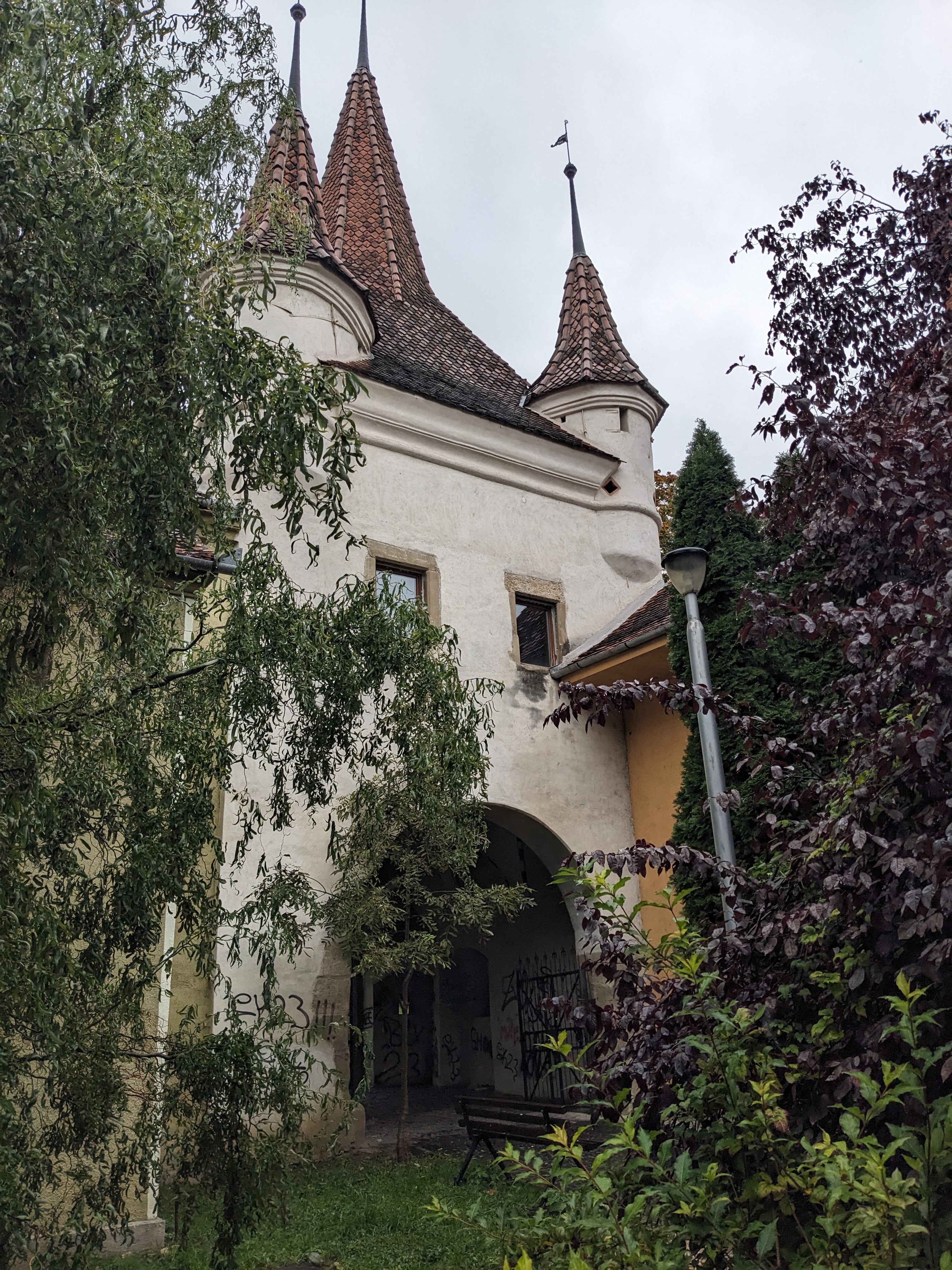
There are also a couple of great sights that are located in the old part of Brasov. They are pretty close to each other and it makes for a great day to make it around to them to see how many of them you can find. My favorites were the Catherine’s Gate and the park that surrounds it, and the Black Church that sits in the middle of the old town.
The Black Church is an impressive sight, and it looks even more gloomy when the rain streaks down its facade. It is the easiest building to spot because it looms over the rest of the town, and its gothic architecture begs for a visit. It survived a fire in 1689 which adds to its appeal, but unfortunately many of the treasure that it once held did not survive. It is cool to look at fro the outside, and if you are really into architecture, it is worth a visit inside. Otherwise, it is best to look at from the outside, and you can skip going in.
If it gets a little cold wandering around the town, there are plenty of good restaurants to pop into for traditional Romanian food. They boast some hardy cuisine of soups, and roasted meats. I went in to La Ceaun for some food, and had a bean and ham soup served in a bread bowl. It warmed me right up, and gave me a little rest from all of the rain that was coming down.
It was the perfect way to spend a drizzly October day. The was cool, and rainy, but also had the perfect feel of a fall day. I enjoyed the start of the trip, and look forward to the other adventures that await me while I travel around Transylvania.
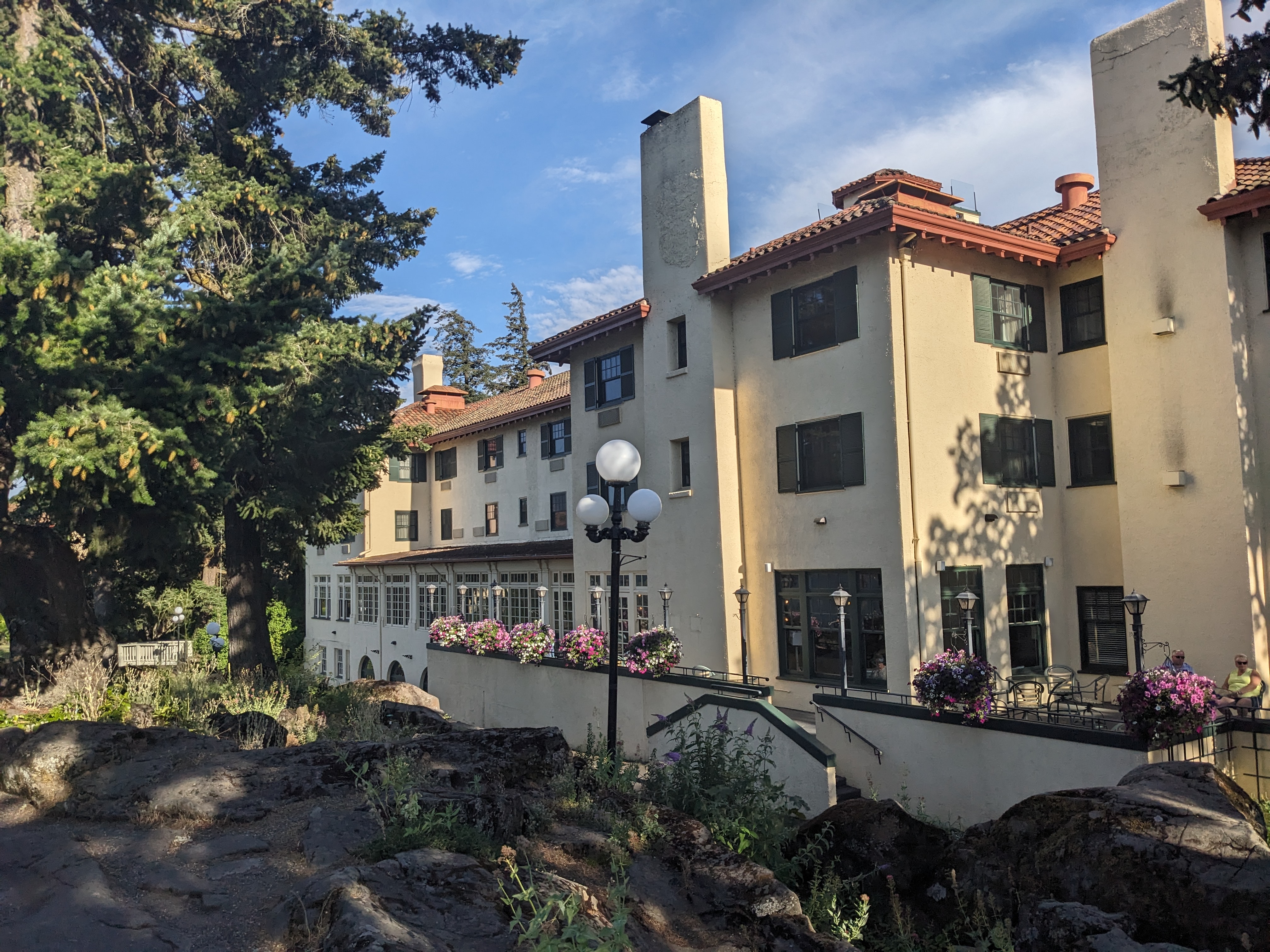
I know that I usually do not talk about hotels on my voyages. That is because I usually do not spend a lot of time in the hotel, so I generally do not stay in the fanciest of places, so I do not think that you would be interested in what I have to say about them. This was not the case when I stayed at the historic Columbia Gorge Hotel in Hood River, Oregon. The hotel might not be as luxurious as some of the more modern hotels out there, but considering it was built in 1904 and is still considered one of the more luxurious hotels in Oregon, it is worth talking about.
The most impressive aspect of the hotel is that it sits on a tree filled cliff overlooking the Columbia River with many places to settle down and enjoy the views. Hood River is known as the world’s windsurfing capitol, so while sitting out and enjoying the views, you can watch people on the river participating in this activity. It does get hot there during the summertime, but there is a constant breeze blowing down the gorge that makes sitting in the shade pleasant during most times during the day.
The grounds have their own particular charm. On the back side of the hotel there are forested grounds that feature a waterfall; whereas, the front of the hotel has more well-maintained grounds that could be used for weddings. These include things such as a dance floor, a stone structure that would be perfect for pictures, and even a bocci ball pit and a horseshoe lawn.
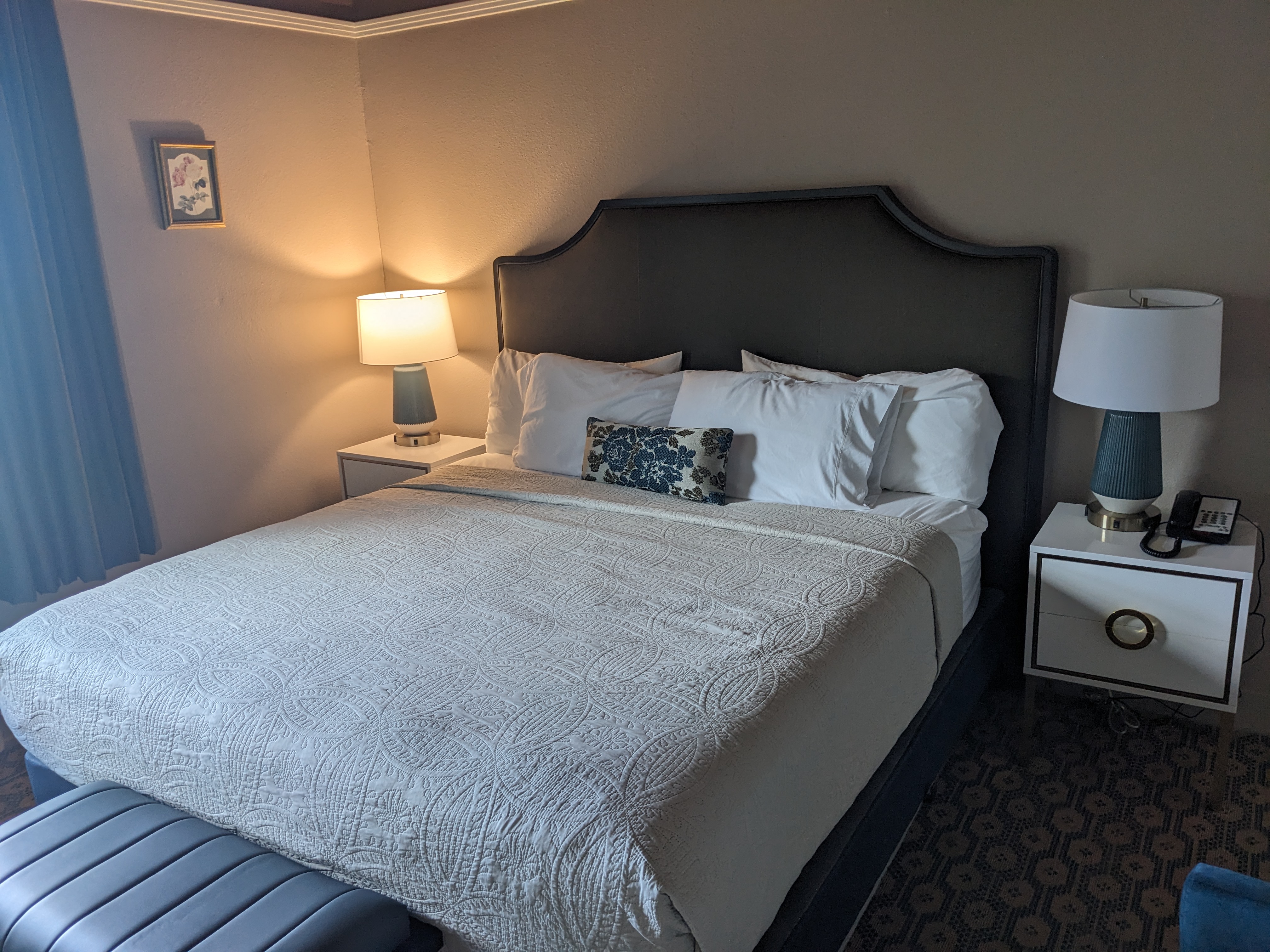
The rooms are not as modern as you might find in other hotels, but they are still very comfortable with amazing views of the Columbia Gorge. It also offers all of the modern conveniences that you expected from a hotel with a huge closet, a big bathroom, and a refrigerator. You won’t even have to leave the hotel for dinner and breakfast because the hotel has a great restaurant. Many people who do not even stay at the hotel come to the place just to eat the great food and enjoy the views at the restaurant.
It is not often that I talk about a hotel. Most of the time, for me, a hotel is just a place to drop my stuff off while I am exploring the world. Every once in a while there is a hotel that is a destination in itself, and the Columbia Gorge Hotel is such a place. I am glad that I spent a day there hanging out.
Until next time, continue to find those special places for yourself.








 John Collings