Santa Catalina Monastery – Arequipa, Peru

Sitting on a whole city block in the middle of the old part of the city of Arequipa sits the winding streets and bright walls of one of the oldest European claims in South America, the Santa Catalina Monastery. This is a must-see sight if ever visiting Arequipa, and when you do, plan to take a couple hours to explore all that it has to offer. I would also recommend that you make it one of the first things you do in the morning to avoid the heat of the day and the large crowds that eventually make their way to this place. It is nice to be one of the first people of the day to walk through the location because it will make you feel as if you have the place to yourself.

The monastery is a nunnery that is still in use today even though it no longer boasts the number of nuns that it held during colonial times, and it is a rare sight to see the nuns who live in the corner of this historic sight. At its height, there were about 500 people living on the grounds. Some of the women that lived here were given their own rooms if they came from a wealthy enough family to pay for this luxury; whereas, many of the other women found themselves to be a part of the big dormitory that sits in the middle of the monastery. Even with all of these people in this place, it would still feel rather large and it has easily enough space to accommodate all of them.

Not every woman that ended up in the monastery ended up becoming a nun. Many of them arrived when they were as young as twelve years old, and they were brought here to learn from the nuns, and prepare for a life outside of the monastery. They would live beside the nuns, and learn from them. As I was walking around the grounds, I found hints of this lifestyle in many of the corners, and the place itself reminded me of a large campus where I could imagine students, and nuns alike moving from place to place as they completed what needed to be done.

One of the most interesting spots on the grounds is the place where they did laundry. It was based upon an irrigation design that was brought over from Africa. Water would constantly flow down this little groove in a wall, and when someone wanted to divert it into the basin that they were using, they would place a rock in the path of the flow to have it go through the pipe that would lead to their basin. These basins were made out of old wine pots that were used to ferment the beverage. They could no longer be used for wine, but they made the perfect sink for washing clothes.

There are also magnificent gardens on the grounds that they could tend to so there could be some beauty added to the place. This is even more impressive due to the fact that the monastery sits in the middle of a high desert where a patch of green is hard to come by. Still, the nuns were able to create this zen paradise in the middle of this kind of environment.

If that was not the place where they wanted to spend their time, there was also the fountain which could be found in the middle of everything. I was told that it was the place where they would go to get their water, but I did not think that the green water that was found in the fountain while I was there would be worth drinking. Despite that, if you look closely enough into the water, you can find small koi fish swimming around in it. They are not as large as some of the koi ponds I have come across in my travels in Asia, but it was a nice addition to this little spot on the grounds.

Santa Catalina Monastery is a great place to visit, nestled in the heart of the old part of the city. It is easy to spend a morning there after breakfast, and you will have explored it thoroughly enough just in time for a great lunch in the neighborhood. It is worth walking through with a tour guide and they are only ten soles, or two and a-half dollars per person for an hour guided tour. They do have both English, and Spanish guided tours, and I think that I even heard French while I was being guided around. They have the ability to point out the nuances that would be missed if you went by yourself.

Otherwise, until next time, keep getting out there and see what the world has to offer.

The Last 100 Days

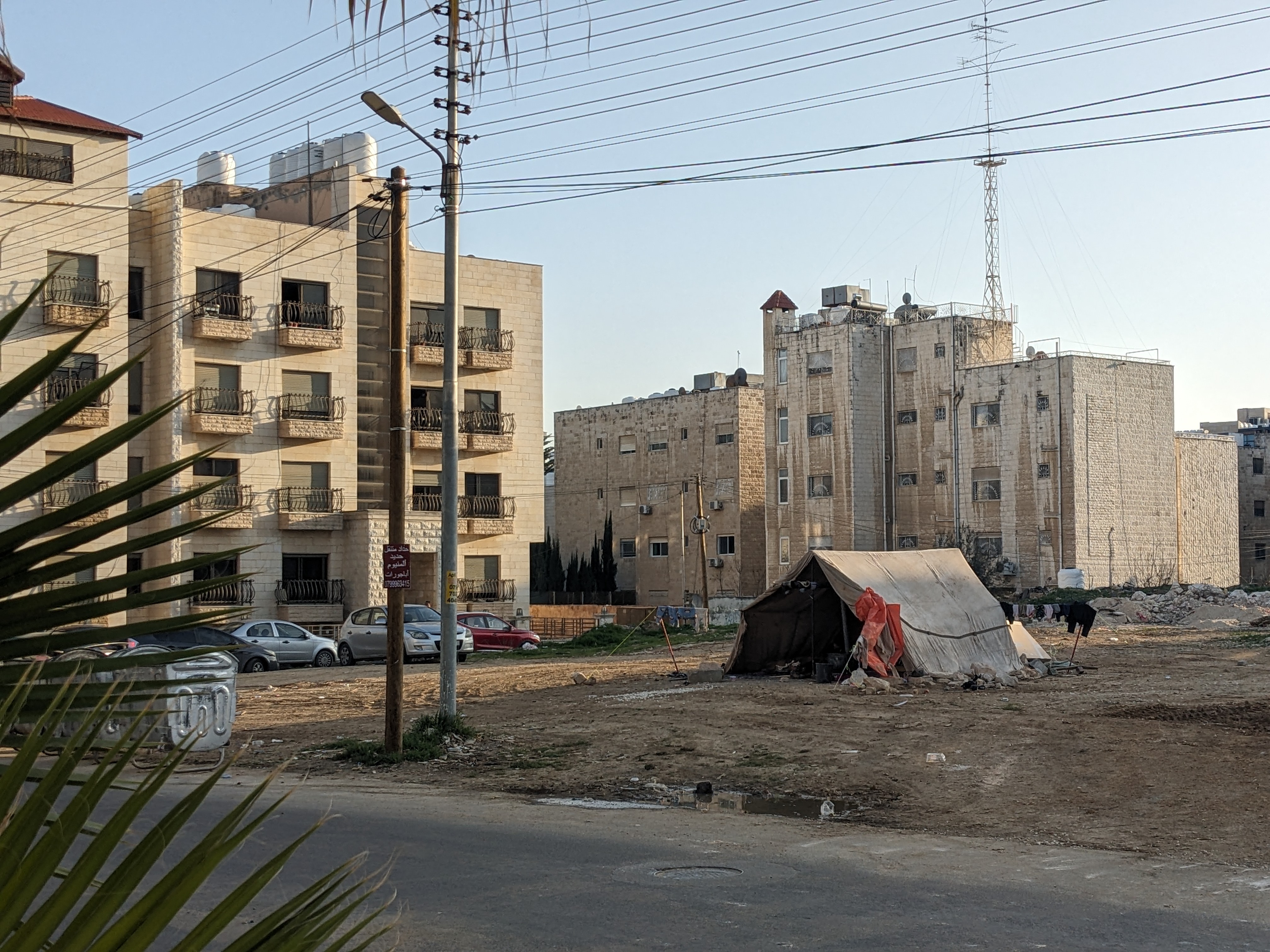
It started off with a simple picture. I took it while walking to my classroom one morning. It was of the little garden I pass by every morning on the side of the school, something that I would usually take for granted, but today I actually paid attention to it. The reason being that I only had 100 days left in Jordan, and I had never taken a picture of it before. I do remember the first time I saw this walkway and the way that I thought that it was a nice addition to any school, and it added to the aesthetics. After a awhile, I took it for granted and then eventually did not even pay attention it anymore. But on that day, I decided I wanted to take a picture so I could remember it.

This made me start to realize that there were many little corners of Jordan that I have enjoyed, but I don’t have pictures of. Considering that I took the first picture on a day where there was only 100 days left, it was the perfect time to start taking a single picture every day and to share it on Facebook, so I could collect those small little corners that have become a part of collective memory. Facebook would remind me of them years later, and I could reminisce of my time spent in this country.

At least that was the idea, but something strange happened along the way. People started talking to me about the project. I’ll be honest. This was more for me than it was for people to pay attention, but they started to get excited about the picture I would bring them everyday. It was something simple to share with the world, something that did not have political implications behind it, something that wasn’t about showing off to a crowd of people about how great of a life I can pretend to have. Instead, it was just a simple picture that was shared with people, a snapshot of what life was actually about, sometimes simple, and sometimes something that was more exciting, in other words, the way that life is lived.

At first I couldn’t figure out why these pictures connected so much with people, but then they told me what was that they liked about them. The pictures returned them back to a time when things were simpler, and social media was not a way push our political views, or pretend we were part of a television show that we thought everybody should watch. It was just a way to share our lives with the people we find important. It took away the vitriol and FOMO and made it about the simplicity of life.

I am not going to say that these things have not disappeared from social media, but it has been nice to add something that is different to the sights. It makes me wonder that if more people would return to these kinds of posts that we can retrain the algorithm to go back to that time where social media is something that you are excited to look at and not something that brings us grief. I know it started off as just a project to take pictures for one hundred days, but now that I am half way through the experiment, I am glad to discover that it was actually something a little more.

The Freedom Flight

The world needs to beware. Teachers everywhere are putting away their red pens and lesson plans, and are making their way to the far reaches of the globe. It is summer time, and there will be a need for these people to unwind. For all teachers, the release at the end of the year is a time where they can let out that breath they have been holding on to. The kids have been on edge because they know the end is near, and the older they get, the more stressful it becomes for them. But after that final bell rings, and everybody floods out of the building for the summer months, there is a collective sigh. It is over, and we can recharge our batteries, and find a way back to that sanity we all crave.

For international school teachers, there is another layer to this. Most of them live thousands of miles from their family and friends. They do build many relationships with the people that they work with, but it is those other relationships that they wish to return to. Their new found home, wherever that may be, becomes a burden at the end of the school year, and they wish to escape to different environments.

This is where the freedom flight comes in.

Many international teachers wait a couple of days before they board that flight to their adventure for the summer. It gives them a couple of days to unwind. But there is another group of teachers who will throw a bunch of clothes in a bag, and rush to the airport a couple of hours after they have clocked out for the last time. Even before the clock strikes midnight, they are on a flight to a different part of the world. This is known as the freedom flight. It is an escape from the daily grind to try to grab as much of summer as they can. It can induce a different kind of stress than what is presented during the school year. They feel like they are leaving something important behind, and they are not quite sure if they will make it to that plane in the first place. But the rewards are worth the effort.

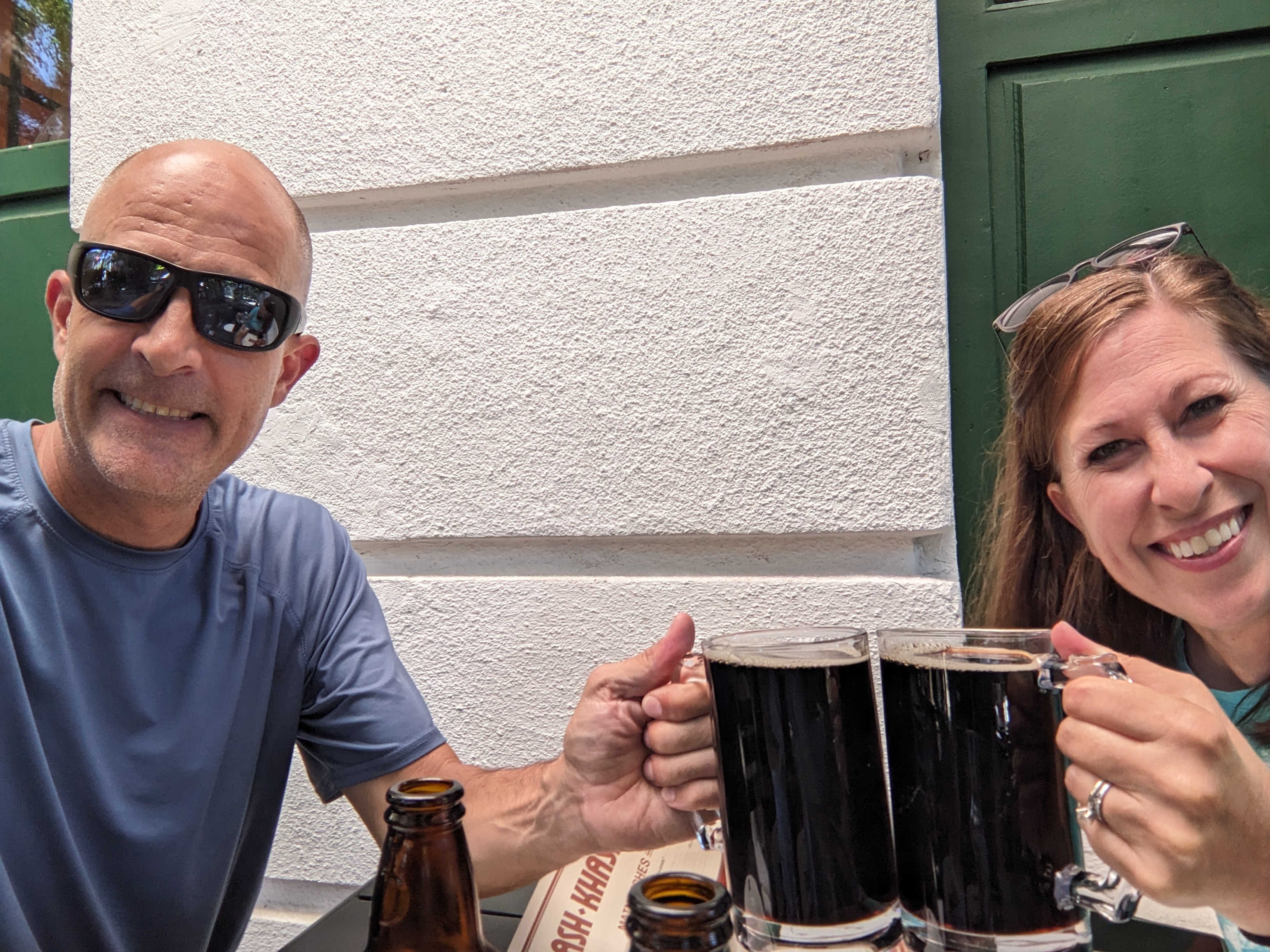
I woke up in the afternoon on the day after my last day in school in a completely different country with a completely different ecosystem. I had left behind the hot, dusty streets of Amman, and was in the cooler, tree lined boulevards of Tbilisi. Responsibility had been placed on hold, and I could now focus on different important things in life such as enjoying a great meal, and having my first adult beverage of the summer season. It only took a night of flying and a distance of about 900 miles to have a change of perspective and attitude.

It is a great way to start the summer, and I am already feeling the stress of the school year wash away as I prepare for a couple of months of rest and relaxation. I hope you join me on my adventures as I travel around the world, and if not, I hope it is because you are out there enjoying your own freedom flight.