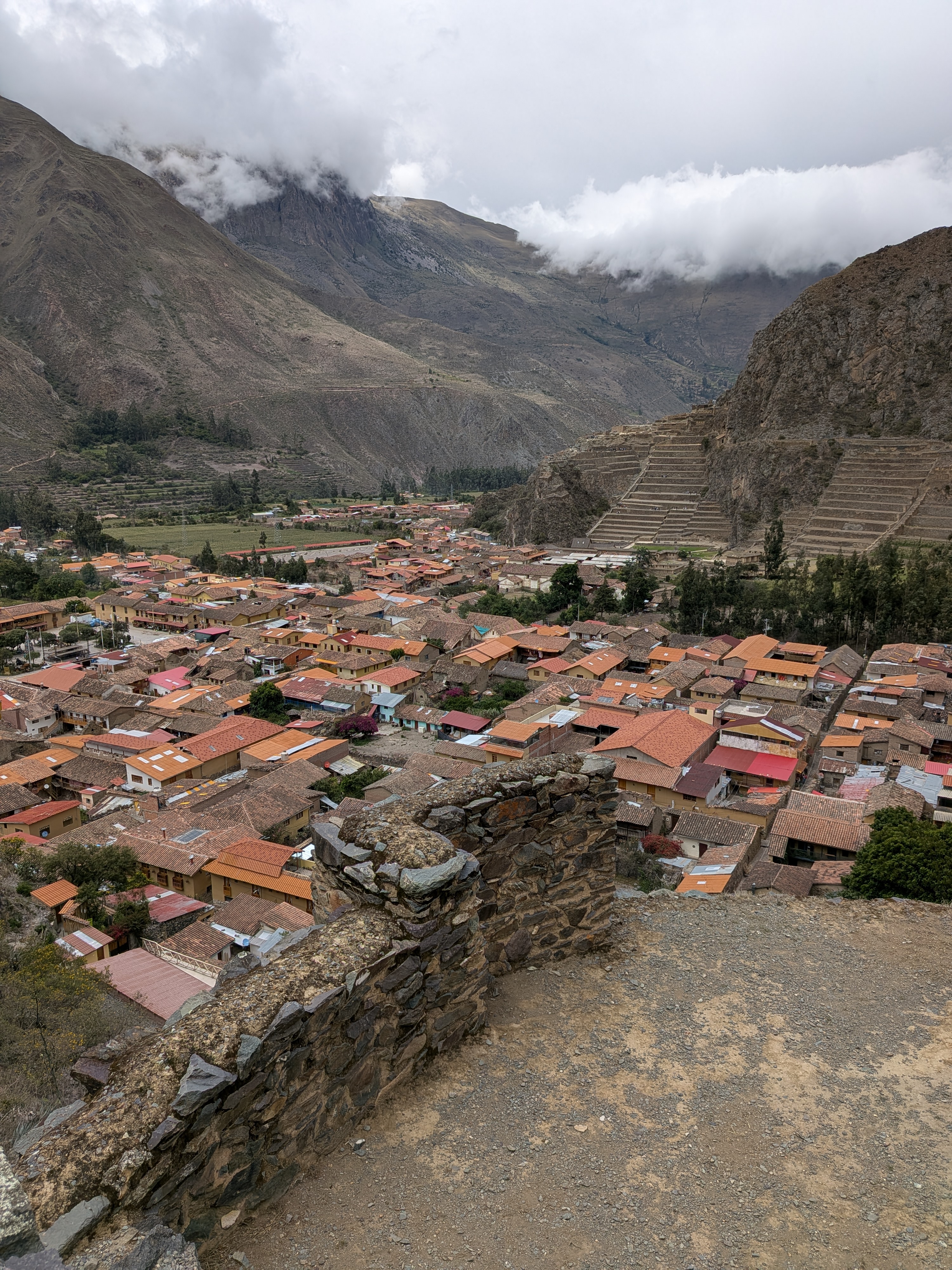
Ollantaytambo Ruins, Peru

Many people have Peru on their travel bucket list, and when they think of the country, they think of Machu Picchu, and making the hike to this fabled city high in the Andes. It isn’t until they start looking into the voyage that they realize that the first stop they will need to make before getting there is Ollantaytambo, a small city where the roads end and the real trek begins.
There are two ways to get to Machu Picchu from this town. The more popular of the two is the train. It hugs the sacred valley, and will take people to Aquacalientes, the even smaller town that a series of paths will allow them to reach their destination. For the more adventurous traveler, Ollantaytambo is the start f the Inka Trail, the four day hike that will take them through the same sacred valley, but allow people to feel like the explorers that discovered this destination in the first place. Whether by trek or train, the town of Ollantaytambo is definitely worth a couple of days before going on to Machu Picchu.
The first thing that many people will have to do upon arriving in the area is to make the adjustment to the altitude. Back in my Colorado days, this would not have worried me much because Ollantaytambo is only 9,000 feet above sea level. But since I have moved to Lima, and live only a couple hundred feet above sea level, it took me a couple of days to fully adjust. This is also nice because Machu Picchu is about a thousand feet lower, so when I finally arrive, I should not have to worry about the adjustment at all.
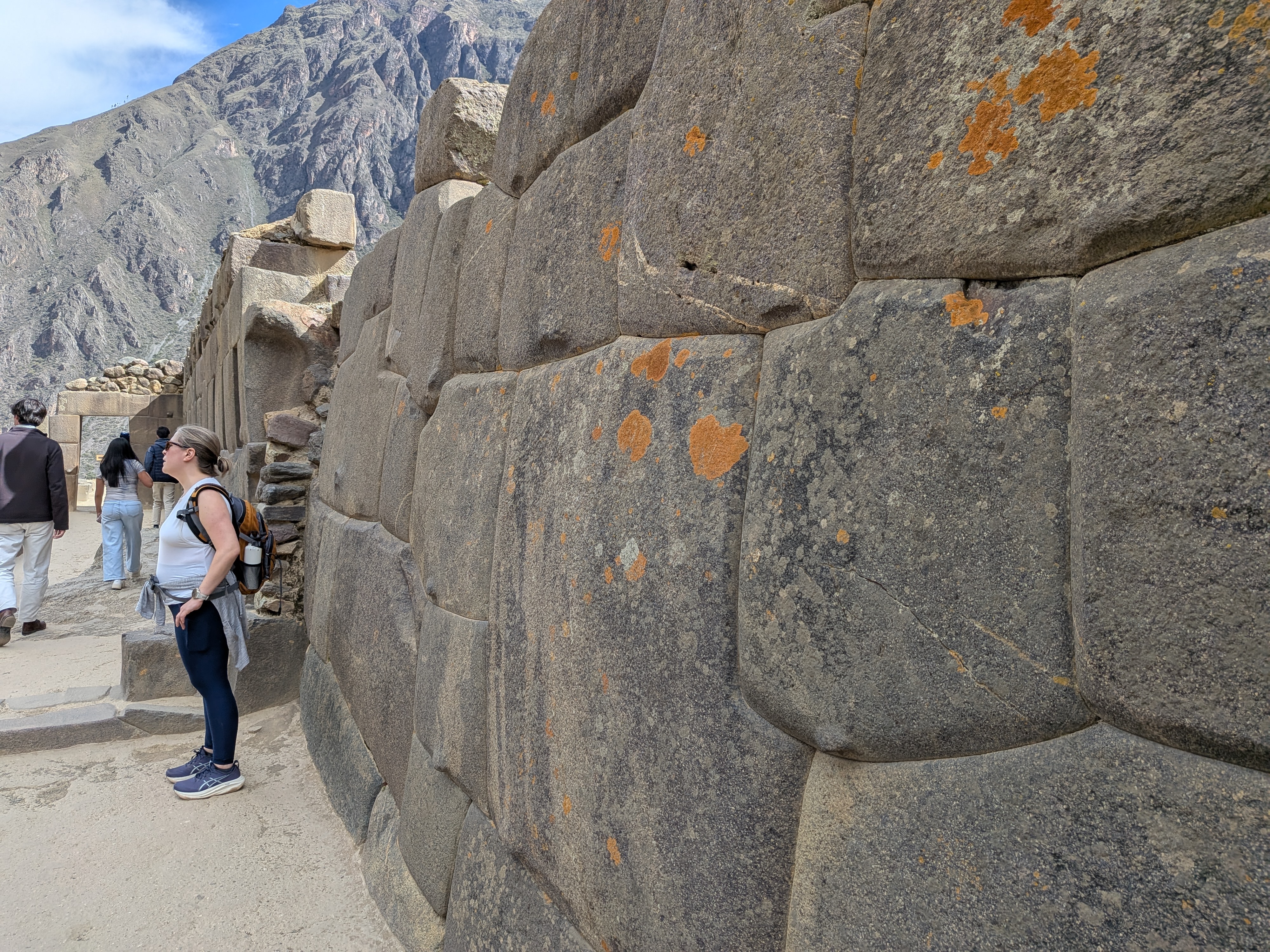
Ollantaytambo is a great town to visit though. There is an old part of the city where old Inca walls have been preserved and new building have been built on top of them. They did not try to continue the aesthetic, but built with a significant difference, so people could notice the old walls, and how far the town spread.

They also have a Spanish feeling plaza that is covered with various vendors, and good Peruvian restaurants. Most of them serve simple meals, but there are a couple that stand out; Amanta and Chuncho had more traditional Peruvian fare, and the later one even brewed its own distilled liquor that they used in all of their cocktails.
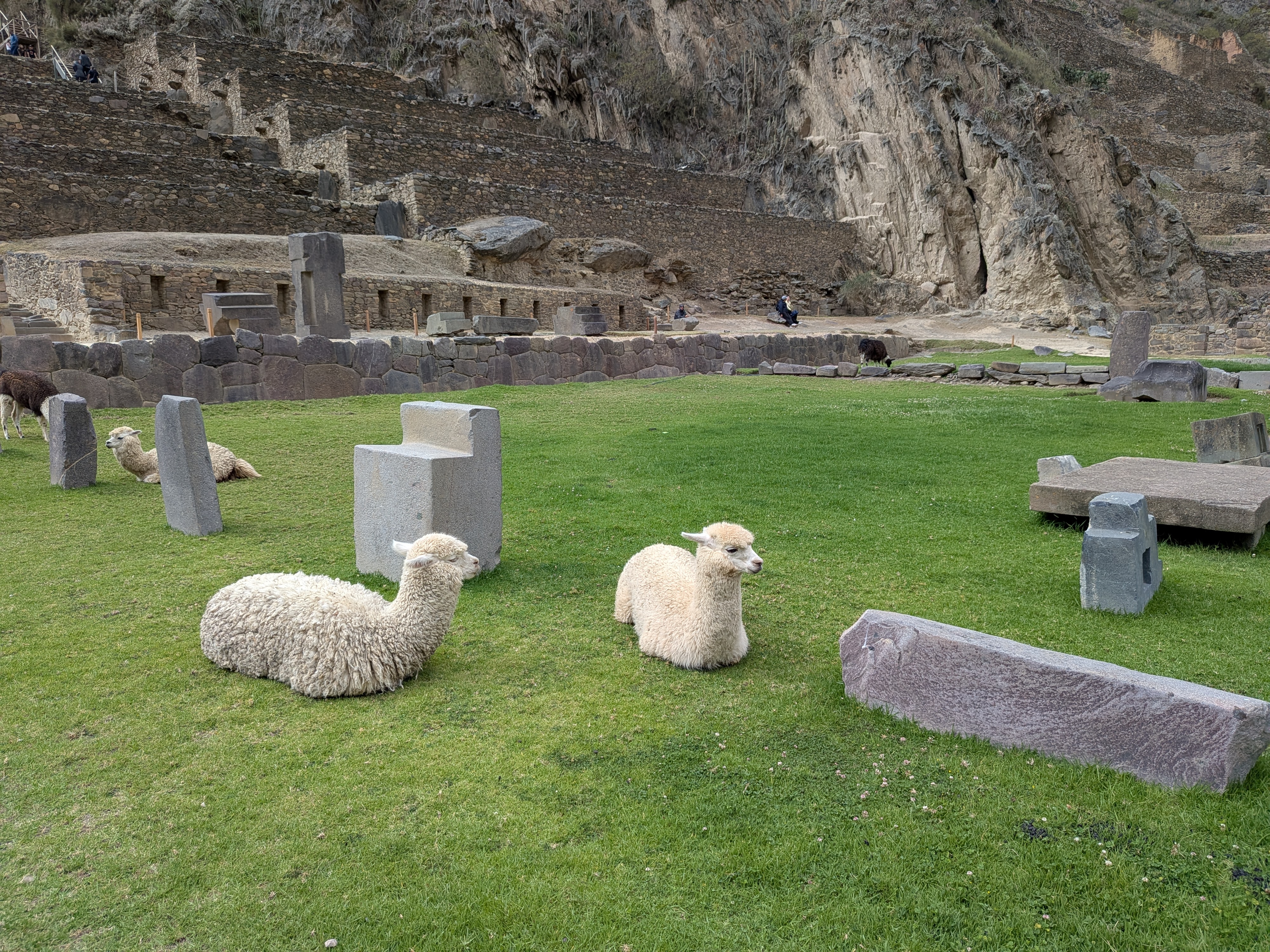
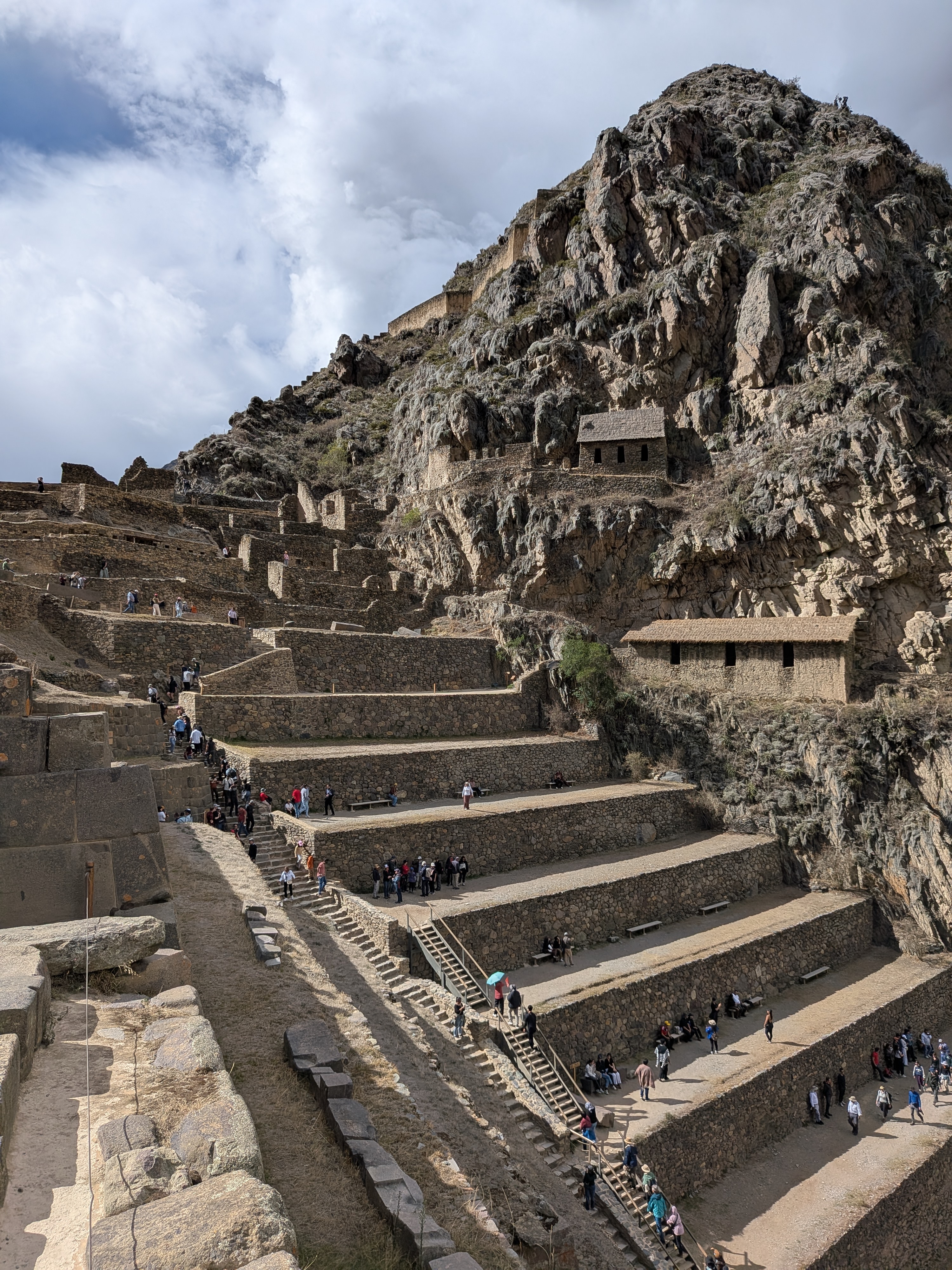
The Spanish came in the way that they always did, thinking that they would easily overpower them. What they did not count on was the Inca flooding the valley causing them to retreat. During this retreat, the Inca sent down their most powerful warriors to attack the Spanish and in the process slaughtered many of them. It was a short lived victory though because the Spanish returned with four times the original forces and eventually took over the sight. Still, it was one of the few times that the Spanish suffered a defeat at the hands of the Inca.
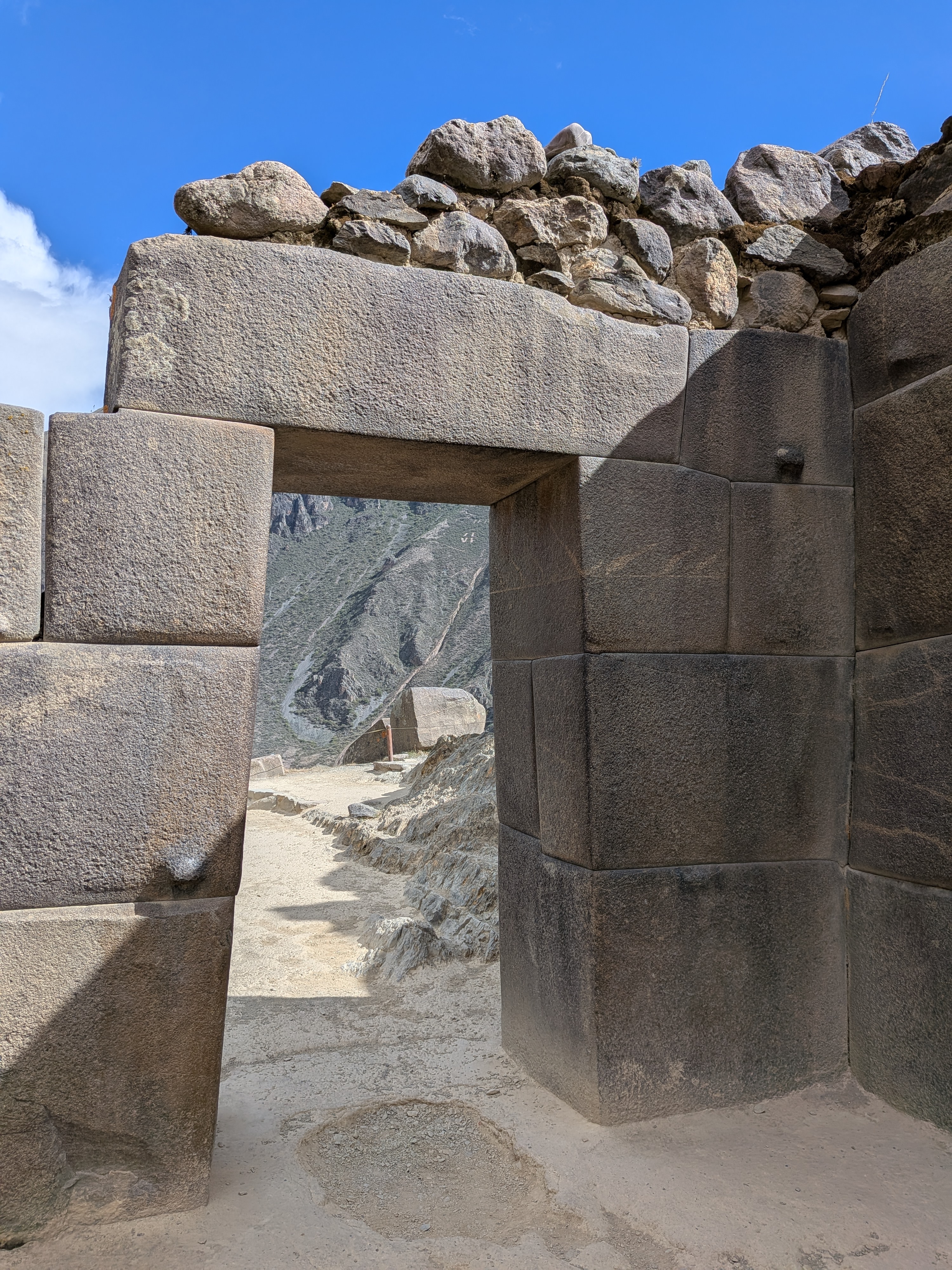
The fortress is well-preserved today, and though it might take a couple of stops along the way up to catch your breath, it is easily accessible for most people. It also offers amazing views of the town, and the surrounding valley. It might not have the location view that Machu Picchu does, but it is a great little taster before continuing on to that historic sight.
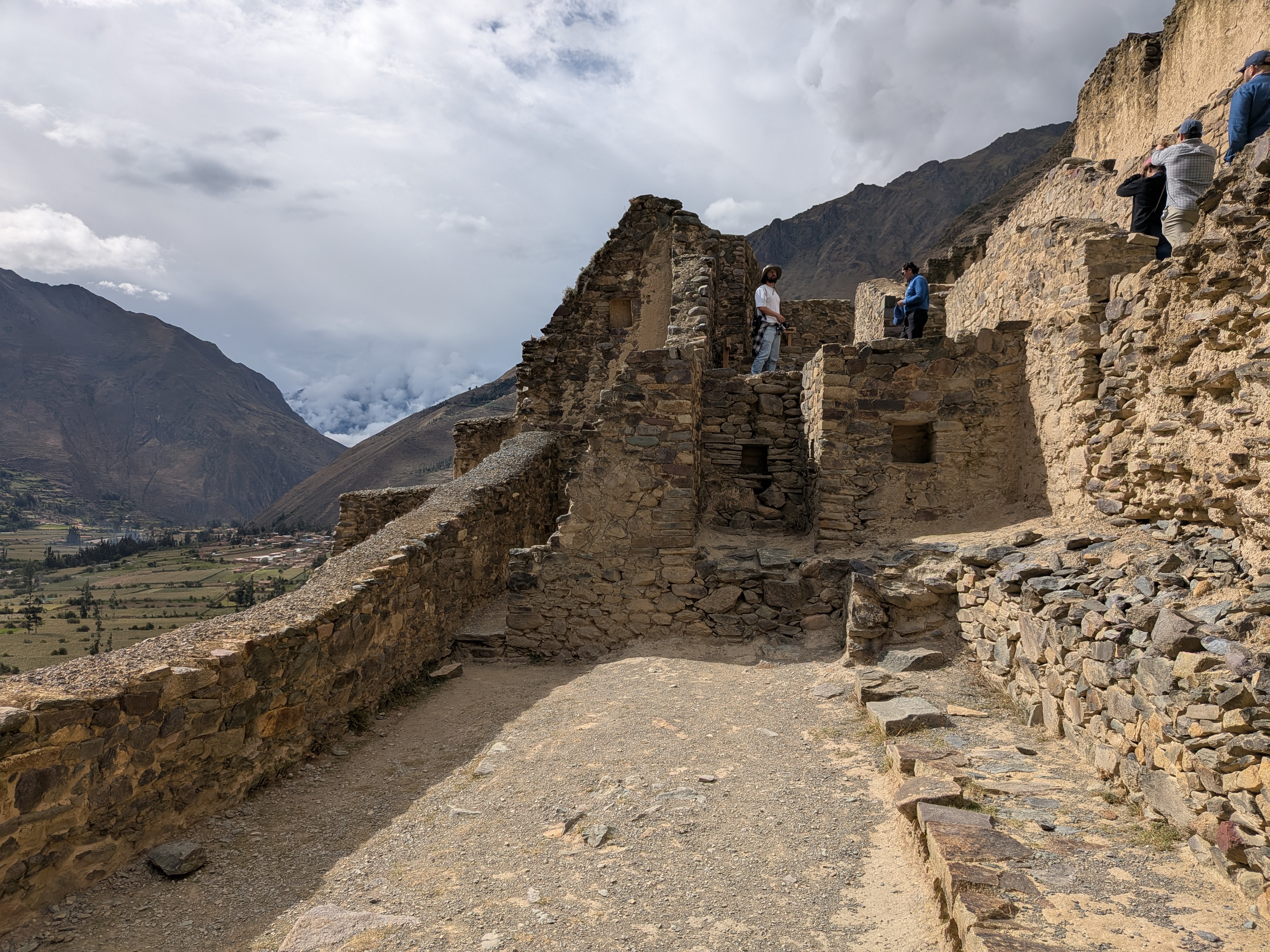
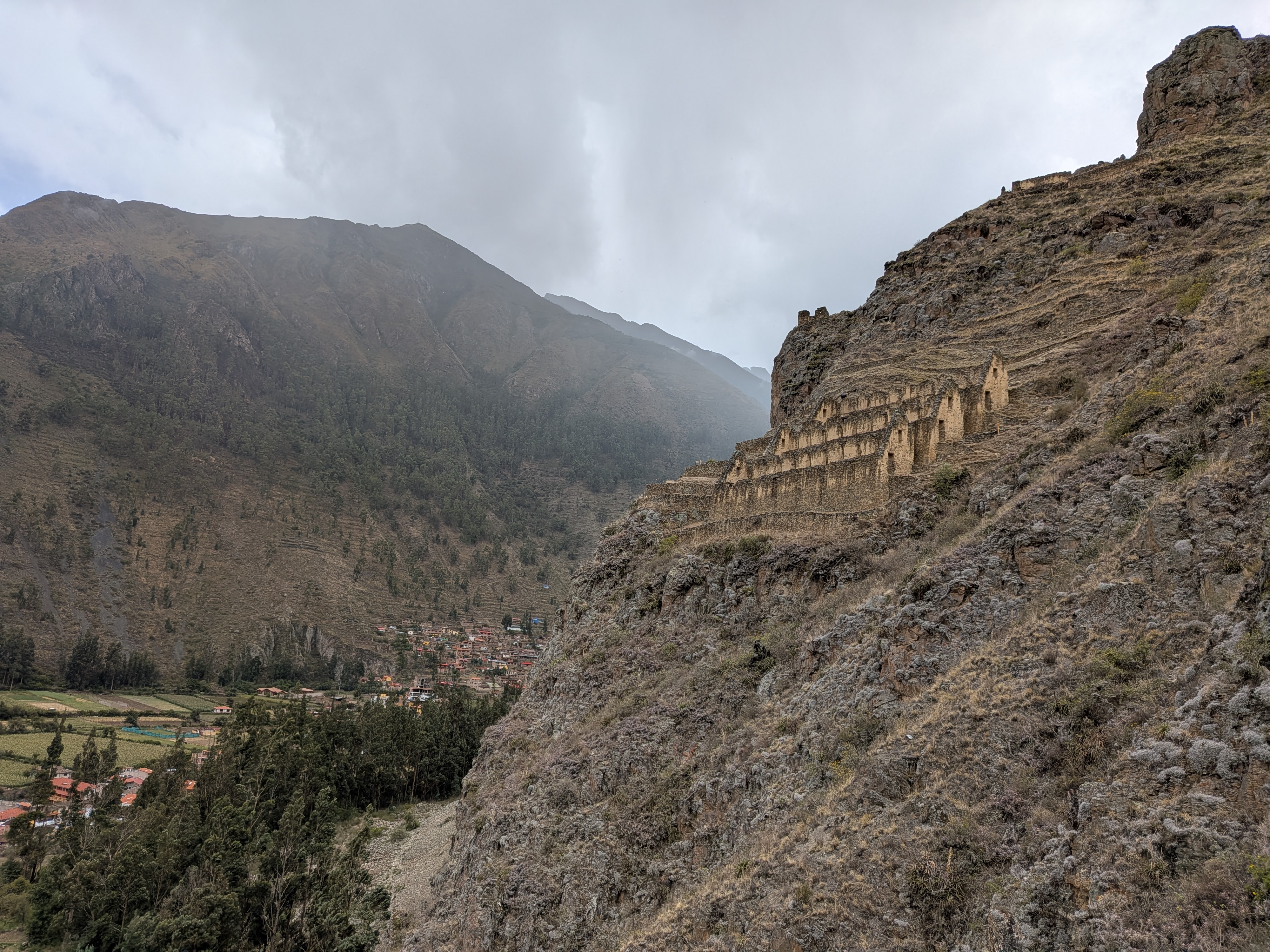
The other side of the valley has another set of ruins that at the time of writing this entry are free to enter. They do not attract the big crowds that the fortress does, but the ruins are just as impressive. The hike up requires a little more patience because it requires some more difficult terrain, but the sign will guide people as to which way they should go to avoid creating road blocks.

I would suggest going early in the morning because the crowds are almost non-existent at that time, and it makes you feel as if you have the ruins to yourself. It is a little difficult to find the entrance because it is not a big ticket booth like the fortress has, but it is on block south of the plaza. Take the first left and walk down the cobblestone path for a bit. You know you are in the right place because there will be an Inca made aqueduct on your right hand side. If you look to the right you will see the entrance with stairs leading up the mountain on the other side.

I have thoroughly enjoyed my time in this small town before going on to the main event, and I never thought that an entrance town could be just as exciting as the whole reason I came out to this part of the world in the first place. It has gotten me excited about Machu Picchu by showing me what I should expect when I get out there. I hope this inspires you to take the voyage, and until next time, keep looking for those hidden gems that you know are out there.

Colonialism

You have traveled halfway around the globe
To remove us from living in our homes.
You sit on your horses in purple robes,
And talk of your proud cities filled with domes,
Claiming that you’re the superior race
Because you have mastered a curved ceiling.
You remind us that we should know our place,
And give to support your profiteering.
You point your greedy hands to our mountains,
Expecting to find lost cities of gold.
We have told you we’ve never seen such wins,
And you reply that our lies are so bold.
It’s better to point you to this fiction
To leave alone our old habitation.

High in the Andes: My First Outing in Peru

I moved to Lima three months ago, and I have been able to enjoy it quite a bit, but it was time for me to get away from the gloomy skies of the city and see what the mountains just outside of town had to offer. It was Spring Break, so I packed my bags and headed to the second biggest city in Peru, Arequipa. It was not only quite the change in landscape, but also a change in attitude as well. Both places are big tourist destinations, but for different reasons, and it was fun being a tourist in the Andes Mountains rather than living a day to day existence off the coast of the Pacific Ocean. It made me excited for all I was going to see as I learned to live and explore this part of the world.

First of all, Peru is the story of the clash of two long-standing cultures, the Spanish colonialists that sailed over the sea in search of new lands and riches, and the Inca culture at the height of its power as it spread its influence over much of the western part of South America, specifically in the mountainous regions of the Andes. Despite the fact that these conflicts happened centuries ago, the influences of both cultures are present all over this part of Peru.

The ruins of the old civilizations can be found in the mountains still well preserved though nobody has lived in them for a long time. It takes a bit of a hike to get to them, but once there they are worth the visit. You can see the old roads that used to take people from one place to another combined by the stone construction of their homes, walls, and aqueducts. Some of the sights even predate the Inca culture, such as this abandoned town near Yanque which was once the Oyu Oyu village before conquistadors from Toledo came and removed the people to move them over to the now present town of Yanque.

If the small towns and ruins of the Andes are not enough, there are always the bigs city lights of Arequipa that is just over the ridge of the Andes Mountains. Arequipa is the second largest city in Peru, and has about 1 million citizens living there. Though it is a ways off the Pacific coast, it was one of the first place that the Spanish settled when they first arrive, and there influence is all over the older part of the city. You can see it in the plaza in the middle of the city to the large cathedral that looms over that square. The cobblestone streets do allow traffic to drive through them, but at the same time it feels completely walkable as you look at various alpaca shops, restaurants, and souvenir places selling cheese ice-cream. It is not just the language of Peru that was influenced by the Spanish, but there whole towns as well.

Still, it is a blending of both the original culture and the Spanish colonialism that gives Peru its charm. The dresses and dances might remind you of flamenco dancing in Seville, but upon closer inspection the dresses have intricate designs that take from the fauna and boldness of the mountain setting that inspired them. The dance comes with a determination and confidence that could only be found among a group of people who conquered these vast wilderness, and do not necessarily have the grace associated with the dances from Spain. It is its own unique thing, and it is wonderful to watch wherever it might spring up.

The blending of cultures to make a new and unique thing is the basis of much of Peruvian culture, especially their food. I am surprised about the amount of people that know so little about Peruvian food, and in many places in the world, it is almost impossible to find at all. Despite its absence on the world stage, it is one of the best cuisines I have ever experienced. From ceviche to lomo saltado, all of the dish are a culinary delight, and if you are in the mood to try something from one of your favorites, they will put their own spin on it to create something even better than the original. I went to a Thai-Peruvian fusion restaurant in Arequipa called Kao that was a traditional Peru dish, tacu-tacu, with Thai flavors that blended so well together I will never forget the dish.

Peru is the land of numerous surprises and I have only started to explore it. I have been in the big city on the coast and a small section of its mountains. I still have to explore its jungles and river area, and I am sure there are other surprises I am not even aware of yet. Still, I got to roam the majestic mountains of Peru and have been higher above sea level than I have ever been in my life. I have enjoyed the hot springs brought on by the rising steam of active volcanoes. I have gotten to see the graceful flight of the condor, the second largest bird in the world.

I have enjoyed my small exploration of this country so far, and I cannot wait to see what else it, and the rest of this region of the world has to offer. I hope you join me in my journey, and hopefully, I can inspire you enough to make it down here yourself. You will be fascinated with what it has to offer.

Until next time, keep exploring the world and see how we all come together to create something new.