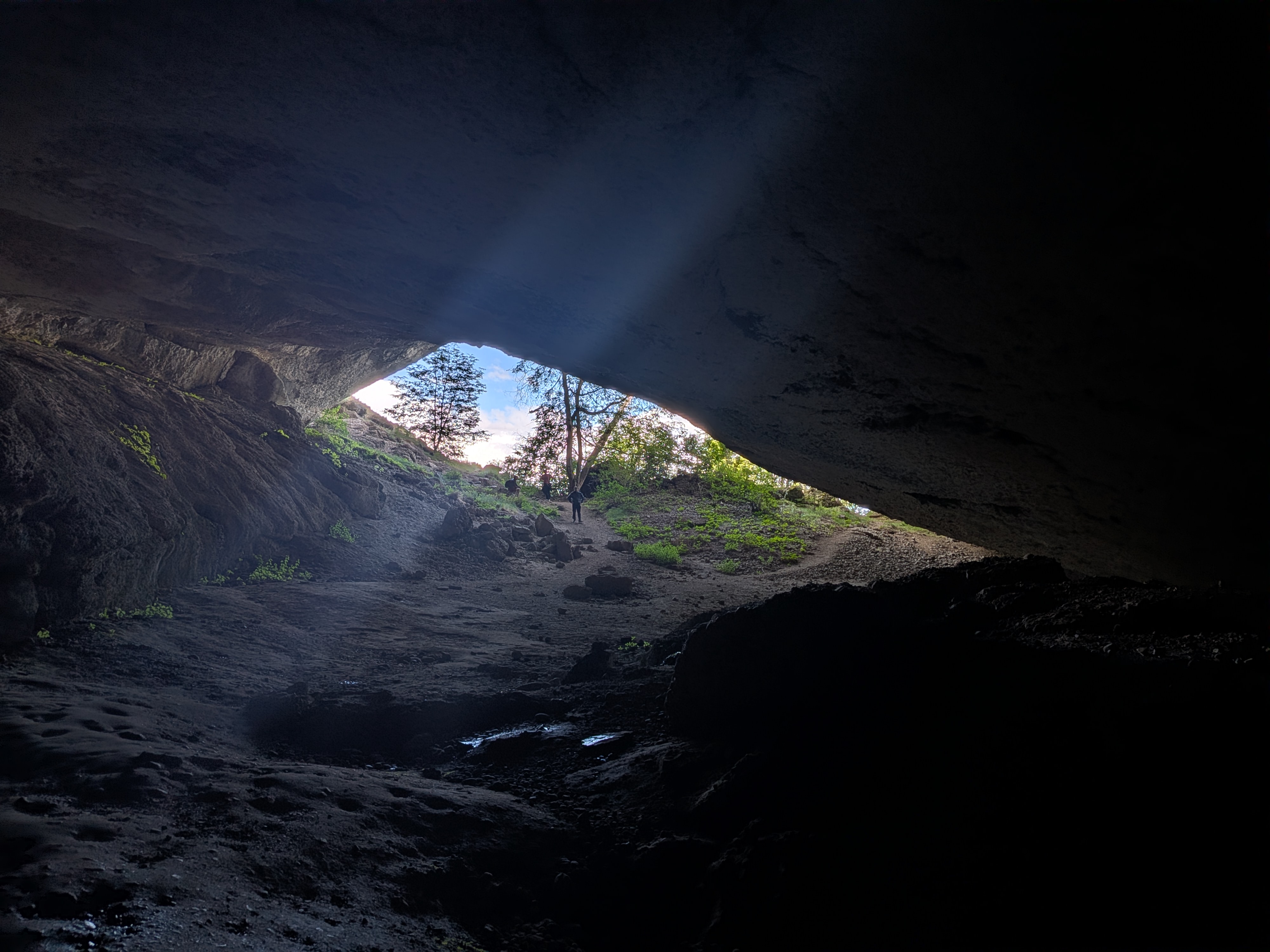
One of the biggest attractions in Patagonia is the national park, Torres del Paine, and you can find a stream of cars, campers, and tour buses taking the one road out of Puerto Natalis every day during the summer to bring various travelers to this spot to enjoy the scenery, take in the hikes, and snap a few pictures to bring back as momentoes. But there is a stop along the way that many people skip out on and they should take the time to explore this spot, Milodon Ceuvas. This is three natural caves that were formed when the sea levels had reached the lower shelves of the mountains, and dug away the sediment to create these caves.
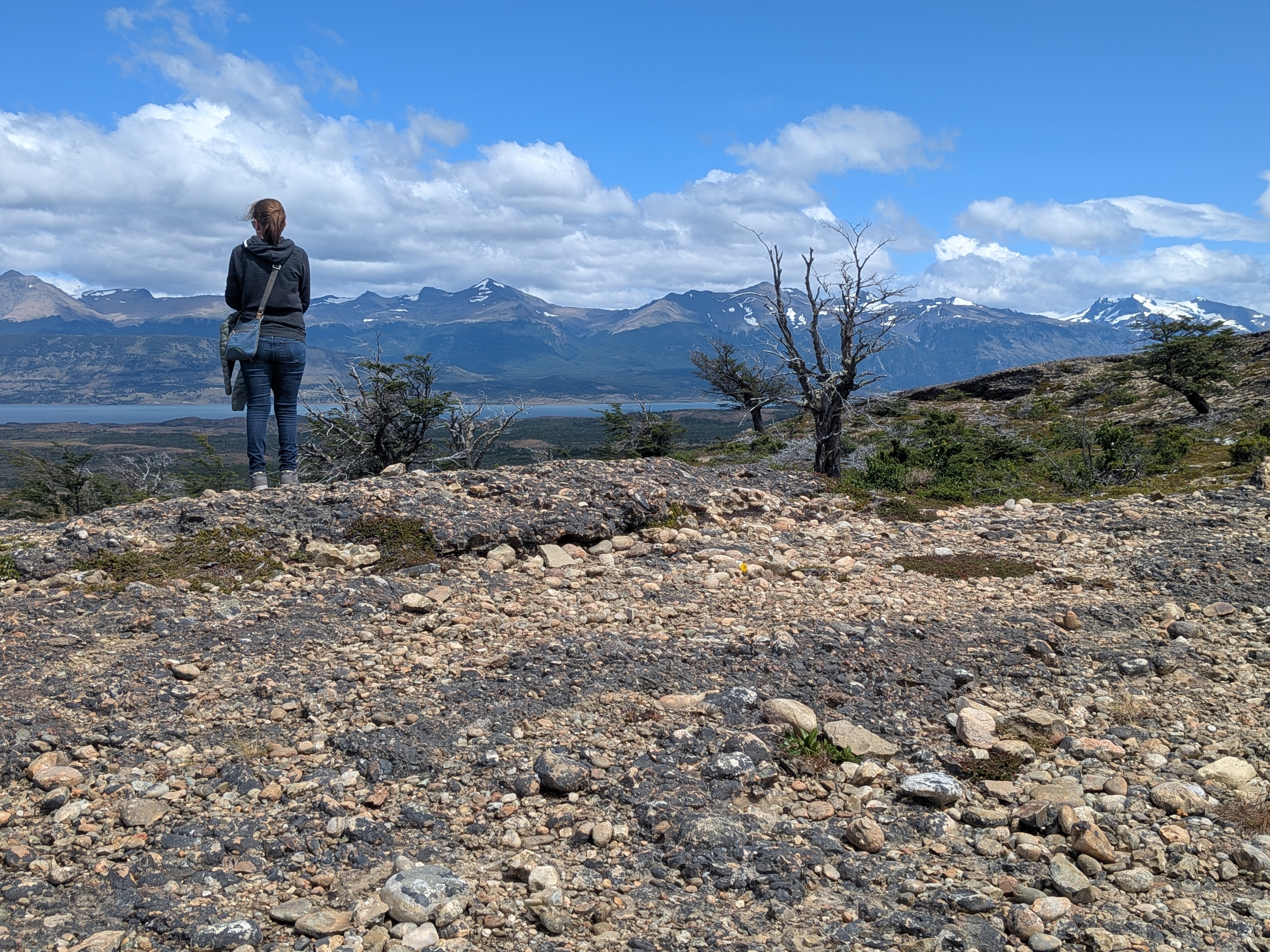
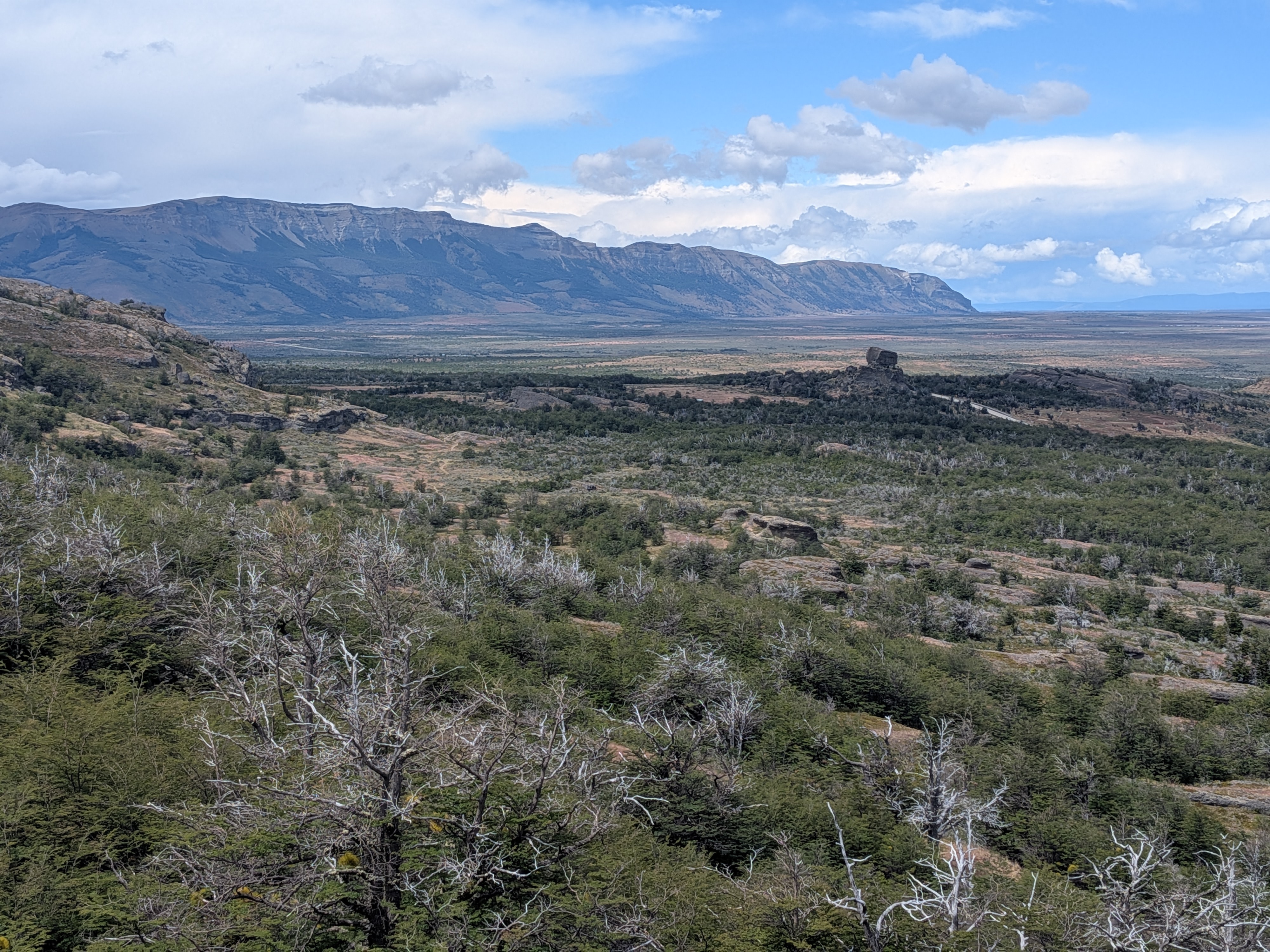
There are many reasons to make this stop besides the caves. The first is a short hike about an hour long there and back that will take you to the top of a plateau that overlooks the whole valley all the way from Puerto Natalis to the start of Torres del Paine. It is a little bit of a rocky hike up to the top, but with some good hiking boots, and a bottle of water, most people can make it to the top without any trouble. I especially like the hike because when you get there and take a couple of pictures from the right angles, it looks like you accomplished a more difficult hike than you really did.
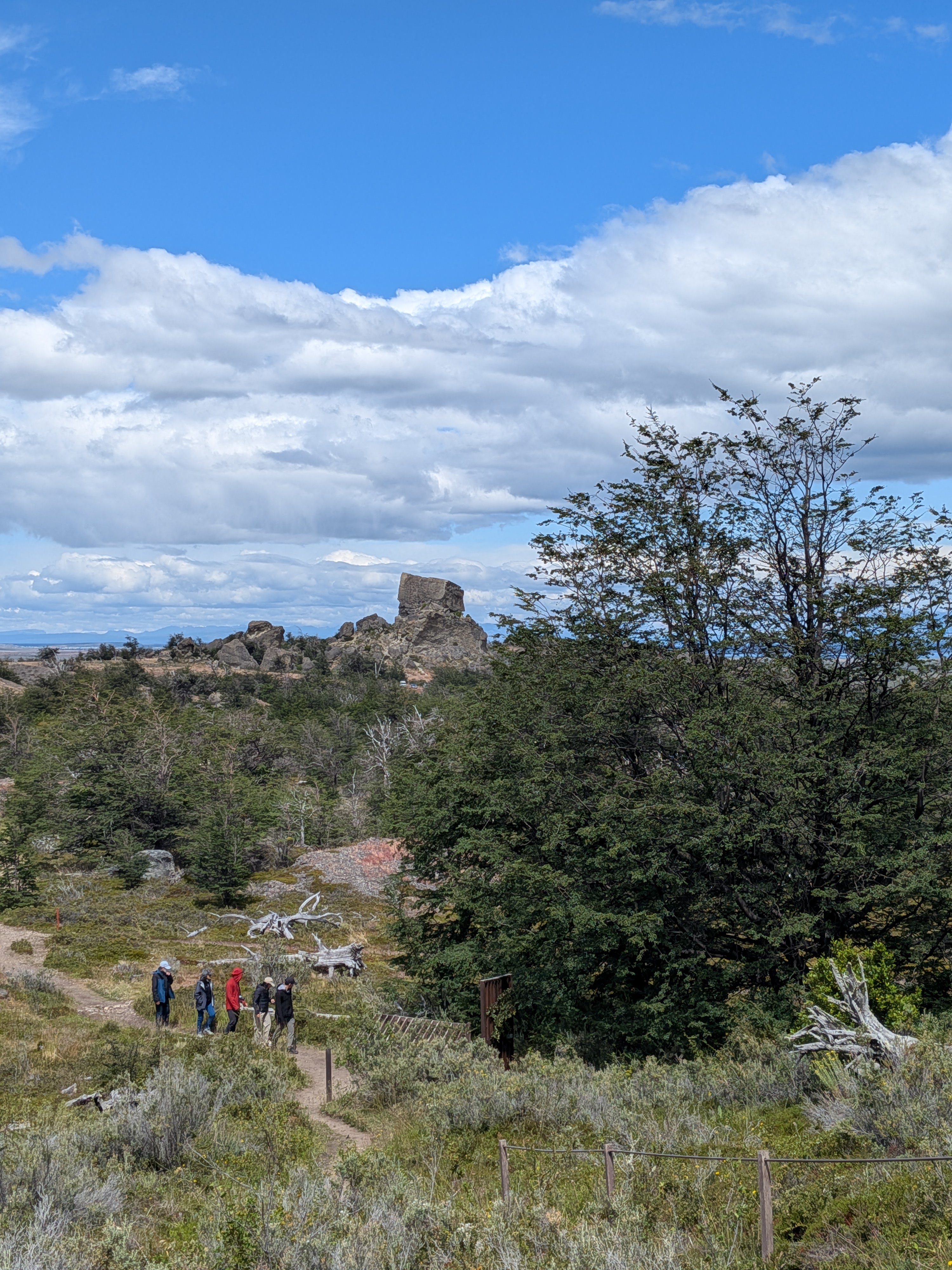
The other big attraction is the Devil’s Chair. It is a rock formation that sits right off the road and is the first impressive sight that you will see on your way to Torres del Paine. This can be easily reached by hiking along the valley for a kilometer from the visitor’s center, or for those that are not as adventerous, you can open the gate and drive your car down the dirt road to the rock and look at it. If there is one thing to skip on this trip, it is the hike out to the rock. It does not look as impressive up close as it does when you are further away, and there are plenty of views of it as you explore the rest of the area.
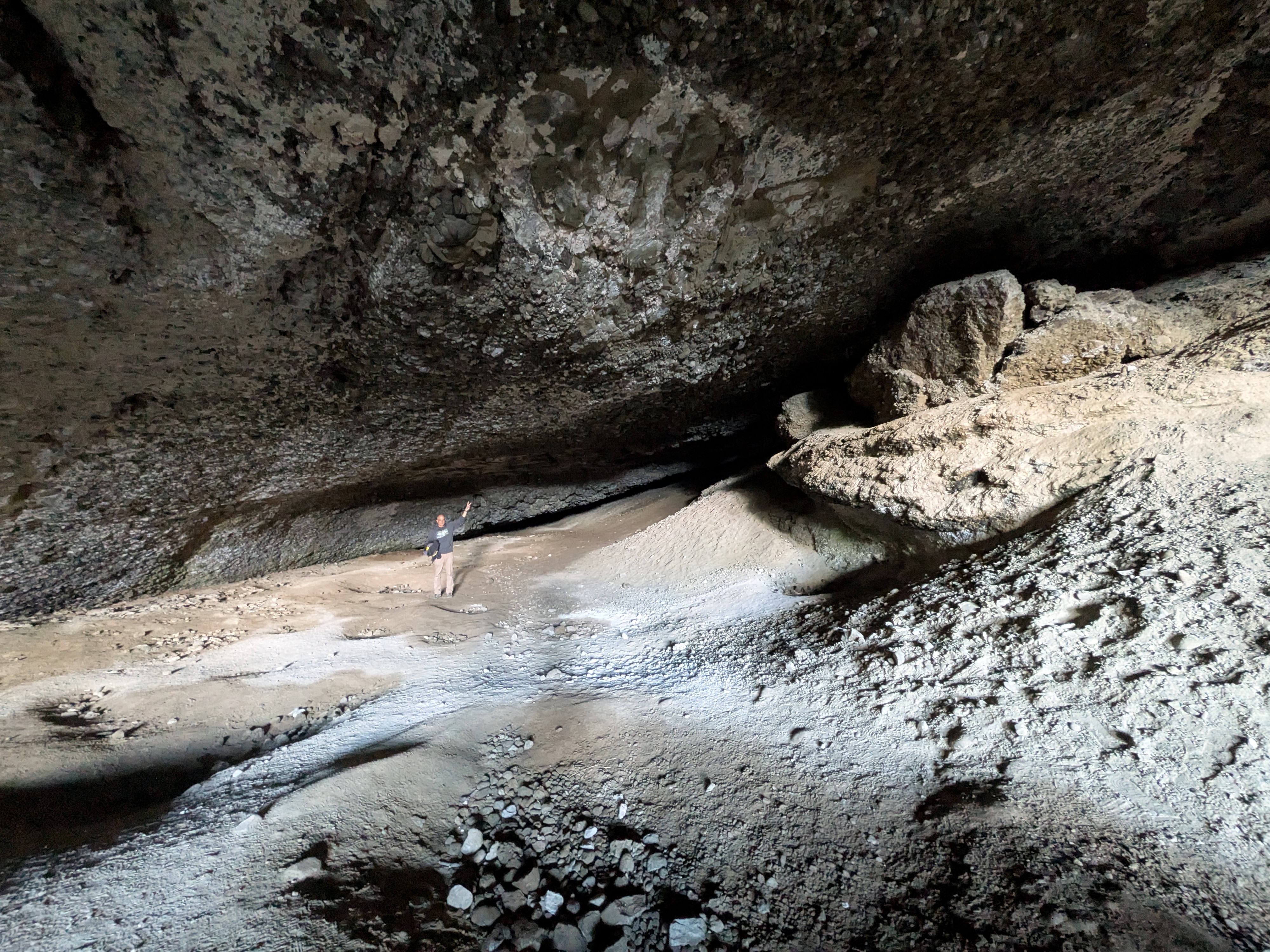
The thing to stop for is the caves. The one closest to the visitor’s center is the easiest to get to and has a paved path all of the way up there. The walkway has many signs along the way that talk about the formation of the caves, the various types of animals that used to live in the area over the centuries, and the how the first people in the area used to live. It is also the biggest of the caves, and it looks like most of the time people are allowed to walk all the way around the cave, but the back portion of the cave was closed while I was out there. It is also a very yound cave in terms of what features can be found there. There are only a few stalagtites being formed so far, but most of the ceiling and walls look as smooth as a new canvas waiting for the artist to deliver his paint.
The other two caves are similar and it takes a couple of kilometers to get out to the furthest one. The one in the middle is considered one of the most important finds in all of Patagonia as it had human remains in there that show that this was the oldest place of human habitation in all of the region. The caves are neat, but they do not take much time to explore so if you are not up for a good hike, then they might not be worth the effort. I enjoyed them a lot and would do the hike again, and it does not take more than a couple of hours to do the whole loop.
If you are taking that drive out to Torres del Paine, I would recommend making this stop along the way. It will whet you appetite for the exciting things you will see when you finally make it to the national park.
 John Collings